One Oregon Permit Price for Every Class
When you're first getting into the world of ATVs and UTVs in Oregon, or even if you're a seasoned rider from out of state looking to ride our incredible trails, one of the first questions that pops into your head is usually about permits and costs. It's easy to assume that because there are so many different kinds of off-highway vehicles, from the nimble quad to the beefy side-by-side, that the permit price would vary, too. This guide is here to clear up that common misconception and explain why, in Oregon, one permit price truly fits all.
Understanding Oregon's ATV Classification System
Before we dive into the nitty-gritty of permit costs, it's really helpful to understand how Oregon actually classifies off-highway vehicles (OHVs). It’s not just about what you call it – a quad, a side-by-side, a dirt bike – the state has specific definitions based on size, weight, and design. This system exists for safety regulations, where you can ride, and yes, it even impacts how your permit decal looks, but thankfully, not the price you pay for it. The Oregon Parks and Recreation Department (OPRD) oversees this system, ensuring that everyone plays by the same clear rules. Many folks get hung up on these classifications, thinking a larger machine must cost more to permit, but that's just not the case here.
Class I: Quads and Their Defining Characteristics
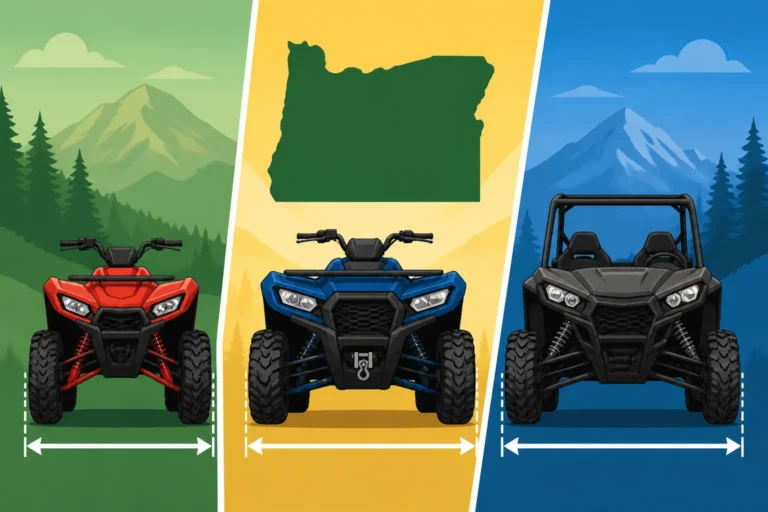
When most people think of an "ATV," they're probably picturing a Class I machine. These are your traditional quads, designed for a single operator, with handlebars for steering and a straddle seat. They're built for off-road use and are incredibly popular across Oregon's diverse landscapes, from the sandy dunes to the forest trails. The key defining characteristic that sets a Class I apart from many other vehicles in the OHV world is its width. To be a Class I, your machine typically has to be 50 inches wide or less. This specific measurement is critical because it often dictates which trails a machine can legally access. Riders often worry that a high-performance quad might fall into a different, more expensive permit category, but rest assured, if it fits the Class I criteria, the permit fee is the same as for any other class. You can learn more about [Oregon's Class I Under ORS 801.190].
Class IV: Side-by-Sides and Wider Machines
Moving up in size and capacity, we have Class IV machines, which are more commonly known as side-by-sides (SxS) or UTVs. These vehicles are designed for multiple passengers, featuring non-straddle seating – often bench seats or bucket seats, just like a car – and a steering wheel, not handlebars. They tend to be wider and heavier than Class I ATVs, offering a different riding experience, often favoring comfort and utility over raw agility. Because of their size and passenger capacity, Class IV machines have distinct rules for where and how they can be operated, especially concerning age limits for drivers and passengers. Despite their significant differences from a quad, Oregon maintains a consistent approach to the permit fee for these larger machines. For a full breakdown, check out [Oregon's Class IV Side-by-Sides Under 75 Inches].
Class II and Class III Machines
While Class I and Class IV machines represent the bulk of what people think of as ATVs and UTVs, Oregon's system includes other categories too. Class II machines are those off-road vehicles that are wider than 50 inches but are still primarily designed for off-highway use, often including specialized vehicles like dune buggies or sand rails. These can sometimes be street-legal if they meet specific Department of Motor Vehicles (DMV) requirements, which is a whole other layer of regulation. Class III refers to off-road motorcycles, or dirt bikes, which also fall under the OHV permit umbrella.
Regardless of whether you're riding a two-wheeled dirt bike, a specialized sand rail, or a monster side-by-side, the state of Oregon has made a deliberate choice to simplify the permit process when it comes to cost. This uniformity is a huge relief for many riders who might own multiple types of machines or are considering an upgrade but worry about escalating permit expenses. The simplicity ensures that all eligible OHVs contribute equally to the maintenance and development of Oregon's fantastic riding opportunities. For a complete picture, exploring [Oregon's Four ATV Classes Explained] is a great next step.
The Oregon ATV Operating Permit: A Universal Fee
This is the big takeaway, the answer to the burning question: in Oregon, there is indeed one permit price for every class of off-highway vehicle. Whether you're purchasing a permit for a nimble Class I quad, a powerful Class IV side-by-side, a two-wheeled Class III dirt bike, or a custom Class II dune buggy, the cost to obtain the required operating permit is exactly the same. This approach is a testament to Oregon's commitment to accessibility and fairness for all OHV enthusiasts, regardless of their machine of choice. It means you don't have to stress about paying more just because you prefer a bigger or more specialized vehicle. This streamlined pricing model removes a layer of complexity and makes it easier for everyone to get out and enjoy the trails legally.
Why the Price Is the Same for Every Class
Oregon’s decision to apply a single, flat fee across all OHV classes stems from a few core philosophies. Primarily, the permit system isn't designed to tax larger or more expensive machines; instead, it's designed to ensure that every OHV operating on designated public lands contributes to the overall fund that supports the state's OHV program. The focus is on participation and contribution, not on the specific characteristics of the vehicle. By making the price universal, the state avoids creating barriers for riders who might feel penalized for owning a certain type of machine. This simplifies administration, making it easier for OPRD and its authorized vendors to process permits without needing to verify specific vehicle dimensions or types at the point of sale. It’s all about getting a decal that proves you’re contributing to the riding experience for everyone.
What the Oregon ATV Operating Permit Covers
So, what exactly are you getting for that single, flat fee? Your Oregon ATV Operating Permit isn't just a piece of paper or a sticky decal; it's your ticket to legally ride on Oregon's designated public OHV trails and areas. This includes popular destinations like the Oregon Dunes National Recreation Area, the Tillamook State Forest, and Millican Valley, among many others. The permit also covers a two-year period, meaning you get extended access without needing annual renewals. This is a significant benefit, reducing the hassle and frequency of needing to re-up your permit. [Why Oregon's Permit Lasts Two Years] delves into this in more detail.
Beyond mere access, a substantial portion of your permit fee goes directly back into maintaining and improving the very places you love to ride. This includes trail upkeep, signage, mapping, and facility improvements at staging areas like restrooms and parking lots. It also supports important safety and educational programs, ensuring that current and future generations of riders can enjoy Oregon's natural beauty responsibly and safely. It's a collective investment in the OHV community and the environment.
| OHV Class | Description | Permit Price | Permit Duration |
|---|---|---|---|
| Class I | Quads, ATVs (50 inches or less) | One Standard Price | Two Years |
| Class II | Dune buggies, sand rails, specialized OHVs | One Standard Price | Two Years |
| Class III | Off-road motorcycles, dirt bikes | One Standard Price | Two Years |
| Class IV | Side-by-sides, UTVs (typically wider) | One Standard Price | Two Years |
| Note: The actual numerical cost is subject to change. Always check the official Oregon Parks and Recreation Department website for current fees. |
Where Your Permit Dollars Go: Supporting Oregon's OHV Program
It's natural to wonder where your money actually goes once you purchase that permit. It's not just disappearing into a black hole! The funds generated from Oregon ATV Operating Permits are specifically earmarked for the state's Off-Highway Vehicle Program, which is managed by the [The Oregon Parks and Recreation Department's Role]. This program is vital for the long-term health and accessibility of OHV riding in Oregon, directly benefiting you, the rider, as well as the diverse landscapes we all share. Knowing that your contribution directly impacts the quality and availability of riding areas can make that permit purchase feel even more worthwhile.
The Oregon ATV Grant Program Explained
A significant portion of the revenue collected from OHV permits is funneled into the Oregon ATV Grant Program. This program is a cornerstone of how Oregon maintains and develops its extensive network of OHV trails and facilities. Local government agencies, non-profit organizations, and even federal land management agencies (like the Bureau of Land Management or the U.S. Forest Service) can apply for these grants. The money is used for a wide array of projects, from rehabilitating damaged trails and building new ones, to improving signage, creating better staging areas, and even purchasing equipment needed for trail maintenance. Imagine riding a beautifully maintained trail, and know that your permit fee played a part in making that possible. This collaborative effort ensures that the OHV community has a direct hand in shaping its future. For a deeper dive into this, you can read more about [The Oregon ATV Grant Program Explained].
Funding Enforcement and Education Efforts
Beyond trail maintenance, your permit fees also support crucial enforcement and education initiatives. Having fantastic trails is one thing, but ensuring that they are used safely and responsibly is another. Funds help support law enforcement patrols in popular riding areas, which helps deter illegal riding, protect natural resources, and ensure all riders are following the rules. These patrols are there to keep everyone safe and preserve the areas for future enjoyment.
Furthermore, a portion of the funds goes towards safety education. This includes developing and providing resources for safety courses, which are mandatory for many riders in Oregon, and promoting responsible riding practices. These educational efforts are paramount in reducing accidents and fostering a culture of environmental stewardship among OHV enthusiasts. It's an investment in both the rider and the environment, ensuring that the thrills of OHV riding can be enjoyed sustainably for years to come.
How to Obtain Your Oregon ATV Permit
Getting your Oregon ATV Operating Permit is a fairly straightforward process, designed to be accessible to all riders. There are a couple of main ways to go about it, both reinforcing that single, universal price regardless of your machine's class. It’s important to remember that having this permit clearly displayed on your machine is a non-negotiable requirement for riding on most public lands in Oregon. Getting stopped without one can lead to a citation, and nobody wants that to put a damper on their riding day.
Buying an Oregon Permit Online
For many riders, the most convenient way to purchase an Oregon ATV Operating Permit is online. The Oregon Parks and Recreation Department provides an online portal where you can easily select the permit type, provide your machine's details (make, model, VIN), and complete the transaction from the comfort of your home. Once purchased, you'll often receive a temporary permit via email that you can print and carry with you, allowing you to ride immediately while you wait for your physical decal to arrive in the mail. This instant gratification is a huge plus, especially if you decide last-minute to hit the trails. The online system is designed to handle all classes of machines with the same pricing structure, making the process seamless. For more detailed instructions, check out [Buying an Oregon Permit Online].
Finding an Oregon Permit Agent
If you prefer to handle things in person, or if you need your permit decal immediately, Oregon has a vast network of authorized permit agents located throughout the state. These agents include many ATV dealerships, sporting goods stores, and even some Oregon State Park offices, particularly those located near popular riding areas. Visiting an agent allows you to purchase the permit and receive your physical decal on the spot, so you can affix it to your machine right away and head straight to the trails. It's often a good idea to call ahead to ensure the agent has permits in stock and to confirm their operating hours. This option is especially handy if you're traveling through an area and realize you need a permit before reaching your destination. You can find a list of locations at [Where Oregon Sells ATV Permits] or specifically look for [Oregon Permit Agents You Can Walk Into]. The staff at these locations are usually very familiar with the process and can answer any questions you might have about your specific machine, though again, the price remains consistent across all types.
Beyond the Permit: Other Considerations for Oregon Riders
While securing your Oregon ATV Operating Permit is a critical step, it's just one piece of the puzzle for responsible OHV ownership and riding in the state. There are a few other important considerations that often get confused with the permit itself, or that riders simply overlook. Understanding these additional requirements and options can help you avoid unwelcome surprises and ensure a smooth, enjoyable riding experience every time you hit the dirt or sand.
Optional Titling for Your Machine in Oregon
Here's something that often catches people off guard: titling your ATV or UTV in Oregon is actually optional if the machine is used exclusively off-road. Unlike cars, trucks, or motorcycles that primarily operate on public roads, an off-highway vehicle doesn't require a title from the Department of Motor Vehicles (DMV) just to be owned or ridden off-pavement. However, while optional, obtaining a title can be a very good idea for several reasons. A title serves as official proof of ownership, which can be invaluable if your machine is ever stolen, or if you decide to sell it down the line. It provides a clear legal chain of ownership, protecting both buyer and seller. Without a title, proving ownership can become a headache, potentially involving bills of sale and other documents. While LawDepot offers templates for creating a bill of sale, having an official state title solidifies your claim. Many riders choose to title their machines for peace of mind, even though it's not a legal prerequisite for off-road use. You can read more about why [Titling an ATV in Oregon Is Optional].
The Oregon ATV Safety Education Card
Separate from the operating permit and any optional titling is the Oregon ATV Safety Education Card. This is a crucial requirement for many riders in Oregon, particularly those under 16, but also for adults depending on the class of machine. The intent behind the safety card is to ensure that riders possess fundamental knowledge of safe operating practices and environmental stewardship. It's not about the machine's class or price, but about the rider's competency.
Unlike the operating permit, which has a fee, the online safety course and subsequent card are often available at no cost. This makes safety education highly accessible to everyone. Even if you're an experienced rider, refreshing your knowledge with the safety course can be beneficial. It emphasizes rules of the trail, protective gear requirements (like helmets, which are mandatory for many), and general etiquette. While you might assume your experience is enough, the state prioritizes formal education to keep everyone safe. Make sure you understand the requirements for [Oregon ATV Safety Education Card] to avoid any issues on the trails.
Disclaimer
This article is for general informational purposes only and does not constitute professional advice. Laws, prices and regulations vary by location and change over time. Consult a qualified professional for guidance on your specific situation.