Oregon ATV Permit for a Youth Quad
Trying to figure out all the ins and outs of getting your child's youth quad ready for the trails in Oregon can feel like navigating a maze, especially when you just want to see their smiles as they ride. Many parents assume smaller machines for younger riders might have different rules, but the truth is, every off-road vehicle needs to be properly permitted. This guide will walk you through exactly what you need to know to get an Oregon ATV permit for a youth quad, ensuring your little adventurer is legal and safe on our beautiful Oregon trails.
Why a Youth Quad Needs an Oregon ATV Permit
It's a common misconception that smaller ATVs, often marketed for younger riders, might somehow be exempt from the same rules as their larger counterparts. After all, they're not going as fast, they're not as heavy, and often, they're not even ridden on the most challenging terrain. But in Oregon, the operating permit requirement is all about the machine itself, not the age or experience level of the operator. If it's an off-highway vehicle (OHV) destined for public lands or designated OHV riding areas, it needs that sticker. This isn't about penalizing parents or kids; it's about ensuring a consistent funding stream and framework for responsible riding across the state.
Think about it this way: whether you're riding a massive side-by-side or a tiny 50cc youth quad, you're all sharing the same trail systems, and those systems require maintenance, signage, and oversight. The permit system is Oregon's way of ensuring everyone contributes to keeping these areas open and enjoyable for all. Without these permits, the very trails we love to explore would quickly fall into disrepair or even close down permanently, which would be a huge loss for families who cherish this outdoor activity.
No Age-Based Exemption for Permits
When you're looking at the rules for [Oregon ATV Permits Explained], you'll notice there isn't a special carve-out for youth machines. An ATV is an ATV, regardless of its engine size or the rider's age, when it comes to the permit. This means that little 90cc quad your aspiring rider got for their birthday needs the same permit as a full-sized 450cc sport quad or even a hefty utility ATV. The permit covers the privilege of operating that specific machine on public lands. It doesn't care who's holding the handlebars.
This universal requirement helps simplify enforcement for rangers and other officials. They don't have to guess whether a machine is "youth-sized enough" to be exempt. If it's on the trail, it needs the permit decal clearly displayed. This avoids confusion and ensures a level playing field for everyone enjoying Oregon's vast network of OHV trails, from the [Oregon Dunes National Recreation Area] to the dense forests of the Tillamook State Forest. It's a clear, straightforward rule designed to be easy to understand and implement for everyone involved.
Funding Trails and Safety Programs
The money collected from Oregon ATV permits isn't just tossed into a general fund somewhere. It's specifically earmarked for the very programs and resources that benefit OHV riders, including youth. These funds directly support the construction and maintenance of trails, staging areas, and facilities at popular riding spots across the state. Imagine trying to navigate a trail system without clear signs, well-maintained paths, or adequate parking – it would be a frustrating and potentially unsafe experience.
Beyond trail upkeep, these permit fees also contribute to important safety education initiatives. This includes funding for the mandatory [Oregon's ATV Safety Education Card] that youth riders need, as well as educational materials and outreach programs that teach responsible riding practices. So, when you purchase that permit for your child's quad, you're not just buying a sticker; you're investing in the future of Oregon's OHV recreation and helping to create a safer, more enjoyable environment for everyone, especially our youngest riders. It's a crucial part of the ecosystem that allows us to enjoy these adventures.
What Defines a Youth Quad in Oregon's Class System
Oregon's OHV classification system defines vehicles by their physical characteristics rather than the age of the rider. This is an important distinction, as a "youth quad" isn't a separate class. Instead, most machines designed for younger riders will naturally fall into a specific existing category, usually Class I. Understanding these classifications is key to knowing which rules apply to your child's machine, beyond just the permit. It dictates everything from where they can ride to what safety gear might be required.
While a youth quad might have a smaller engine or a lower top speed, these attributes typically align with the physical dimensions and design parameters of a Class I all-terrain vehicle. The state isn't specifically looking at whether it's a "kids' model" but rather its footprint and construction. This standardized approach ensures that enforcement is consistent, regardless of brand or marketing. It means that whether you bought a Polaris Outlaw 110 or a Yamaha Raptor 90, it will likely be treated the same way under Oregon law if its dimensions match.
The 50-Inch Rule and Smaller Engines
The defining characteristic for most youth quads, placing them squarely in Oregon's Class I category, is the [The 50-Inch Limit That Defines a Class I]. A Class I ATV is defined as any motorized, off-highway, all-terrain vehicle 50 inches or less in width, with a dry weight of 1,200 pounds or less, traveling on three or more tires, and having a straddle seat and handlebars. Most youth quads are specifically designed to fit well within these parameters, often being considerably narrower and lighter.
This width limit is critical for trail access. Many single-track trails and narrower forest paths are designed with this 50-inch maximum in mind. A youth quad's smaller footprint makes it perfectly suited for these trails, allowing younger riders to explore areas that might be inaccessible to wider side-by-sides (Class IV machines). While a "youth quad" isn't a formal Oregon classification, nearly all of them align with the Class I definition, making it straightforward to understand where they fit within the state's rules. This consistency is a big help for parents trying to navigate the regulations.
Speed Limiters and Parental Control
While not a formal part of Oregon's classification system, many youth quads come equipped with factory-installed speed limiters or adjustable throttles. These features are a fantastic tool for parents to ensure their child is riding safely and within their skill level. For instance, a common setup might allow parents to restrict the top speed to a crawl for very young or beginner riders, then gradually increase it as the child gains experience and confidence. This progressive learning environment is invaluable.
These parental control features aren't just about speed; they're about managing the overall power delivery of the machine. A responsible parent or guardian will use these tools to match the machine's performance to the rider's developing abilities. It's an essential part of responsible youth riding, ensuring that the quad remains controllable and doesn't overwhelm the young operator. Even with these built-in safeguards, though, the machine still needs its Oregon ATV Permit for a Youth Quad to be ridden legally on public lands. Safety is always the top priority, and that includes both the machine's features and adherence to regulations.
How to Get an Oregon ATV Permit for Your Child's Machine
Getting an Oregon ATV permit for a youth quad is generally the same process as getting one for an adult-sized machine. It's relatively straightforward once you know what to expect, and thankfully, it's designed to be accessible for busy families. The key is to gather your documentation beforehand and know your options for purchasing. You don't want to get all the way to a staging area with an excited child, only to realize you forgot a crucial piece of paper. That's a surefire way to deflate everyone's spirits before the adventure even begins.
The process has been streamlined over the years, aiming for convenience so that more people can comply. Whether you prefer to handle things online from the comfort of your home or need to make a quick stop at a local vendor on your way to the dunes, Oregon has made provisions. The goal is to make it as easy as possible for you to get that permit decal in hand and affixed to your child's quad so you can hit the trails without worry.
Gathering Your Documentation
To get an Oregon ATV permit, you'll generally need proof of ownership for the machine. This typically means a bill of sale or a title. If you purchased the youth quad new from a dealership, they usually provide you with the necessary paperwork. If you bought it used from a private seller, a detailed [Oregon Bill of Sale for an ATV] is crucial. This document should include the seller's and buyer's names, addresses, date of sale, purchase price, and a clear description of the machine, including its Vehicle Identification Number (VIN). Some parents even use resources like LawDepot to create formal bills of sale to ensure all necessary legal details are covered and to have a strong record of the transaction.
Having this documentation handy is important for a couple of reasons. First, it proves to the permit agent or the online system that you are the rightful owner of the ATV. Second, it's vital for your own records, especially if you ever need to prove ownership for insurance purposes or in the event of theft. Keep a copy of your bill of sale or title in a safe place, and it's always a good idea to have a digital copy accessible on your phone when you're out and about, just in case.
Where to Purchase the Permit
Oregon offers several convenient options for purchasing an ATV permit. You can buy the permit online through the Oregon Parks and Recreation Department (OPRD) website, which is often the quickest and easiest method, especially if you're planning ahead. When you buy online, you'll usually receive a temporary permit via email that you can print and carry with you immediately, allowing you to ride while you wait for the physical decal to arrive in the mail. This is fantastic for those last-minute trip ideas! You can learn more about this by reading [Buying an Oregon Permit Online].
Alternatively, you can purchase a permit in person from one of the many authorized [Oregon Permit Agents You Can Walk Into] located throughout the state. These agents include many ATV dealerships, sporting goods stores, and even some state park offices. This option is great if you need the physical decal right away, or if you prefer to handle the transaction face-to-face. Many riders will make a stop at a permit agent on their way to a popular riding area like the Oregon Dunes or [Browns Camp] to pick up permits and sometimes even last-minute supplies.
| Purchase Method | Convenience | Immediate Use (Temporary) | Physical Decal Timing | Requires Proof of Ownership |
|---|---|---|---|---|
| Online (OPRD) | High | Yes (Printable email) | Mailed (Several days) | Yes |
| Authorized Agent | Medium | Yes (Receive immediately) | Immediate | Yes |
| State Park | Medium | Yes (Receive immediately) | Immediate | Yes |
Understanding the Decal Placement
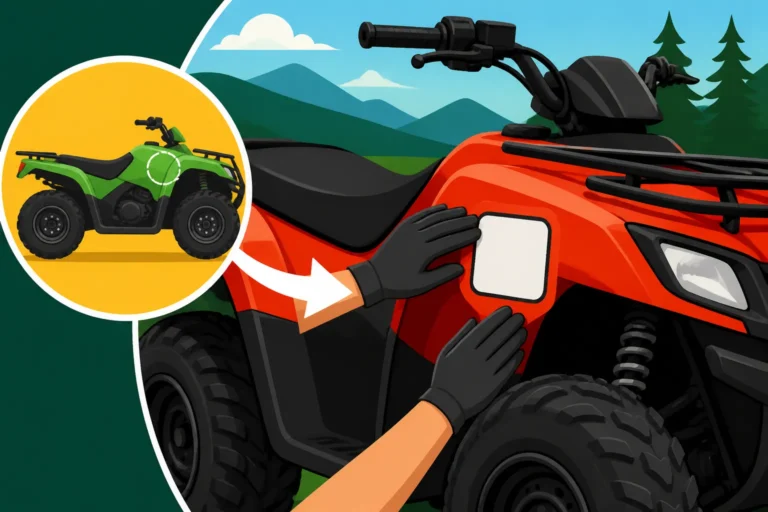
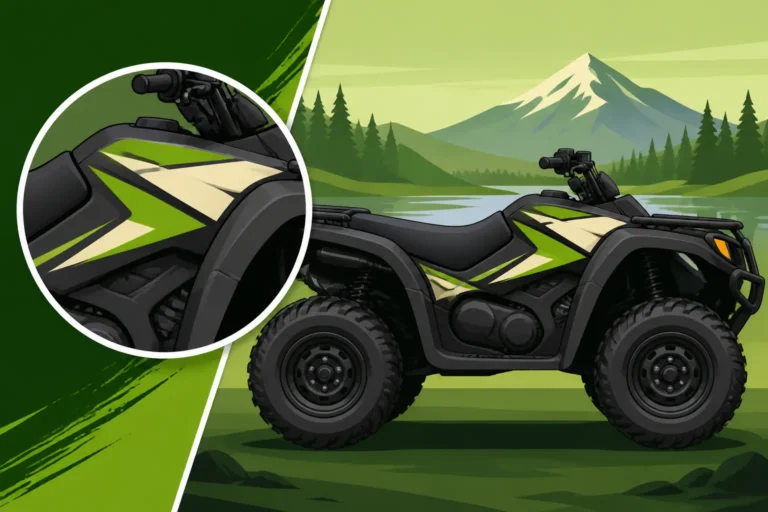
Once you've got that permit, you'll receive a physical decal that needs to be properly affixed to your child's youth quad. This decal needs to be clearly visible so that park rangers and other enforcement personnel can easily verify that the machine is permitted. For Class I ATVs, which most youth quads are, the decal is typically required to be placed on the right side of the machine, as viewed from the rear. This usually means on the right rear fender or a similar prominent, flat surface. You can find more specific guidelines about [Decal Placement on a Quad's Right Side].
It's important to clean the surface thoroughly before applying the decal to ensure good adhesion. Peeling decals can lead to issues, and you might even get stopped if your decal isn't clearly readable. Place it somewhere that won't be easily obscured by mud, dirt, or accessories like cargo bags. The goal is readability and permanence for the two years that the permit is valid. Taking a few extra moments to apply it correctly will save you potential headaches down the line.
Essential Considerations for Youth Quad Riding in Oregon
Getting the permit for your child's youth quad is a crucial first step, but it's just one piece of the puzzle for responsible and safe riding in Oregon. As parents, we have a bigger role to play in preparing our young riders, not just legally, but also in terms of their safety, education, and overall experience. The natural beauty of Oregon's riding areas demands respect, and our children are learning how to be good stewards of those lands from us.
Beyond the permit, there are other mandatory requirements and best practices that ensure both your child's safety and compliance with state regulations. Overlooking these can not only lead to fines but, more importantly, put your child at unnecessary risk. We want their time on the quad to be filled with positive memories, not preventable accidents or stressful encounters with enforcement.
Oregon's ATV Safety Education Card
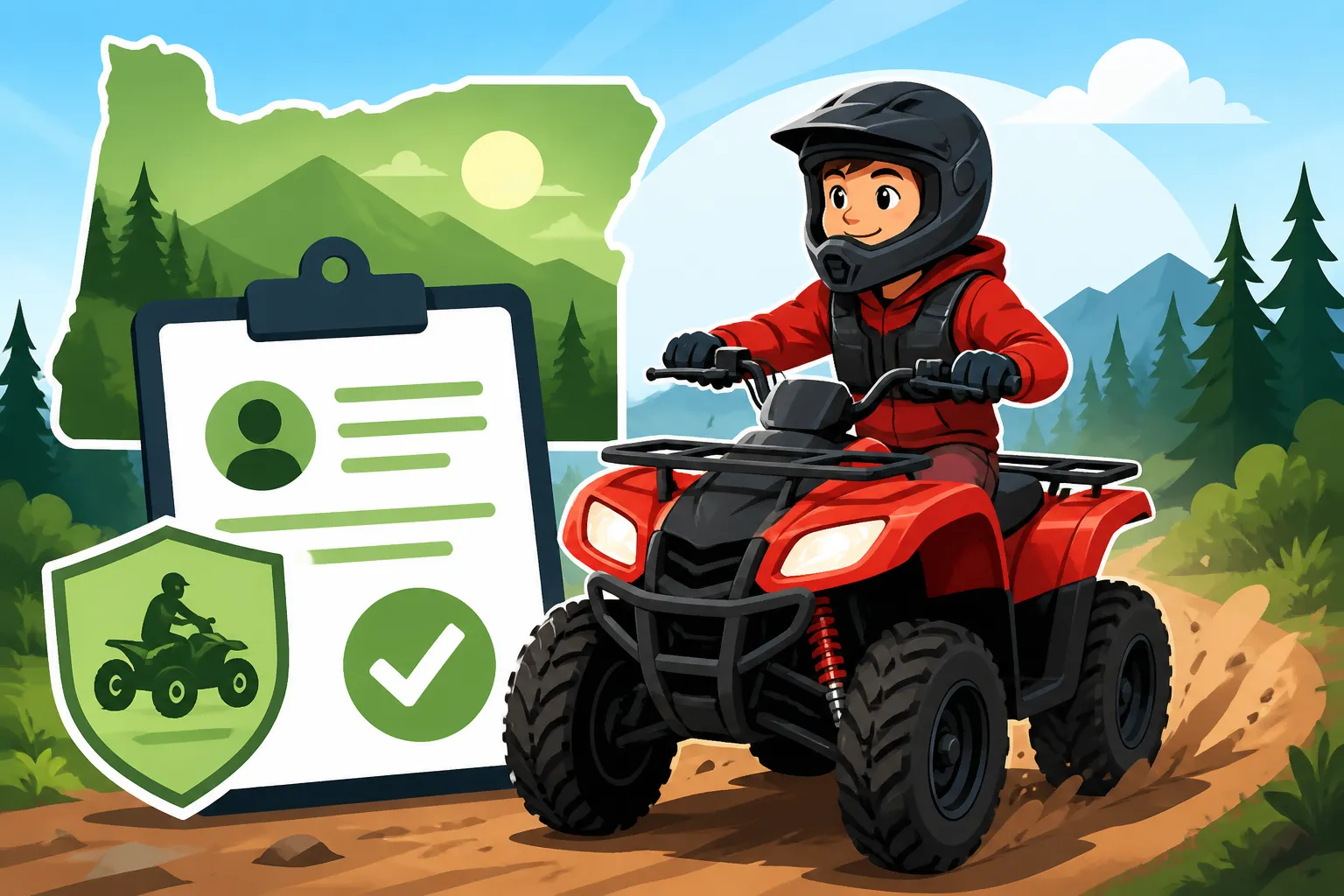
Beyond the machine itself needing a permit, your child, if they are under 16 years old, is legally required to carry an [Oregon's ATV Safety Education Card] when operating an ATV on public land. Even adult riders of Class I and Class III ATVs (which includes most youth quads) are required to have this card. This is a non-negotiable safety measure designed to ensure that all riders, especially youngsters, understand basic operating procedures, safety rules, and environmental considerations. It's a foundational piece of knowledge that dramatically reduces accident risk.
The good news is that the online course to obtain this card is free and accessible through the OPRD website. It covers essential topics like pre-ride inspections, safe riding techniques, risk awareness, and etiquette on the trails. After completing the online portion, riders under 16 must also complete a hands-on training component within 6 months to validate their instruction permit. This dual approach ensures both theoretical knowledge and practical skill. So, before you head out, make sure both the quad has its permit and your child has their safety card in hand. This is just as important as the permit itself for riders of a [Youth Quad].
Supervision and Protective Gear
Oregon has strict [Oregon Rules for Riders Under 16] regarding supervision. Children under the age of 16 operating an ATV on public land must be supervised by an adult (18 years or older) who also possesses a valid ATV Safety Education Card. This adult supervisor must be readily available and able to provide immediate assistance. This isn't just a recommendation; it's a legal requirement designed to keep young riders safe by ensuring experienced oversight.
Equally important is proper protective gear. Oregon law mandates that all ATV operators and passengers, regardless of age, wear a U.S. DOT-compliant helmet. But for youth riders, safety goes beyond just a helmet. Encourage and enforce the use of eye protection (goggles), long-sleeved shirts, long pants, gloves, and over-the-ankle boots. This full complement of gear provides crucial protection against impacts, abrasions, and debris. Remember, even slow-speed falls can result in serious injuries if the rider isn't properly protected. Making gear a non-negotiable part of every ride instills good habits early on.
Age-Appropriate Machines and Riding Areas
While many manufacturers market specific "youth quads," it's up to parents to ensure the machine truly fits their child's size, strength, and skill level. A quad that's too large or powerful for a child can be incredibly dangerous, leading to difficulty with control, braking, and balance. Look for machines where your child can comfortably reach the handlebars and foot controls, and where their feet can firmly touch the ground when seated. The ATV Safety Institute (ASI) offers excellent guidelines for matching riders to ATVs, often categorizing machines by age recommendations (e.g., 6-11, 12-15).
Furthermore, choose riding areas and trails that are appropriate for your child's skill level. Start with flat, open spaces or designated beginner loops before venturing onto more challenging terrain. Many [Oregon Dune Riding Areas Compared] and forest systems like Millican Valley offer a variety of trails, including easier routes perfect for youth riders. Always scout new areas first if possible, or consult trail maps and local knowledge to ensure the terrain isn't too difficult or hazardous. Gradually increasing the challenge as your child's skills improve is the safest and most effective way to build their confidence and ability.
Disclaimer
This article is for general informational purposes only and does not constitute professional advice. Laws, prices and regulations vary by location and change over time. Consult a qualified professional for guidance on your specific situation.