Oregon ATV Permit and Sales Tax
It's completely understandable to feel a bit lost in the shuffle when you're looking to buy an ATV or UTV in Oregon, especially when trying to figure out what you'll actually pay beyond the machine's sticker price. You're probably wondering about pesky sales tax and whether that Oregon ATV permit is going to hit your wallet harder than you expect. This guide is here to clear up the confusion around Oregon's ATV operating permit costs and the state's unique approach to sales tax, giving you a realistic picture of what to budget for.
Deciphering Oregon's ATV Operating Permit
One of the first things you'll encounter when you get a new (or new-to-you) off-highway vehicle in Oregon is the requirement for an ATV operating permit. This isn't just a suggestion; it's a mandatory decal for nearly every off-road machine used on public lands. It's a key part of how Oregon keeps its incredible riding areas maintained and accessible.
What the Permit Covers and Its Purpose
The Oregon ATV operating permit is essentially your ticket to ride on designated OHV areas across the state, from the sprawling Oregon Dunes to the dense trails of the Tillamook State Forest. This permit helps fund the maintenance of these trails, staging areas, and other facilities, ensuring future generations of riders can enjoy them too. It’s managed by the Oregon Parks and Recreation Department, which oversees the entire OHV program in the state. You might be surprised to learn that [Where Oregon Sells ATV Permits] are available at many convenient locations.
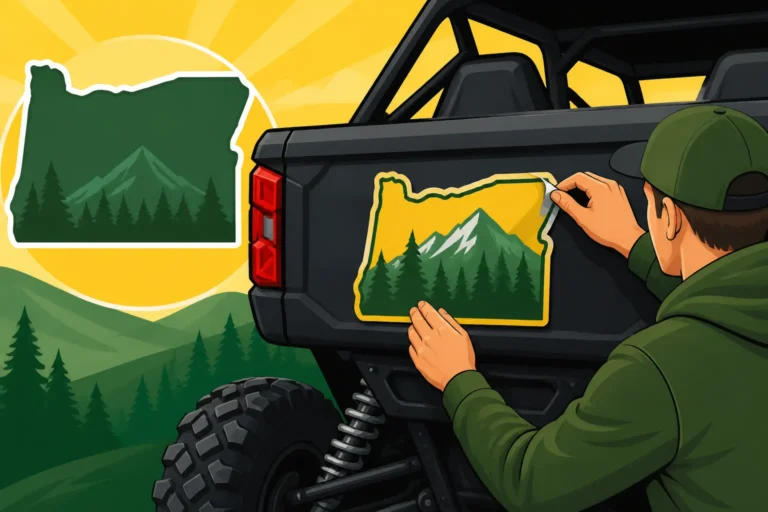
It's a two-year permit, which is a nice perk, meaning you're not scrambling to renew it annually. When you purchase it, you'll receive a decal that needs to be prominently displayed on your machine – but don't just stick it anywhere! There are specific rules for [Oregon Permit Decals and Where They Go] to ensure it's visible and properly affixed. This uniformity helps rangers and law enforcement quickly confirm your compliance when you're out enjoying the trails.
The Cost Structure of the Permit
Here's the good news: the cost of an Oregon ATV operating permit is refreshingly straightforward. Unlike some states where fees might vary based on your machine's size, weight, or even horsepower, Oregon keeps it simple. There's one flat fee for every class of ATV, UTV, dirt bike, or sand rail. Whether you're riding a nimble Class I quad or a beefy Class IV side-by-side, the price is the same. This applies regardless of the specific [Which Oregon ATV Class Your Machine Falls Into].
This consistency is a real blessing, as it removes any guesswork about what you'll pay for the permit itself. While I can't give you exact figures (those can shift over time), you can always find the current permit cost on the Oregon Parks and Recreation Department's official OHV program website or by asking at any of the authorized permit agents. It’s a nominal fee compared to the potential fines you could face if you're caught riding without it. [Oregon Fines for Riding Without a Permit] are definitely something you want to avoid.
Oregon's Unique Approach to Sales Tax
Now, let's tackle the sales tax elephant in the room. This is where Oregon truly stands apart from most other states, and it's fantastic news for anyone buying an ATV or UTV here.
Why Oregon Doesn't Charge Sales Tax
That's right – Oregon is one of a handful of states that does not have a statewide sales tax. This means when you walk into a dealership or buy an ATV from a private seller within Oregon, you won't see an additional percentage tacked onto the purchase price for sales tax. This applies to just about everything you buy, including big-ticket items like vehicles, boats, and, yes, your new off-road machine.
For many riders, this comes as a pleasant surprise, especially if they're used to buying vehicles in states with high sales tax rates. It means the price you negotiate with the seller or see advertised (plus any other specific fees like documentation fees from a dealer) is essentially what you'll pay, without that extra government levy. This makes budgeting for your new machine much simpler and can even save you a significant amount compared to purchasing in a neighboring state like Washington or California. It's one of the reasons [Titling an ATV in Oregon Is Optional] for off-road use, as the state doesn't rely on that system for sales tax collection.
What You Might Still Pay Beyond the Sticker Price
While you're free from sales tax, it's important to remember that buying an ATV or UTV isn't entirely "fee-free." Here's a quick rundown of what you might still encounter:
- Oregon ATV Operating Permit: As discussed, this is mandatory if you plan to ride on public lands.
- Dealer Documentation Fees: If you buy from a dealership, they often charge a fee for processing paperwork. These vary, so always ask upfront what their "out-the-door" price includes.
- Titling Fees (Optional): While not required for off-road use, you can choose to title your ATV in Oregon. There's a small fee for this, but many people find [Why an Oregon Title Is Worth Having Anyway] for proving ownership.
- Registration Fees (for Street-Legal Class II): If you happen to be one of the rare owners of a street-legal Class II machine (like some sand rails or dune buggies), you will pay registration fees to the DMV, but this is distinct from sales tax. [Registering a Street-Legal Class II in Oregon] is a separate process.
- Private Seller Transaction Costs: If buying used, you might incur costs for a lien search or a bill of sale. Using a service like LawDepot to generate a solid bill of sale or other necessary documents can be a smart, low-cost investment to protect both buyer and seller.
To help visualize, here's a table showing common financial considerations when acquiring an ATV in Oregon:
| Expense Type | Applies to Purchase in Oregon? | Notes |
|---|---|---|
| Sales Tax | NO | Oregon does not have a statewide sales tax on goods or vehicles. |
| Oregon ATV Permit | YES | Required for riding on public lands. A flat fee, regardless of machine class. |
| Dealer Doc Fees | YES (from dealers) | Charges from dealerships for processing sales paperwork. Varies by dealer. |
| Optional Titling Fee | YES (optional) | A small fee if you choose to get an Oregon title for your off-road machine. |
| DMV Registration | YES (for street-legal Class II) | Applies only to specific street-legal Class II vehicles that meet stringent requirements for road use. Distinct from OHV permit. |
| Lien Search Fees | YES (used machine) | Recommended when buying used to ensure no outstanding loans on the vehicle. |
| Bill of Sale Prep | YES (used machine) | Costs to generate a formal bill of sale, often minimal. Services like LawDepot can assist. |
| Private Seller Tax | NO | No sales tax even on private party sales. |
Out-of-State Purchases: What You Need to Know
This is where the sales tax conversation gets a little more nuanced. If you, as an Oregon resident, buy an ATV or UTV in another state, you might find yourself dealing with their sales tax.
Sales Tax Paid in Another State
If you buy your machine in a state that does have sales tax (which is most of them), you will typically pay that state's sales tax at the time of purchase, even if you intend to bring the machine back to Oregon. For example, if you find a great deal on a UTV in Washington, you'd pay Washington's sales tax when you buy it. Oregon generally doesn't "claw back" sales tax on items bought out-of-state and brought in, precisely because we don't have our own sales tax system to begin with.
The key takeaway here is to factor in the other state's sales tax rate when comparing prices. Sometimes a seemingly fantastic deal in a neighboring state might lose some of its luster once that sales tax is added.
Getting Your Permit After an Out-of-State Purchase
Once you bring your machine back to Oregon, the process for getting your ATV operating permit is exactly the same as if you bought it locally. You'll need proof of ownership (like a bill of sale – consider using LawDepot for a clean, legally sound document if you didn't get one from the seller) and your machine's Vehicle Identification Number (VIN).
You can take these documents to any authorized permit agent, or you can purchase your permit [Buying an Oregon Permit Online]. Remember, your machine needs this permit if you plan to ride it on public land, regardless of where you purchased it. [Oregon Rules for an Out-of-State Machine] are straightforward in this regard: get the permit once it's in Oregon.
Additional Considerations Beyond Tax and Permit
Beyond the direct costs of the permit and understanding the sales tax situation, there are a few other important details to keep in mind when acquiring an ATV or UTV in Oregon.
Proof of Ownership and Titling
Even though titling an ATV for off-road use is optional in Oregon, having clear proof of ownership is crucial. This is especially true when buying a used machine from a private seller. A robust bill of sale is your best friend here. It should include the buyer's and seller's names and addresses, the sale date, the purchase price, and a detailed description of the ATV, including its make, model, year, and VIN.
Without an official title, a well-drafted bill of sale becomes your primary document for proving you legally own the machine. This helps if you ever need to report it stolen, insure it, or sell it yourself down the road. Services like LawDepot offer templates for bills of sale that can simplify this process and give you peace of mind. It also helps prevent issues down the road, such as trying to permit a machine that doesn't actually belong to you.
Insurance Requirements
While an Oregon ATV operating permit doesn't automatically include insurance, it's a vital consideration for every rider. Oregon mandates liability insurance for specific types of off-highway vehicles: those designated as Class II ATVs. These are typically larger, heavier vehicles that might also be legally registered for limited street use. [Insurance and Oregon Class II Machines] is not just a good idea, it's the law for these particular machines.
For other classes (Class I quads, Class III dirt bikes, Class IV side-by-sides not registered for road use), insurance is not legally required by the state for off-road operation. However, carrying insurance is always a smart move. It protects you financially in case of an accident, damage to your machine, or injury to yourself or others. Many homeowners' policies offer ATV riders or OHV policies as an add-on, so it's worth checking with your insurance provider.
Staying Informed About Regulations
The world of OHV riding in Oregon is dynamic, with regulations occasionally changing, particularly concerning designated riding areas, open seasons, and environmental restrictions. While the core permit and sales tax rules tend to be stable, keeping an eye on updates from the Oregon Parks and Recreation Department and the U.S. Forest Service (for federal lands) is always a good practice. [The Oregon Parks and Recreation Department's Role] goes beyond permits; they are a key resource for current riding rules.
Before heading out for a ride, it's always wise to check the specific area you plan to visit for any temporary closures, fire restrictions, or other alerts. Being a responsible rider means more than just having your permit and no sales tax surprises – it means respecting the land and the rules that keep it open for everyone.
Disclaimer
This article is for general informational purposes only and does not constitute professional advice. Laws, prices and regulations vary by location and change over time. Consult a qualified professional for guidance on your specific situation.