A 3,500-Pound Dry Weight Limit
You've heard whispers about a 3,500-pound dry weight limit for ATVs and UTVs in Oregon, and maybe you're scratching your head wondering if your shiny new side-by-side fits the bill or if your trusty older machine is suddenly out of compliance. It's a common point of confusion, and frankly, Oregon's rules, while well-intended, can feel a bit like a puzzle sometimes. This guide is here to untangle the specifics of that 3,500-pound limit, clarify exactly which machines it applies to, and help you understand how your off-road vehicle fits into Oregon's unique classification system.
Understanding Oregon's ATV Classification System
Before we dive into the nitty-gritty of weight limits, it's really helpful to understand how Oregon categorizes its off-highway vehicles (OHVs). Unlike some states that might lump everything under one "ATV" umbrella, Oregon has a distinct system with four primary classes, each with its own set of rules, definitions, and, yes, weight considerations. This classification system is foundational to everything from permitting to where you can ride. If you've ever felt overwhelmed by the various acronyms and numbers, you're not alone.
The Four Classes and Their Distinctions
Oregon breaks down OHVs into four main classes, and each one is defined by a combination of width, weight, and seating configuration. It's not just about how many wheels you have; it's about the entire package. We're talking about everything from the nimble quads to the bigger, more robust side-by-sides. Knowing your machine's class is the very first step in understanding all the rules that apply to you. It's like knowing whether your vehicle is a car or a truck – it dictates everything else. For a full rundown, you might want to check out [Oregon's Four ATV Classes Explained].
Here's a quick overview of what generally falls into each class:
- Class I: These are your traditional quads, typically under 50 inches wide, designed for a single rider or with a passenger seat behind the operator. They generally have handlebars for steering.
- Class II: This is where our 3,500-pound limit really comes into play. These are often vehicles that can be legally registered for street use, like dune buggies, Jeeps, or customized vehicles. They typically have a steering wheel and can often carry multiple passengers.
- Class III: These are your off-road motorcycles, commonly known as dirt bikes. They're designed for a straddle seat and have two wheels.
- Class IV: The popular side-by-sides (SxS or UTVs) primarily fall into this category. They are generally less than 75 inches wide, have a steering wheel, non-straddle seating, and are designed to carry passengers side-by-side.
Each class has specific definitions under Oregon law, and these definitions are what dictate everything from permit requirements to safety gear. It's a carefully structured system designed to keep everyone safe and trails accessible.
Why Weight Matters in Oregon
You might wonder why the state cares so much about how much your machine weighs. It's not just a random number. Weight, along with width and seating, helps Oregon classify vehicles for a few critical reasons. Heavier vehicles can have different impacts on trails, require different safety considerations, and often have different operational characteristics. For instance, a lightweight dirt bike has a very different footprint and handling dynamic than a heavy, multi-passenger side-by-side or a street-legal dune buggy.
Oregon's intent with these classifications is to ensure that vehicles are regulated appropriately for their capabilities and potential impacts. The weight limits help define the line between what's considered a typical off-highway recreational vehicle and something that might require different oversight, especially if it's going to share public roads. The classifications are meant to keep everyone, from riders to other trail users and even the environment, safe. You can find more detail on all the [Dry Weight Limits by Oregon Class].
The 3,500-Pound Dry Weight Limit: What It Means for You
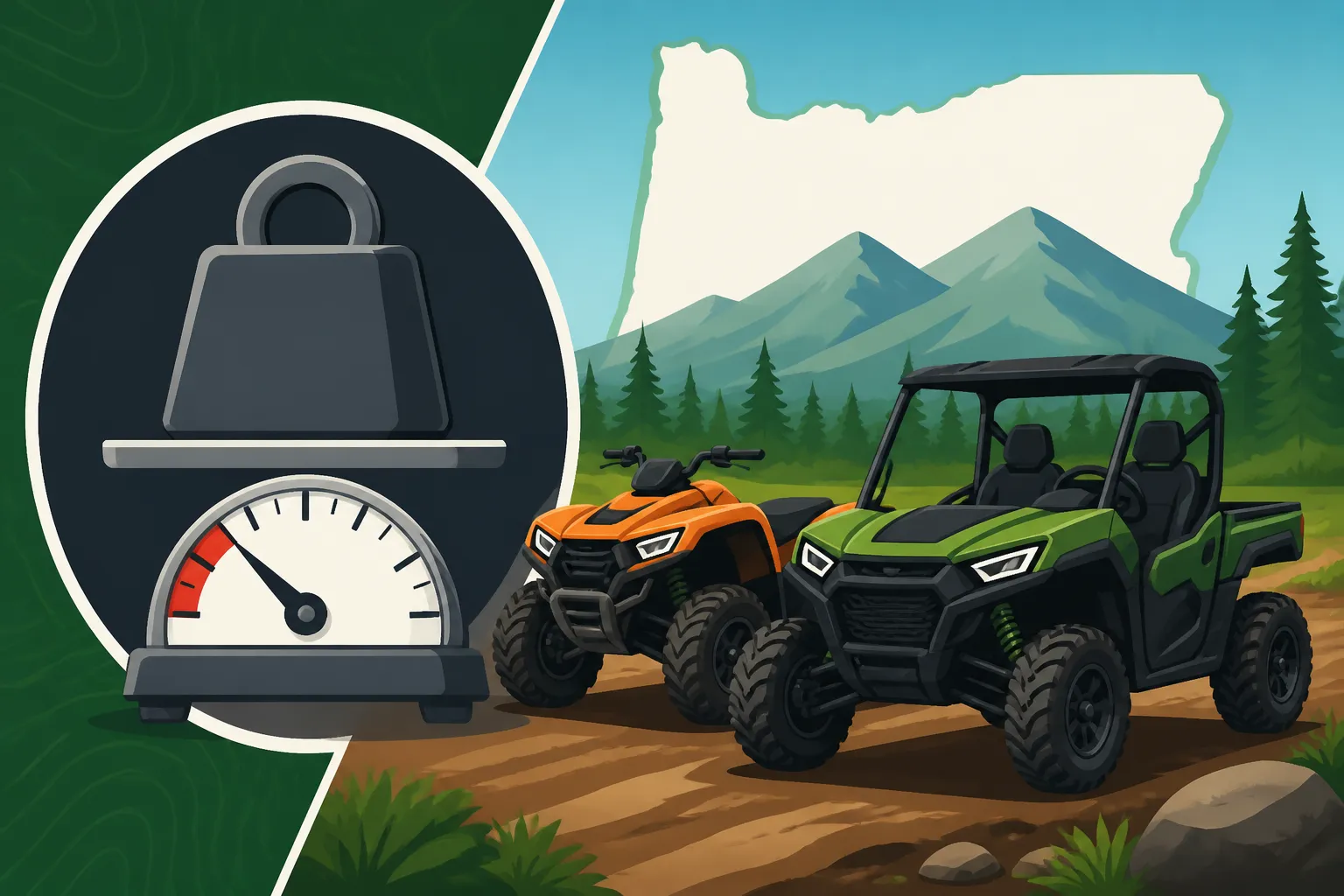
Now, let's get to the heart of the matter: that 3,500-pound dry weight limit. It's not a blanket restriction on all ATVs or UTVs in Oregon. Instead, it's a specific characteristic used to define one particular class of off-highway vehicles – Class II. This distinction is crucial because it means that if your machine falls into a different class (like a traditional quad or a side-by-side), this specific weight limit doesn't directly apply to its classification, though other limits certainly do.
Class II Machines: The Home of the 3,500-Pound Limit
The 3,500-pound dry weight limit in Oregon is a key defining characteristic for Class II all-terrain vehicles. These are generally your "other" off-road vehicles that don't fit neatly into the Class I (quads), Class III (dirt bikes), or Class IV (side-by-sides) categories. Think about machines like custom-built dune buggies, sand rails, or even some modified Jeeps or low-speed vehicles that are primarily used off-road but have the potential for limited street use.
Under Oregon law, [Oregon's Class II Under ORS 801.193] specifically describes these vehicles as having a dry weight of 3,500 pounds or less. They also feature a steering wheel, have a non-straddle seat (like a bench or bucket seat, similar to a car), and are designed for off-road use. This particular combination of features – especially the steering wheel, non-straddle seat, and that critical 3,500-pound weight cap – sets them apart. If your machine meets these criteria, it's likely a Class II, and you need to be aware of the specific rules that govern this category. This might include mandatory insurance if it's street-registered, which is a big difference from other classes.
Beyond 3,500 Pounds: When Your Machine Isn't an ATV
So, what happens if your vehicle exceeds that 3,500-pound dry weight limit? If your machine has a steering wheel and non-straddle seating but weighs more than 3,500 pounds, it simply won't be classified as an Oregon Class II all-terrain vehicle. At that point, it steps out of the specific OHV classification system altogether and is typically considered a conventional motor vehicle. This means it would fall under standard Oregon Department of Transportation (DMV) rules for cars, trucks, or other specialized vehicles.
This distinction is extremely important because it changes everything about how the vehicle is registered, insured, and operated. It wouldn't require an [Oregon's ATV Operating Permit], for example, but would instead need standard vehicle registration and titling through the DMV, along with all the accompanying road safety equipment and licensing requirements. For example, a heavy-duty expedition-style buggy or a full-sized pickup truck modified for off-road use would simply be treated as a regular vehicle for registration purposes, even if its primary use is off-road. You wouldn't be able to ride it in areas designated exclusively for Class I, III, or IV ATVs and UTVs. It's a clear line that Oregon draws, designed to separate dedicated recreational OHVs from more traditional vehicles, even if both might see dirt.
| Oregon ATV Class | General Description | Max Width (Inches) | Max Dry Weight (Pounds) | Steering | Seating |
|---|---|---|---|---|---|
| Class I | Quads, ATVs | 50 | – | Handlebars | Straddle (1 or 2) |
| Class II | Dune Buggies, Sand Rails, Street-Legal ATVs | – | 3,500 | Wheel | Non-straddle |
| Class III | Off-Road Motorcycles (Dirt Bikes) | – | – | Handlebars | Straddle (1) |
| Class IV | Side-by-Sides (UTVs, SxS) | 75 | – | Wheel | Non-straddle |
Note: For Classes I, III, and IV, specific weight limits beyond the Class II definition exist within Oregon's administrative rules, but the 3,500-pound figure is unique to Class II for defining its maximum. [Oregon ATV Width Limits by Class] provides additional context on width definitions.
Practical Implications of the 3,500-Pound Dry Weight Limit
Understanding that 3,500-pound dry weight limit for Class II machines isn't just about knowing what's what; it has real, tangible consequences for how you own and operate your off-road vehicle in Oregon. These implications touch on everything from where you can legally ride to what kind of paperwork you need to carry, and even how you might insure your pride and joy. It's about blending the worlds of off-road recreation with the more structured requirements of public road use.
Street Legal Exceptions and Insurance
One of the most significant practical implications of having a Class II vehicle that meets the 3,500-pound dry weight limit is its potential for street legality. While most ATVs and UTVs (Class I, III, and IV) cannot be registered for general street use in Oregon, Class II machines are the notable exception. Because they're defined more like traditional motor vehicles (steering wheel, non-straddle seating), they can be registered with the Oregon DMV, making them street-legal if they meet all the other applicable equipment and safety requirements. This opens up possibilities for connecting trails via public roads or even cruising into town for supplies. If you're considering this, you'll want to read up on [Registering a Street-Legal Class II in Oregon].
However, this street-legal status comes with a critical requirement: mandatory liability insurance. Unlike other OHV classes which don't always require insurance for off-road use, a street-legal Class II machine must carry valid liability insurance, just like any other car or truck on Oregon's roads. This is a non-negotiable part of the package. It's there to protect you and others in case of an accident while operating on public roadways. This distinction is vital for anyone considering making their Class II machine road-ready. For more details on these requirements, check out [Oregon Insurance Requirements for Class II].
Paperwork and Ownership Proof
Whether your Class II machine is strictly off-road or enjoys some street time, having proper documentation is always paramount. While [Titling an ATV in Oregon Is Optional] for most OHVs used exclusively off-road, having a title is highly recommended, especially for Class II vehicles. A title serves as concrete proof of ownership and can prevent countless headaches down the line, particularly if you ever plan to sell your machine or need to register it for street use. For a Class II machine that can be street legal, a title makes that process much smoother.
Beyond the title, a comprehensive bill of sale is also incredibly important. If you buy or sell a Class II vehicle, this document formalizes the transaction and acts as a record of transfer. This is true whether your machine is used only off-road or you're dreaming of cruising through town. For individuals looking for reliable templates for these kinds of documents, services like LawDepot can be incredibly helpful, offering customizable legal forms for various transactions. Having a solid paper trail is essential for protecting yourself as an owner and ensuring clear ownership, especially for machines that cross the line between purely off-road and potentially street-legal. Even without a title, a strong bill of sale goes a long way towards [Proving Ownership Without a Title].
How to Verify Your Machine's Dry Weight
Knowing your machine's dry weight is crucial for accurately classifying it and ensuring you're compliant with Oregon's rules, especially if you suspect it might fall into that Class II category. You don't want to guess, only to find out later that you've misinterpreted the regulations. Getting this right saves you potential hassle and ensures you're riding legally and safely.
Manufacturer Specifications: The First Stop
The easiest and most reliable place to start when trying to determine your machine's dry weight is the manufacturer's specifications. Most manufacturers will clearly list the dry weight of their vehicles in the owner's manual, on their official website, or sometimes even on a data plate attached to the vehicle itself. "Dry weight" typically refers to the weight of the vehicle without fuel, oil, coolant, or any aftermarket accessories, and definitely no rider. It's the base weight of the machine as it rolls off the assembly line.
When you're looking up these specifications, make sure you're finding the exact model and year of your specific machine. Small differences in engine size, trim levels, or even minor design changes between model years can subtly affect the dry weight. Don't assume that all machines of a certain model weigh the same. Always double-check and keep a record of these specs – it can be invaluable proof if you ever need to clarify your machine's classification with an authority. This information is usually readily available and should be your first point of reference.
Weighing Your Machine: When Specs Aren't Enough
Sometimes, manufacturer specifications might be hard to find, especially for older machines, custom builds, or if you've made significant modifications that could affect the weight. In these situations, or if you simply want absolute confirmation, physically weighing your machine might be the best option. This isn't always as simple as it sounds, but it's certainly doable with a bit of effort.
You can often find public or commercial scales at truck stops, recycling centers, or even agricultural co-ops. When you weigh your machine, try to remove as much non-essential gear as possible to get closer to that "dry weight" figure. This means emptying fuel tanks, removing toolboxes, spare tires, winches, and any other accessories that weren't part of the original factory build. You'll likely need a trailer to transport your machine to the scale, so factor in weighing the trailer empty and then with the machine to accurately calculate the machine's weight by subtraction. Remember, it's about the vehicle itself, not the fully loaded setup you take to the trails. Getting an accurate weight can be crucial for machines on the cusp of that 3,500-pound limit or for older models where documentation is sparse. It can also be very useful if you are [Buying a Used Quad in Oregon] where the previous owner might not have meticulous records. Even [Checking a VIN Before Buying Used] might not always give you the exact dry weight if a lot of customization has happened.
Disclaimer
This article is for general informational purposes only and does not constitute professional advice. Laws, prices and regulations vary by location and change over time. Consult a qualified professional for guidance on your specific situation.