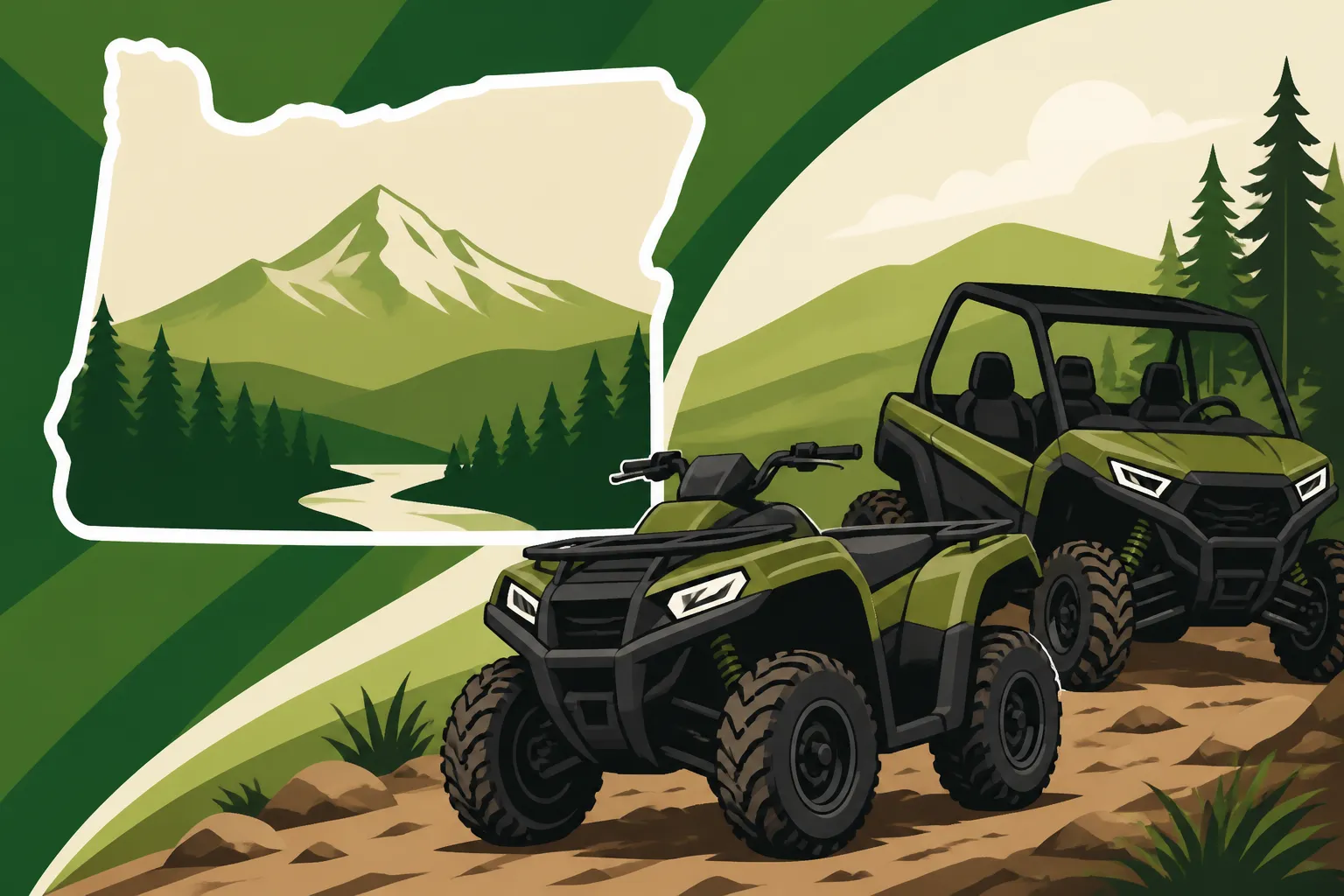
Oregon’s Class I Under ORS 801.190
Navigating the world of off-highway vehicles in Oregon can feel like trying to solve a puzzle, especially when you start digging into the legal definitions. So many riders get tangled up trying to figure out if their beloved quad actually fits the state's classification system, and what that means for where they can ride and what permits they need. This guide is here to untangle the confusion surrounding Oregon's Class I All-Terrain Vehicles (ATVs) as defined by ORS 801.190, helping you understand exactly what makes a quad a Class I machine and why that definition is so important for your riding adventures.
Decoding ORS 801.190 – What Defines a Class I ATV?
When you talk about an "ATV" in casual conversation, chances are you're picturing what Oregon's legal system defines as a Class I machine. But the law is precise, and understanding those precise details is absolutely key to staying compliant and enjoying the trails without unexpected hiccups. ORS 801.190 lays out the foundational characteristics that distinguish these popular off-road vehicles from other machines.
The Core Characteristics of a Class I Machine
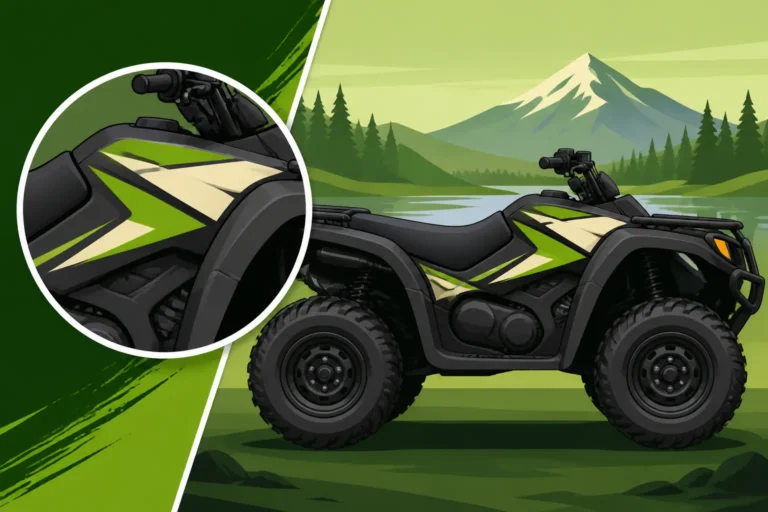
At its heart, a Class I ATV is defined by a few very specific design elements. The most prominent are its seating and steering mechanisms. We're talking about a vehicle that's designed to be ridden by an operator on a "straddle seat." Think of it like sitting on a horse or a motorcycle – your legs are on either side of the vehicle's body. This isn't a bench seat where you might sit next to someone, nor is it a bucket seat like in a car. It's built for a very specific, active riding posture.
Coupled with that straddle seat, a Class I ATV must also be steered by "handlebars." This is another critical distinction. If your machine has a steering wheel, it's immediately disqualified from being a Class I ATV, pushing it into other categories entirely. This combination of a straddle seat and handlebars is what makes a quad a quad in the eyes of Oregon law. These design choices directly influence the rider's experience, balance, and control, which in turn informs safety regulations and appropriate trail design.
These core characteristics are more than just technicalities; they reflect the intended use and operational style of the machine. The straddle seat allows for dynamic body English, shifting weight to navigate terrain, while handlebars provide direct, intuitive steering input. It’s a design optimized for single-rider off-road agility and responsiveness, differing significantly from the more stable, often multi-passenger experience of a side-by-side or the street-oriented nature of other vehicle types.
Weight and Width Limits for Class I
Beyond the seating and steering, Class I ATVs also have strict limits on their physical dimensions: namely, their dry weight and overall width. According to ORS 801.190, a Class I ATV cannot exceed 1,200 pounds in dry weight. "Dry weight" here refers to the weight of the vehicle without fuel, lubricants, or coolant. This is an important distinction, as the weight can fluctuate once fluids are added, but the legal definition relies on that baseline dry weight. Exceeding this limit means your machine might fall into a different class, even if it has a straddle seat and handlebars.
Equally crucial is the width limit: a Class I ATV cannot be wider than 50 inches. This measurement is taken from the widest point of the vehicle, typically across the tires. This 50-inch rule is perhaps one of the most significant factors for riders, as many trails on public lands are specifically designed with this width in mind. Trails might be blocked off by posts, trees, or boulders to prevent wider vehicles from entering, preserving the trail for narrower machines and preventing excessive wear and tear.
These limits are not arbitrary; they are critical for trail management and safety. The 50-inch width allows Class I ATVs to navigate tighter, more technical trails that might be impassable for wider machines like many side-by-sides. This also helps to manage environmental impact, as narrower vehicles often create less disturbance on sensitive terrain. Riders frequently modify their machines with wider aftermarket suspension components, but it's essential to remember that such modifications can inadvertently push a machine out of the Class I definition, potentially restricting where it can legally be ridden.
Engine Size and Usage – What ORS 801.190 Doesn't Specify
One interesting aspect of Oregon's Class I definition is what it doesn't specify: engine size. Unlike some other states or classifications, ORS 801.190 focuses purely on the physical attributes of the machine – the straddle seat, handlebars, weight, and width. Whether your quad has a 90cc engine or a powerful 700cc engine, if it meets the physical criteria, it's still considered a Class I ATV. This is a common point of confusion for new riders who might assume bigger engines mean different classifications.
What the statute does imply through these definitions is the intended usage: off-road. A Class I ATV, by its very nature, is designed and legally categorized as an off-highway vehicle. While there are specific and rare exceptions for some off-road vehicles to gain limited street legality in Oregon (often pushing them into the Class II category or requiring extensive modifications), the default for a Class I machine is that it is not street-legal. Its place is on designated trails, dunes, and other approved off-road areas.
This focus on physical design over engine displacement highlights Oregon's approach to OHV regulation: it's about the vehicle's form factor and its potential impact on trails and other users, rather than its raw power output. You could have a high-performance racing quad or a smaller recreational model, but as long as it adheres to the straddle seat, handlebars, and the 1,200-pound/50-inch limits, it remains a Class I ATV.
Why Class I Matters for Oregon Riders
Understanding your machine's classification isn't just a legal nicety; it has direct, real-world implications for your riding experience in Oregon. From what permits you need to where you can actually take your quad, the Class I designation shapes nearly every aspect of your off-road adventures. Ignoring these details can quickly turn a fun day into a frustrating or even costly one.
Permit Requirements for Class I ATVs
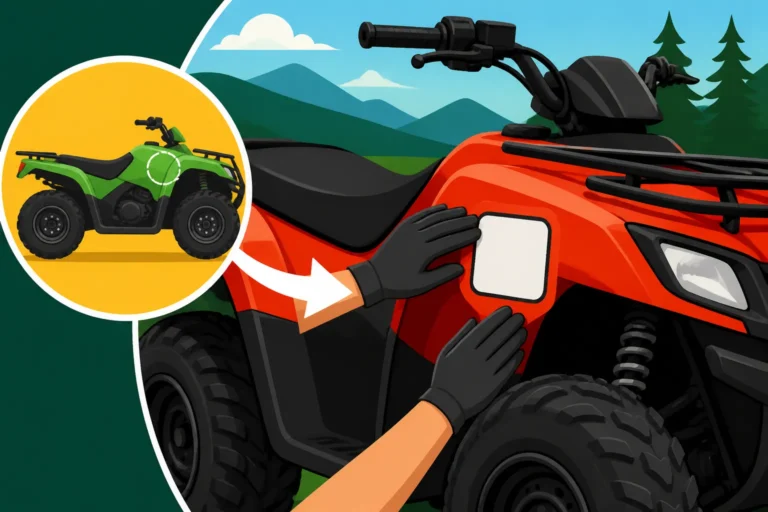
One of the most immediate and significant impacts of owning a Class I ATV is the mandatory [Oregon's ATV Operating Permit]. Every single Class I ATV, regardless of its age, size, or how often you ride it, must display a valid Oregon ATV operating permit decal if you plan to operate it on public lands, trails, or open riding areas within the state. This is not optional for Oregon residents or for visitors after a short grace period.
This permit isn't just a sticker; it's your ticket to legal riding and contributes to maintaining the very trails you enjoy. The permit ensures that funds are allocated to the [Oregon Parks and Recreation Department's Role] in managing OHV recreation. Without a current permit, you risk serious fines if you're encountered by law enforcement or park rangers. It's easy enough to get one, either online or through one of the many [Oregon Permit Agents You Can Walk Into], and they last for [How Long an Oregon ATV Permit Lasts], which is a full two years from the month of purchase. Knowing the [Oregon ATV Permit Cost] upfront helps you budget for your riding.
Safety Education Card and Age Restrictions
Beyond the machine itself needing a permit, the rider of a Class I ATV also has requirements, primarily concerning the [Oregon ATV Safety Card Requirements]. In Oregon, every rider, regardless of age, must possess a valid ATV Safety Education Card to operate a Class I ATV on public lands. This is a crucial distinction from some other states where only youth riders need a card. For Oregon, if you're riding publicly, you need the card.
There are specific rules for riders under 16, including supervision requirements and limits on engine size related to age. While adults also need the card, the path to getting it is flexible, offering both online courses and hands-on training options. This card is designed to ensure that all operators have a baseline understanding of safe riding practices, environmental responsibility, and the rules of the trail. The good news? The online course is typically free, making it accessible for everyone.
It's tempting to think that years of riding experience are enough, but Oregon law is clear: the safety card is mandatory. If you get stopped on a trail and don't have your card (or a driver's license for those who qualify to use it in its place, but typically for Class IV vehicles), you could face a citation. Keeping a digital or physical copy of your card readily available when you ride is just as important as having your permit decal affixed to your quad.
Trail Access and Restrictions for Class I
Perhaps the most direct impact of the Class I definition on your riding is related to trail access. Remember that 50-inch width limit? It's not just a number on paper; it actively determines where you can and cannot go. Many of Oregon's most exciting and scenic trails in areas like the Tillamook State Forest or parts of Millican Valley are specifically maintained as 50-inch trails, which means only Class I ATVs and Class III off-road motorcycles can fit.
If your machine exceeds 50 inches in width – even by an inch – you might find yourself facing physical barriers, signs prohibiting wider vehicles, or even fines if you attempt to force your way down a restricted trail. This distinction helps land managers categorize trails and provide diverse experiences. It also plays a vital role in protecting the integrity of the trail system, preventing damage that wider, heavier vehicles might cause on narrower paths designed for lighter machines.
So, before you head out, always check the specific regulations and trail maps for your chosen riding area. Understanding the width of your machine in relation to the posted limits is crucial. This proactive approach ensures you're riding responsibly and within the law, helping to preserve access for all types of OHV enthusiasts and avoiding the frustration of being turned away from a trail you were eager to explore.
Comparing Class I to Other Oregon ATV Classifications
Oregon's OHV classification system has four distinct categories, and while they all involve off-road vehicles, their definitions are precise and lead to very different implications for riders. It's easy to get them mixed up, especially with the wide variety of machines available today, but knowing the exact differences from Class I is vital for legal and safe operation.
Class I Versus Class III Off-Road Motorcycles
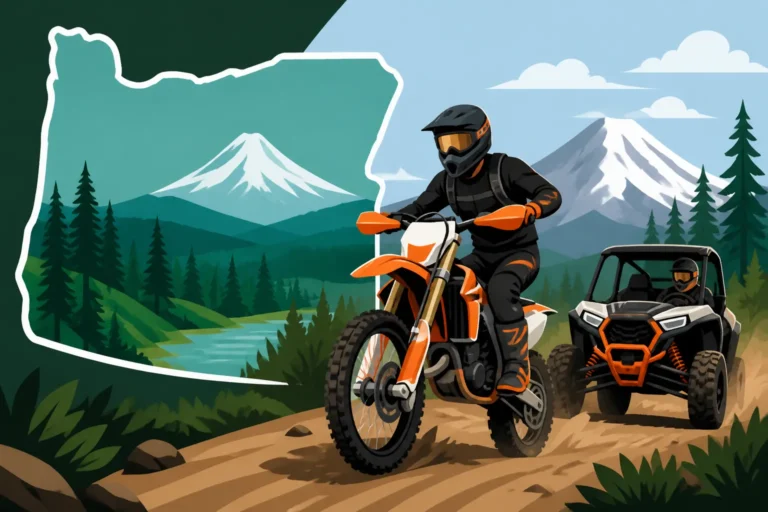
When it comes to two-wheeled machines, Oregon uses the Class III designation for off-road motorcycles, commonly known as dirt bikes. The fundamental difference here is quite obvious: a Class I ATV has four wheels, while a Class III has two. Both are typically designed for single riders, share a straddle seat, and are steered by handlebars. They are also both primarily off-highway vehicles, requiring an [Oregon ATV Operating Permit] when ridden on public land.
However, their handling characteristics and the types of trails they excel on can differ significantly. Class III motorcycles are often favored for more technical, single-track trails that require exceptional balance and agility. While many trails accommodate both Class I and Class III machines, some very narrow single-track trails might be too tight even for a 50-inch quad, being specifically designed for dirt bikes. This separation ensures that trail designers can create specialized experiences for each type of machine, minimizing conflict and maximizing fun.
Class I Versus Class IV Side-by-Sides (SxS)
This is where the most common confusion arises, as side-by-sides (SxS) or UTVs (Utility Terrain Vehicles) have exploded in popularity. Oregon defines these as Class IV ATVs. The key differentiators from Class I are explicit. Class IV machines have a steering wheel, not handlebars. They also feature non-straddle seating, meaning you'll find bench seats or bucket seats, allowing the operator and passengers to sit side-by-side (hence the name). They are also almost always wider than 50 inches and typically exceed the 1,200-pound dry weight limit of a Class I machine. For a deeper dive, check out [Oregon Class I Versus Class IV].
The implications of this distinction are profound. Due to their width, Class IV machines are restricted from many of the narrower trails designed for Class I ATVs and Class III motorcycles. This means a Class IV machine might have access to wider forest roads, designated utility vehicle trails, or large open riding areas like the dunes, but will be barred from many of the technical forested trails. Riders of Class IV machines often need to consult specific maps for trails marked for "all vehicles" or "UTV trails," which are usually wider.
Understanding that your side-by-side is a Class IV and not a Class I prevents the frustration of showing up to a trailhead only to find you can't access it. This legal separation also ensures that riders know what to expect on different trails; you won't typically encounter a wide, multi-passenger side-by-side on a tight, twisty quad trail, which contributes to rider safety and less congestion. If you're wondering which class your machine falls into, focusing on whether it has handlebars and a straddle seat or a steering wheel and bench/bucket seats is usually the quickest way to tell. If it's the latter, you're likely dealing with [Oregon's Class IV Side-by-Sides Under 75 Inches].
Why Oregon's Class II Is Different
The Class II designation in Oregon is unique and often misunderstood by the average off-road enthusiast. Unlike Class I, III, or IV machines, which are inherently off-highway vehicles, Class II ATVs are vehicles that are actually street-legal. These typically include specific types of dune buggies, sand rails, or other custom-built off-road vehicles that have been modified and registered to meet highway safety standards. This is a very niche category, and it's essential to recognize that a standard Class I quad cannot simply become a Class II machine by adding lights and a horn.
A Class I ATV is designed for the dirt, period. While a Class II might share some off-road capabilities, its primary legal characteristic is its ability to operate on public roads and highways, which comes with an entirely different set of registration, insurance, and equipment requirements. For instance, [Insurance and Oregon Class II Machines] is mandatory, whereas it's not for pure off-road Class I machines. The conversion process is complex, involving vehicle inspection and adhering to all relevant Motor Vehicle Division (DMV) regulations, which are far more stringent than those for an off-road permit.
The key takeaway here is that if you own a standard quad, it's a Class I machine, and it's not street-legal. Don't confuse its capabilities with the possibility of highway use unless it explicitly fits the very narrow definition and extensive requirements for a Class II vehicle under [Oregon's Class II Under ORS 801.193]. Attempting to ride a Class I machine on public roads without meeting the full Class II criteria and registration can lead to significant legal trouble.
Practical Implications for Class I ATV Owners
As a Class I ATV owner, knowing the legal definition is just the first step. The real-world implications touch everything from how you prove ownership to how you maintain your machine, and even how you avoid unforeseen fines. Staying informed on these practical matters can save you headaches and ensure your riding remains enjoyable and hassle-free.
Buying and Selling a Class I ATV in Oregon
When you're buying or selling a Class I ATV in Oregon, it's essential to understand the state's unique rules, especially concerning titles. Unlike many states where a title is mandatory for ownership transfer, [Titling an ATV in Oregon Is Optional]. This means you might buy a quad that has never had an Oregon title issued. While this flexibility exists, it also places a greater responsibility on the buyer and seller to ensure clear ownership.
For both parties, drafting a comprehensive bill of sale is crucial. This document should include the VIN (Vehicle Identification Number), the buyer's and seller's information, the purchase price, and the date of sale. A good bill of sale acts as your proof of ownership, especially if no title exists. You might even consider using a service like LawDepot to generate a legally sound bill of sale, ensuring all the necessary details are included and protecting both parties. Before you buy, always check the VIN against a stolen vehicle database and verify it matches any existing paperwork. [Buying a Used Quad in Oregon] can be straightforward, but due diligence is key. Similarly, if you're [Selling an ATV in Oregon], providing a clear chain of ownership and a detailed bill of sale protects you from future disputes.
Even though titling is optional, many owners still choose to get one. A title provides indisputable proof of ownership, which can be invaluable in cases of theft, when crossing state lines, or if you ever decide to sell the machine outside of Oregon. While it's not required to ride on public lands with a permit, having a title can simplify future transactions and provide peace of mind.
Maintenance and Modifications for Class I
Maintaining your Class I ATV to keep it running smoothly is a given, but it's also important to ensure any modifications don't inadvertently change its classification or violate regulations. For instance, while upgrading suspension for better performance is common, installing wider A-arms or wheel spacers could push your quad's width beyond the 50-inch Class I limit. If this happens, you might find yourself legally restricted from trails that are specifically designated for 50-inch machines.
Beyond physical dimensions, other essential maintenance aspects affect legality on Oregon trails. Every ATV operated on public land in Oregon must be equipped with a U.S. Forest Service-approved [Oregon Spark Arrester Requirement]. This is a safety device designed to prevent sparks from escaping your exhaust and potentially starting wildfires, especially critical during dry seasons. Regular inspection and cleaning of your spark arrester are vital for both safety and compliance.
Additionally, [Oregon Sound Limits for ATVs] are strictly enforced. Oregon sets limits on the decibel level your ATV can produce, typically requiring it to be 99 decibels or less when tested at half the engine's maximum RPM. Aftermarket exhaust systems are popular for performance, but it's critical to ensure they meet Oregon's sound limits. Riding with an excessively loud exhaust can not only be a nuisance to other trail users and nearby residents but can also result in fines and restrictions on your riding. Always ensure your machine is in good working order and meets these environmental and safety standards.
Avoiding Common Misconceptions and Fines
Riding a Class I ATV in Oregon can be incredibly rewarding, but it's also ripe for misunderstandings that can lead to fines. One of the most common pitfalls is riding without a valid [Oregon's ATV Operating Permit] or a current [Oregon ATV Safety Card Requirements]. Many riders, especially those new to Oregon or visitors, might assume their out-of-state registration is sufficient or that adults don't need a safety card. These assumptions are incorrect and can quickly lead to an [Oregon's Class C Traffic Violation for No Permit].
Another common mistake involves the 50-inch rule. Riders might modify their quads without realizing they've exceeded the width limit, then attempt to ride a narrow trail. Signs at trailheads often clearly state vehicle restrictions, and ignoring them can lead to citations. It's crucial to always check trail signage and maps for vehicle types allowed.
The penalties for these violations can range from monetary [Oregon Fines for Riding Without a Permit] to more serious consequences, depending on the nature and repetition of the offense. Ignorance of the law is generally not considered a valid defense. To avoid these issues, always:
- Verify your permit is current and properly displayed.
- Ensure every rider has a valid safety card.
- Know the exact dimensions of your ATV, especially its width.
- Consult trail maps and trailhead signs for specific regulations.
- Maintain your machine with a spark arrester and ensure it meets sound limits.
Taking these proactive steps will not only keep you compliant but also ensure a more enjoyable and uninterrupted riding experience on Oregon's beautiful trails.
The Broader Impact of Class I Designations
The specific definition of a Class I ATV under ORS 801.190 doesn't just affect individual riders; it plays a critical role in the larger landscape of off-highway vehicle recreation in Oregon. This legal framework guides land managers, influences trail development, and ultimately helps protect both the environment and the diverse experiences that riders seek.
How Class I Laws Shape Oregon's OHV Trails
The distinct classifications, particularly Class I, are fundamental to how land management agencies like the Oregon Parks and Recreation Department, the Forest Service, and the Bureau of Land Management develop and maintain OHV trail systems. Because Class I ATVs have specific dimensions (like that critical 50-inch width), managers can design and build trails that are perfectly suited for these machines. This means riders have access to challenging, winding, and technical trails that might be impossible for wider or heavier vehicles.
Without this precise classification, trail planning would be a free-for-all, leading to trails that are either too wide for quads, too narrow for side-by-sides, or simply not maintained to suit any specific vehicle type. Instead, the Class I definition allows for the creation of dedicated trails, preserving a unique riding experience. For example, many forested areas in Oregon offer miles of trails explicitly designed for 50-inch or narrower vehicles, ensuring that quad riders have ample opportunity to enjoy the diverse terrain, from tight forest singletrack to rocky climbs. This focused approach ensures the longevity and quality of these valuable recreational assets.
Protecting the Riding Experience and Environment
Beyond shaping physical trails, the Class I designation also serves a vital purpose in managing user conflict and minimizing environmental impact. By creating clear distinctions between vehicle types and, by extension, the types of trails they are allowed on, land managers can effectively separate different user groups. This reduces the likelihood of a wide side-by-side unexpectedly encountering a dirt bike or a quad on a trail not suited for its size, which enhances safety for everyone.
From an environmental perspective, the weight and width limits of Class I ATVs mean they generally have a lighter footprint on trails compared to larger, heavier Class IV machines. This is particularly important in sensitive ecosystems, helping to reduce erosion, minimize disturbance to wildlife habitats, and maintain the natural beauty of Oregon's public lands. By ensuring that machines are appropriate for the trails they ride, the state helps to safeguard these precious resources for current and future generations of riders. It's all about responsible recreation, and the Class I definition is a cornerstone of that effort, allowing us all to enjoy the wild spaces Oregon has to offer while doing our part to protect them.
Here's a quick comparison of Oregon's main ATV classes:
| Feature | Class I (ATV) | Class II (Highway-Legal OHV) | Class III (Off-Road Motorcycle) | Class IV (Side-by-Side/UTV) |
|---|---|---|---|---|
| Seating | Straddle seat (like a motorcycle) | Non-straddle (bench, bucket seats) | Straddle seat | Non-straddle (bench, bucket seats) |
| Steering | Handlebars | Steering wheel | Handlebars | Steering wheel |
| Dry Weight | 1,200 lbs or less | No specific limit (often heavier) | No specific limit (generally lighter) | No specific limit (often 3,500 lbs or less) |
| Width | 50 inches or less | No specific limit (variable) | No specific limit (generally narrower) | 75 inches or less (most common are 60-72 inches) |
| Wheels | 4 wheels | Typically 2 or more | 2 wheels | 4 or more wheels |
| Primary Use | Off-highway recreation | Highway-legal with off-road capability | Off-highway recreation | Off-highway recreation, utility |
| Permit Req. | Yes, for public land use | Varies (needs street registration) | Yes, for public land use | Yes, for public land use |
| Street Legal? | No, not typically | Yes, if registered and equipped | No | No, not typically |
Disclaimer
This article is for general informational purposes only and does not constitute professional advice. Laws, prices and regulations vary by location and change over time. Consult a qualified professional for guidance on your specific situation.