Oregon Title for a Machine Used Only Off-Road
If you're an ATV or UTV owner in Oregon who strictly keeps your machine off public roads, you might wonder if getting a title is truly necessary. It can feel like an extra step when all you want to do is hit the dunes or the trails. This guide is here to unravel the often-confusing world of Oregon ATV titling, specifically for those machines used exclusively off-road, helping you understand its benefits and how to navigate the process.
Why Oregon's ATV Titling Is Optional for Off-Roaders
It might seem counterintuitive at first glance, but Oregon actually gives off-road vehicle owners a choice when it comes to titling their ATVs, UTVs, and other off-highway recreational vehicles (OHV). This isn't the case in every state, and it often leads to a lot of head-scratching for new and even seasoned riders. The core reason lies in how Oregon distinguishes between vehicles used on public roads and those used solely for recreation.
The Law Versus Practicality
Oregon's laws are designed to manage vehicles that interact with the public road system differently from those that primarily operate on designated trails, private property, or off-highway areas. For a street-legal car or motorcycle, a title is absolutely mandatory because it's a foundational document for road registration, insurance, and proving legal ownership for public-road operation. However, since an off-road ATV isn't generally registered for street use in Oregon, the state offers flexibility. The Department of Motor Vehicles (DMV) isn't the primary agency for off-road permits, which contributes to this distinction. Instead, the Oregon Parks and Recreation Department (OPRD) handles the [Oregon's ATV Operating Permit] program. This separation means that while you need an operating permit to ride on most public OHV areas, you don't necessarily need a title to obtain that permit or to hit the trails.
The state recognizes that many off-road machines live their entire lives without ever touching a paved highway, making the full suite of road-vehicle regulations less critical for their existence. This approach aims to reduce bureaucracy for recreational users. However, "optional" doesn't mean "unnecessary" or "without benefit," as we'll explore. It simply means the state won't compel you to do it if your machine is strictly for off-pavement adventures.
Distinguishing from Registration
It's crucial to understand that titling and registration (or in Oregon's case, obtaining an operating permit) are two entirely different concepts. Your ATV's operating permit, obtained through OPRD, is what allows you to legally ride on designated public lands like the Oregon Dunes or the Tillamook State Forest. This permit has a decal that goes on your machine, proving you've paid your user fee and are compliant for trail use. [Oregon Permit Decals and Where They Go] explains more about this.
A title, on the other hand, is a legal document that establishes rightful ownership. It's like the deed to your house or the title to your car. While your operating permit confirms your right to use the trails, a title confirms your right to possess and transfer ownership of the machine itself. Many folks get these two mixed up, assuming that if they have their permit, they've somehow "registered" their quad for all legal purposes. This isn't the case in Oregon. The [Why Oregon's DMV Does Not Register ATVs] article goes into detail about the distinct roles of the DMV and OPRD.
The Benefits of Titling Your Off-Road ATV
Even though Oregon law says you don't have to title your off-road-only machine, it's often a smart move that can save you a lot of headaches down the line. Think of it as an insurance policy for your investment, protecting you in ways that a simple bill of sale might not fully cover.
Proving Ownership with Confidence
Imagine this scenario: you're at a popular staging area, like Spinreel on the Oregon Coast, and unfortunately, your quad gets stolen. Or perhaps you lend it to a friend, and a dispute arises about who truly owns it. Without a title, proving absolute ownership can become incredibly difficult. While a bill of sale or receipts for parts can help, a state-issued title is the ultimate legal proof. It's a clear, undisputed document that says, "This machine belongs to me." [Proving Ownership Without a Title] is a tough spot to be in, and a title elegantly solves this.
When authorities are involved, whether it's police investigating a theft or a court resolving a dispute, a title provides immediate, undeniable evidence. It streamlines the process of recovering your property or asserting your rights. This official record means less time spent gathering other documents and more confidence in your claim.
Easier Resale Value and Transfer
Sooner or later, many ATV owners decide to upgrade or simply sell their current machine. This is where an optional title quickly becomes a practical necessity for a smooth transaction. When you're trying to sell an off-road ATV, a prospective buyer, especially one who is savvy, will almost always ask for the title. Why? Because it offers them the same confidence in ownership that it offers you.
A titled machine signals to a buyer that you are the legitimate owner and that there are no hidden liens or ownership disputes. It simplifies the transfer process immensely. Without a title, you might have to rely solely on a bill of sale, which, while useful, isn't as robust as a state-issued ownership document. Buyers might be hesitant, suspecting potential issues, or they might try to negotiate a lower price due to the perceived risk or hassle of acquiring a title themselves. Think about it: wouldn't you feel more secure buying a machine with a clear title in hand? This can be particularly true when you're looking at [Buying a Used Quad in Oregon] from a private seller, where proof of ownership is paramount.
Preventing Theft and Aiding Recovery
This might sound like a subtle benefit, but titling your ATV adds an extra layer of protection against theft and significantly improves the chances of recovery if it is stolen. When your machine is titled, its Vehicle Identification Number (VIN) is officially linked to your name in state records. This creates a traceable paper trail that is incredibly valuable to law enforcement.
If your non-titled ATV is stolen, police might have a harder time tracing it back to you, even if they recover it, especially if the thief has defaced the VIN or there are multiple informal bills of sale floating around. A title ensures that your ownership is recorded in a centralized, official system. This makes it much more difficult for thieves to legally resell the machine and much easier for authorities to identify you as the rightful owner if it's found. In essence, a title acts as a digital fingerprint, helping to connect your machine directly to you.
How to Title Your Off-Road-Only ATV in Oregon
The process of getting an Oregon title for your off-road machine, while optional, is fairly straightforward once you know what documents you need. It generally involves gathering your proof of purchase, filling out the correct forms, and submitting them to the Oregon DMV, despite the DMV not being responsible for actual OHV registration or permits.
Gathering Your Documents
Before you even think about filling out forms, you need to collect the essential paperwork that proves your ownership and identifies your machine.
- Proof of Ownership: This is the most critical item. If you bought your ATV new from a dealership, you'll need the Manufacturer's Statement of Origin (MSO) or Manufacturer's Certificate of Origin (MCO). This is the "birth certificate" for your ATV. If you bought it used, you'll need the previously issued title, signed over to you. If the previous owner never titled it (common for off-road machines), you'll need a comprehensive bill of sale. A robust bill of sale should include the full names and addresses of both buyer and seller, the date of sale, the purchase price, the year, make, model, and crucially, the full VIN of the ATV. Using a reliable template from a service like LawDepot can ensure you cover all necessary legal bases when creating or reviewing a bill of sale.
- Identification: You'll need a valid form of identification, such as an Oregon driver's license or state ID.
- Vehicle Identification Number (VIN) Inspection: In some cases, especially if your machine is coming from out of state or if there's any discrepancy in your paperwork, the DMV might require a physical inspection of the VIN. This is to ensure the VIN on your paperwork matches the one stamped on the machine and to confirm it hasn't been altered or is not reported stolen. While this isn't always required for every off-road title application, it's good to be prepared.
Completing the Application
Once you have your documents in order, the next step is to accurately complete the Oregon Department of Motor Vehicles (DMV) application form.
- Form Title: You'll typically use the "Application for Title and Registration" form. Don't let the "registration" part confuse you; you're applying for the title portion only, as off-road ATVs aren't registered for road use in Oregon. You'll specify on the form that it's for an off-highway vehicle and that you're only requesting title.
- Filling it Out: Carefully fill in all requested information: your personal details, the ATV's year, make, model, and most importantly, its full VIN. Double-check every digit of the VIN to avoid errors that could delay your application. You'll also need to indicate how you acquired the vehicle (e.g., purchased new, purchased used, inherited). If you're using a bill of sale, ensure the information on the form perfectly matches the bill of sale.
When completing the forms, precision is key. Any missing information or discrepancies can lead to delays or even rejection of your application. If you have any doubts, it’s always wise to contact the Oregon DMV directly for clarification. They can guide you through the specifics and ensure you use the most current version of the form.
Submitting Your Paperwork
After you've gathered your documents and completed the application form, it's time to submit everything to the Oregon DMV.
- Where to Submit: You can typically submit your application package by mail or in person at a local DMV office. Submitting in person allows you to ask questions and correct any minor issues on the spot, potentially speeding up the process. However, mailing it in is convenient if you're not near a DMV office or prefer to handle it remotely.
- Payment: There will be a fee for the title application. [Oregon ATV Title Cost] will give you an idea of the expense, but remember to check the current rates on the DMV's website or by calling them, as these can change.
- Processing Time: Once submitted, it will take some time for the DMV to process your application and mail you the physical title. This can vary depending on their current workload. Keep copies of everything you submit for your records until you receive your title. This includes copies of the application, your MSO/MCO or previous title, bill of sale, and payment receipt. Having these copies can be invaluable if your application gets lost or if there's a question about what you submitted.
Dealing with Common Titling Challenges
Even with the best intentions, you might run into some unique situations or missing pieces of information when trying to title an off-road ATV in Oregon. It’s not uncommon, especially with used machines or those brought in from other states.
Missing Previous Owner Information
One of the most frequent headaches when titling a used off-road machine is discovering that the previous owner either never titled it themselves or you bought it from someone who isn't the titled owner on record. This can create a broken chain of ownership, making it difficult to prove your legitimate claim.
If you're buying a [Used Quad in Oregon] and the seller doesn't have a title, insist on a very thorough bill of sale. This document becomes your primary proof. It should include the full names, addresses, and signatures of both parties, the date of sale, the price, and a detailed description of the ATV, including its VIN. If there were multiple owners between the original sale and your purchase, and none of them titled the machine, you might need a chain of bills of sale proving each transfer. This can be tricky if one of the previous owners is unreachable or untraceable. In extreme cases, you might need to pursue a bonded title, which involves getting a surety bond to protect against claims from a rightful owner who might appear later. This is an avenue to explore with the DMV if all other options fail.
Out-of-State Purchases
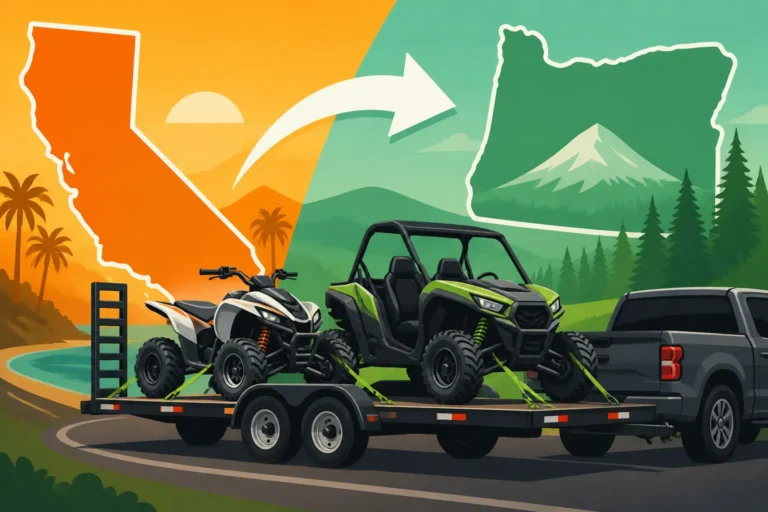
Bringing an ATV into Oregon that you bought in another state can add a few extra steps to the titling process. Each state has its own titling and registration rules, and what was acceptable in California or Washington might not directly translate to Oregon's requirements.
First, check if the machine was titled in the previous state. If it was, you'll need that out-of-state title, properly signed over to you. If the previous state didn't require titles for off-road vehicles, you'll again rely heavily on your bill of sale, just as you would for a used Oregon purchase without a title. The Oregon DMV might also require a VIN inspection to verify the machine's identity and ensure it's not stolen or salvaged from out of state. Be prepared for potentially more scrutiny and a longer processing time for [Oregon Paperwork for a Machine Bought Out of State], as the DMV needs to ensure everything is above board before issuing an Oregon title.
Titling an Inherited Machine
Inheriting an ATV, while often a sentimental gift, comes with its own set of administrative tasks, especially if you wish to title it in your name. The process will depend on whether the deceased owner had a title for the machine and the specifics of their estate.
If the machine was titled, you'll typically need the existing title, a certified copy of the death certificate, and possibly a copy of the will or probate court documents that appoint you as the executor or indicate you are the rightful heir. If the machine was not titled, then the process becomes similar to acquiring a title for a used machine without a previous title, but with the added layer of proving your legal right to inherit. You'll need the death certificate, and often a document from the executor of the estate or a small estate affidavit, along with a bill of sale or affidavit of ownership from the estate. It's always a good idea to consult with the Oregon DMV and perhaps legal counsel specializing in estate planning when navigating [Inheriting a Quad in Oregon] to ensure you have all the necessary legal documentation.
Understanding Proof of Ownership Beyond a Title
While a title is the gold standard for proving ownership, if you choose not to title your off-road ATV in Oregon, you're not completely without recourse. It just means you need to be extra diligent about maintaining alternative forms of proof.
The Importance of a Detailed Bill of Sale
For an untitled off-road ATV, your bill of sale becomes your primary, and often only, legal document asserting ownership. This is why it's absolutely critical for the [Oregon Bill of Sale for an ATV] to be as comprehensive and detailed as possible.
A strong bill of sale should clearly identify both the buyer and the seller with full names, addresses, and contact information. It must include the date of sale and the agreed-upon purchase price. Most importantly, it needs a thorough description of the ATV, including its year, make, model, and the complete Vehicle Identification Number (VIN). Both parties should sign and date the document, and ideally, it should be notarized for extra legal weight. A service like LawDepot offers templates for bills of sale that are legally sound and cover all necessary details, giving you peace of mind. Without a title, this document is your shield against future ownership disputes or claims.
Dealer Records and Manufacturer's Statement of Origin
If you bought your ATV new from an Oregon dealer, the dealer records and the Manufacturer's Statement of Origin (MSO) or Manufacturer's Certificate of Origin (MCO) are crucial documents. The MSO/MCO is essentially the vehicle's birth certificate, issued by the manufacturer, and it's the document used to first title a new vehicle.
Even if you don't title your machine right away, keeping the original MSO/MCO in a safe place is paramount. This document, combined with your purchase receipt from the dealer, forms a very strong chain of ownership proof. If you decide to title your machine years later, the MSO/MCO will be the primary document the DMV requests. If you've lost it, obtaining a duplicate can be a lengthy and sometimes costly process through the dealer or manufacturer. Always safeguard these documents as diligently as you would a title itself.
The Role of a VIN Check and Stolen Machine Checks
Whether you have a title or not, knowing how to verify your ATV's history through its VIN is a critical part of proving ownership and protecting yourself, especially when buying used. When you're considering [Buying a Used Quad in Oregon], you should always perform a VIN check.
Even for an untitled machine, the VIN is a unique identifier. You can use online services (some free, some paid) that perform [Checking a VIN Before Buying Used] to look for records of theft, salvage titles, or other adverse history. This isn't just about protecting yourself as a buyer; if you're selling an untitled machine, being able to provide a clean VIN check to a prospective buyer can build trust and facilitate the sale. For your own records, keeping documentation of a clean VIN check alongside your bill of sale adds another layer of credible ownership proof. This due diligence ensures that even without a formal title, you have done your best to confirm the machine's legitimate history and your rightful claim to it.
| Document Type | Primary Purpose | When It's Essential | Strength of Ownership Proof (1=Low, 5=High) | Legal Standing (No Title Required) |
|---|---|---|---|---|
| Oregon Title | Establishes legal ownership and lienholder info | All transfers, theft recovery | 5 | N/A (It is the title) |
| Bill of Sale | Records transaction details between parties | Buying/selling untitled machine | 3-4 (depends on detail & notarization) | High |
| MSO/MCO | Manufacturer's initial proof of origin | First titling, new machine | 4 | High |
| Previous State Title | Establishes prior out-of-state ownership | Bringing machine from out-of-state | 5 (if properly signed over) | High |
| Repair Records/Receipts | Proof of investment and possession for repairs | Supporting evidence in disputes | 2 | Low |
| Insurance Policy | Proof of coverage and registered owner | Supporting evidence in disputes | 2 | Low |
Disclaimer
This article is for general informational purposes only and does not constitute professional advice. Laws, prices and regulations vary by location and change over time. Consult a qualified professional for guidance on your specific situation.