Buying an ATV From an Oregon Private Seller
So you've been eyeing that sweet deal on an ATV or UTV you spotted on a local classifieds site or through a friend of a friend. Buying privately can often feel like finding a hidden gem, offering a much better price than a dealership, but it also comes with its fair share of unknowns and potential headaches. This guide is here to walk you through every critical step, from vetting the machine to securing your ownership, ensuring your private ATV purchase in Oregon is as smooth and stress-free as possible.
The Appeal and Perils of Buying Privately in Oregon
There's something uniquely satisfying about finding a great off-road machine from a private seller. It often feels like you're tapping into a secret market, bypassing the overheads and markups that dealerships carry. But with that freedom comes a responsibility to protect yourself, as the safety nets are fewer and farther between.
Why Private Sales Often Look So Good
Let's be honest, the biggest draw for most of us when buying an ATV or UTV privately is the price. You're cutting out the middleman, which means the seller often has more flexibility to negotiate, and you're not paying for a dealer's showroom, their staff salaries, or their profit margins. This can translate to significant savings, putting more money in your pocket for accessories, gear, or even more fuel for those epic Oregon adventures. You might also stumble upon a unique machine – perhaps a meticulously maintained vintage quad or a custom-built side-by-side that a dealer would never stock. Private sellers can also offer a more direct, informal line of communication, allowing you to ask questions directly to the person who has actually ridden and maintained the machine. They might share stories, maintenance logs, and insights that a salesperson, who only knows the specs, couldn't provide.
The Hidden Traps of Buying Used
While the allure of a good deal is strong, it's crucial to approach private sales with a healthy dose of skepticism. Unlike a dealership, a private seller generally offers no warranty, no guarantee of condition, and no recourse if the machine breaks down the day after you buy it. You're buying "as is," and any issues that pop up later are typically yours to bear. The machine's history might be murky – was it ridden hard and put away wet? Was it involved in an accident the seller isn't disclosing? Has it been properly maintained, or just given a quick wash to hide its flaws? Without professional inspection or a clear service record, it's easy to inherit someone else's problems. Furthermore, without proper documentation, you could find yourself in a legal tangle over ownership, or worse, discover you've unknowingly purchased a stolen vehicle. These are the kinds of nightmares that can quickly turn your exciting new purchase into a costly regret.
Essential Steps Before You Even Look at a Machine
Before you even think about handing over cash, there's some serious legwork to do. This isn't just about kicking tires; it's about protecting your investment and ensuring you're getting what you pay for.
Researching the Machine and the Seller
First things first, research the specific make and model you're interested in. What are common issues for that year or model? Are there known recalls? What's the typical lifespan of certain components? Understanding these details arms you with knowledge when you inspect the machine. For instance, if you're looking at a particular brand's quad from the early 2010s, you might know to check for specific frame cracks or transmission quirks that were common then. This foresight can save you from future headaches and expensive repairs.
Equally important is a quick "background check" on the seller, if possible. Are they reputable? Do they seem knowledgeable and transparent, or are they cagey about details? If you found the listing online, look at their other sales, if any, or their profile history. Red flags include vague descriptions, an unwillingness to share the VIN, or a reluctance to let you inspect the machine thoroughly. Oregon classifies ATVs into four types, each with its own specifications and limitations, so make sure the machine you're looking at fits your needs and falls into a recognizable category. For a deeper dive into how your potential purchase fits into Oregon's system, check out [Which Oregon ATV Class Your Machine Falls Into].
The Importance of a Pre-Purchase Inspection
Never, ever buy an ATV or UTV without a thorough inspection. This isn't just a quick glance. Start by checking the tires for wear and tear, and look for uneven wear, which could indicate alignment problems. Move on to the suspension – bounce each corner of the machine to feel for proper dampening and listen for creaks or groans. Look for fluid leaks around the engine, transmission, and differentials. Check the oil and coolant levels and color; milky oil could mean water intrusion, which is a major red flag. Test all lights, brakes, and controls. Start the machine cold – listen for unusual engine noises, smoke from the exhaust, or difficulty starting. If the seller has already warmed it up, that's a sign they might be trying to hide cold-start issues.
Better yet, if you're not mechanically inclined, bring a trusted friend who is, or even better, arrange for a professional mechanic to do a pre-purchase inspection. This small investment can save you thousands down the road. They'll spot things you might miss, like worn bearings, bent frames, or hidden electrical issues that could turn your dream machine into a money pit. Don't be shy about asking the seller if you can take it to a shop for an inspection – a reputable seller will understand and even encourage it.
Verifying the Machine's History and Ownership
This step is absolutely non-negotiable. Always get the Vehicle Identification Number (VIN) from the seller before you meet them. Once you have it, run a VIN check. You can use services that compile accident history, salvage titles, and lien information. Crucially, you need to check if the ATV or UTV has been reported stolen. This is a common pitfall in private sales, and unknowingly buying a stolen machine means you'll lose both the vehicle and your money if it's recovered by law enforcement. The Oregon State Police or local sheriff's offices can often assist with stolen vehicle checks, or you can use online databases. To learn more about this vital step, consider reading [Checking a VIN Before Buying Used] and [Stolen Machine Checks Before a Sale].
Beyond theft, ensure there are no liens against the vehicle. A lien means someone else has a financial interest in the machine (e.g., a bank if the seller took out a loan for it). If a lien exists, and the seller doesn't pay it off, the lienholder could legally repossess the ATV from you, even if you paid the seller in full. Always confirm that the person selling the ATV is the rightful owner and has the authority to sell it. This typically means matching their ID to the name on any existing title or previous bill of sale.
Navigating the Oregon Paperwork Maze
Oregon's approach to ATV titling and registration can be a bit unique, so understanding the necessary paperwork is paramount to a smooth and legal transfer of ownership.
Understanding Oregon's Optional Titling
Here's where Oregon differs from many other states: titling an ATV or UTV is often optional if it's only used off-road. The state understands that many of these machines never touch a public road, so they've streamlined the process. However, just because it's optional doesn't mean it's not a good idea. A title is the strongest legal proof of ownership you can have. It provides a clear chain of custody, which is invaluable if you ever need to prove ownership for insurance claims, in case of theft, or when you decide to sell the machine yourself. Without a title, proving you're the rightful owner relies solely on a bill of sale, which, while important, can be easier to dispute or lose.
If the machine you're buying does not have a title, don't panic, but proceed with extra caution. Ensure the seller can provide a rock-solid bill of sale and perhaps even a previous bill of sale if they bought it without a title themselves. Consider getting a title anyway, even if it's optional, for your own peace of mind and future convenience. This can save you a lot of hassle down the road, especially if you ever consider moving out of state where titling might be mandatory. For a comprehensive discussion on the benefits, see [Why an Oregon Title Is Worth Having Anyway] and [Oregon ATV Title Requirements].
The All-Important Bill of Sale
Even if an ATV comes with a title, a detailed bill of sale is an absolute must. If it doesn't have a title, the bill of sale becomes your primary proof of ownership. This document protects both you and the seller. It clearly states the terms of the sale and proves that the transaction occurred. A good bill of sale should include:
- Date of Sale: The exact day the transaction took place.
- Buyer's Information: Your full legal name, address, and contact information.
- Seller's Information: The seller's full legal name, address, and contact information.
- Vehicle Description: Make, model, year, color, and most importantly, the full VIN.
- Purchase Price: The agreed-upon amount.
- "As Is" Clause: A statement that the vehicle is being sold "as is," meaning you accept it in its current condition with no warranties from the seller. This protects the seller, but it's vital for you as the buyer to understand it.
- Signatures: Both the buyer and seller should sign and date the document. It's also a good idea to have a witness sign, if possible, but not strictly required.
Having a robust bill of sale means there's a clear record of the transfer. If you ever run into disputes, this document is your first line of defense. There are many templates available online, and using a reputable service like LawDepot can help you generate a comprehensive and legally sound bill of sale tailored to your specific transaction. Don't just scribble something on a napkin; invest a few minutes into creating a professional document. For more details on what to include, refer to [Oregon Bill of Sale for an ATV]. Using a service like LawDepot can help you ensure all critical legal components are covered, giving you greater peace of mind.
Handling Funds and Transferring Ownership
When it comes to payment, cash is often king in private sales, but it also carries risks. For larger sums, a cashier's check from a bank is a safer option, as it's guaranteed funds. Never accept a personal check unless you're willing to wait for it to clear, which could take days. If you're paying in cash, arrange to meet in a safe, public place, and consider bringing a friend for safety.
The actual transfer of ownership happens when the money changes hands and the bill of sale (and title, if applicable) is signed. Ensure you have the completed and signed bill of sale in your hand before you give the seller the full payment. If there's a title, make sure the seller properly signs it over to you in the designated area. In Oregon, if you decide to title your ATV, you'll generally have a set period after purchase to submit the paperwork to the DMV, along with the required fees. Even without a title, the bill of sale, especially if you used a robust template from LawDepot, is your crucial piece of evidence that you are now the rightful owner. Keep all your paperwork, including the bill of sale, safely stored!
Post-Purchase Responsibilities and Riding Legally
Once you've got the keys and the paperwork in hand, your journey isn't over. There are still a few essential steps to ensure you can legally and safely enjoy your new-to-you ATV or UTV on Oregon's fantastic trails.
Getting Your Oregon ATV Permit
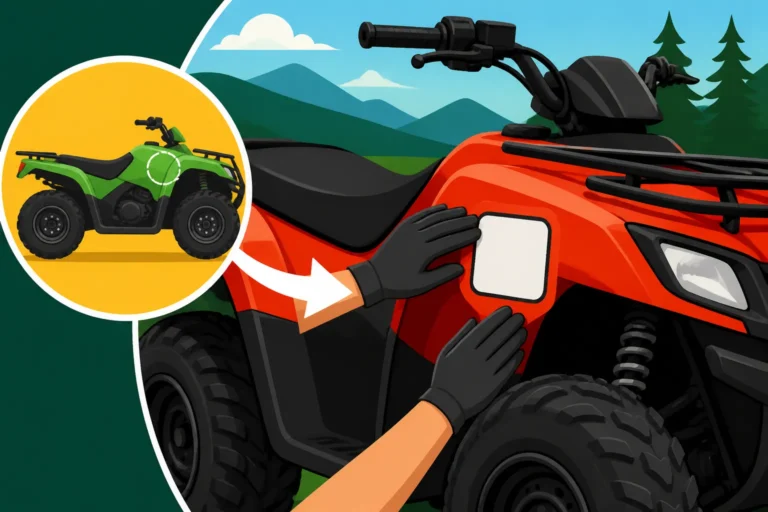
This is perhaps the most immediate and important step for any rider planning to hit public lands in Oregon. Every ATV and UTV operated on designated OHV trails and areas in Oregon must have an Oregon ATV Operating Permit. This isn't optional, and ignoring it can lead to fines. The permit is a physical decal that you'll affix to your machine. It's valid for two years from the month of purchase, making it a convenient long-term solution. You might be surprised to learn that these permits are the same price for every class of ATV, whether you've bought a small youth quad or a large side-by-side.
You can purchase these permits from a variety of authorized vendors across the state, including some dealerships, powersports shops, and even some Oregon State Parks. Online purchase options are also available, which can be very convenient. Make sure you understand [Oregon ATV Permit Cost] and [How Long an Oregon ATV Permit Lasts]. For a comprehensive list of places where you can get your permit, check out [Where to Buy an Oregon ATV Permit]. This permit system is vital for funding the maintenance and development of Oregon's expansive OHV trail network, so it's a small but significant contribution to the riding community. If your new machine is destined for a younger rider, you'll also want to look into [Oregon Permits for a Youth Machine].
Obtaining Your Oregon ATV Safety Card
Beyond the machine permit, you as the operator (and any passengers) also have requirements. Oregon mandates that all riders, regardless of age, complete an approved safety education course and carry an Oregon ATV Safety Card when riding on public lands. This isn't just a bureaucratic hurdle; it's designed to ensure everyone has a basic understanding of safe operating practices, trail etiquette, and environmental responsibility. The good news is that the online course for the safety card is free!
The course covers everything from basic riding techniques to understanding trail signs and rules. Once you pass, you'll receive your safety card, which you should carry with you whenever you ride. There are specific rules for different age groups, particularly for riders under 16, who also require adult supervision in many cases. Don't put this off; law enforcement and park rangers frequently check for both the operating permit and the safety card at trailheads and staging areas. To dive deeper into what's required and how to get yours, take a look at [Oregon ATV Safety Card Requirements].
Insurance and Other Considerations
While Oregon doesn't universally mandate liability insurance for all ATVs and UTVs, there's a very important exception: if your machine falls under Oregon's Class II classification (which generally includes street-legal utility vehicles like some side-by-sides, dune buggies, or modified jeeps), and you plan to operate it on any public roads where it's legally permitted, then liability insurance is absolutely mandatory. This is a critical distinction, as operating a Class II machine on public roads without insurance can lead to serious legal consequences. You can find more specific details on this at [Insurance and Oregon Class II Machines].
Even if your machine doesn't require insurance by law (such as most Class I quads or Class IV side-by-sides used solely off-road), it's highly advisable to consider a comprehensive insurance policy. Accidents happen, and having coverage for property damage, medical expenses, and even theft can save you from significant financial hardship. Talk to your insurance provider about off-road vehicle policies.
Finally, always be aware of the specific rules and regulations of the area you plan to ride. Oregon has diverse landscapes, from coastal dunes to high desert trails, and each area might have unique rules regarding spark arresters, sound limits, and seasonal closures. Always ride responsibly, stay on marked trails, and protect our beautiful Oregon wilderness for everyone to enjoy.
Here's a quick comparison to help summarize the differences between buying privately and from a dealer:
| Feature | Private Sale (Oregon) | Dealership Sale (Oregon) |
|---|---|---|
| Price | Often lower, more room for negotiation | Generally higher, less negotiation flexibility |
| Machine Selection | Varies widely, may find unique/older models | New models, recent used inventory, more consistent |
| Inspection | Buyer's responsibility, bring a mechanic | Pre-inspected, potentially certified used |
| Warranty | "As Is," usually no warranty | New machines have factory warranty, some used have dealer warranty |
| Paperwork | Bill of Sale essential, title optional/varied | Handles all title/registration, often includes temp permits |
| Financing | Usually cash, personal loan if needed | In-house financing options, various lenders |
| Recourse for Issues | Limited to none post-sale | Some consumer protection, dealer support |
| VIN/Lien Check | Buyer's responsibility to verify | Dealer typically handles, provides clean history |
| Convenience | Requires more buyer effort & due diligence | One-stop shop, less hassle |
This article is for general informational purposes only and does not constitute professional advice. Laws, prices and regulations vary by location and change over time. Consult a qualified professional for guidance on your specific situation.