Oregon Registration for a Street-Legal Class II
One of the biggest head-scratchers for off-road enthusiasts in Oregon is the question of street legality for their beloved machines. For most quads, dirt bikes, and even many side-by-sides, hitting the pavement is a big no-go, leaving riders feeling frustrated and limited. This guide is going to cut through the confusion and explain exactly how to navigate Oregon's unique rules to get a specific type of machine—a Class II off-highway vehicle—registered for street use.
Understanding Oregon's Unique Class II Exception
Oregon's approach to off-highway vehicles (OHVs) is, shall we say, distinct. While the vast majority of ATVs and UTVs are strictly for off-road use and only require an [Oregon's ATV Operating Permit] for public lands, there’s a very particular exception carved out for what the state calls a "Class II All-Terrain Vehicle." This exception is where the possibility of street-legal registration comes into play, and it’s critical to understand what makes a machine fall into this category.
What Defines a Class II Machine in Oregon?
The term "Class II" isn't just a fancy designation; it's a legal one, specifically defined under [Oregon's Class II Under ORS 801.193]. This statute is the foundation of everything regarding street-legal OHVs in the state. What exactly qualifies a machine as Class II? It boils down to a few key characteristics that set them apart from your typical quad or side-by-side:
- Steering Wheel: Unlike the handlebars you'd find on a quad or dirt bike, a Class II machine must have a steering wheel, much like a car.
- Non-Straddle Seat: Riders and passengers in a Class II vehicle sit in bucket or bench seats, not straddling the machine like they would on a traditional ATV or dirt bike. Think car-style seating.
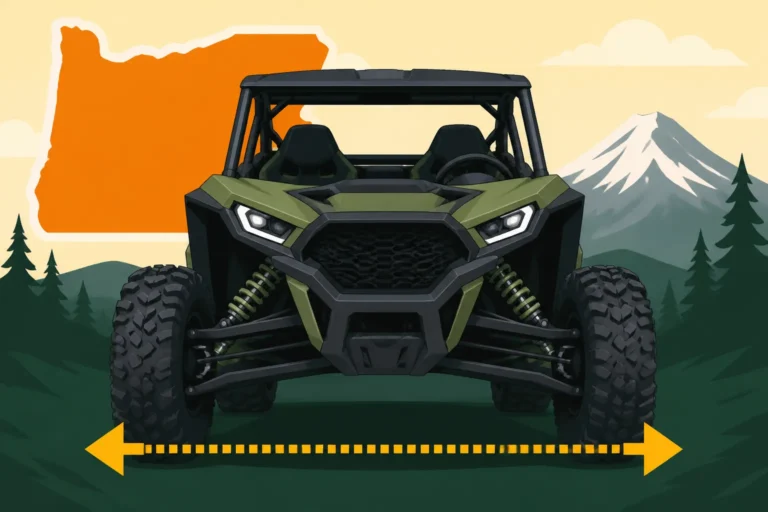
- Under 65 Inches Wide: The vehicle's width is a crucial factor. It must be 65 inches or less in width from outside tire to outside tire.
- Weighs Under 4,500 Pounds: This refers to the dry weight of the vehicle, without fuel or fluids.
- Designed for Off-Road Use: Even with all these features, the machine's primary design intent must still be for off-road operation. This typically means things like long-travel suspension, higher ground clearance, and robust drivetrain components.
So, while many modern side-by-sides might have a steering wheel and bucket seats, if they exceed the 65-inch width limit, they immediately fall out of the Class II category and cannot be made street-legal. This is often where a lot of confusion arises, as people might assume their wider UTV, like a popular sport model, could be registered for the street. It simply cannot under Oregon law. Common examples of machines that often fit the Class II definition include older "dune buggy" style vehicles, military surplus vehicles, or some specific, narrower side-by-side models that meet the dimensional criteria.
The Critical Distinction: Permit vs. Registration
This is another area where things get muddled for riders. For the vast majority of off-highway vehicles in Oregon, you simply need an [Oregon's ATV Operating Permit]. This permit allows you to ride on designated public OHV trails and areas. It's a sticker you put on your machine, proving you've paid your dues for trail maintenance and support. This is entirely separate from vehicle registration.
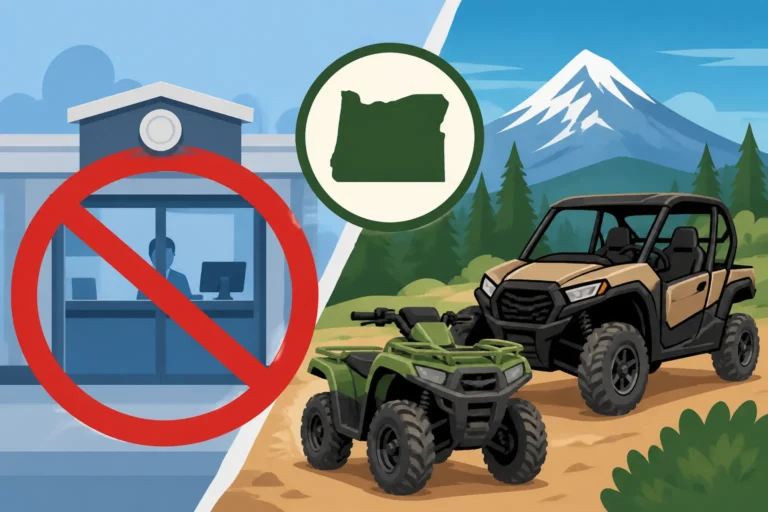
When we talk about "registration" for a Class II machine, we are talking about registering it with the Oregon Department of Motor Vehicles (DMV) just like you would a car or truck. This process is for machines that will legally operate on public roads and highways. The DMV issues a title, license plates, and a traditional vehicle registration card. This is a very different beast from the off-road operating permit. You’ll still need the off-road permit for public off-road riding, but the DMV registration is for the pavement. The confusion often stems from the fact that [Why Oregon's DMV Does Not Register ATVs] for off-road only use, leading people to believe the DMV has no role at all in OHV regulation. For street-legal Class II machines, however, the DMV is absolutely the authority.
The Road to Street-Legal Registration for Your Class II
If your machine confidently fits the Class II definition, congratulations! You've cleared the first, and often most challenging, hurdle. Now comes the process of actually getting it ready and registered for legal road use. This isn't just a quick trip to the DMV; it involves ensuring your vehicle meets specific safety and equipment standards, much like any other on-road vehicle.
Essential Equipment for On-Road Safety
Transforming an off-road machine into a street-legal one requires more than just a dream. It means equipping it with all the necessary safety features to make it roadworthy. The goal is to ensure your Class II vehicle can safely interact with other traffic on public roads. Here's a rundown of what you'll typically need to install or ensure is already present:
- Headlights and Taillights: Just like any car, your machine needs functional headlights (with high/low beam capability) and taillights for visibility, especially during dawn, dusk, or nighttime.
- Brake Lights: These are non-negotiable. When you hit the brakes, lights at the rear must illuminate brightly to warn drivers behind you.
- Turn Signals: Essential for indicating your intentions to other drivers. These need to be visible from both front and rear.
- Horn: A working horn is a must for signaling intentions or warning others of your presence.
- Side Mirrors and Rearview Mirror: You'll need at least one rearview mirror and typically two external side mirrors to give you a clear view of traffic approaching from behind.
- Windshield: A windshield is generally required to protect the driver and passengers from road debris. It needs to be made of safety glass.
- DOT-Approved Tires: Your off-road knobbies might be great for the trails, but for the street, you'll need tires that are Department of Transportation (DOT) approved. These tires are designed for highway speeds and conditions.
- Muffler and Spark Arrester: While your machine is primarily off-road, when operating on public roads, it still needs to comply with sound regulations. Ensure your exhaust system is in good working order and not excessively loud. A spark arrester is technically for off-road fire prevention, but it's good practice to ensure it's in place. [Oregon Sound Limits for ATVs] generally apply to on-road vehicles as well.
- Seat Belts: If your Class II has bucket or bench seats, it must have functional seat belts for all occupants, just like a car.
It’s crucial to understand that merely having these components isn't enough; they must be functional and properly installed to pass inspection. Before you even think about the DMV, take the time to ensure every single one of these items is present and working as it should.
Proving Ownership and Securing Mandatory Insurance
Once your Class II machine is physically ready for the road, you need to gather the necessary paperwork to prove ownership and meet Oregon's financial responsibility laws.
- Proof of Ownership: This is paramount. You'll need either a valid Certificate of Title from Oregon or another state, or a manufacturer's certificate of origin (MCO/MSO) if the vehicle is brand new. If you're buying a used machine, especially from a private seller, ensure you get a proper [Oregon Bill of Sale for an ATV] and verify that the seller has a clear title. Oregon's rules state that [Titling an ATV in Oregon Is Optional] for off-road only machines, which can sometimes lead to complications when trying to title a Class II machine for road use if previous owners opted out of titling. You may need to apply for a title simultaneously with registration if one doesn't already exist. For machines purchased out of state, be prepared with all your [Oregon Paperwork for a Machine Bought Out of State], as additional checks might be required. Services like LawDepot can provide customizable bill of sale templates that help ensure you have all the necessary details documented.
- Mandatory Insurance: This is not optional. [Mandatory Insurance on Every Oregon Class II] vehicle that operates on public roads is a legal requirement. You'll need to secure an automotive liability insurance policy that meets Oregon's minimum coverage requirements. This policy is exactly like the one you'd get for your car or truck. Before heading to the DMV, ensure you have your proof of insurance in hand. Without it, you won't be able to complete the registration process. LawDepot also offers templates for various legal documents, which can be useful for understanding the forms and requirements for proving vehicle ownership and preparing for insurance discussions.
Navigating the Oregon DMV Process
With your machine equipped and your paperwork in order, it's time to face the DMV. The process for registering a street-legal Class II machine is generally the same as registering any other motor vehicle in Oregon.
- Visit Your Local DMV Office: You'll need to go in person to an Oregon DMV office. It's often a good idea to call ahead or check their website for specific requirements or to schedule an appointment, especially if you anticipate a more complex transaction involving a new title application.
- Required Documents: Bring all your ownership documents (title, MCO/MSO, bill of sale), proof of insurance, and your Oregon driver's license. You'll also need to complete the standard Application for Title and Registration form.
- Vehicle Identification Number (VIN) Inspection: Depending on the origin of your vehicle (especially if it's from out of state or has an unusual history), the DMV may require a VIN inspection to verify the vehicle's identity. This helps deter theft and ensures the VIN matches the paperwork.
- Emissions Testing (if applicable): If you live in an area of Oregon that requires vehicle emissions testing (like the Portland and Medford metropolitan areas), your Class II machine will be subject to those same requirements before it can be registered.
- Pay Fees: You'll need to pay the applicable fees for title, registration, and potentially license plates. These fees are standard for motor vehicles.
- Receive Plates and Registration: Once everything is approved and fees are paid, the DMV will issue you license plates to display on your Class II machine and a registration card. The title certificate will typically be mailed to you within a few weeks.
Remember, the DMV staff are there to help, but having all your ducks in a row makes the process much smoother. Don't be afraid to ask questions if something isn't clear, but be prepared with all the necessary information.
| Feature | Off-Road Only OHV (e.g., Class I Quad) | Street-Legal Class II OHV |
|---|---|---|
| Purpose | Designated public OHV trails and areas | Public roads, highways, and designated OHV trails/areas |
| Permit/License | Oregon ATV Operating Permit decal | DMV-issued License Plates, Vehicle Registration, and optional OHV permit |
| Authority | Oregon Parks and Recreation Department (OPRD) | Oregon Department of Motor Vehicles (DMV) |
| Insurance | Not legally mandated for all classes (though highly recommended) | Mandatory liability insurance for road use |
| Equipment | Spark arrester, muffler, flag/whip for dunes, basic lighting for night | Headlights (hi/lo), taillights, brake lights, turn signals, horn, mirrors, windshield, DOT tires, seatbelts |
| Operator Age | Varies by machine class; safety card often required | Standard driver's license required |
| Inspection | None for permit | VIN inspection, emissions (if applicable) |
| Cost | Modest permit fee (good for two years) | Title, registration, plate fees (similar to car registration) |
Maintaining Your Street-Legal Status and Staying Compliant
Getting your Class II registered for the street is a significant achievement, but it's not a "set it and forget it" situation. Just like any other registered vehicle, there are ongoing responsibilities and rules to follow to ensure you remain legal and safe on Oregon's roads.
Periodic Registration Renewal
Your DMV registration and license plates for your Class II machine will expire periodically, typically every two years. You’ll receive a renewal notice from the DMV, and the process is usually straightforward. You'll need to pay the renewal fees and ensure your mandatory liability insurance is still active. If your registration lapses, you risk citations for operating an unregistered vehicle. It’s also a good idea to periodically check your machine's equipment (lights, horn, etc.) to ensure everything is still in working order. Even though the initial inspection is done, constant vigilance ensures ongoing compliance.
Staying Compliant on the Road
Operating a street-legal Class II machine on public roads comes with all the responsibilities of driving any other vehicle. This means adhering to speed limits, traffic signals, road signs, and yielding rules.
- Helmet Laws: While your machine is caged and has seatbelts, [Helmet Rules for Oregon Riders] still apply under specific circumstances. For instance, any rider or passenger under 18 years of age is required to wear a DOT-approved helmet, regardless of the vehicle type or whether it has a roof or roll bar. It's always a good idea to consult the latest regulations from the Oregon Department of Transportation (ODOT) or DMV.
- Road Restrictions: Just because your Class II is street-legal doesn't mean you can take it anywhere a car can go. There might be specific local ordinances or road classifications (e.g., interstates) where OHVs are prohibited, even if registered. Always pay attention to signage. For example, [Oregon's Only Two Designated ATV Routes: Lakeside and Sumpter] are specific towns that have made provisions for certain OHVs to legally travel on city streets. These are exceptions, not the rule.
- Night Riding: If you plan on riding at night, your machine must be fully equipped with proper headlights, taillights, and other required lighting, as detailed in [Oregon Rules for Night Riding on a Road]. Visibility is crucial for safety.
- Driver's License: Operating any registered vehicle on public roads requires a valid driver's license.
- Passengers: Ensure that any passengers are carried safely and legally, with appropriate seating and restraints, and that the number of passengers does not exceed the vehicle's design capacity. [Oregon Passenger Rules in a Side-by-Side] generally apply to Class II machines as well.
Special Considerations: Buying, Selling, and Out-of-State Machines
Life happens, and you might find yourself in situations involving an out-of-state purchase, or deciding to sell your street-legal Class II.
- Out-of-State Purchases: If you purchase a Class II machine from outside Oregon, the process of getting it registered here will typically involve a VIN inspection and ensuring all equipment meets Oregon standards. [Oregon Paperwork for a Machine Bought Out of State] will be crucial here, often including the out-of-state title, bill of sale, and any other relevant documentation. Be prepared for a bit more scrutiny from the DMV to ensure proper importation and compliance.
- Selling a Street-Legal Class II: When it comes time to [Selling an ATV in Oregon] that is street-legal, the process is similar to selling a car. You'll need to transfer the Oregon title to the new owner, complete a bill of sale, and ensure all necessary paperwork is processed correctly with the DMV. Having a clear title will make the sale much smoother and prevent headaches for both you and the buyer. Utilizing reliable legal document resources like LawDepot for drafting a comprehensive bill of sale can protect both parties in the transaction.
Navigating the world of street-legal Class II OHVs in Oregon can seem daunting at first, but with a clear understanding of the rules, proper preparation, and careful attention to detail, you can enjoy the unique freedom of taking your specific type of off-road vehicle from the trail to the street.
Disclaimer
This article is for general informational purposes only and does not constitute professional advice. Laws, prices and regulations vary by location and change over time. Consult a qualified professional for guidance on your specific situation.