Oregon Insurance Rules for a Class II Machine
Navigating the world of off-road vehicles in Oregon can sometimes feel like trying to ride the dunes blindfolded – especially when it comes to understanding the rules for street-legal machines. Many riders assume that if their machine isn't a traditional car, it doesn't need traditional insurance, or they get tripped up by the specific definitions that Oregon uses. This guide is designed to cut through that confusion, giving you a clear, empathetic look at Oregon’s mandatory insurance requirements, specifically for those often-misunderstood Class II machines.
Understanding Oregon's Class II Machine Definition
Before we can even talk about insurance, we absolutely have to get clear on what Oregon considers a "Class II all-terrain vehicle." This isn't just bureaucratic jargon; it's the foundation upon which all other rules, including insurance requirements, are built. Many folks envision ATVs as those saddle-seat quads, but Oregon's system is a bit more nuanced, especially when it comes to the bigger, more versatile machines that are gaining popularity.
What Makes a Machine Class II in Oregon?
Oregon Revised Statute (ORS) 801.193 is where you'll find the nitty-gritty definition of a Class II all-terrain vehicle. Unlike the Class I quads that you sit astride, a Class II machine is characterized by a few key features. Think about how you sit in it, how you steer it, and its overall size. Generally, these are vehicles designed for off-road use but equipped with a steering wheel instead of handlebars and a bench or bucket seat rather than a straddle seat. They also tend to be heavier and wider than your typical Class I quad. If your machine has a full cab, a roll cage, and you're strapping in with a seatbelt, chances are you're looking at a Class II. It's a fundamental distinction that impacts everything from where you can ride to the permits and insurance you need. For a deeper dive, check out [Oregon's Class II Under ORS 801.193].
These machines often offer a more car-like driving experience, which can be a huge draw for families or those who want to bring more gear. The added stability and passenger capacity are big benefits, but they come with increased responsibilities. The state’s regulations are designed to account for the differences in how these vehicles operate and the potential impact they can have, particularly when they venture onto paved surfaces.
Common Examples of Class II Vehicles
When we talk about Class II vehicles, what usually comes to mind are side-by-sides, sometimes called UTVs or SxS. These popular machines have exploded in popularity for good reason – they’re incredibly versatile. You'll see them tearing up the dunes, navigating forest trails, or even doing chores around a farm. But it’s not just side-by-sides. Dune buggies and certain types of sand rails, especially those that meet the state's specific criteria for dimensions and features, also fall under this classification. Essentially, if it’s a multi-passenger, four-wheel drive, off-road capable vehicle with a steering wheel and non-straddle seating, it’s highly likely Oregon will consider it a Class II. Understanding these categories is the first step in making sure you’re riding legally and responsibly. If you're wondering if your side-by-side needs an Oregon permit, read [Oregon ATV Permit for a Side-by-Side]. Likewise, if you drive a specific type of off-road vehicle, these guides are helpful: [Oregon ATV Permit for a Dune Buggy] and [Oregon ATV Permit for a Sand Rail].
It's important to differentiate. A lot of people might group all off-road vehicles together, but Oregon has gone to great lengths to create distinct classes because their operational characteristics and associated risks are different. A lightweight dirt bike (Class III) is a world away from a hefty side-by-side (Class II), and the rules reflect those differences. The distinctions are not always intuitive for new riders, which is why taking the time to truly understand your machine's classification is so critical.
Why the Classification Matters for Insurance
Here’s where the rubber meets the road, or perhaps more accurately, where the sand meets the pavement. The classification of your off-road machine in Oregon isn't just for curiosity's sake; it directly dictates whether you are legally mandated to carry insurance. And for Class II machines, the answer is a resounding "yes." Oregon stands out because it specifically requires liability insurance for these types of vehicles. This requirement acknowledges the higher potential for damage or injury that these larger, often heavier machines pose, particularly if they are operated on public roads or cause an accident. Without this clarity, many riders could unwittingly find themselves in serious legal and financial hot water.
It's a crucial distinction that often catches people off guard. You might have a Class I ATV for years and never need specific insurance beyond perhaps what your homeowner's policy offers (which usually has very limited coverage for off-road vehicles anyway). Then you buy a side-by-side, and suddenly you're looking at a completely different set of rules. This is why getting your head around [Why Insurance Is Compulsory for Class II Only] is so important.
Mandatory Insurance for Oregon Class II Machines
Let’s get straight to the point: if you own a Class II machine in Oregon, you must have liability insurance. This isn't optional, it's not a suggestion, and it’s not something you can just choose to bypass. Oregon’s lawmakers recognized the unique position of Class II machines – their size, their capacity, and their potential to be registered for limited street use – and decided that a mandatory insurance safety net was essential for everyone on the roads and trails.
The Legal Requirement for Insurance
Oregon law, specifically through the ORS 820.010, makes it unequivocally clear that operating a Class II all-terrain vehicle requires liability insurance. This isn't a suggestion; it's a legal mandate designed to protect everyone involved in the event of an accident. Think of it like this: if you’re driving a car on public roads, you need insurance. While Class II machines might not always be street-legal in the same way a car is, they are often permitted on certain public roads and designated routes in Oregon, making the need for financial protection just as critical. This requirement extends to anyone operating the machine, not just the owner. You can find more detailed information on [Mandatory Insurance on Every Oregon Class II].
The state's perspective is rooted in public safety and financial responsibility. An accident, even a minor one, can lead to significant costs in terms of property damage or medical bills. Without mandatory insurance, the burden of these costs would fall directly on the involved parties, potentially leading to financial ruin. This legal requirement ensures that there's a mechanism in place to cover these expenses, preventing a bad day on the trail from becoming a catastrophic financial event for everyone involved.
What Types of Coverage Are Usually Required?
When Oregon mandates liability insurance for Class II machines, it's primarily concerned with two types of coverage: bodily injury liability and property damage liability. Bodily injury liability coverage helps pay for medical expenses and lost wages for people injured in an accident you cause, while property damage liability covers the cost of damage to someone else's property, whether it's another vehicle, a fence, or even state property like trail markers.
Here's a quick breakdown of what you'll typically need to secure:
| Coverage Type | What It Does |
|---|---|
| Bodily Injury Liability | Pays for medical expenses, lost wages, and pain and suffering for others if you're at fault in an accident. It's about protecting third parties who are injured. |
| Property Damage Liability | Covers the cost of repairing or replacing another person's property (like their vehicle, fence, or even a public sign) if your Class II machine causes damage in an accident where you are at fault. |
| Uninsured/Underinsured Motorist | While not always mandated, this is highly recommended. It protects you if an uninsured or underinsured driver hits you, helping to cover your medical bills and damage to your machine. |
| Collision Coverage | Not required, but covers damage to your Class II machine if you hit another vehicle or object. If you have a loan on your machine, your lender will likely require this. |
| Comprehensive Coverage | Also not required, but covers non-collision events like theft, vandalism, fire, or damage from natural disasters. Again, often required by lenders. |
While the state only requires liability, many riders choose to add comprehensive and collision coverage, especially if their machine is valuable or financed. Imagine rolling your brand-new side-by-side on a trail; without collision coverage, you'd be footing the entire repair bill yourself. It’s a personal decision, but one worth considering based on your machine’s value and your financial comfort level. It also makes sense to protect yourself with the full suite of coverages given the investment you’ve made in your machine.
Scenarios Where Insurance Becomes Critical
Let's get real for a moment. Nobody wants an accident, but they happen. And when they do, especially with a Class II machine, having the right insurance can literally be a financial lifesaver. Imagine you're out riding the dunes near Florence, having a blast, and you misjudge a turn, clipping another rider's parked rig. The damage to their trailer and the side of their truck is substantial. Without liability insurance, you'd be on the hook for those repair costs, which could easily run into thousands of dollars.
Or consider a more serious scenario: you're on a designated highway access route, perhaps in Lakeside or Sumpter, and another driver cuts you off, causing you to swerve and hit a guardrail, injuring your passenger. Your liability coverage would help cover your passenger's medical bills. If you had uninsured/underinsured motorist coverage, it would also help protect you and your machine if the other driver was at fault and didn't have adequate coverage themselves. These aren't hypothetical horror stories; they're very real possibilities that underscore the importance of being properly insured. The peace of mind alone is invaluable. The requirements for street legal UTVs and insurance are intrinsically linked, as discussed in [Oregon Street Legal UTV Requirements].
Navigating Insurance Options and Providers
So, you understand why you need insurance. Now, let’s talk about how to get it. Finding the right policy for your Class II machine isn't just about ticking a box; it's about securing genuine protection that fits your riding habits and budget. It pays to shop around and truly understand what you're buying.
Finding the Right Policy for Your Class II
Finding the right insurance policy for your Class II machine means more than just picking the cheapest option. You need a policy that genuinely covers your needs, especially given the diverse ways these vehicles are used. Start by getting quotes from multiple insurance providers. Don't assume your current auto or home insurer will offer the best rate or even understand the nuances of off-road vehicle insurance. Some companies specialize in powersports and might offer more tailored policies and better rates. When you're getting quotes, be prepared to provide details about your specific machine – make, model, year, any modifications, and how often and where you plan to ride it. The more information you can give, the more accurate your quote will be.
It's also a good idea to think about how you use your machine. Is it purely recreational, or do you use it for farm work? Will you be trailering it long distances? Do you ever rent it out? All of these factors can influence the type of coverage you need and the overall cost. Don't be shy about asking questions and making sure you fully understand what is and isn't covered. If you plan to register your Class II machine for street use (where permitted), ensure your policy reflects this and covers you on public roads. [Registering a Street-Legal Class II in Oregon] can provide more context on that front.
Key Factors Affecting Insurance Premiums
Just like with car insurance, several factors will influence how much you pay for your Class II machine’s policy. The type of machine itself is a huge one – a powerful, high-performance side-by-side will likely cost more to insure than a smaller utility model. Your age and driving record (yes, even for an off-road vehicle) will also play a role; a clean record generally means lower premiums. Where you live can matter too, as theft rates and accident statistics vary by region.
Usage is another big factor. If you only ride a few times a year on private land, your rates might be different than someone who hits the Oregon Dunes every weekend. Any modifications you’ve made to your machine – especially performance-enhancing ones – could also affect your premium. Be honest with your insurer about these details; withholding information could lead to a claim being denied later. Lastly, the deductible you choose will directly impact your premium: a higher deductible usually means a lower premium, but it also means you’ll pay more out-of-pocket if you need to file a claim.
What to Look for in an Insurance Provider
Choosing an insurance provider isn't just about price; it's about reliability, customer service, and their understanding of your specific needs. Look for a company with a strong reputation for handling claims fairly and efficiently. Read reviews, ask for recommendations from fellow riders, and consider their financial stability. A company that specializes in powersports or offers dedicated ATV/UTV insurance might be more attuned to your needs than a general insurer. They might also offer specialized coverage options that are beneficial for off-road enthusiasts.
It’s also important to consider the convenience factor. Can you manage your policy online? Do they have a responsive customer service team? In the unfortunate event of an accident or needing to file a claim, you want a provider that makes the process as smooth and stress-free as possible. While LawDepot doesn’t directly provide insurance, they are a fantastic resource for generating the kinds of legal documents you might need when buying or selling a Class II machine, like a bill of sale or other agreements, which can be important supporting documents for your insurance provider or in the event of a claim. So, while you're getting your insurance quotes, remember to keep your ownership documents in order, perhaps with a template from LawDepot, to ensure everything is watertight.
Consequences of Not Having Mandatory Insurance
Ignoring Oregon’s mandatory insurance requirement for your Class II machine is a gamble with incredibly high stakes. It's not just a minor infraction; it can lead to significant legal, financial, and personal repercussions that far outweigh the cost of an insurance policy. No one wants their riding adventures cut short or to face unexpected burdens because they neglected a simple, yet crucial, requirement.
Penalties for Non-Compliance
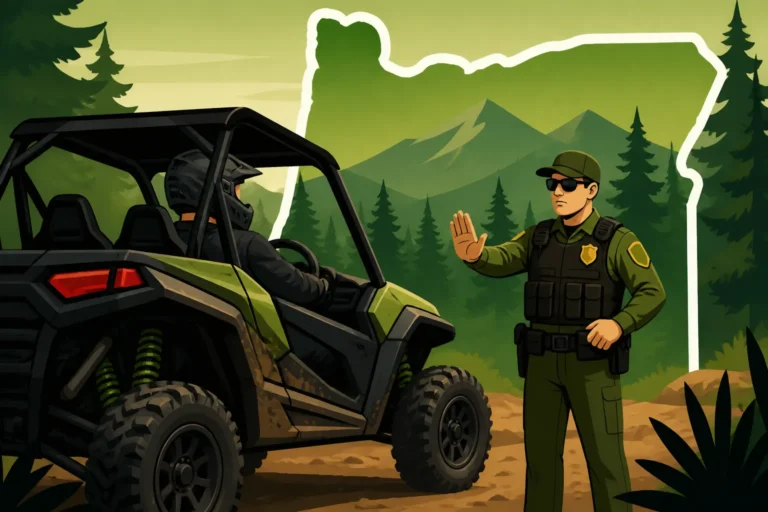
Operating a Class II machine without the legally required liability insurance in Oregon can result in some pretty immediate and unpleasant consequences. You could face fines that quickly add up, and repeat offenses can escalate those penalties significantly. Beyond monetary fines, there's also the risk of your operating privileges being suspended or even revoked. Imagine having your hard-earned permit or driver's license taken away, meaning you can't legally ride your machine (or even drive your car) for a period. A law enforcement officer, such as an Oregon State Trooper, can check for proof of insurance during a roadside stop, especially if your Class II machine is permitted for road use. [What an Oregon Trooper Checks Roadside] highlights some of the things they look for.
Furthermore, if you’re involved in an accident while uninsured, the legal ramifications can be much more severe. You could be facing civil lawsuits from injured parties or those whose property was damaged, which could lead to judgments against you that last for years. It's a risk that simply isn't worth taking for the sake of saving a few dollars on premiums. The state takes these requirements seriously, not to punish riders, but to ensure that everyone who shares the roads and trails is financially responsible.
Financial Risks Without Coverage
The financial burden of an accident without insurance is truly the scariest part. If you cause an accident and injure someone or damage their property, you are personally liable for all the costs. This includes medical bills, lost wages, pain and suffering, and property repair or replacement. These costs can quickly skyrocket into tens of thousands or even hundreds of thousands of dollars. Without insurance, you would have to pay these expenses out of your own pocket. This could mean draining your savings, liquidating assets, or even having your wages garnished.
For many families, this kind of unexpected financial hit could be devastating, potentially leading to bankruptcy. The seemingly small savings from skipping insurance suddenly look minuscule in comparison to the mountain of debt you could accumulate. It's a stark reminder that insurance isn't just a piece of paper; it's a critical financial safeguard for you and your family. It protects your future by absorbing the financial shock of an unforeseen event.
Impact on Riding Privileges and Machine Legality
Beyond the immediate fines and financial liabilities, riding without insurance can affect your ability to enjoy your Class II machine at all. If your operating privileges are suspended, you won't be able to legally ride, effectively rendering your machine useless for recreational purposes on public lands or designated routes. Repeated offenses could lead to more permanent restrictions, preventing you from ever getting back on the trails you love.
Furthermore, without insurance, the legality of your machine for any sort of road access (where permitted) is immediately compromised. Even if your side-by-side or sand rail meets all the other requirements for [Oregon Street Legal UTV Requirements], the absence of mandatory insurance makes it non-compliant and illegal to operate in those specific capacities. It's a complete breakdown of the legal framework that allows you to ride. Oregon’s rules, including those for permits and titles, are all interconnected, and insurance is a key piece of that puzzle. Making sure you have proper [Oregon Insurance Requirements for Class II] coverage ensures you can keep enjoying your adventures without worry.
Disclaimer
This article is for general informational purposes only and does not constitute professional advice. Laws, prices and regulations vary by location and change over time. Consult a qualified professional for guidance on your specific situation.