Why the Price Is the Same for Every Class
It can be incredibly confusing and even a little frustrating when you're trying to figure out the ins and outs of getting your ATV or UTV ready to hit the trails in Oregon. You might have a small youth quad, a big, powerful side-by-side, or a zippy dirt bike, and naturally, you'd expect different fees based on the size or type of machine. But then you discover that the permit price is the same across the board, and you're left wondering, "Why?" This guide is here to unravel that mystery, explain Oregon's approach to OHV permitting, and help you understand why your permit costs what it does, no matter what class of machine you ride.
Understanding Oregon's ATV Classification System
Before we dive into the permit cost itself, it's crucial to understand that Oregon does have a detailed system for classifying off-highway vehicles (OHVs), which includes ATVs and UTVs. These classifications are super important for safety regulations, where you can ride, and even what gear you might need, but they don't impact the price of your operating permit. It's a common point of confusion, and for good reason!
The Four Official Classes in Oregon
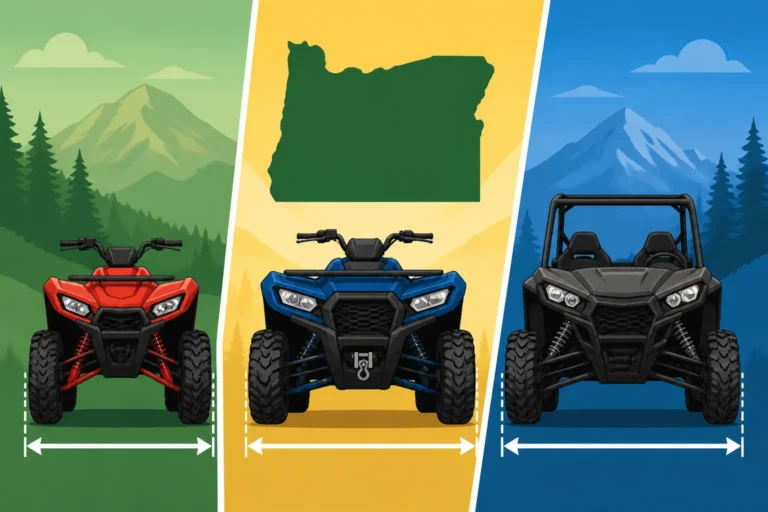
Oregon's system, managed by the Oregon Parks and Recreation Department (OPRD), breaks down OHVs into four main categories. Each class has specific definitions related to width, weight, and design, which are designed to help categorize machines for safety and operational rules.
For instance, [Oregon's Class I Under ORS 801.190] generally covers what most people picture as a traditional ATV or quad. These are machines typically under 50 inches wide, designed for a single rider (though some factory-built two-up models exist), and often have a dry weight limit around 1,200 pounds. You sit astride them, using handlebars for steering. Then there are [Oregon's Class IV Side-by-Sides Under 75 Inches], which are the ever-popular UTVs. These are often wider than 50 inches, feature a steering wheel and bucket or bench seating, and can carry multiple passengers, with a dry weight limit up to 3,500 pounds. The distinction is clear when you see them side-by-side (no pun intended!), and you'd think this difference in size and complexity would lead to different fees.
And let's not forget [Class III Off-Road Motorcycles in Oregon], which are your dirt bikes, designed for off-pavement riding with two wheels and a straddle seat. They're built for agility and rugged terrain. Finally, we have [Oregon's Class II Under ORS 801.193], a more specialized category that includes vehicles like dune buggies, sand rails, or even modified Jeeps that are purpose-built for off-road use. These often have a steering wheel, are wider than 50 inches, and can have varying seating arrangements. The key here is that they can sometimes be made street-legal, which brings a whole other set of rules and costs into play, like mandatory insurance. [Insurance and Oregon Class II Machines]
Why Classifications Matter for Riding, Not for Permitting
So, if these classifications are so distinct, why the uniform permit fee? The classifications primarily serve to guide regulations concerning rider age, passenger rules, helmet requirements, and where these machines are allowed to operate. For example, a youth riding a Class I ATV has different supervision and safety card requirements than an adult driving a Class IV side-by-side. Some trails might have width restrictions that only allow Class I or Class III machines. Certain areas might have specific rules for Class II vehicles due to their size or potential for street-legal conversion.
However, when it comes to the permit, the state views all these machines through a different lens. The operating permit isn't about classifying the machine itself for fee purposes; it's about providing funds for the overall OHV program that benefits all classes of riders. Think of it less like a vehicle registration based on horsepower and more like a user fee for a shared recreational resource. The permit signifies that you have paid your fair share to access and maintain the trails, regardless of whether you're on a 90cc quad or a 1000cc side-by-side.
The Uniform Permit Fee: Oregon's Approach to Funding OHV Programs
This is where the rubber meets the road, or rather, where the permit meets your wallet. Oregon's decision to maintain a single, consistent price for its ATV operating permit across all vehicle classes is a deliberate choice rooted in how the state funds its off-highway vehicle programs. It might seem counterintuitive at first glance, but it's all about equitable access and shared responsibility for the health of our riding areas.
A Flat Fee for Access, Not Machine Value
At its core, the Oregon ATV operating permit is a user fee. It's not a tax on the value or size of your machine, nor is it a complex calculation based on its specifications. Instead, it's a straightforward charge that grants you the privilege to operate your off-highway vehicle on designated public lands within the state. [One Oregon Permit Price for Every Class]
Imagine it like buying a fishing license or a day-use pass for a state park. The cost of a fishing license doesn't change whether you're using a basic spin rod or an expensive fly-fishing setup. Similarly, a state park pass costs the same whether you drive a beat-up sedan or a luxury SUV. The fee is for access and the general upkeep of the resource, not for the specific equipment you bring to enjoy it.
The permit fee covers a specific duration. [How Long an Oregon ATV Permit Lasts] The state agency, primarily the Oregon Parks and Recreation Department (OPRD), needs a predictable and stable source of income to manage the vast network of trails, staging areas, and educational programs that benefit all OHV users. A flat fee simplifies administration, making it easier for both the state to collect and for you, the rider, to understand. There's no need to measure your machine's width, check its dry weight, or provide engine displacement figures just to get a permit. It's a "one size fits all" cost that ensures everyone contributes equally to the common good of the OHV community.
How Permit Revenue Supports All Riders
So, where does your hard-earned money go once you've purchased that permit? It doesn't just disappear into a general fund. The revenue generated from these permits is specifically earmarked for the state's Off-Highway Vehicle (OHV) Program. This program is vital for the continued existence and improvement of your favorite riding spots. [What the Oregon ATV Grant Program Funds]
Here's a breakdown of what that uniform permit fee helps to support:
- Trail Maintenance and Development: This is a big one. Think about all the miles of trails you ride – from the challenging single-track for dirt bikes in the Tillamook State Forest to the sprawling dune areas like Sand Lake and Winchester Bay, or the technical rock sections at Millican Valley. All of these require ongoing maintenance to keep them safe, sustainable, and enjoyable. This includes grading, repairing erosion, clearing downed trees, and installing signage.
- Staging Area Upgrades: The permit funds help improve and maintain staging areas where you unload your machines. This can include developing adequate parking for trucks and trailers, constructing vault toilets, ensuring accessible ramps, and providing information kiosks.
- Enforcement and Safety: A portion of the funds goes towards enforcement efforts by OPRD rangers and other law enforcement agencies. This ensures that riders are adhering to rules, protecting natural resources, and maintaining safety on the trails. It also supports safety education programs and resources, which are critical for new riders and experienced enthusiasts alike.
- Land Acquisition and Protection: In some cases, permit funds can be used to acquire new land for OHV use or to protect existing riding areas from closure, ensuring that future generations have places to ride.
- Environmental Stewardship: The program also supports efforts to mitigate the environmental impact of OHV use, such as restoring sensitive habitats or managing invasive species, which helps ensure that riding areas remain open and healthy.
The key takeaway here is that whether you're navigating tight turns on a dirt bike, exploring forest roads in a Class I quad, or tackling the dunes in a Class IV side-by-side, you're all benefiting from the infrastructure and programs supported by the permit fees. A small youth quad might not cause as much wear and tear as a heavy UTV, but the uniform fee ensures everyone chips in to maintain the shared resource that all classes use and enjoy. This inclusive funding model ensures that the burden of maintaining these recreational opportunities is spread evenly across the entire OHV community.
Practical Implications for Riders and What to Expect
Once you understand why the permit price is consistent across all classes, it makes the process a lot simpler. You don't have to worry about complex calculations or proving your machine's exact specifications just to get your decal. This uniformity is designed to streamline things for both you and the Oregon Parks and Recreation Department.
The "One Permit Price for Every Class" Reality
So, let's be absolutely clear: regardless of whether you own a nimble dirt bike (Class III), a traditional ATV (Class I), a specialized dune buggy (Class II), or a multi-passenger side-by-side (Class IV), the cost for your Oregon ATV operating permit will be the same. [One Oregon Permit Price for Every Class]. This simplifies your budgeting and the buying process significantly. You won't find yourself paying more because your side-by-side is wider or heavier than a standard quad. The focus is purely on your intent to operate an OHV on public lands, not on the specific machine you choose.
The permit itself is valid for a two-year period, starting from the month you purchase it. This provides a good chunk of time before you need to think about renewal. When you do purchase it, you'll receive a physical permit card and a decal that needs to be affixed to your machine. [Oregon Permit Decals and Where They Go] Knowing this upfront means you can factor the permit cost into your overall ownership expenses without any surprises based on your machine type.
You have several convenient options for purchasing this permit. You can buy an Oregon ATV permit online, which is often the quickest way to get it, or you can visit one of the many authorized [Where Oregon Sells ATV Permits] agents across the state, which include ATV dealerships, sporting goods stores, and even some state park offices. The price remains constant no matter where you purchase it.
Focusing on the Permit's Purpose, Not Its Cost Variation
Rather than getting hung up on why the price doesn't fluctuate with your machine's class, it's more helpful to shift your perspective to the permit's essential purpose: supporting the OHV community and maintaining the fantastic riding opportunities Oregon offers. This permit is a direct investment in the trails you love to ride and the safety programs that protect you and your fellow enthusiasts.
The uniform fee actually works to everyone's advantage by keeping the process simple. Imagine if OPRD had to implement a tiered pricing structure:
- Administrative Burden: The state would need more resources to verify machine types, weights, and dimensions, leading to increased overhead costs that could ultimately be passed back to riders.
- Confusion for Riders: You'd have to navigate a complex matrix of fees, potentially leading to incorrect purchases and frustration.
- Potential for Inequality: A tiered system might inadvertently discourage ownership of certain machine types or create perceived unfairness if a small difference in width meant a significant jump in cost.
By keeping the fee consistent, Oregon ensures that everyone contributes to the shared pool of funds that goes directly back into the OHV program. This approach fosters a sense of collective responsibility among riders for the health and longevity of the sport in the state. So, when you get your permit, you're not just paying a fee; you're joining a community that actively supports and preserves the thrill of off-road riding for all.
Beyond the Permit Price: Other Costs to Consider
While the Oregon ATV operating permit might have a uniform price, it's essential to remember that it's just one piece of the financial puzzle when it comes to enjoying OHV recreation in the state. There are other costs, some mandatory, some optional, that every rider should be aware of. Planning for these can help prevent unwelcome surprises and ensure you're fully prepared for your adventures.
Safety Card and Other Mandatory Expenses
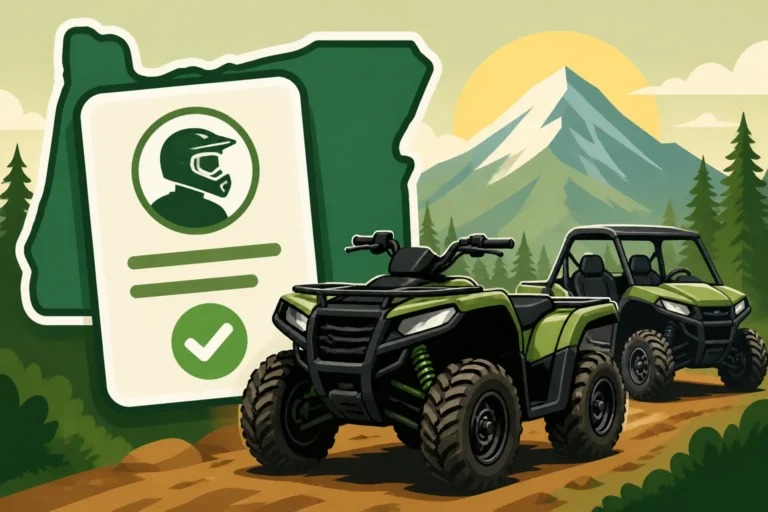
Beyond the permit, one of the most crucial requirements for riding in Oregon is the [Oregon ATV Safety Card Requirements]. This card proves you've completed a state-approved safety education course. The good news is that the online course itself is free, meaning the [Oregon ATV Safety Card Cost] is effectively zero for most riders who complete the state's online curriculum. However, if you opt for an in-person, hands-on training course (which is often highly recommended, especially for new or young riders), there might be a fee charged by the course provider.
Another area where costs can arise is proving ownership. While [Titling an ATV in Oregon Is Optional] for most off-road-only machines, many riders choose to title their ATVs or UTVs anyway. A title provides clear proof of ownership, which can be invaluable if your machine is ever stolen, or if you decide to sell it down the line. If you choose to title your machine, there is a fee associated with the process. [Oregon ATV Title Cost] Even if you don't title, having a robust bill of sale is critical, especially when buying from a private seller. Resources like LawDepot can provide templates for a comprehensive bill of sale, ensuring you have the necessary documentation to prove ownership, which is crucial whether you're getting a permit or selling your machine. Having proper documentation, whether a title or a thorough bill of sale (which you can get from providers like LawDepot), is always a smart move.
For those riding Class II machines, such as certain dune buggies or street-legal UTVs, mandatory liability insurance is a requirement. This is a significant cost that must be factored in, as operating without it can lead to serious legal consequences. [Oregon Insurance Requirements for Class II]
Accessories and Ongoing Maintenance
Beyond the official state fees, the world of OHV riding comes with its own set of practical expenses. Safety gear is non-negotiable. A DOT-approved helmet is legally required for most riders and highly recommended for everyone, and good quality goggles, gloves, and protective clothing are essential for comfort and safety. These are one-time costs, but they add up.
Then there are the ongoing operational expenses. Fuel is a constant, of course, and the thirst of some larger UTVs can be significant. Regular maintenance, such as oil changes, air filter cleaning, chain lubrication (for dirt bikes and quads), and tire checks, is crucial for keeping your machine running safely and reliably. Neglecting maintenance can lead to costly repairs down the road. You'll also need to consider consumables like spark plugs, brake pads, and eventually, new tires.
Finally, think about transportation. Do you have a truck and a trailer suitable for safely hauling your machine to the staging areas? If not, that's another significant investment. If you prefer to camp, campground fees at many OHV areas are another cost to factor in. While the permit fee itself is fixed, embracing the full OHV lifestyle means being prepared for these diverse and sometimes substantial expenditures that ensure a safe and enjoyable experience for years to come.
Disclaimer
This article is for general informational purposes only and does not constitute professional advice. Laws, prices and regulations vary by location and change over time. Consult a qualified professional for guidance on your specific situation.