Oregon Riding Areas Good for Kids
Taking kids to ride in Oregon can be a little nerve-racking: one area may have mellow practice space, while another puts new riders near steep dunes, muddy climbs, or faster traffic. This guide compares family-friendly places to start, explains what makes a riding area manageable for children, and walks through the safety and planning checks that can make the day less stressful.
What makes an Oregon riding area a good fit for kids
Look for manageable terrain, not just a nearby trailhead
A family-friendly riding area is not necessarily one with a playground or a special children’s trail. The more useful question is whether you can find terrain that matches your child’s experience and your machine. A broad, easy-to-see practice area can be a better first outing than a scenic trail network with blind corners, steep grades, or changing surfaces.
Think about how your child handles the machine when something unexpected happens. Can they stop smoothly on loose ground? Do they understand how to slow down before a turn? Can they ride without getting distracted by faster vehicles nearby? If the answer is “not yet,” choose a place where you can practice at a low speed and keep close supervision easy.
Also consider what happens when the ride stops being fun. A young rider may get tired, cold, hungry, or overwhelmed long before the adults are ready to head back. Pick an area where you can return to your vehicle without a long, difficult ride, and avoid planning a full day around a child’s very first outing.
Match the machine, rider, and terrain
Oregon riding areas serve different types of off-highway vehicles. A narrow quad, dirt bike, and wide side-by-side do not have the same needs, and a route that suits one machine may not work well for another. Before choosing a destination, confirm that the vehicle class is allowed and that the route’s width, surface, and difficulty are appropriate.
For younger children, the machine itself matters just as much as the trail. A child who can reach the controls and sit comfortably may still need help building judgment and balance. Start with a short practice session, take breaks, and resist the temptation to let a capable adult’s machine set the pace for the youngest rider.
Oregon’s class definitions and operating rules are worth understanding before loading the trailer. If you’re unsure how your machine fits, review [Which Oregon ATV Class Your Machine Falls Into]. For a child’s requirements, consult [Oregon Rules for Riders Under 16] and [Oregon ATV Safety Card Requirements]. Safety-card rules depend on factors such as vehicle class and rider age, so check the applicable requirements before the trip rather than assuming a child’s experience or a parent’s card covers everyone.
Use maps, but let signs and closures guide the ride
Planning a route at home helps, especially when a riding area has several staging points or a mix of roads and trails. A mapping app such as onX Offroad can help you explore route options and get oriented, but don’t treat an app as permission to ride a particular track. Conditions and access can change, and posted closures or land-manager instructions should take priority.
A good family plan includes a short, simple first loop and a clear turnaround point. Tell your child what to do if the group gets separated: stop somewhere safe, stay visible, and wait for the adult rather than riding around looking for them. Keep the map accessible to the adult leading the group, and check that everyone understands the basic plan before starting.
For a broader look at destinations and riding styles around the state, [Where to Ride an ATV in Oregon] can help you narrow down the region. Then check the area’s official information for current access, staging, and rules before driving out.
Oregon riding areas to consider with children
| Riding area | Why families may consider it | What to think about with kids |
|---|---|---|
| Tillamook State Forest near Browns Camp | Forest setting and a network of OHV routes | Wet, muddy, narrow, or challenging sections may not suit beginners |
| Prospect OHV near Woodruff Play Area | A designated OHV destination with a play-area option | Check current access and seasonal restrictions before traveling |
| Millican Valley near Bend | High-desert riding with open terrain and staging areas | Heat, dust, exposure, and long distances can make preparation important |
| Oregon Dunes National Recreation Area | Memorable coastal riding and expansive dunes | Dune terrain can be demanding; stay within open riding areas and match the child’s ability |
| Christmas Valley dunes | Inland dune riding in a distinctive high-desert setting | Remoteness and limited nearby services call for extra planning |
Tillamook State Forest and Browns Camp
Browns Camp is a familiar starting point for riders exploring Tillamook State Forest, west of Portland and near the Tillamook area. It offers access to a developed OHV trail network, which can appeal to families who want a forest ride rather than a day on open sand. The surrounding landscape, however, does not mean every route is gentle. Coast Range trails can be muddy, uneven, and more technical than they look on a map.
With children, think in terms of picking a short route you can evaluate as you go, not committing to a long loop before you know how the ground feels. Rain can change traction and visibility, and a route that seems manageable to an experienced adult may feel intimidating to a small rider. Keep the group together, take breaks, and turn around if the trail becomes more difficult than expected.
Look at [Oregon's Tillamook State Forest Trails] as part of your planning, then verify current trail conditions and closures with the land manager. If your family is visiting on a busy weekend, factor in other riders, dust, and the time needed to get everyone ready at the staging area. Browns Camp can be a good family destination when the route is chosen carefully; it is not a guarantee that every trail there is beginner-friendly.
Prospect OHV and Woodruff Play Area
Prospect OHV, east of Medford, can be worth considering for families looking for a southern Oregon riding destination. The Woodruff Play Area gives families a named place to investigate when they want to understand what riding options may be available beyond a traditional trail loop. As with any public riding area, access and route conditions can vary, so check current local information before making the drive.
For a first visit with children, keep the goals modest. Set aside time to get comfortable in a low-pressure area before heading out, and agree on a simple route with the adult who knows the terrain best. A child who is having fun on a small section may be ready for more practice, but that does not mean they are ready for a long ride or a difficult trail.
Seasonal closures can affect access in the Prospect area. In particular, do not assume that a location shown in an old trip report is open on the day you plan to visit. Check the current status of the route and the play area, and keep a backup destination in mind. [Prospect's Woodruff Play Area] and [Prospect Trails Opening July First] are useful related topics to explore, but current notices should guide your final decision.
Millican Valley near Bend
Millican Valley offers a very different experience from the Coast Range: open high-desert terrain outside Bend, with staging areas and a broad landscape that can make it easier to see the surrounding area. Families may appreciate the change from forest trails, but “open” does not automatically mean “easy.” Loose ground, dust, exposure to sun and wind, and the distance between places to stop can all affect a child’s comfort.
Plan for the conditions as carefully as you plan for the ride. Bring drinking water, sun protection, food, layers, and a way to communicate if the group spreads out. For children, shorter rides with frequent check-ins are often more enjoyable than a long route with no easy exit. Keep an eye on heat and fatigue: when a child starts making rushed decisions or missing instructions, it is time to take a break or head back.
Millican has multiple staging areas, and riding access can be affected by local conditions or closures. Use onX Offroad to help orient yourself while planning, but confirm route status and boundaries with official information and signs on site. [Millican Valley's Nine Staging Areas] offers more detail for comparing access points, while [Oregon Riding Areas Good for Kids] is best used as a starting point rather than a promise that a particular route suits every child.
Oregon’s dunes and Christmas Valley
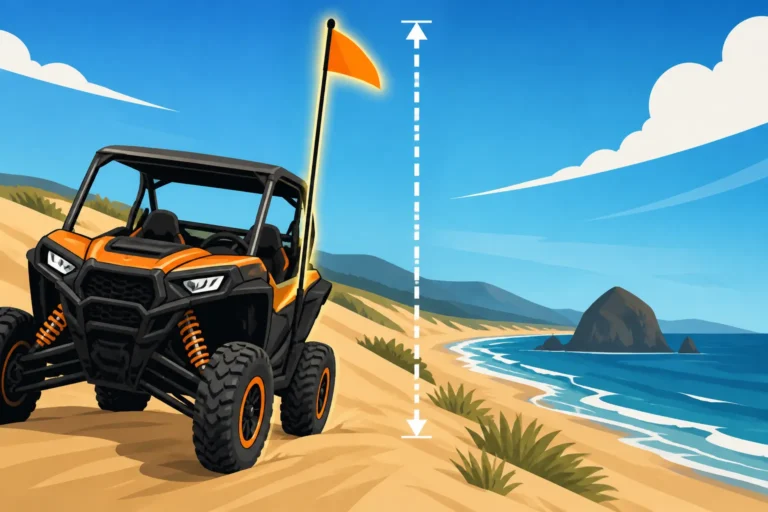
The Oregon Dunes National Recreation Area is a dramatic place to ride, but dunes deserve a more cautious approach with children. Sand can shift under the machine, slopes can hide what is on the other side, and riders may approach from different directions. A child who is new to off-road riding may find a flat practice area far more comfortable than a tall dune face.
If you choose the coast, learn which areas are open to riding and what applies at the staging area you plan to use. Dune closures and restrictions can affect where you can ride, and coastal conditions can add fog, soft sand, and visibility challenges. Stay in suitable open areas, use required safety equipment, and do not let a child follow an unfamiliar rider over a crest. [Oregon Dune Riding Areas Compared] and [Oregon Dune Flags and Whips] can help you prepare for the distinct demands of dune riding.
Christmas Valley offers inland dunes and a high-desert setting, but families should think about remoteness and services before heading out. Carry what you need for a long day, make sure the vehicle and trailer are ready, and avoid letting a child’s first ride become an exhausting expedition. If you want to compare the inland and coastal experiences, [Inland Dunes Versus Coastal Dunes] is a helpful next read.
How to plan a safer family ride
Check requirements before the machine leaves home
A riding permit, safety education requirement, and site or day-use fee are separate considerations. Do not assume that paying a parking or day-use fee means the machine has the required operating permit. Likewise, a permit does not necessarily cover parking or other site charges. Review the rules for your vehicle class and the land where you plan to ride.
Make a small pre-trip checklist for each rider and each machine. Confirm the appropriate permit and decal, required safety education, protective gear, and any route-specific equipment. Oregon’s requirements can differ by class and age, so start with [Oregon ATV Permit for a Youth Quad] if a child will be riding a youth machine, and check [Oregon ATV Permit Decal Placement] so the permit is displayed properly.
If you are visiting from outside Oregon, do not assume your home-state permit or registration automatically meets Oregon’s rules. Read [Oregon Rules for an Out-of-State Machine] before traveling, especially if the trip will last more than a brief visit or involves multiple riding areas.
Set expectations before the first lap
Kids do better when they know what the day will look like. Explain where the group will practice, how far you expect to go, and what signals mean “slow down,” “stop,” or “come back.” Keep the instructions simple, then ask the child to repeat them in their own words. This is more useful than a long safety lecture delivered while everyone is already eager to ride.
Have one adult focus on the child who is learning, rather than expecting the whole group to manage itself. On a busy day, different riders may have different skill levels and want to go different speeds. Agree in advance that no one leaves the group without checking in, and make clear that turning back is a normal choice, not a failure.
Finally, treat fatigue as a safety issue, not a mood to push through. A child who is hungry or cold may stop paying attention. Pack snacks, water, spare layers, and basic first-aid supplies, and build in a calm break before anyone is frustrated. Keep the first outing short enough that the child is still looking forward to the next one.
Keep the day flexible
Even a well-planned trip can change. A route may be closed, the weather may make the terrain harder, or a child may decide they have had enough. Before departure, identify a second option nearby or agree that the family will switch to a shorter ride if conditions are not right.
A useful plan is to choose one primary riding area, one backup, and a firm point at which you will turn around. If you’re using onX Offroad to compare possible routes, save the map details before you lose cell service and still confirm access with posted information. A map can help you avoid confusion, but it cannot tell you whether a particular trail feels comfortable for your child that day.
The best Oregon riding area for kids is the one where the terrain, machine, rider, and conditions line up. Start with a manageable outing, follow the posted rules, and let the child’s comfort—not the adults’ mileage goal—set the pace.
Disclaimer
This article is for general informational purposes only and does not constitute professional advice. Laws, prices and regulations vary by location and change over time. Consult a qualified professional for guidance on your specific situation.