Oregon Class I Versus Class IV
Riding the trails and dunes of Oregon is an incredible experience, but it can feel like you need a law degree just to figure out what kind of machine you even own, let alone what rules apply to it! Many folks get understandably tangled up trying to distinguish between an Oregon Class I and a Class IV ATV, and that confusion can lead to headaches, fines, or simply missing out on the right riding areas. This comprehensive guide is here to untangle the complexities, clearly outlining the differences between Oregon's Class I and Class IV vehicles so you can ride with confidence and clarity.
Understanding Oregon's ATV Classification System
Before we dive into the specifics of Class I and Class IV, it's really helpful to understand why Oregon even has these classifications in the first place. It's not just to make things complicated, I promise! The state's goal is primarily safety, managing the impact of different vehicle types on diverse terrain, and ensuring that trails are appropriately used. Imagine a massive, powerful side-by-side trying to navigate a narrow, winding single-track trail meant for a nimble dirt bike – it wouldn't be safe or sustainable for the trail.
The Importance of Classification
For us riders, knowing our machine's class is absolutely crucial. It dictates everything from where we can legally ride to what kind of safety gear might be recommended, or even mandated, in certain situations. Forgetting this distinction can lead to a Class C traffic violation, which no one wants on their fun day out. An Oregon Parks and Recreation Department (OPRD) ranger, for instance, will definitely be checking your vehicle's characteristics against its permit class. They want to ensure everyone is riding responsibly and that the trail systems are preserved. If you're planning a trip to the Oregon Dunes or the Tillamook State Forest, understanding these classifications is the first step toward a smooth, enjoyable, and legal adventure.
How Oregon Defines an ATV
In Oregon, the term "All-Terrain Vehicle" (ATV) is actually a broad umbrella, not just limited to the traditional "quad" that comes to mind. The state statutes (specifically ORS 801.190 and related sections) define an ATV as any motorized off-highway vehicle, fifty inches or less in width, having a dry weight of 1,200 pounds or less, designed to travel on three or more tires, which is of a type or class manufactured for non-highway use. But then, it expands to include other types that don't fit that initial description, like off-road motorcycles, dune buggies, and yes, even larger side-by-sides. These specific characteristics are what break down the broad ATV definition into more manageable classes, each with its own set of guidelines.
Oregon's Class I All-Terrain Vehicles
When most people picture an ATV, they're probably imagining a Class I machine. These are the workhorses and the thrill-seekers of the off-road world, built for agility and maneuverability.
Defining Characteristics of Class I Machines
Oregon's statutes lay out very specific criteria for a Class I ATV. The most defining characteristics revolve around its physical dimensions and the rider's interface with the machine. A Class I ATV must be 50 inches or less in width. This [The 50-Inch Limit That Defines a Class I] is a critical dimension because it directly impacts which trails your machine can access. Many trails, especially those designed for tighter, more technical riding, are specifically width-restricted to accommodate only these narrower machines.
Beyond width, a Class I machine must have a dry weight of 1,200 pounds or less. "Dry weight" refers to the vehicle's weight without fuel, oil, or coolant. This weight limit helps ensure that these machines remain relatively light and agile. From an operator's perspective, the key identifiers are a straddle seat – meaning you sit on it like a horse or a motorcycle – and handlebars for steering. You won't find a steering wheel or bucket seats on a true Class I ATV. [Oregon's Class I Under ORS 801.190] clearly articulates these points, making it easy to confirm if your quad fits the bill.
Common Examples and Riding Considerations
Think of the classic sport quad or a smaller utility ATV; these are quintessential Class I machines. Popular models might include a Honda TRX450R, a Yamaha Raptor, or a Suzuki KingQuad 400. They are designed for a single rider, although some models are factory-designed to carry a passenger, provided they have designated passenger seating and footrests.
Riding a [A Machine Under 50 Inches Wide] like a Class I quad offers a distinct experience. They excel on tight, winding trails where their narrow profile allows them to slip between trees and navigate challenging terrain with precision. Riders often appreciate their responsive handling and the direct connection to the machine that a straddle seat and handlebars provide. However, their smaller size and lighter weight can also mean a less stable feel in very rough terrain compared to larger machines, and they generally offer less storage or utility capacity. [Making Sure a Quad Counts as Class I] means checking these key dimensions and controls.
Oregon's Class IV Side-by-Sides
Now, let's shift gears to the Class IV machines, which have become incredibly popular for their versatility, comfort, and capacity. These are often what people refer to as UTVs or side-by-sides.
Key Attributes of Class IV Vehicles
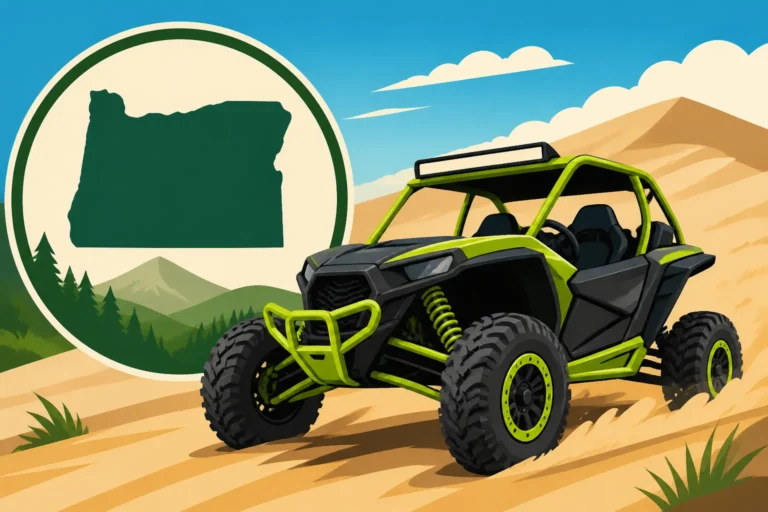
Oregon defines a Class IV All-Terrain Vehicle as a motorized off-highway vehicle that is "a side-by-side or similar vehicle." The primary distinction from a Class I machine is evident in its design for passengers to sit side-by-side in non-straddle seating, typically bucket seats or a bench seat, and it's operated with a steering wheel, much like a car.
Physically, Class IV machines are larger and heavier than their Class I counterparts. They can be up to 75 inches in width – a significant difference from the 50-inch limit of a Class I. This extra width often translates to increased stability and interior space. Their dry weight limit also reflects their larger build, allowing for up to 3,500 pounds. These machines generally come equipped with roll-over protection structures (ROPS) or cages and seatbelts, enhancing safety for multiple occupants. [Oregon's Class IV Side-by-Sides Under 75 Inches] details these crucial aspects of their design.
Popular Class IV Machines and Their Uses
The market for Class IV vehicles is booming, with a vast array of models designed for recreation, utility, and even high-performance sport. You'll find machines like the Polaris RZR, Can-Am Maverick, Honda Pioneer, or Kawasaki Teryx in this category. These are built to accommodate two or more people comfortably, making them fantastic for family outings or group rides.
Their utility extends beyond just recreation. Many farmers, ranchers, and outdoor enthusiasts use Class IV machines for hauling equipment, traversing rugged landscapes, or accessing remote work sites. The larger carrying capacity and the ability to travel with multiple passengers make them incredibly versatile. When you're looking for an [Oregon ATV Permit for a Side-by-Side], you'll be applying for a permit that recognizes these characteristics. The design differences, such as [Straddle Seat Versus Bench Seat in Oregon's ATV Classes] and [Handlebars Versus a Steering Wheel], are what fundamentally separate a Class IV from a Class I.
Key Differences: Class I Versus Class IV in Oregon
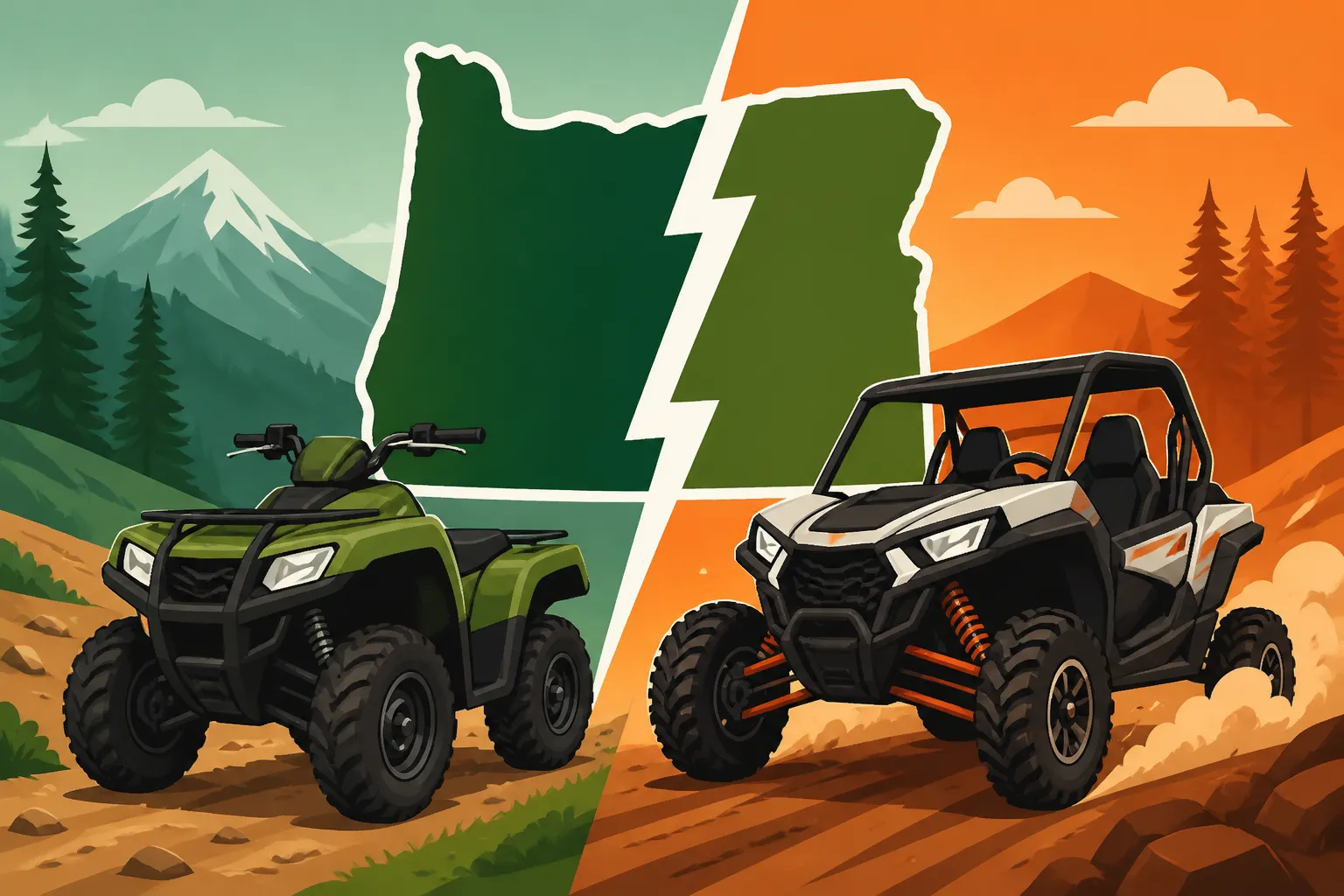
Understanding the individual definitions is one thing, but explicitly comparing them side-by-side truly highlights the distinctions and helps you navigate Oregon's diverse riding opportunities.
Width and Weight Limitations
This is perhaps the most critical difference when it comes to practical riding considerations. A Class I ATV's maximum width is 50 inches, with a dry weight limit of 1,200 pounds. This narrow and lighter profile means Class I machines can access specific trails that are designated "50-inch only," often marked with signs at the trailhead. These trails are generally more technical, winding, and less suitable for wider vehicles.
In contrast, a Class IV side-by-side can be up to 75 inches wide and have a dry weight of up to 3,500 pounds. [Oregon ATV Width Limits by Class] and [Oregon ATV Weight Limits by Class] are designed to ensure safety and prevent undue trail damage. While the larger size of a Class IV provides stability and passenger capacity, it also means these machines are restricted from 50-inch trails. You'll find Class IVs generally welcome on wider forest roads, designated UTV trails, and the vast expanses of the Oregon Dunes National Recreation Area, but they simply won't fit on some of the narrower paths. If you have a [A Machine Over 75 Inches Wide], it won't even qualify as a Class IV, falling into a different category of off-road vehicle entirely with different rules.
Here's a quick comparison of the defining features:
| Feature | Oregon Class I (ATV) | Oregon Class IV (Side-by-Side / UTV) |
|---|---|---|
| Common Name | Quad, Four-wheeler | Side-by-side, UTV, ROV (Recreational Off-highway Vehicle) |
| Steering | Handlebars | Steering wheel |
| Seating | Straddle seat (like a motorcycle) | Non-straddle seating (bucket or bench seats) |
| Minimum Seats | 1 (often factory-designed for 2 riders) | 2 or more |
| Maximum Width | 50 inches | 75 inches |
| Maximum Dry Weight | 1,200 pounds | 3,500 pounds |
| Typical Usage | Recreational, sport riding, tight trails | Recreation, utility, family adventures, work, diverse terrain |
| Safety Features | Helmets mandatory, no inherent cage or seatbelts | Helmets mandatory for under 18 (and often recommended for all), usually includes roll cage and seatbelts |
Seating and Steering Mechanisms
The way you sit and control your machine is a fundamental differentiator between Class I and Class IV. A Class I ATV requires the operator to straddle the engine, similar to riding a motorcycle, and is controlled with handlebars. This design allows for a very dynamic riding style, where the rider's body weight plays a significant role in maneuvering the machine.
Conversely, Class IV vehicles feature non-straddle seating – think bucket seats or a bench seat, like in a car or truck. The operator and passengers sit side-by-side, providing a more car-like experience. Control is managed via a steering wheel and foot pedals, offering a different driving dynamic, often perceived as more comfortable for longer rides or less physically demanding for some operators. These differences not only impact the riding experience but also play into safety considerations, such as the integral roll cages and seatbelts typically found on Class IV machines.
Permit and Safety Card Implications
When it comes to the Oregon ATV Operating Permit, the good news is that the price is the same for both Class I and Class IV machines. [Why the Price Is the Same for Every Class] is a common question, and it's because the permit funds the overall OHV program, trail maintenance, and safety initiatives for all types of ATVs. Whether you're permitting a nimble quad or a robust side-by-side, you'll go through the same process to obtain your two-year permit decal.
However, safety education requirements can have slight nuances depending on the class of vehicle and the rider's age. Generally, anyone operating an ATV (including Class I and Class IV) on public lands in Oregon must have an Oregon ATV Safety Education Card. For Class I and Class III (off-road motorcycles) ATVs, all operators, regardless of age, need a card. For Class IV ATVs, only operators under 16 years old are mandated to have the card, but it's highly recommended for all operators to complete the training for safe operation. When you are acquiring your machine, whether it's a quad or a side-by-side, remember that proper documentation is key. Resources like LawDepot can be invaluable for creating a comprehensive bill of sale, ensuring you have the necessary proof of ownership and a clear record of your purchase, no matter the class of your new off-road vehicle. This attention to detail protects both buyers and sellers in the long run.
Ultimately, understanding whether your machine is a Class I or Class IV is fundamental to enjoying Oregon's fantastic off-road opportunities responsibly and legally. By knowing these distinctions, you can select the right trails, ensure you have the proper permits, and contribute to a safer riding environment for everyone.
Disclaimer
This article is for general informational purposes only and does not constitute professional advice. Laws, prices and regulations vary by location and change over time. Consult a qualified professional for guidance on your specific situation.