Passengers Behind the Operator on a Quad
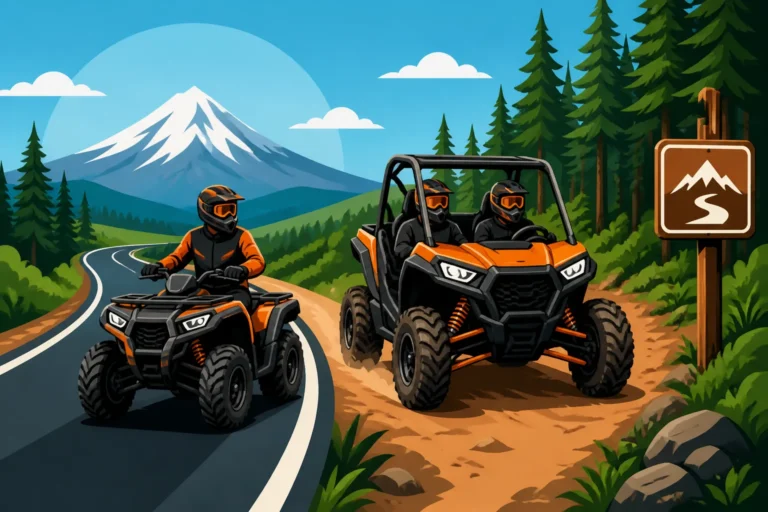
Navigating the rules for carrying passengers on your quad or ATV in Oregon can feel like trying to find your way through a thick fog on the coast – confusing, right? Many of us have been there, wondering if we can take a friend or child along for the ride without running afoul of the law or, more importantly, compromising safety. This guide is here to clear up that fog, walking you through Oregon's specific regulations regarding passengers on ATVs, the crucial differences between machine types, and essential safety considerations to keep everyone on board safe and sound.
Oregon's Foundational Rule for ATV Passengers
When it comes to sharing the ride on an all-terrain vehicle in Oregon, the golden rule is quite straightforward, though often misunderstood: unless your quad was specifically designed by the manufacturer to carry more than one person, you're expected to ride solo. This isn't just a suggestion; it's a safety principle ingrained in Oregon's off-highway vehicle (OHV) regulations, and for good reason.
The "Single Operator Only" Principle
Most traditional ATVs, the ones we often refer to as quads, are engineered for a single operator. Think about it: the seat is typically designed for one, the handlebars are centered for one, and the balance dynamics are calibrated for one rider to control the machine effectively. Introducing a second person, especially if the machine isn't built for it, significantly alters the center of gravity, making the ATV much harder to steer, brake, and maneuver, particularly over uneven terrain or at speed. Oregon understands the inherent risks involved, which is why the default assumption is "one rider, one machine."
Why Manufacturer Design Matters
The design isn't just about comfort; it's about engineering. When a manufacturer designs an ATV for a single rider, they factor in everything from the suspension tuning and tire pressure recommendations to the placement of footrests and the overall weight distribution. Adding an unplanned passenger can overload components, stress the frame, and make the ATV unstable. It’s not just a matter of "can we squeeze on?" but "is this machine designed to safely handle two people?" This distinction is critical in Oregon law, and law enforcement officers, especially rangers at popular riding areas like the Oregon Dunes or Browns Camp, are well-versed in spotting the difference.
Safety and Stability Are Paramount
The state's stance on passengers is fundamentally rooted in safety. An ATV that is overloaded or improperly balanced poses a higher risk of rollovers, loss of control, and subsequent injuries. Imagine navigating a tricky technical section or climbing a steep dune with an unexpected shift in weight from a passenger who isn't used to the ride. That's a recipe for disaster. Oregon's rules aim to mitigate these risks by insisting that if you're going to carry a passenger, your machine must be explicitly built for it, ensuring stability and safety for both occupants.
Distinguishing Between Single-Rider and Two-Up ATVs
Understanding whether your ATV is a single-rider or a two-up model is crucial for staying legal and safe in Oregon. It's not always as simple as just "having a long seat," so let's break down the key differences.
Features of a Factory Two-Up ATV
A true factory two-up ATV, often marketed as a "2-Up" or "Touring" model, will have several distinct features that set it apart from its single-rider counterparts. These aren't just add-ons; they're integrated design elements:
- Extended Seat: The most obvious feature is a significantly longer seat, explicitly designed to accommodate two adults comfortably. This isn't just a stretched-out version of a single seat; it often has a slightly raised rear section, sometimes even with a small backrest for the passenger.
- Passenger Handholds: Look for dedicated handholds or grab rails, typically sturdy bars mounted to the rear rack or integrated into the bodywork, designed for the passenger to securely hold onto. These are vital for the passenger to maintain balance and stability, especially during acceleration, braking, or bumpy terrain. Many aftermarket companies, like SuperATV, offer robust grab handles for machines that are genuinely designed for two-up riding, providing extra security and comfort.
- Dedicated Passenger Footrests: This is a non-negotiable feature. Two-up ATVs will have separate, secure footrests or floorboards specifically for the passenger, positioned to allow for a natural and stable riding posture. These are distinct from the operator's footpegs or floorboards and are robust enough to support the passenger's full weight during dynamic riding. [Foot Pegs and Oregon's Passenger Rule] is a great resource to understand this further.
- Increased Wheelbase and Suspension: Often, two-up models will have a slightly longer wheelbase and a beefier suspension system to better distribute and manage the increased weight of two riders. This helps maintain handling characteristics and ride comfort.
If your ATV lacks these integrated features, it's almost certainly a single-rider machine, regardless of how long you think the seat might be. Attempting to [Riding Two Up Where Oregon Allows One] on a machine not designed for it is both illegal and extremely dangerous.
Identifying a Single-Rider Quad
Conversely, a single-rider quad has a seat, handlebars, and footpegs optimized for one person. The seat typically ends at or just past the rear fender, with no dedicated space or support for a second person. There are no factory-installed passenger handholds or separate footrests. While some might try to add aftermarket components to make a single-rider machine accommodate a passenger, this does not legally or safely convert it into a two-up ATV in Oregon's eyes. The core manufacturer design dictates its capacity. [Riding a Quad the Factory Built for Two] is the only safe and legal way to carry a passenger.
The Dangers of Unapproved Passengers
Carrying an unapproved passenger on a single-rider ATV creates a host of hazards:
- Compromised Balance: The extra weight, especially if shifted unexpectedly, can throw off the machine's balance, making rollovers far more likely.
- Reduced Control: Steering, braking, and acceleration all become less responsive and predictable.
- Visibility Issues: A passenger, particularly a child, can obstruct the operator's view, especially to the sides or rear.
- Increased Braking Distance: The added weight means it takes longer to stop, which can be critical in emergency situations.
- Legal Consequences: Beyond the safety risks, you could face fines and citations for violating Oregon's passenger rules.
It's tempting to want to share the fun with a loved one, but the risks associated with carrying an extra person on a single-rider quad far outweigh the temporary enjoyment. Always prioritize safety and adhere to the manufacturer's design specifications.
Oregon's Specific Regulations for ATV Passengers (Quads)
Oregon's rules concerning passengers on ATVs (Class I and Class III off-road motorcycles) are specific and designed to ensure safety. These regulations apply whether you're tearing up the sand dunes or navigating forest trails.
Off-Road Riding: Trails and Dunes
When you're out on the trails or the expansive Oregon Dunes National Recreation Area, the core rule remains: your quad must be factory-designed for multiple occupants to carry a passenger legally. If it's a single-rider machine, no passengers are allowed. This rule is strictly enforced by Oregon Parks and Recreation Department (OPRD) rangers and other law enforcement agencies in OHV areas.
- Mandatory Features: For a passenger to ride legally on a two-up quad, they must have access to:
- Secure Handholds: Sturdy grab rails or handles that they can hold onto for stability.
- Dedicated Footrests: Separate, robust footrests positioned so the passenger can maintain proper foot placement and balance. [Foot Pegs and Oregon's Passenger Rule] elaborates on this requirement. This isn't about simply resting feet on the operator's feet or the machine's bodywork; it's about having their own stable platforms.
- No Lap Riding: Under no circumstances is it permissible for a passenger to ride in the operator's lap. This is incredibly dangerous as it restricts the operator's movement and visibility, compromises balance, and offers virtually no protection to the passenger in the event of a sudden stop or impact. [No Riding in the Operator's Lap] is explicitly forbidden due to these extreme safety hazards.
Age Restrictions for Passengers on Quads
Oregon also has specific age guidelines for children riding as passengers:
- Under 16 Requirement: A child under 16 years of age riding as a passenger on an ATV must meet certain criteria. They need to be able to reach the handholds and footrests designed for the passenger. Their size and maturity are important factors. This isn't just a physical requirement; it speaks to their ability to react and hold on properly.
- Safety Card for Youth Riders: While the passenger doesn't need an ATV Safety Education Card if they are strictly a passenger, it's worth noting that if they ever operate the machine themselves, they absolutely will. For more details on youth riding rules, you can consult [Oregon Rules for a Rider Under 16].
Helmet Law for All ATV Riders and Passengers
This is one of the most critical safety rules in Oregon and applies universally:
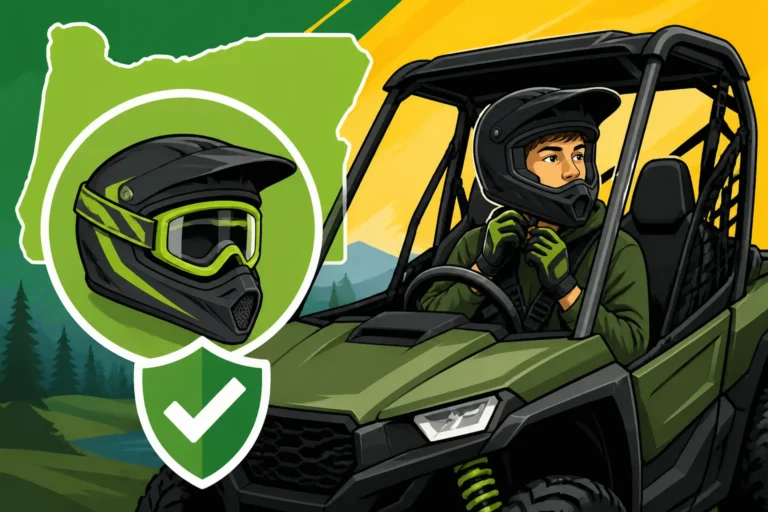
- Every Rider, Every Time: Anyone operating or riding as a passenger on an ATV, regardless of age, must wear a Department of Transportation (DOT) compliant helmet. This is not optional. A helmet is your primary defense against head injuries, which are tragically common in ATV accidents.
- Proper Fit and Chin Strap: The helmet must fit snugly and be securely fastened with a chin strap. A loose helmet offers little protection.
- Adults and Children: The law makes no distinction based on age for helmet use on ATVs. [Oregon Helmet Law for ATV Riders] covers the general rules, while [Oregon Helmet Law for Adults] and [Oregon Helmet Law for Riders Under 18] provide specific details for different age groups. Even a quick jaunt from your campsite to the trailhead requires a helmet.
On-Road Riding: Designated Routes and Crossings
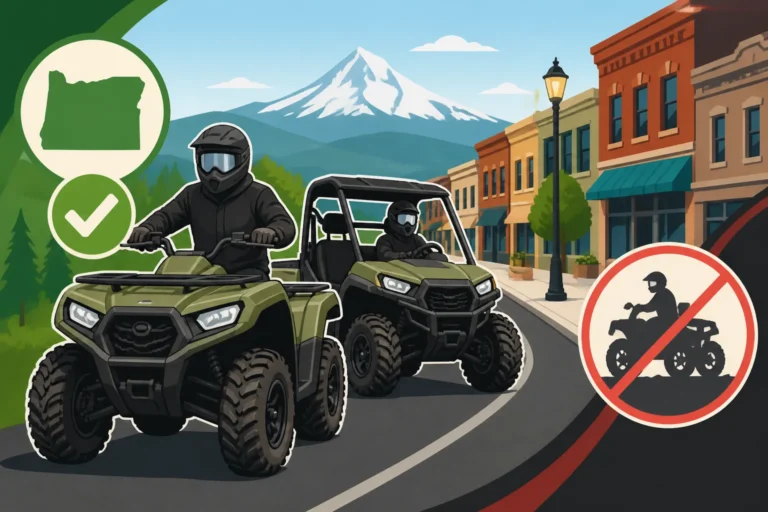
While most ATVs are strictly off-road vehicles, Oregon does permit Class II and some Class IV machines to become street-legal under certain conditions, and it has a few designated highway access routes for OHVs. For traditional quads (Class I and III), crossing a public road at a right angle is usually the extent of their "on-road" use.
If you are on a designated highway access route or legally crossing a paved road, the passenger rules for quads remain the same as off-road: the machine must be factory-designed for two, with proper handholds and footrests, and all helmet laws apply. Law enforcement, like an Oregon Trooper, will verify these details during a roadside stop. [What a Trooper Asks for for at a Roadside Stop] is a good read to understand what kind of information and compliance they'll be looking for.
Failing to adhere to these passenger regulations can result in fines and, more importantly, put yourself and your passenger at unnecessary risk. Always ensure your quad is designed for two, and that your passenger is properly equipped and aware of safe riding practices.
Side-by-Sides (Class IV) and Passengers: A Distinct Approach
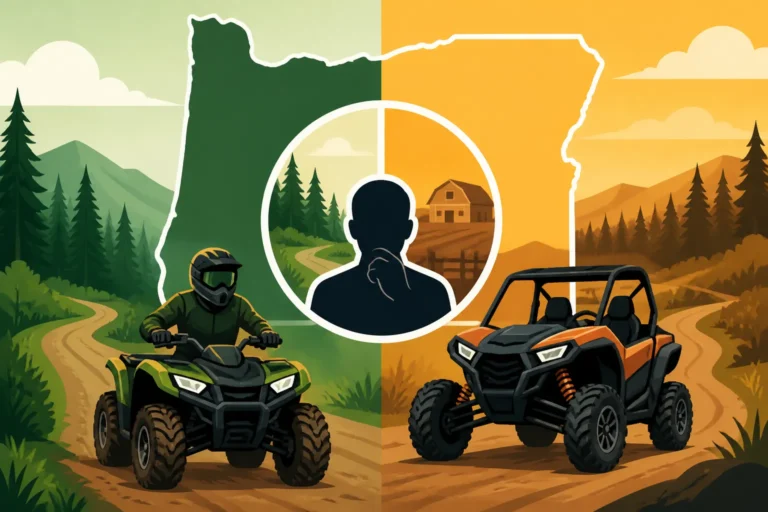
While traditional quads have stringent passenger rules centered on factory two-up designs, side-by-sides (UTVs), which fall under Oregon's Class IV designation, offer a different and generally more accommodating scenario for carrying passengers.
Factory Design for Multiple Occupants
The fundamental difference lies in their design. Side-by-sides are almost universally manufactured with multiple seating positions, typically a bench seat or individual bucket seats side-by-side (hence the name). This design inherently allows for one or more passengers in addition to the operator.
- Bench Seats vs. Straddle Seats: Unlike the straddle seat of a quad, UTVs feature bench or bucket seats, similar to a car. This allows passengers to sit comfortably next to the driver or in a second row, depending on the model. The design naturally accounts for the weight and space of multiple individuals.
- Integrated Seatbelts: A critical safety feature of side-by-sides is the factory-installed seatbelt system. Just like in a car, these restraints are designed to keep occupants secure in their seats during movement, bumps, or unexpected maneuvers. Everyone in a side-by-side must use the provided seatbelts, even if it feels like a short, slow ride. This is a non-negotiable safety requirement.
- Roll Cages and Enclosures: The presence of a roll cage or a fully enclosed cabin in many UTVs offers an additional layer of protection for all occupants, which is a significant advantage over open-design quads.
Capacity and Seating Positions
Side-by-sides come in various configurations, from two-seaters to four-seaters and even six-seaters. The key is to adhere to the manufacturer's designated seating capacity. If your UTV has four seatbelts, it's designed for a driver and three passengers. Overloading a side-by-side by trying to squeeze more people than there are designated seating positions and seatbelts is illegal and extremely unsafe.
[Oregon Passenger Rules in a Side-by-Side] offers more detailed insights into these specific regulations. It's essential to understand that simply having space doesn't mean it's a legal seating position without a corresponding seatbelt and designated seat.
Age and Height for Passengers in UTVs
Oregon law outlines specific requirements for youth passengers in side-by-sides, particularly concerning the use of seatbelts and the ability to reach handholds.
- Seatbelt Use: All passengers, regardless of age, must wear a seatbelt.
- Children and Proper Restraint: Younger children may require appropriate booster seats or car seats if they cannot be properly secured by the UTV's standard seatbelt system. This is especially true for very small children whose heads might be above the top of the seat back, or whose shoulders are below the shoulder belt, making the seatbelt less effective or even dangerous.
- Handholds and Footwells: While seatbelts are paramount, passengers should also utilize any available handholds for additional stability and keep their feet securely within the footwells at all times. This prevents limbs from accidentally extending outside the vehicle's footprint during turns or bumps.
- [Buckling a Child Into a Cage] offers vital guidance on how to safely secure younger passengers in a UTV. Ensuring a child is properly restrained and protected within the roll cage is paramount.
Helmet Rules for Side-by-Sides
The helmet rules for side-by-sides in Oregon are slightly different from those for quads, due to the inherent protection offered by the roll cage and seatbelts:
- Under 18: Anyone under the age of 18, whether operating or riding as a passenger in a Class IV side-by-side, must wear a DOT-compliant helmet. This rule is strictly enforced.
- 18 and Over: If you are 18 years of age or older, and your side-by-side has a factory-installed roll cage and seatbelts, you are generally not required to wear a helmet. However, while not legally mandated for adults, many experienced riders still choose to wear helmets for added protection, especially in challenging terrain or during higher-speed excursions. It's a personal choice based on risk assessment.
In summary, side-by-sides provide a safer and legally clearer path for carrying passengers due to their multi-seat design, integrated seatbelts, and roll cages. However, strict adherence to capacity limits, seatbelt use, and helmet laws for minors remains critical for everyone's safety and legal compliance. [Oregon Driver's License Rules for Class IV] is also a good resource for drivers of these machines.
Safety Considerations and Best Practices for Carrying Passengers
Carrying a passenger on any OHV, even one designed for it, introduces new dynamics. To ensure the safest possible experience for both operator and passenger, a few best practices and safety considerations are absolutely essential.
Pre-Ride Briefing for Passengers
Before you even start the engine, a quick chat with your passenger can make a huge difference. Especially if they're new to ATV or UTV riding, they need to understand what to expect.
- Lean with the Rider (Quads): On a two-up quad, the passenger plays an active role in maintaining balance. Instruct them to lean with you as you navigate turns and terrain. They should never lean the opposite way or remain rigid. Explain how important it is for them to become "one with the machine" with you.
- Hold On Securely: Show them where the handholds are and instruct them to use them constantly. On a UTV, emphasize holding onto grab handles or the roll cage, especially over bumps.
- Keep Feet on Footrests/Inside Vehicle: Stress the importance of keeping their feet firmly on the designated footrests (quads) or inside the vehicle's footwell (UTVs) at all times. Dangling feet can get caught, injured, or interfere with your operation.
- No Sudden Movements: Ask them to avoid sudden, unexpected movements that could throw off your balance or concentration, particularly when riding on a quad.
- Communication Signals: Establish simple hand signals or verbal cues for common needs, like "slow down," "stop," or "I'm okay." Riding can be noisy, so clear communication is key.
- Trust and Confidence: Reassure them that you'll ride within your limits and theirs, building trust and helping them relax and enjoy the ride.
Adjusting Your Riding Style
With a passenger on board, your riding style needs to adapt significantly.
- Slower Speeds: You'll need to reduce your speed, especially on rough or unfamiliar terrain. The added weight and higher center of gravity mean the machine will handle differently and take longer to stop.
- Smoother Inputs: Be much smoother with your throttle, braking, and steering inputs. Jerky movements can be jarring for a passenger and lead to instability. Gradual acceleration and gentle braking are your friends.
- Increased Braking Distance: Always remember that your braking distance will be longer due to the extra weight. Start braking earlier and more gently.
- Wider Turns: Take turns wider and at a reduced speed. The machine's cornering dynamics change with a passenger, and pushing it too hard can easily lead to a rollover.
- Avoid Extreme Terrain: Steer clear of aggressive jumps, steep inclines, deep mud, or highly technical trails that you might tackle solo. Your priority is the safety and comfort of your passenger.
Passenger Gear and Equipment
Just like the operator, a passenger needs appropriate safety gear.
- DOT-Compliant Helmet: As discussed, this is non-negotiable for all quad passengers and UTV passengers under 18 in Oregon. Ensure it fits correctly and the chin strap is fastened.
- Eye Protection: Goggles or a helmet visor are crucial to protect eyes from dust, debris, and branches.
- Over-the-Ankle Boots: Sturdy boots protect feet and ankles from impacts, heat, and crushing injuries.
- Long Pants and Long-Sleeved Shirt: Durable clothing helps protect against scrapes, cuts, and sun exposure.
- Gloves: Provide better grip and protect hands from blisters, abrasions, and impacts.
- SuperATV Accessories for Comfort and Safety: For UTVs, consider accessories like a comfortable seat insert or an enhanced grab handle from a brand like SuperATV, which can make the ride more enjoyable and secure for your passenger. While not legally required, these kinds of comfort and safety enhancements can significantly improve the passenger experience, especially on longer rides.
- Hydration and Snacks: On longer rides, pack water and snacks, especially if you're riding with children.
By taking these precautions and adopting a more cautious approach, you can ensure that carrying a passenger is a safe and enjoyable experience for everyone involved, creating lasting memories rather than unfortunate incidents.
Consequences of Improper Passenger Carrying
Ignoring Oregon's rules about carrying passengers on ATVs isn't just a matter of principle; it carries real risks and consequences, both legal and practical. Understanding these can help reinforce why adherence to the regulations is so important.
Legal Penalties and Fines
Oregon takes OHV safety seriously, and that includes proper passenger protocols. If you're caught carrying a passenger improperly on your ATV or UTV, you could face legal repercussions:
- Citations and Fines: Law enforcement officers, whether it's an OPRD park ranger, county sheriff, or Oregon State Police trooper, can issue citations for violating passenger laws. These are typically Class C traffic violations, and while the specific cost can vary, they often involve a substantial fine.
- "No Helmet" Violation: If your passenger (especially if under 18 or on a quad) isn't wearing a helmet, that's an additional, separate violation with its own fine, often stacking up with other offenses.
- Additional Charges: Depending on the severity of the situation or other concurrent violations (e.g., reckless operation, riding in a restricted area), you could face more serious charges.
- Embarrassment and Delays: Getting pulled over and cited can put a significant damper on your ride, causing delays and considerable embarrassment, especially if you're with family or friends. A simple stop can quickly turn into a lengthy discussion about regulations and paperwork. [What a Trooper Asks for at a Roadside Stop] gives you an idea of the questions you might face.
Increased Risk of Accidents and Injuries
Far more serious than a fine is the heightened risk of an accident and injury. This is the primary reason these laws exist.
- Compromised Handling: As discussed, an improperly weighted or overloaded ATV is inherently unstable. It's harder to steer, brake, and maintain control, especially on varied terrain. This means you're more likely to crash, roll over, or lose control.
- Severe Injuries: ATV accidents, even at low speeds, can result in severe injuries. Without proper seating, handholds, and footrests, a passenger is particularly vulnerable to being thrown from the machine, striking obstacles, or being crushed in a rollover. Head injuries, broken bones, and internal injuries are sadly common.
- Operator Injury: It's not just the passenger at risk. A loss of control due to an improper passenger can easily lead to serious injury for the operator as well.
- Long-Term Consequences: Accidents can lead to extensive medical bills, lost wages, and long-term physical and emotional trauma for everyone involved.
Insurance Implications
Your insurance coverage might not be as robust as you think if you're operating outside the law.
- Coverage Denials: In the event of an accident, your ATV insurance policy might deny coverage if it's determined that you were operating the machine illegally – for instance, carrying an unauthorized passenger on a single-rider quad. This could leave you personally liable for medical expenses, property damage, and legal fees, which can quickly add up to tens or even hundreds of thousands of dollars.
- Liability: If your passenger is injured while you were operating the ATV in violation of state laws or manufacturer guidelines, you could be found personally liable for their injuries, leading to lawsuits and significant financial burden. [Insurance and Oregon Class II Machines] touches on insurance requirements for a specific class, but the principle of coverage denial for illegal operation applies broadly.
Damage to Your Machine
Carrying an unauthorized passenger can also put undue stress on your ATV's components.
- Overloading: Exceeding the manufacturer's weight capacity can strain the suspension, frame, engine, and tires, leading to premature wear, component failure, and costly repairs.
- Warranty Voidance: Operating your ATV outside the manufacturer's specified conditions, such as exceeding passenger limits, can void your warranty, leaving you on the hook for any mechanical issues.
Ultimately, the small pleasure of an illegal ride with an extra passenger is simply not worth the significant legal, financial, and safety risks. Adhering to Oregon's passenger rules is a commitment to responsible riding and the well-being of everyone on and around your machine.
Disclaimer
This article is for general informational purposes only and does not constitute professional advice. Laws, prices and regulations vary by location and change over time. Consult a qualified professional for guidance on your specific situation.