Why Oregon’s DMV Does Not Register ATVs
It’s a common moment of frustration for many new (and even seasoned) ATV and UTV owners in Oregon: you've got your shiny new machine, or maybe you just bought a used quad, and your first thought is usually, "Time to head to the DMV to get this registered!" But then you hit a wall. The Department of Motor Vehicles, the place you go for your car, truck, and motorcycle registration, doesn't handle your off-highway vehicle (OHV). This guide will unravel that confusing reality, explaining exactly why the DMV isn't the agency you're looking for and where you should go instead.
The Fundamental Split: Road Vehicles Versus Off-Highway Machines
The core reason Oregon's DMV doesn't handle ATV registration comes down to a fundamental distinction: the DMV's primary role is to manage vehicles designed and primarily intended for public road use. Off-highway vehicles, by their very nature, are not designed for public roads. This separation isn't unique to Oregon, but it often trips up riders who are used to a one-stop shop for all their vehicle paperwork.
Why the DMV Focuses on Pavement
Think about the functions of the DMV: issuing driver's licenses, registering cars, trucks, and street-legal motorcycles, and managing titles for these vehicles. All these tasks are centered around machines that travel on paved roads, highways, and city streets. The rules, regulations, and even the mechanical requirements (like turn signals, headlights, and mirrors) are designed with road safety and traffic flow in mind. Your average quad, with its knobby tires, high ground clearance, and lack of street-legal equipment, simply doesn't fit into that framework.
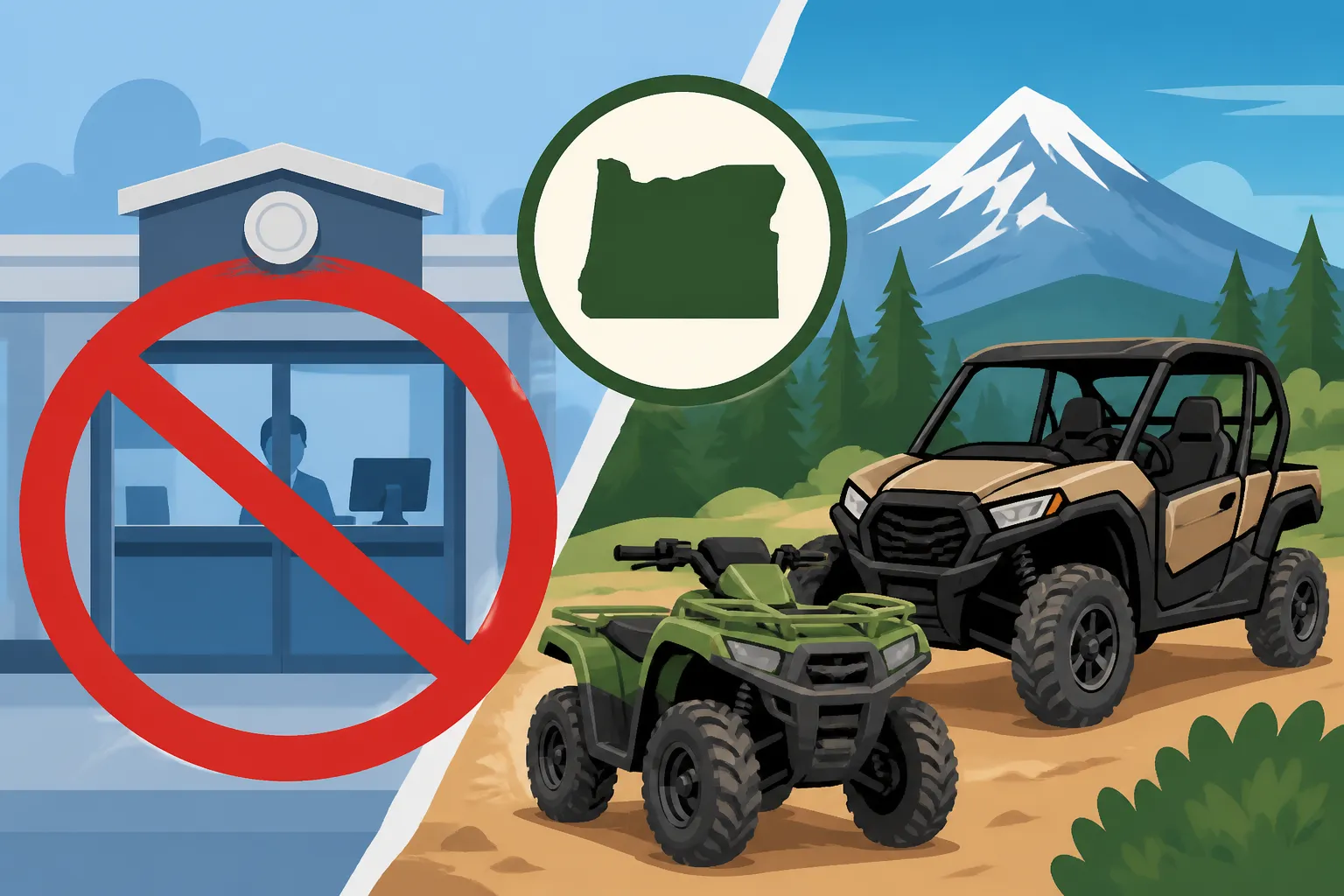
When you try to "register" an ATV at the DMV, you're essentially asking them to process a vehicle that doesn't meet the criteria for their operational scope. They don't have the systems, the forms, or the legal mandate to handle traditional OHV permits. This can be a real headache, especially if you're new to the state or new to the world of off-roading, and you've already spent time waiting in line only to be turned away. It’s not that they don’t want to help, it’s that their job is quite distinctly defined.
The Different Worlds of State Agencies
Because OHVs operate in a completely different environment—the dunes, forest trails, and remote riding areas—a different state agency is tasked with overseeing them. This agency needs expertise in recreational land use, environmental protection, and off-road safety, rather than highway safety and traffic enforcement. The Oregon Parks and Recreation Department (OPRD) steps into this role, managing the state's OHV permit program and ensuring that riding opportunities are available and sustainable.
It's a system designed to ensure that each type of vehicle is regulated by the department best equipped to handle its unique characteristics and impacts. For example, OPRD is intimately familiar with the specific requirements for [Oregon ATV Permit Decal Placement] on various machine types, something the DMV would have no reason to know. This division of labor helps streamline processes, even if it initially creates confusion for the public trying to figure out where to go. It’s like going to the Department of Fish and Wildlife for a building permit—it’s just not their domain.
The Role of the Oregon Parks and Recreation Department OPRD
So, if not the DMV, then who? In Oregon, the Oregon Parks and Recreation Department (OPRD) is the state agency responsible for managing the off-highway vehicle program. This includes everything from issuing permits to overseeing riding areas and promoting safety education.
OPRD's Oversight of OHV Programs
OPRD's involvement with OHVs extends far beyond just issuing permits. They are the stewards of many of the state's most popular riding destinations, from the famed Oregon Dunes to the vast network of trails in the Tillamook State Forest. This means they are responsible for maintaining trails, developing new riding opportunities, and enforcing the rules that keep riders safe and protect natural resources. The money collected from OHV permits directly supports these efforts, funding critical infrastructure and educational programs. You can read more about [Where Oregon ATV Permit Money Goes].
When you purchase an Oregon ATV Operating Permit through OPRD, you're not just getting a sticker for your machine; you're contributing to the entire ecosystem of off-road recreation in the state. This agency has a dedicated OHV program staff who understand the nuances of off-road riding, the different types of machines, and the unique challenges and joys that come with exploring Oregon's backcountry on two, three, or four wheels. They are the ones who can tell you precisely [Which Oregon ATV Class Your Machine Falls Into] based on its specifications.
The OHV Permit Program
Instead of "registration," what ATVs and UTVs in Oregon require is an "operating permit." This permit is essentially your permission slip to ride on designated OHV trails and areas across the state. It's a decal that gets affixed to your machine, visible for park rangers and law enforcement to see. This system allows OPRD to track usage, fund programs, and ensure that riders are aware of the rules.
The operating permit system is straightforward. You purchase a permit, affix the decal, and you're good to go for two years. This helps fund the very trails and facilities you enjoy. Unlike a vehicle registration which links you to a specific vehicle for taxation and liability on public roads, the OHV permit is about access and funding the maintenance of the off-road infrastructure. It's an important distinction that explains why the DMV, with its road-centric mandate, isn't involved. Many riders appreciate the simplicity and the direct link between their permit fee and the improvement of their riding experiences.
Permits Versus Registration: The Key Distinction
This might sound like semantics, but in the eyes of Oregon law, there's a significant difference between a vehicle "registration" and an "operating permit." Understanding this distinction is crucial to knowing which agency handles what.
What "Registration" Truly Means in Oregon
In the context of the Oregon DMV, "registration" primarily means formally recording a vehicle as capable of being operated on public roads. This involves ensuring it meets specific safety standards (like lights, horn, mirrors), paying road-use fees (which factor into things like vehicle weight and fuel efficiency), and often proving liability insurance. When a vehicle is "registered" with the DMV, it's assigned a license plate and often a unique registration number, all tied to its use on state highways and local streets. This system is designed for accountability, taxation, and traffic enforcement on shared public roadways.
The reason most ATVs don't fit this model is because they are not built for or intended for street use. Most simply can't legally meet the safety equipment requirements to be driven on a paved public road. Furthermore, the fees associated with road registration are meant to maintain those roads, which is not where most OHVs spend their time. This is why you'll never see a traditional quad with a standard Oregon license plate. This distinction helps clarify why you need an [Oregon's ATV Operating Permit] from OPRD, not a DMV registration.
The Purpose of an OHV Operating Permit
An "operating permit," on the other hand, is specific to off-highway recreation. Its primary purpose is to grant permission to use designated OHV facilities and areas and to collect funds for the management and maintenance of those recreational resources. The permit fee directly supports trail grooming, staging area improvements, signage, and essential OHV safety and education programs. It's less about regulating a vehicle for general public road use and more about ensuring the sustainability and safety of a specific type of recreational activity.
Think of it like a pass to a state park or a fishing license. You're not "registering" your fishing pole with the state, you're getting a permit to participate in an activity. Similarly, your ATV isn't being registered as a road-worthy vehicle; it's being permitted for off-road recreation. This makes perfect sense when you consider that OPRD is the agency managing the land where most of these machines operate. You can easily find [Where Oregon Sells ATV Permits] through various channels, making it convenient for riders.
| Feature | Oregon DMV Registration (Road Vehicles) | OPRD Operating Permit (OHVs) |
|---|---|---|
| Purpose | Regulates vehicles for public road use, taxation, and liability | Grants access to OHV riding areas, funds OHV programs |
| Issued By | Department of Motor Vehicles (DMV) | Oregon Parks and Recreation Department (OPRD) |
| Applies To | Cars, trucks, street-legal motorcycles, RVs, etc. | ATVs, UTVs, dirt bikes, sand rails, off-road motorcycles, etc. |
| Outcome | License plates, official vehicle registration document | Decal affixed to the OHV, permit card |
| Duration | Typically annually or biennially (e.g., 2 years) | Two years from the month of purchase |
| Cost Basis | Varies by vehicle type, weight, and sometimes age | Single flat fee for all OHV classes (see [Oregon ATV Permit Cost]) |
| Key Requirement | Road-legal safety equipment, insurance often mandatory | Spark arrester, sound compliance, safety education card |
| Primary Use | Public roads and highways | Designated OHV trails, dunes, and riding areas |
When the DMV Does Get Involved: Street-Legal Machines
While the vast majority of ATVs and UTVs don't register with the DMV, there's a niche category that does interact with the department: specific off-highway vehicles that have been modified or manufactured to be street-legal. This is where things can get a little more complex, and it’s a source of ongoing confusion for many riders.
The Exception: Class II ATVs
Oregon law defines several classes of ATVs, and one of them, [Oregon's Class II Under ORS 801.193], stands out. Class II ATVs are defined as "any motor vehicle with a dry weight of 800 pounds or less and a width of 50 inches or less that is designed to be operated over unimproved terrain and that is not a Class I or Class III all-terrain vehicle." What makes Class II unique is that, unlike other OHV classes, these machines can be modified and registered for street use if they meet specific requirements. This includes vehicles like certain off-road motorcycles, dune buggies, and sand rails.
If you own a Class II machine and want to operate it legally on public roads, you absolutely will go to the DMV. You'll need to ensure your vehicle complies with all state and federal safety standards for on-road use, which means adding things like headlights, taillights, turn signals, mirrors, a horn, and potentially more. Once it passes inspection and you provide proof of insurance, the DMV will issue a license plate and standard vehicle registration, just like a car. This is a very specific process and doesn't apply to the typical quad or side-by-side that most people associate with "ATV." The DMV will ensure your machine meets all the criteria for [Oregon Street Legal UTV Requirements] before issuing a plate.
Titling an OHV: A Separate Process
Another area where the DMV can be involved, though optionally for most OHVs, is titling. In Oregon, [Titling an ATV in Oregon Is Optional] for most off-highway vehicles. This means you don't have to get a title from the DMV for your quad or dirt bike if you only plan to ride it off-road. However, you can choose to get a title. A title is a legal document proving ownership, and while not mandatory for off-road operation, many people find it valuable for several reasons:
- Proof of Ownership: It makes proving you own the machine much easier, especially if you ever need to sell it or claim it if stolen. A strong bill of sale, perhaps generated through a service like LawDepot, combined with an official title, provides undeniable proof.
- Preventing Fraud: A title helps deter theft and makes it harder for someone to fraudulently sell a machine that isn't theirs.
- Financing: Lenders often require a title if you're financing the purchase of an ATV.
So, while "registration" for most OHVs is handled by OPRD, the DMV does offer optional titling services for them. If you decide to title your machine, you'll work with the DMV, but remember, this is about legal ownership documentation, not about getting permission to ride off-road—that still comes from OPRD's permit program. Many riders appreciate having the option to secure a title, even if they never plan to put plates on their machine.
Navigating Proof of Ownership Without a Title
Since titling is optional for most ATVs and UTVs in Oregon, many machines change hands without ever having a formal title document. This can lead to questions about how to prove ownership, especially when buying or selling a used machine or dealing with insurance claims.
The Importance of a Bill of Sale
Without a DMV-issued title, your best friend for proving ownership is a comprehensive bill of sale. This document acts as the legal record of the transaction between buyer and seller. A good bill of sale should include:
- The full names and contact information of both the buyer and seller.
- The date of the sale.
- A detailed description of the ATV, including make, model, year, and crucially, the Vehicle Identification Number (VIN).
- The agreed-upon purchase price.
- A statement that the seller is the legal owner and has the right to sell the machine, and that it is free of liens or encumbrances.
- Signatures of both parties.
Having a robust bill of sale is critical not just for legal proof, but also for getting your OPRD permit. When you go to purchase your [Oregon ATV Permit for a Used Quad] at an authorized vendor, they'll want to see proof that you legitimately own the machine, and a bill of sale is often the easiest way to do that. Online legal document services, such as LawDepot, can be incredibly helpful for drafting a thorough and legally sound bill of sale, ensuring all the necessary details are covered to protect both parties involved in the transaction.
What to Do if You Don't Have a Title or Bill of Sale
This is where things can get tricky. If you've bought an ATV without a title and somehow misplaced the bill of sale, proving ownership becomes a challenge. You might have received the machine as a gift, or perhaps you purchased it years ago from a friend and never formalized the paperwork. Without these documents, you could face difficulties when trying to sell the machine, insure it, or even get your OPRD operating permit.
In such scenarios, you might need to gather alternative forms of evidence. This could include old insurance policies, repair records with your name on them, or even sworn affidavits from witnesses who can attest to your ownership. For example, if you bought a quad from a private seller who "kept no records" and now you need to permit it, you might find yourself in a bind. While it won't resolve all issues, having your original purchase receipt, even from an out-of-state dealer, combined with a custom document from a service like LawDepot detailing the transfer, can offer stronger support for your claim of ownership. It's always best practice to create a bill of sale even for casual sales between friends to avoid future headaches.
Where to Go for Your ATV Needs
So, now that we've cleared up where not to go, let's talk about where you should direct your ATV-related inquiries and transactions in Oregon. Knowing the right channels will save you a lot of time and potential frustration.
Getting Your ATV Operating Permit
For your mandatory [Oregon's ATV Operating Permit], you have several convenient options, all managed through or authorized by the Oregon Parks and Recreation Department:
- Online: The quickest and often easiest way to get your permit is directly through the OPRD website. You can purchase your permit, print a temporary one to ride immediately, and your official decal will be mailed to you. This is perfect for those last-minute decisions to hit the dunes or trails. You can learn more about [Buying an Oregon Permit Online].
- Authorized Vendors: OPRD partners with numerous permit agents across the state. These are often ATV dealerships, sporting goods stores, or even small businesses in towns near popular riding areas. They can process your permit purchase on the spot, providing you with your decal right away. This is a great option if you prefer to handle things in person and get immediate gratification. You can often find a full list of these locations on the OPRD website, making it easy to find [Oregon Permit Agents You Can Walk Into] near your home or your riding destination.
- Oregon State Parks: Some Oregon State Parks with OHV access or nearby riding areas also serve as permit agents. If you're planning a trip to one of these locations, you might be able to pick up your permit directly there.
Remember, regardless of where you purchase it, the permit costs the same, and it's valid for two years from the month of purchase. This permit is required for any OHV operating on public land in Oregon, even if you’re just visiting from out of state and already have a sticker from somewhere like California or Nevada. [Oregon Rules for an Out-of-State Machine] still require you to get an Oregon permit if you're staying for more than 30 days.
Essential Safety Education
Beyond the operating permit, another critical component of responsible ATV ownership in Oregon is the [Oregon ATV Safety Card Requirements]. While not handled by the DMV, this is a vital piece of the puzzle for many riders:
- Online Safety Course: Oregon offers a free, online safety course that covers everything from safe riding techniques to environmental awareness and state regulations. Passing this course earns you your safety education card.
- Hands-On Training: For riders under 16, a hands-on training component is often required in addition to the online course. These courses are typically offered by certified instructors at various locations throughout the year.
The safety card is a lifetime certification, and while riders 16 and older with a valid driver's license are exempt from carrying the card, completing the education is still highly recommended for everyone. For those under 16, carrying the card is mandatory. This educational component ensures that all riders, especially youth, understand the risks and responsibilities that come with operating an OHV, fostering a safer riding community for everyone.
By understanding these distinctions and knowing which agencies handle which aspects of ATV ownership, you can navigate the system much more smoothly and spend less time confused and more time enjoying Oregon's fantastic off-road opportunities.
Disclaimer
This article is for general informational purposes only and does not constitute professional advice. Laws, prices and regulations vary by location and change over time. Consult a qualified professional for guidance on your specific situation.