Does a Winter Purchase Need a Permit Before Spring?
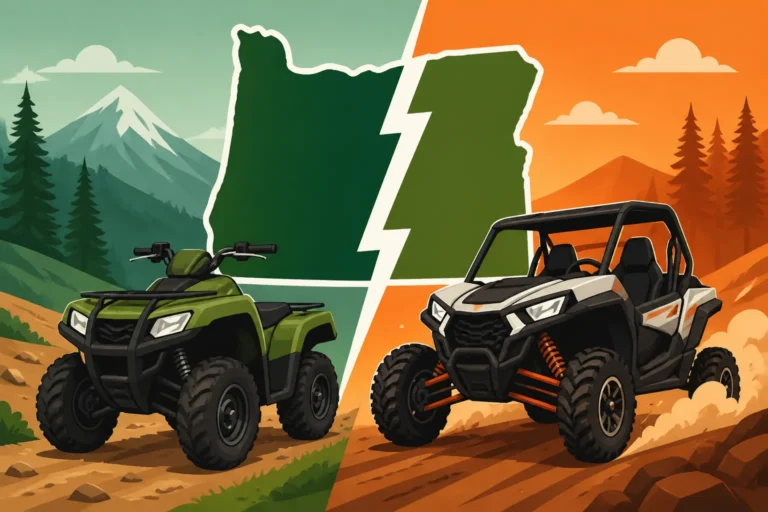
You've just pulled the trigger on that dream quad or side-by-side, snagging a fantastic deal during the slower winter months. Now it's sitting in your garage, gleaming under the shop lights, but the trails are muddy or covered in snow, and spring feels ages away. A common question that pops up for many Oregon ATV and UTV enthusiasts is whether that brand-new winter purchase needs an operating permit right now, or if you can wait until the sunny spring days arrive to hit the trails. This guide will walk you through Oregon's permitting rules, helping you understand exactly when and why you need that decal on your machine, even if it's currently tucked away for the season.
Understanding Oregon's ATV Permit Mandate Right After Purchase
It's tempting to think that if your new machine isn't hitting the dirt, sand, or snow right away, the permit can wait. However, Oregon's system has specific triggers for when that permit becomes mandatory, and it's not always tied to the exact moment your tires touch public land. The core idea behind [Oregon's ATV Operating Permit] is to ensure that every off-highway vehicle (OHV) being operated on designated public lands is contributing to the maintenance and safety of those areas. The critical word here is "operated."
Imagine you've just bought a pristine used side-by-side from a private seller in Bend, bringing it home to your garage in Portland. It's January, and the Coast Range trails are a slushy mess. You have no intention of riding until May, when the Tillamook State Forest usually opens up nicely. Do you need the permit immediately? The short answer is no, you don't need it the moment it's sitting in your driveway. The requirement kicks in when you actually take the machine out to ride on public OHV lands. If it’s purely for private land use, then an Oregon permit isn't necessary at all. This distinction is crucial, as many riders use their machines on their own property or private timberlands without ever needing a state permit. Always double-check [Oregon Rules for a Machine on Private Land] if you're unsure about your specific situation.
When the Clock Starts Ticking on Your Permit
The most important thing to remember is that an Oregon ATV operating permit is required for any Class I, II, III, or IV OHV operated on land administered by the Oregon Parks and Recreation Department (OPRD), the U.S. Forest Service, or the Bureau of Land Management (BLM), or any county or state land designated for OHV use. This means if you buy it in December, and plan to ride it at Millican Valley in January, you absolutely need that permit before you load it onto your trailer. If your machine stays home until spring, then you have some flexibility.
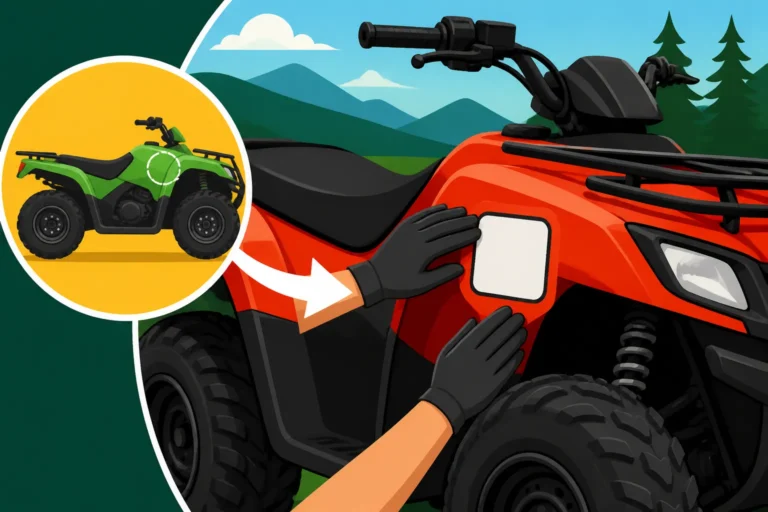
The moment you intend to use your newly acquired machine on any of these public riding areas, that's when you must have the permit decal affixed and valid. There isn't a "grace period" for new purchases, unlike some vehicle registrations. If a ranger or deputy sees you riding an unpermitted machine, it's a [Oregon's Class C Traffic Violation for No Permit] regardless of how recently you bought it. This can be a rude awakening for someone who just dropped a significant amount on a new machine. It's always better to be prepared.
The "Use It or Lose It" (or Don't Use It) Reality
For many, buying an ATV or UTV in the off-season is a strategic financial move. Dealers often offer better incentives, and private sellers might be more motivated. The "problem" is that the permit's validity starts from the month of purchase, not from the first day you ride. So, if you buy your permit in January, it will be valid for two years, expiring at the end of December two years later, regardless of whether you rode in January or waited until July. [Two Years From the Month You Buy] explains this in more detail.
This creates a bit of a dilemma for the winter buyer. If you purchase the permit in January and don't ride until April, you've essentially "lost" three months of its two-year validity. While three months might not sound like much over a 24-month period, it can feel wasteful, especially if you're a sporadic rider. This is why some choose to delay purchasing their permit until closer to their first planned ride, especially if that ride is several months away. It’s a calculated risk and a trade-off between maximizing the permit's lifespan and ensuring you're always ready to hit the trails on a whim.
How Oregon's Two-Year Permit Period Works for Seasonal Riders
The Oregon ATV operating permit is designed to last for a full two years, providing a good chunk of riding time for most enthusiasts. This consistent duration is beneficial, as it means you're not scrambling to renew permits annually. However, understanding how this two-year cycle works is key to making an informed decision about when to purchase your permit, particularly if you're buying a new machine in the middle of winter. The start date isn't when you activate it; it's the calendar month you buy it.
Think about it like this: if you buy your permit at a local vendor or through the [Buying an Oregon Permit Online] system in December, your permit will be valid until December 31st two years from then. It won't wait for spring to "start." This fixed-term approach is explained further in [Why Oregon's Permit Lasts Two Years]. For riders who are active year-round, hitting the dunes in winter and the forest trails in summer, this system works perfectly. They need the permit anyway, so the exact purchase month matters less. But for the seasonal rider who only hits the trails from, say, April to October, buying in December could mean losing valuable months of use from their two-year investment.
Calculating Your Permit's Lifespan From Purchase Month
Let's look at a couple of scenarios. Sarah buys a new ATV in January. She goes to the Oregon Parks and Recreation Department's online portal and purchases her operating permit. The permit she receives will be valid through the end of January two years later. If she waits until April to take her first ride, she will still have approximately 21 months left on her permit. On the other hand, Mark buys his ATV in December but knows he won't ride until Memorial Day in May. If he buys his permit in December, he's "used up" five months before he even starts riding, leaving him with 19 months.
This calculation is vital for maximizing your [Oregon ATV Permit Cost]. While the permit isn't prohibitively expensive, every dollar counts, and you want to ensure you're getting the full benefit of your purchase. The system is designed for ease of administration by having fixed expiration dates based on the purchase month, rather than trying to track individual usage patterns. This means the onus is on the rider to time their purchase wisely if they're particularly sensitive to maximizing the two-year window.
Strategic Timing for Winter Buyers
So, what's a savvy winter buyer to do? If you know for certain that your machine will not leave private property or a dealership lot until spring, you can absolutely delay purchasing your permit. There is no penalty for an unpermitted machine sitting idle in your garage. You are only required to have the permit when it's being operated on public lands. This gives you the flexibility to buy your permit in March or April, closer to when you actually plan to start riding for the season, effectively "shifting" your two-year window to align better with your riding habits.
However, there's a flip side: spontaneity. What if an unexpected warm weekend hits in February, and your friends call you for an impromptu ride at the Oregon Dunes? If you haven't bought your permit yet, you're out of luck. You'd either have to skip the ride or quickly try to get a [Oregon's Thirty-Day Temporary Permit] or find one of the [Oregon Permit Agents You Can Walk Into] which might not be open on a Sunday or near your remote riding location. This brings us back to balancing the desire to maximize your two-year window against the convenience of being ready to ride at a moment's notice.
The Risks and Realities of Riding Without an Oregon Permit
Deciding to delay your permit purchase until spring might seem like a smart move to maximize your two-year window, but it's essential to understand the consequences if your plans change or if you misjudge when you'll actually need it. Oregon takes its OHV permitting seriously, and being caught without a valid permit can lead to fines and other inconveniences that quickly outweigh any perceived savings from delaying the purchase. This isn't just about financial penalties; it's about the disruption to your riding plans and the potential legal hassle.
Consider the common scenario: you bought your machine in December, decided to wait until April to buy the permit, but then a friend invites you on an unexpected trip to Sand Lake in March. You figure, "It's just one time, what are the chances?" You load up, head out, and next thing you know, a ranger is checking permits at the staging area. This isn't an uncommon occurrence; enforcement personnel frequently patrol popular OHV areas, especially on busy weekends or during transitional seasons. They are there to ensure compliance, not just for revenue, but because the permit fees directly fund trail maintenance, safety programs, and facility improvements, as highlighted in [Where Oregon ATV Permit Money Goes]. Riding without contributing to that system means you're not pulling your weight.
Enforcement on Oregon's Public Lands
Oregon Parks and Recreation Department (OPRD) rangers, Forest Service law enforcement officers, and local sheriff's deputies are authorized to check for valid ATV operating permits on any public land where OHVs are allowed. These checks can happen anywhere: at staging areas, trailheads, or even while you're actively riding on a trail or dune. They are typically looking for the current decal properly affixed to your machine. If you don't have it, or if it's expired, you're looking at a citation.
The "excuse" that you just bought the machine and planned to get the permit later generally won't hold water. The law is quite clear: if you're operating on public land, you need the permit. It doesn't matter if it's your first time out or your hundredth. This means that if you're riding with a group, and everyone else has their permits, you'll be the one singled out, potentially delaying the entire group's ride while the citation is issued. It's a preventable hassle that can easily sour a day meant for fun and adventure.
The Costs of an Unpermitted Ride
Being caught without a valid Oregon ATV operating permit is a Class C traffic violation. While specific fines can vary by county and jurisdiction, they are generally not trivial. You could be looking at a base fine that's significantly higher than the actual cost of the two-year permit itself. On top of the monetary fine, you'll still need to purchase the permit, effectively paying twice for the privilege of riding. This makes delaying your permit purchase a financially risky gamble.
Beyond the immediate fine, there's the inconvenience. A citation means paperwork, potentially a court appearance if you choose to dispute it (which is rarely successful for a clear permit violation), and the time lost during your ride. For those who own a fleet of machines, perhaps for a family or a small business, ensuring every machine has its permit is even more critical. Getting multiple citations for multiple machines can add up very quickly. It's a situation that's easily avoided by simply purchasing your [Oregon ATV Permit Cost] when you acquire the machine or right before your first planned public land ride. For documenting ownership and making sure you have all your ducks in a row for permit applications, a reliable bill of sale is crucial. Resources like LawDepot can provide templates for an [Oregon Bill of Sale for an ATV], helping ensure you have proper documentation of your purchase, which can be useful when proving ownership to agencies like the OPRD.
Practical Steps for Permitting Your Winter ATV Purchase
So, you've got that new-to-you machine, it's winter, and you're contemplating when to get that all-important Oregon ATV operating permit. The good news is that securing your permit is a straightforward process, and you have several options available, whether you want to do it immediately or closer to your first spring ride. Knowing these avenues can help you make the best decision for your specific situation, balancing convenience, timing, and preparedness.
First and foremost, whether you buy your permit now or later, always ensure you have proof of ownership for your machine. This is less about the permit itself and more about general good practice. When you purchase an ATV or UTV, especially from a private seller, always get a robust bill of sale. Tools like LawDepot offer customizable legal documents, and using one for your [Oregon Bill of Sale for an ATV] can provide peace of mind and clear documentation of the transaction. This proof of ownership, along with the machine's VIN, will be essential for permitting, titling (if you choose to pursue it), and proving that the machine is yours if there's ever a question.
Where and How to Secure Your Permit
Oregon makes it relatively easy to obtain your ATV operating permit. You have two primary methods: online or in person.
-
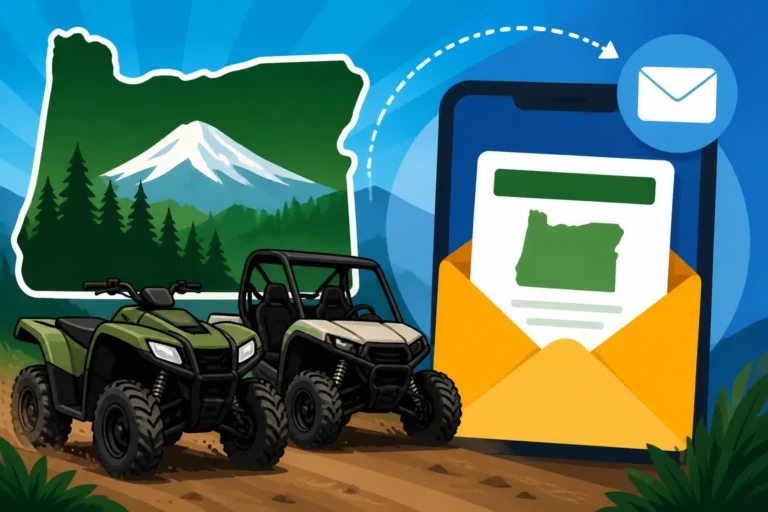
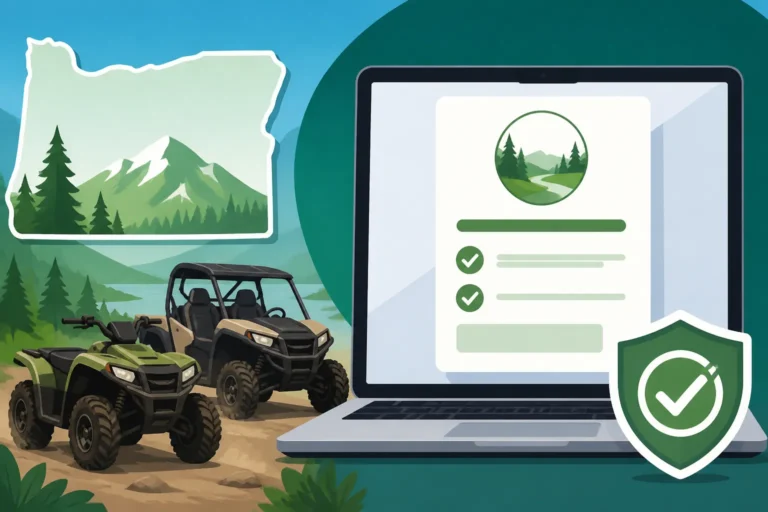
Online Purchase: The most convenient option for many is purchasing the permit directly through the Oregon Parks and Recreation Department's online portal. This allows you to do it from the comfort of your home, any time of day. When you purchase online, you'll typically receive a temporary permit via email that you can print out and carry with you immediately. This is particularly useful if you make a last-minute decision to ride. The official decal will then be mailed to you, which you'll need to affix to your machine once it arrives. [Buying an Oregon Permit Online] provides a detailed walkthrough of this process. This method allows you to delay the actual purchase until just before your first planned ride, helping you maximize the two-year validity period.
-
In-Person at a Vendor: Oregon has a network of authorized vendors, often powersports dealerships, sporting goods stores, or even some DMV field offices (though the DMV does not handle the registration itself). These agents can issue your permit on the spot, providing you with the decal immediately. This is a great option if you prefer immediate gratification, need the permit right away, or want to support a local business. Finding one of these [Oregon Permit Agents You Can Walk Into] can be especially useful if you're traveling through an area and realize you need a permit before hitting a trail nearby.
Considering a Temporary Permit for Immediate Use
Let's say you've held off on buying your full two-year permit, but then that irresistible spring-like day pops up in late February. You can't pass up the chance to hit the dunes! This is where the [Oregon's Thirty-Day Temporary Permit] becomes a lifesaver. When you purchase your two-year permit online, you automatically receive a printable temporary permit that is valid for 30 days. This means you can buy your permit online that morning, print the temporary copy, and be legally riding on public lands later that day.
This temporary permit allows you to be spontaneous without risking a citation. It bridges the gap between your online purchase and the arrival of your physical decal in the mail. This flexibility is a huge advantage for seasonal riders who might be waiting for optimal weather or trail conditions before committing to their two-year permit. You can purchase your permit online, get the temporary emailed to you, ride that weekend, and then wait for the physical decal to arrive for future adventures. This strategy allows you to time your permit purchase precisely for when you actually intend to start riding, ensuring you get the full benefit of its two-year lifespan.
| Permit Purchase Strategy | Pros | Cons | Ideal For |
|---|---|---|---|
| Winter Purchase | Immediate readiness for any spontaneous winter riding; peace of mind | "Loses" months of the two-year validity if not ridden immediately; permit expires earlier than if purchased in spring | Year-round riders; those who value constant readiness over maximizing the permit's lifespan |
| Spring Purchase | Maximizes the two-year validity period by aligning with peak riding season | Not ready for spontaneous winter rides; requires a conscious decision and action right before the first spring ride | Seasonal riders; those who primarily ride in spring/summer/fall; budget-conscious riders |
| Temporary Permit | Allows immediate riding after online purchase (up to 30 days) while waiting for physical decal; great for spontaneity | Still requires a full two-year permit purchase; not a standalone solution for long-term riding; temporary paper can get damaged | Last-minute ride decisions; bridging the gap after an online purchase; new winter buyers delaying full permit |
Ultimately, whether your winter purchase needs a permit before spring depends entirely on your riding intentions. If it's staying in the garage, you can wait. If there's any chance it will touch public land, even once, then secure that permit! It's better to be prepared and ride legally than face fines and disappointment.
Disclaimer
This article is for general informational purposes only and does not constitute professional advice. Laws, prices and regulations vary by location and change over time. Consult a qualified professional for guidance on your specific situation.