Insurance and Oregon Class II Machines
There's nothing quite like the freedom of exploring Oregon's incredible backcountry, but when you own a Class II machine, navigating the world of permits, road access, and especially insurance can feel like hitting a patch of deep, unpredictable sand. Many riders are left scratching their heads, wondering why their specific side-by-side or sand rail has different requirements than a quad. This guide is here to untangle the unique insurance rules that apply to your Oregon Class II machine, explaining why they exist and what you absolutely need to know to stay legal and protected.
Understanding Oregon's Class II Designation and Insurance Mandate
Oregon has a unique way of classifying off-highway vehicles (OHVs), and your Class II machine falls into a category that comes with some distinct responsibilities, particularly when it comes to insurance. It's not just a random rule; there's a practical reason behind it that relates directly to how these machines are typically built and used.
What Exactly is an Oregon Class II Machine?
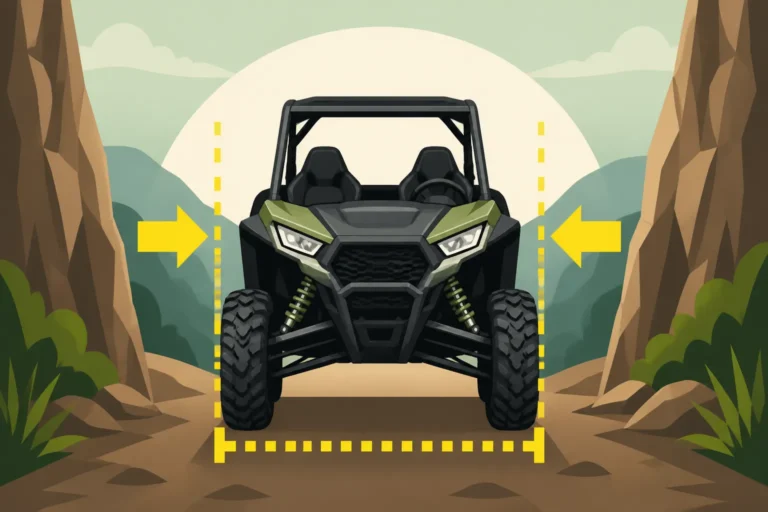
When we talk about an Oregon Class II machine, we're generally referring to vehicles that are a bit beefier and more capable than your standard ATV. Think about those wider side-by-sides, sand rails, or dune buggies. According to state law, these are vehicles that are designed for off-road use but can be made street-legal under specific circumstances. The key characteristics that often define a Class II machine include a dry weight of 3,500 pounds or less, a width of 75 inches or less, and features like a steering wheel, roll cage, and often bench seats, rather than the straddle seat and handlebars of a quad. This distinction is crucial because it influences everything from where you can ride to your insurance obligations. You can dive deeper into the specific definitions in [Oregon's Class II Under ORS 801.193] and get a full overview of how your ride fits into the broader picture with [Oregon's Four ATV Classes Explained].
These machines often offer a more car-like driving experience, which makes them appealing for both serious off-roading and for those occasional jaunts on designated county roads. However, their larger size and the fact that they can carry multiple passengers also mean that, from a regulatory standpoint, they present a different set of risks than a single-rider dirt bike. It's about recognizing the increased potential for interaction with other vehicles and people, both on and off designated trails.
Why Class II Machines Have Special Insurance Rules
The reason Oregon mandates insurance specifically for Class II machines, unlike Class I quads or Class III dirt bikes, boils down to their design and potential for road use. Because a Class II vehicle can be registered and licensed for limited street use (even if many owners choose not to), the state requires a baseline of financial responsibility. This isn't just about covering your own machine; it's primarily about protecting others. If you're operating a larger, multi-passenger vehicle, whether it's on a forest road, a designated highway access route, or even just crossing a paved road to get to a staging area, the potential for causing damage or injury to another person or their property increases significantly.
Imagine you're cruising along a gravel road in the Tillamook State Forest in your side-by-side, and an unexpected turn leads to a collision with another recreational vehicle, or perhaps even a passing passenger car. Without insurance, the financial burden of medical bills, vehicle repairs, and potential legal fees could be catastrophic. The state's requirement for mandatory insurance on every [Mandatory Insurance on Every Oregon Class II] is a proactive measure to ensure that if an accident happens, there's a mechanism in place to cover those costs, providing a safety net for everyone involved. It's a pragmatic approach to managing the inherent risks associated with these powerful machines, especially given their greater presence on shared public spaces.
Mandatory Insurance for Class II: What Oregon Requires
So, you've got a Class II machine. The big question is: what exactly does Oregon demand in terms of insurance? It's not just a suggestion or a good idea; it's a hard-and-fast rule if you plan to operate your vehicle in situations that bring it into contact with public roads or other public areas where liability is a concern.
The Specifics of Oregon's Insurance Mandate
Oregon law is pretty clear: if you own a Class II off-road vehicle, you are legally required to carry a certain level of liability insurance. This isn't optional, and it's definitely not something you want to overlook. The core of this requirement is to ensure that if you are at fault in an accident, there's coverage for the damages or injuries you might cause to other people and their property. Think of it as a protective shield for others, not necessarily for your own rig. While the exact figures can shift, typically the state mandates minimum liability coverage for bodily injury per person, bodily injury per accident, and property damage. These amounts are generally in line with what's required for standard passenger cars.
This mandatory coverage kicks in anytime you operate your Class II machine, whether it's on a designated highway access route like the ones in Lakeside or Sumpter, or even if you're just crossing a paved public road to access another trail segment. The underlying principle is that if your vehicle has the potential to interact with the general public or other vehicles on public rights-of-way, you need to be financially responsible. Without this basic liability coverage, you're not just breaking the law, you're exposing yourself and your assets to immense risk in the event of an unfortunate incident. For all the specific details, including the latest minimum amounts, it's always best to check the Oregon DMV's official guidelines or consult directly with an insurance provider, as these numbers are subject to change.
Proof of Insurance and What to Carry
Just like with your daily driver, simply having insurance isn't enough; you need to be able to prove you have it if asked by a law enforcement officer. This means carrying a physical or digital copy of your insurance card or declaration page whenever you're operating your Class II machine. Imagine you're out enjoying the dunes or hitting some trails in the high desert, and a ranger or a state trooper pulls you over for a routine check. They might ask for your permit, your safety education card, and yes, your proof of insurance for your Class II. If you can't provide it, you could be facing a citation.
Keeping your documents handy, perhaps laminated and stashed in a waterproof bag in a glove box or under a seat, is a smart move, especially in Oregon's often wet climate. A common frustration for riders is being unprepared, only to face fines or delays. While not carrying proof might seem minor, it can lead to more serious issues, potentially even impoundment of your vehicle, if you're found to be operating without the legally required coverage. Just as you wouldn't drive your car without your license and proof of insurance, don't operate your Class II machine without these essential documents.
Comparing Insurance Options for Class II
When it comes to insuring your Class II machine, you'll generally find two main avenues: a standalone OHV policy or an endorsement/addition to an existing auto or homeowner's policy. While adding your side-by-side to your homeowner's policy might seem convenient and cost-effective, it's crucial to understand its limitations. Homeowner's policies often provide very minimal, if any, coverage for off-road vehicles, especially once they leave your private property. They might offer some liability protection if the incident occurs on your land, but as soon as you hit public trails or roads, that coverage usually disappears.
A dedicated OHV policy, on the other hand, is specifically designed for the unique risks associated with riding off-road. These policies not only cover the mandatory liability but can also offer comprehensive, collision, uninsured motorist, and even custom parts coverage, which is invaluable given how much we tend to modify our rigs. When shopping around, it's wise to get quotes from several providers and ask very specific questions about what's covered both on and off designated routes, and whether there are any exclusions for specific types of riding (e.g., racing). Comparing deductibles, premium costs, and the extent of coverage will help you find the best fit for your machine and riding habits, ensuring you're fully protected rather than just minimally compliant.
| Coverage Type | What It Covers | Mandatory for Oregon Class II? | Why It's Important |
|---|---|---|---|
| Bodily Injury Liability | Injuries to other people for which you are at fault | Yes | Protects your assets if you injure someone in an accident. The financial impact of medical bills can be astronomical. |
| Property Damage Liability | Damage to other people's property (vehicles, fences, etc.) for which you are at fault | Yes | Covers repair costs if you damage another vehicle or structure. Prevents you from having to pay out of pocket for expensive repairs. |
| Collision | Damage to your own Class II machine from an accident (e.g., hitting a tree, rolling over) | No | Pays to repair or replace your vehicle after a crash, regardless of fault. Essential for protecting your investment, especially with costly machines. |
| Comprehensive | Damage to your own Class II machine from non-collision events (e.g., theft, fire, vandalism, natural disaster) | No | Covers a wide range of unfortunate events not involving a collision. Provides peace of mind against unforeseen losses like a stolen side-by-side or damage from a wildfire. |
| Uninsured/Underinsured Motorist | Injuries and damages to you and your machine if hit by a driver with no insurance or not enough | No | Protects you from the financial burden of an accident with an at-fault party who can't pay. Unfortunately, not everyone follows the rules. |
| Medical Payments/PIP | Medical expenses for you and your passengers, regardless of fault | No | Helps cover medical costs for you and anyone riding with you after an accident, providing immediate support without waiting for fault determination. |
| Custom Parts & Accessories | Added coverage for aftermarket parts, modifications, and accessories | No | Many riders heavily customize their machines. This ensures your expensive additions (winches, light bars, upgraded suspension) are covered in case of damage or theft. |
Road-Legal Operation and Insurance Implications
One of the defining features of Oregon's Class II machines is their potential, under specific conditions, to be operated on public roads. This capability is a double-edged sword: it offers greater flexibility for accessing trails, but it also significantly elevates the importance of having the right insurance.
The Connection Between Insurance and Street Legality
For your Class II machine to even think about being street-legal in Oregon, the mandatory liability insurance is non-negotiable. It's one of the foundational requirements, right alongside proper lighting, mirrors, and other safety equipment. Without that insurance, the process of [Registering a Street-Legal Class II in Oregon] simply won't move forward. The state views street-legal operation, even if limited, as an interaction with regular vehicular traffic, and therefore, the same basic financial protections that apply to cars and trucks must also apply to your side-by-side or sand rail.
This isn't just about getting a plate; it's about the inherent risks. A Class II machine, even at slower speeds on a gravel road, weighs a lot and can do significant damage in a collision. The insurance ensures that if you, for example, accidentally swerve and hit a mailbox or clip another vehicle, the owner of that damaged property isn't left in the lurch. It's the state's way of saying, "If you want to use our public roads, even sparingly, you need to prove you can cover potential mishaps." Therefore, securing your insurance policy is step one, before you even consider the other aspects of getting your machine road-ready.
Where Class II Machines Can Legally Ride on Roads
Oregon has specific and fairly limited scenarios where Class II machines can legally operate on public roads. These aren't like street-legal motorcycles that can go almost anywhere. Instead, Oregon has designated [Oregon's ATV Highway Access Routes] in places like [Lakeside and Sumpter: Oregon's Only Two Routes], where towns have worked with the state to allow OHV access on certain streets. Beyond these designated routes, your road use is generally restricted to crossing a highway at a right angle to get from one trail segment to another, or riding on certain county and forest roads that are open to OHVs.
Even on these permissible roads, the mandatory insurance remains paramount. Picture yourself riding a designated route in Sumpter, enjoying the scenic beauty, and suddenly a deer jumps out, causing you to swerve and collide with a parked car. Your liability insurance would be vital in covering the damage to that vehicle. The fact that you are on a public road, even one specifically opened to OHVs, means you are sharing space with other vehicles and pedestrians, and the potential for an incident is always present. Understanding exactly where you can and cannot legally ride is crucial, not just for avoiding tickets, but for understanding the scope of your insurance needs.
Insurance for Incidental Road Use vs. Dedicated Street Use
There's a subtle but important distinction between briefly crossing a highway or using a short segment of county road to access a trail, and utilizing your Class II machine on a designated highway access route for more extended periods. While the mandatory liability insurance applies in both scenarios, the type of coverage you might want to consider could differ. For purely incidental road crossings, your basic liability might feel sufficient, as your exposure to traffic is minimal and brief.
However, if you plan to regularly use a designated route, perhaps riding into town for supplies in Lakeside, or traveling several miles on a county road, your risk profile changes. In these cases, you might want to consider adding optional coverages like collision or uninsured motorist protection, similar to what you'd have on a regular car. The longer you're on a public road, even an OHV-friendly one, the greater the chance of an encounter with other vehicles, road hazards, or even an accident with an uninsured driver. Your insurance policy should ideally reflect your actual usage patterns, ensuring you're not underinsured for the environments you frequently explore. Always have a clear discussion with your insurance agent about how and where you plan to ride your Class II.
Beyond the Mandate: Why Additional Coverage Makes Sense
While Oregon legally requires a certain level of liability insurance for your Class II machine, smart riders know that meeting the minimum isn't always enough. Investing in additional coverage options can provide a much deeper layer of protection, safeguarding your investment and your financial well-being.
Collision, Comprehensive, and Uninsured Motorist Coverage
Let's be realistic: accidents happen, even to the most careful riders. This is where collision and comprehensive coverage become your best friends. Collision coverage steps in to pay for damages to your Class II machine if you hit another vehicle, an object (like a tree or a rock outcropping), or even roll your rig. Imagine you're tackling a tricky section of trail in the Millican Valley and misjudge a turn, sending your side-by-side into a ditch. Without collision coverage, you're footing the entire repair bill, which, for these sophisticated machines, can run into the thousands.
Comprehensive coverage, on the other hand, protects against things that aren't collision-related. Think about the nightmare scenario of your prize sand rail being stolen from your garage, or your side-by-side being damaged by a wildfire while parked at a staging area during fire season. These are the kinds of events comprehensive coverage is designed for. Then there's uninsured/underinsured motorist (UM/UIM) coverage. While your liability protects others, UM/UIM protects you. If you're hit by another rider or vehicle that doesn't have insurance, or doesn't have enough to cover your damages, UM/UIM can step in to cover your medical bills and property damage. Given the number of vehicles on trails and roads, this is an increasingly important safeguard.
Personal Injury Protection PIP and Medical Payments
Riding off-road is an exhilarating experience, but it also comes with inherent risks of injury. That's where Personal Injury Protection (PIP) or Medical Payments (MedPay) coverage can be an absolute lifesaver. These coverages pay for medical expenses for you and your passengers, regardless of who was at fault in an accident. Imagine a situation where you're riding with friends, and someone takes an unexpected bump that throws a passenger against the roll cage, resulting in a fractured wrist. Your PIP or MedPay coverage could immediately begin covering those emergency room visits, specialist consultations, and physical therapy sessions, without waiting for a lengthy investigation into fault.
This is especially valuable because, even with a helmet and proper safety gear, off-road incidents can lead to significant injuries. Having this coverage means you can focus on recovery rather than stressing about mounting medical bills. For families or groups who often ride together, ensuring adequate medical coverage for everyone in your Class II machine provides an invaluable layer of peace of mind. It’s a proactive step to protect the health and financial stability of yourself and those you care about.
Custom Parts and Accessories Coverage
Let's be honest: very few Class II owners leave their machines completely stock. We invest in winches, light bars, upgraded suspension, aftermarket wheels, stereos, and performance modifications. These additions can significantly increase the value of your side-by-side or sand rail. Unfortunately, standard insurance policies might only cover the machine as it came from the factory, leaving your expensive upgrades unprotected.
This is why custom parts and accessories coverage is so important. It's typically an add-on or endorsement to your comprehensive and collision policy, designed to cover the cost of repairing or replacing your modifications if they're damaged or stolen. When you're getting a quote, be sure to provide a detailed list of all your aftermarket parts and their estimated values. Having to replace a custom exhaust system or a high-end GPS unit out of your own pocket after an accident or theft is a painful experience that can be avoided with this specialized coverage. Protecting your investment means protecting all of your investment, including the parts that make your rig uniquely yours.
Navigating the Insurance Process: Tips and Considerations
Getting your Class II machine insured doesn't have to be a complicated ordeal, but going into the process prepared will save you time, potential frustration, and ensure you get the right coverage. It's about asking the right questions and having your ducks in a row.
Gathering Information for a Quote
Before you even pick up the phone or hop online to get an insurance quote, make sure you have all the necessary details about your Class II machine at your fingertips. Insurance companies will typically ask for information that helps them accurately assess the risk and provide a precise quote. This includes the vehicle identification number (VIN), which you can find on your machine's frame or original paperwork. They'll also need the make, model, and year of your side-by-side or sand rail. Be prepared to detail any modifications or aftermarket accessories you've added, as this impacts the value and can warrant specific custom parts coverage.
Beyond the machine itself, they'll want to know about your intended use – how often you ride, where you typically ride (e.g., primarily dunes, forest trails, or some road access), and even where the vehicle is stored (garage, carport, etc.). Don't forget to have your personal information ready, including your driving history, as this also plays a role in determining your rates. Having all this information organized upfront will make the quoting process much smoother and ensure the quote you receive is as accurate as possible.
Shopping Around and Asking the Right Questions
Just like with car insurance, it's always a good idea to shop around for Class II OHV insurance. Don't just go with the first quote you get. Different insurance providers might offer varying rates and coverage options for similar policies, so getting multiple quotes from various companies can lead to significant savings. When you're talking to agents, be proactive and ask plenty of questions. Don't assume anything. Specifically inquire about the extent of their [Oregon Insurance Requirements for Class II] coverage, and whether their policies have any limitations for off-road use, racing, or specific terrain types.
Ask about deductibles – how much you'd have to pay out-of-pocket before the insurance kicks in – and how choosing a higher or lower deductible impacts your premium. Clarify the claims process: what steps do you need to take if an accident occurs? Understand any exclusions in the policy. For example, some policies might not cover damage from water intrusion if you cross too deep of a stream. You might also ask if they offer discounts for safety courses or if you bundle other policies with them. Using online resources, or even legal document services like LawDepot for proper documentation of ownership and modifications, can help ensure you have all bases covered before finalizing your insurance decision. Being thorough now can prevent headaches later.
Maintaining Coverage and Staying Compliant
Securing your Class II insurance isn't a one-and-done deal. It's an ongoing responsibility to maintain continuous coverage and ensure your policy accurately reflects your current situation. Letting your insurance lapse, even for a short period, can leave you vulnerable to fines and significant financial liability if an accident occurs. Oregon has no grace period for riding without the mandatory insurance; if you're stopped and don't have it, you're in violation.
It's also important to update your policy as your circumstances change. If you add major modifications to your machine, move to a new area, or change how you primarily use your Class II, contact your insurance provider. Forgetting to update your policy after adding a $3,000 turbo kit, for example, could mean that expensive upgrade isn't covered if something happens. Regularly review your policy (perhaps annually at renewal time) to make sure your coverage limits are still appropriate and that you're not paying for coverage you no longer need or, conversely, that you're not underinsured. Staying proactive with your policy ensures you're always compliant with Oregon law and adequately protected.
Consequences of Riding an Uninsured Class II Machine
Thinking about skipping the insurance for your Class II machine? It might seem like a way to save a few bucks, but the reality is that the potential consequences of riding uninsured in Oregon are far more costly and stressful than any premium payment.
Oregon's Penalties for No Insurance
Operating a Class II machine without the mandatory liability insurance in Oregon is a serious offense, and the penalties can be quite stiff. It's treated similarly to driving a car without insurance. You could be facing significant fines, which can easily be hundreds of dollars, possibly even more for repeat offenses. Beyond the immediate financial hit, law enforcement has the authority to impound your vehicle. Imagine your side-by-side being towed away from the dunes or a staging area, leaving you stranded and facing additional impound and storage fees to get it back.
Furthermore, riding without insurance can lead to the suspension of your driving privileges in Oregon. This doesn't just apply to your OHV; it can affect your ability to drive your regular car or truck on public roads. While the exact fine structure for an unpermitted ATV is distinct, the spirit of financial responsibility is the same, and the penalties for no insurance can be severe, much like a [Oregon's Class C Traffic Violation for No Permit]. These legal repercussions alone should be enough to convince any Class II owner that proper insurance is a non-negotiable part of ownership.
Financial Liability in an Accident
Beyond the legal penalties, the most devastating consequence of riding an uninsured Class II machine is the crushing financial liability you could face if you're involved in an accident that's deemed your fault. Remember, the mandatory insurance is primarily for other people's injuries and property damage. Without it, you are personally responsible for every penny of those costs. Imagine you misjudge a turn on a shared trail and collide with another side-by-side, causing extensive damage to their machine and sending their passenger to the emergency room with a broken leg.
The medical bills alone could easily climb into the tens or even hundreds of thousands of dollars. Add to that the cost of repairing or replacing their vehicle, any lost wages from their injury, and potentially a lawsuit for pain and suffering. Without insurance, all of that comes directly out of your pocket. Your personal savings, your home, your future earnings – all could be at risk. This isn't just a hypothetical scenario; it's a very real danger that puts your entire financial future in jeopardy. This is precisely [Why Insurance Is Compulsory for Class II Only] – to protect everyone from these catastrophic financial burdens.
Difficulty Registering and Titling
While [Titling an ATV in Oregon Is Optional] for most off-road vehicles, if you want your Class II machine to be registered for limited street-legal use, having the proper insurance is a prerequisite. The Oregon DMV will require proof of insurance before they issue a license plate and registration for your street-legal Class II. If you can't provide that documentation, you simply won't be able to proceed with the street-legal registration process.
Even if you're not planning on making your Class II street-legal, an accident that exposes your lack of insurance could complicate future attempts to title or register any vehicle you own. Government agencies often share information, and a record of non-compliance can cause bureaucratic headaches down the line. In essence, trying to save on insurance premiums now can create a domino effect of legal, financial, and administrative problems that are far more expensive and frustrating to resolve in the long run.
Disclaimer
This article is for general informational purposes only and does not constitute professional advice. Laws, prices and regulations vary by location and change over time. Consult a qualified professional for guidance on your specific situation.