Oregon Fines for Riding Without a Permit
So you've just hauled your rig all the way to the Oregon Dunes, or maybe you're out exploring the Tillamook State Forest trails, only to realize that little sticker on your ATV isn't quite right, or worse, completely missing. It's a sinking feeling, and nobody wants their epic day ruined by a costly penalty. This guide is going to walk you through exactly what happens when you're caught riding without the proper Oregon ATV permit and how to avoid those unwelcome fines.
What Happens When You're Caught Without an Oregon ATV Permit?
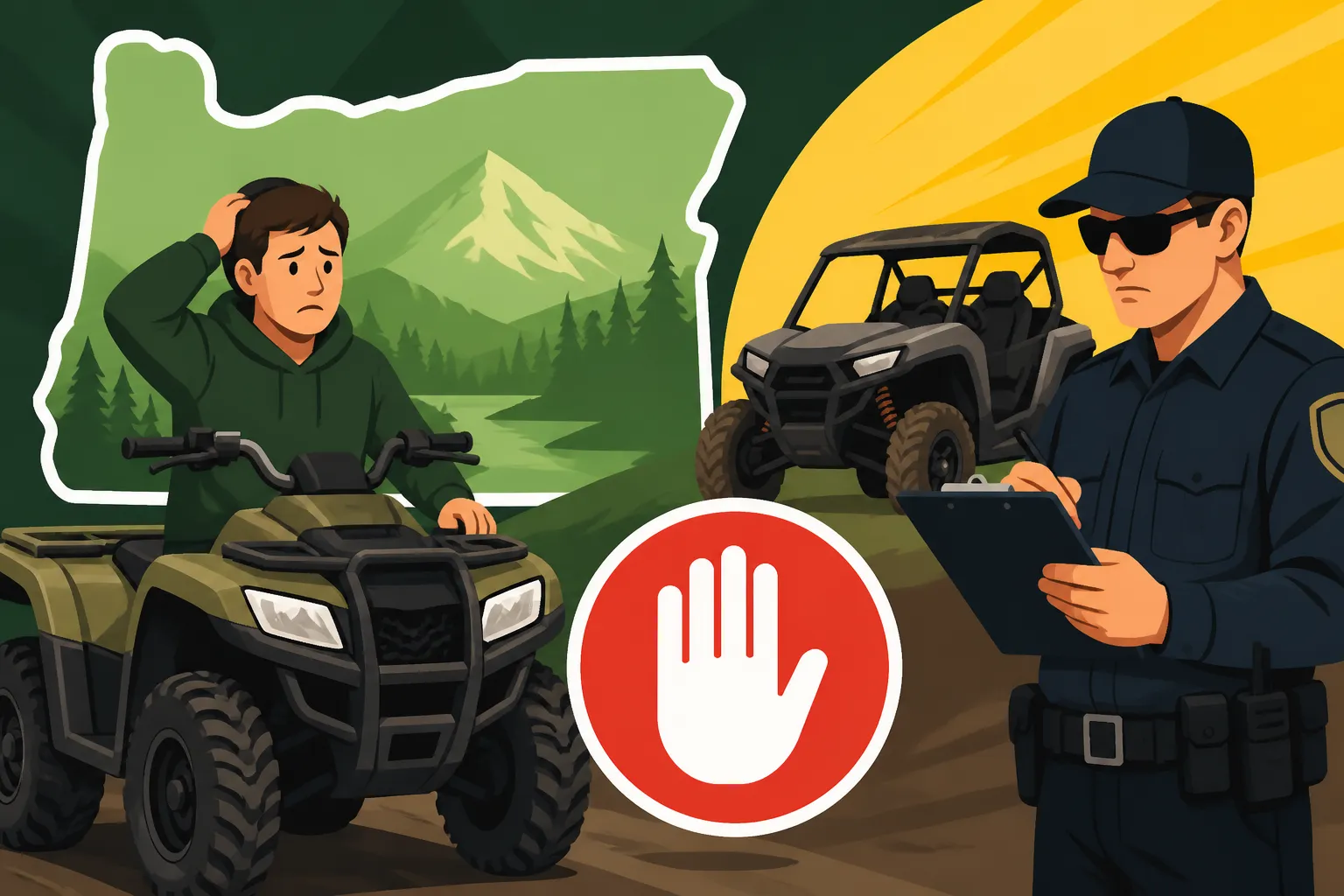
It's a beautiful day, the sun is shining, and the trails are calling. You're riding along, enjoying the freedom that comes with exploring Oregon's incredible backcountry on your ATV or UTV. Then, you spot them: an Oregon State Police cruiser, a Sheriff's deputy, or perhaps an Oregon Parks and Recreation Department (OPRD) ranger. Your stomach does a flip, especially if you have that nagging feeling in the back of your mind about your permit status. This initial encounter can quickly escalate from a friendly wave to a serious legal situation if your machine isn't properly permitted.
The Initial Encounter: Who Checks and Where?
When you're out riding in Oregon, you might encounter law enforcement or park staff who are checking for valid ATV operating permits. These aren't just random checks; they're a part of ensuring safety, compliance, and responsible recreation for everyone. You could be riding blissfully at the Spinreel staging area on the Oregon Coast, navigating the dense forest trails of Browns Camp in the Tillamook State Forest, or carving up the high desert at Millican Valley outside Bend. These are all places where rangers and deputies are routinely present, often at trailheads, staging areas, or patrolling popular routes.
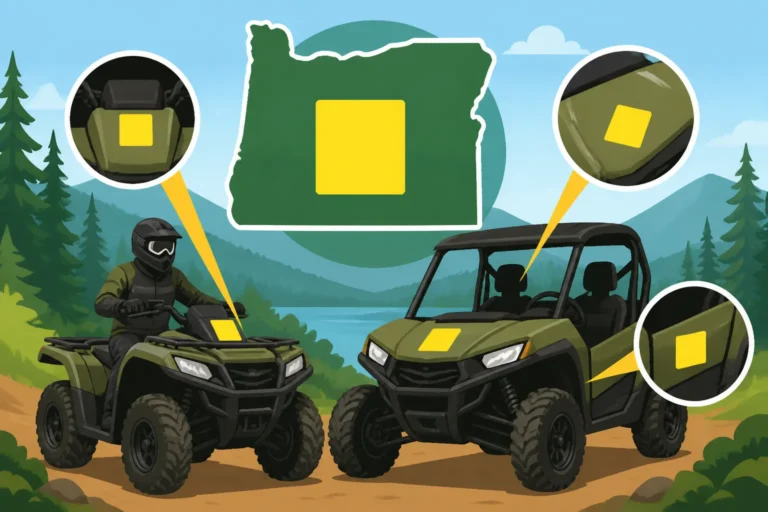
It’s not uncommon for officers to set up at choke points or entryways to popular riding areas, making it hard to miss them. They're often looking for visible decals, but they also might stop riders for other infractions, like speeding or reckless operation, and then discover the permit issue during the stop. Imagine pulling your rig into the parking lot at Hauser, excited to unload and hit the sand, only to be greeted by an OPRD staff member scanning for decals. That sinking feeling is immediate when you realize your machine doesn't have the current one displayed.
The Immediate Consequences: Citation and Impoundment
If you're caught riding an ATV or UTV on public lands in Oregon without a valid operating permit, the immediate consequence is almost certainly a citation. This isn't just a friendly reminder; it's a formal legal document, essentially a ticket for a violation. In Oregon, riding without a permit is generally classified as a "Class C Traffic Violation." This means it's a serious infraction, akin to certain moving violations you might get in your car, even if it doesn't always go on your driver's license record in the same way.
Beyond just receiving a ticket, there's another, more severe consequence that many riders don't realize is a possibility: impoundment of your machine. Yes, law enforcement has the authority to seize your ATV or UTV on the spot if it's being operated illegally without a permit. This can happen if the officer believes the machine is unsafe, if you're a repeat offender, or if there are other issues like suspected theft. Getting your machine back from impound is not a simple process; it involves significant towing and storage fees that accrue daily, plus proving ownership, which can be challenging if you don't have all your ducks in a row. It can turn an afternoon ride into a multi-day, very expensive ordeal.
What the Violation Means Legally
A "Class C Traffic Violation" for not having an Oregon ATV permit is more than just a slap on the wrist. While it might not result in points on your driver's license in the same way a speeding ticket might, it does create a legal record. This record can show up on background checks, and it certainly won't do you any favors if you have future interactions with law enforcement. It signals that you've failed to comply with state regulations, which can lead to increased scrutiny in subsequent stops.
The legal system views these permits as essential for funding the very trails and staging areas we all enjoy. When you bypass the permit system, you're essentially not contributing to the maintenance, safety, and operational costs of the riding areas. This is why the state takes these infractions seriously. You'll likely be required to appear in court or pay the fine by a specific date, and ignoring the citation can lead to even more severe penalties, such as increased fines, a suspended driver's license (even if the initial infraction wasn't for driving a car), or a warrant for your arrest. It's a legal entanglement that is far more complicated and costly than simply buying the permit in the first place.
Understanding the Oregon Fines for No Permit
The state of Oregon takes its ATV permit system seriously, not just for compliance but because the funds generated directly support the trails and facilities enjoyed by riders. When you're caught without an [Oregon's ATV Operating Permit], the financial consequences can be substantial, quickly outweighing the modest cost of the permit itself. It's an investment in your peace of mind and the future of riding in the state.
The Cost of a Class C Traffic Violation
The specific dollar amount for an [Oregon's Class C Traffic Violation for No Permit] can vary depending on the jurisdiction and the specific circumstances, but it's typically a significant fine. We're talking hundreds of dollars, not just a small penalty. Imagine paying multiple hundreds of dollars for a violation that could have been avoided by spending a comparatively low amount on a permit that lasts two years. This is a common frustration for riders who get caught, especially if they genuinely forgot or underestimated the importance of the permit.
The fine isn't just about punishment; it's a deterrent. The state wants to ensure that everyone who uses public lands for OHV recreation contributes their fair share to the upkeep and management of those resources. If the penalty were too low, there would be little incentive for riders to comply, undermining the entire funding structure for Oregon's fantastic trail systems and dune areas. This hefty fine is meant to ensure that the message is clear: get your permit.
Additional Fees and Penalties
Beyond the base fine for the Class C Traffic Violation, you're likely to encounter a cascade of additional fees and penalties. If your machine was impounded, you'll be hit with towing charges, which can be considerable, especially if you're deep in a forest or far from a tow yard. On top of that, storage fees for impounded vehicles add up daily, quickly escalating the total cost. These fees alone can easily surpass the initial fine, turning a minor oversight into a financial nightmare.
There might also be court costs, administrative fees, or other surcharges tacked onto your bill, depending on how your case is handled. If you need to consult with a legal professional to navigate the process, that's another expense to consider. In some cases, repeated violations or particularly egregious behavior might even lead to community service requirements or other non-monetary penalties. The full financial impact of riding without a permit is rarely just the initial fine; it's a whole host of related expenses that can make your wallet feel a lot lighter.
How a Judge Might Weigh Your Case
If your citation goes to court, a judge will consider several factors when determining the outcome and final penalties. Mitigating circumstances might include proving that you were in the process of obtaining a permit, that you had just moved to Oregon and genuinely weren't aware of the rules, or that it was an honest, one-time mistake with no malicious intent. Presenting yourself respectfully, owning up to the oversight, and showing a clear intent to comply can sometimes influence the judge's decision regarding the severity of the fine or other penalties.
However, aggravating factors can make things much worse. If you're a repeat offender, were riding recklessly, or showed a disregard for safety or the law, a judge is likely to impose the maximum penalties. Disrespectful behavior towards the issuing officer or in court will also not go over well. The court system is there to uphold the law and ensure public safety, and demonstrating a pattern of non-compliance will be met with stricter consequences. It’s always best to cooperate, understand the regulations, and strive to be a responsible rider.
Beyond the Fine: Other Ramifications and How to Avoid Them
Getting hit with a fine for riding without an Oregon ATV permit is certainly a headache, but the consequences can extend far beyond just a monetary penalty. There are logistical nightmares, proof of ownership challenges, and a general loss of peace of mind that can haunt you long after the initial incident. Taking preventative steps is always the smartest approach.
Proving Ownership Without a Permit or Title
One of the most immediate and frustrating issues that arises if your ATV or UTV is impounded is the challenge of proving ownership. While [Titling an ATV in Oregon Is Optional] for off-highway vehicles, having official documentation is crucial if you need to retrieve a seized machine. Without a permit decal or a title, you might struggle to convince the impound lot or law enforcement that the machine is legitimately yours. This can lead to significant delays and added stress, keeping your machine locked up longer and racking up more storage fees.
Even if you purchased your ATV from a private seller, having robust proof of ownership is key. This is where a well-drafted bill of sale becomes invaluable. It serves as your primary legal document to establish your claim. Without it, you might be stuck navigating a bureaucratic maze, potentially requiring affidavits, prior registration records, or even legal action to reclaim your property. The state of Oregon wants to ensure that impounded machines are returned to their rightful owners and not released to someone making a false claim.
The Importance of a Bill of Sale
A comprehensive bill of sale is not just a formality; it's your legal backbone when it comes to proving ownership of an ATV or UTV in Oregon. Even though [Titling an ATV in Oregon Is Optional], a detailed bill of sale protects you in multiple scenarios. It’s a vital document if your machine is stolen, if you need to get it out of impound, or if you ever decide to sell it. It clearly outlines the transaction, including buyer and seller information, the machine's VIN, sale price, and date of sale.
Many riders overlook this critical step, especially in private sales. They might just scribble a few details on a napkin or trust a handshake, but this can lead to massive headaches down the road. Services like LawDepot offer easy-to-use templates for creating a legally sound bill of sale, ensuring all the necessary details are included. This simple step, taking only a few minutes, can save you countless hours of stress and potential legal battles later on. It’s also crucial for protecting yourself from inadvertently purchasing a stolen machine, as a legitimate seller will always provide a proper bill of sale.
Getting Your Permit Before You Ride
The single most effective way to avoid all the fines, fees, and frustrations associated with riding without a permit is, quite simply, to get your permit before you ever hit the trails or dunes. Oregon has made the process incredibly straightforward and accessible. You can [Buying an Oregon Permit Online] from the comfort of your home, and in many cases, receive a temporary permit via email that's valid immediately. This means you can get legal to ride the same day you purchase it.
Alternatively, you can visit one of the many [Where Oregon Sells ATV Permits] across the state. These agents include dealerships, sporting goods stores, and even some state parks, making it easy to pick one up on your way to your riding destination. The cost of an [Oregon ATV Permit Cost] is minimal compared to the potential fines and hassle of an impound. It's a two-year investment that grants you access to all of Oregon's fantastic public riding areas. Don't let a small oversight turn your exciting adventure into a costly regret; make getting that permit your first priority.
Reciprocity and Special Circumstances: When You Might Be Exempt (or Not!)
While the general rule is "no permit, no ride" on Oregon's public lands, there are a few specific situations where the rules might bend a little. However, these exceptions are often misunderstood or have strict limitations, and assuming you're exempt without verifying can lead to the same fines and frustrations. It’s crucial to understand these nuances to avoid unwelcome surprises.
Out-of-State Permits and Oregon Rules
Oregon does offer a form of reciprocity for out-of-state riders, but it's not a blanket pass. If you're visiting Oregon from another state, your home state's ATV registration or permit may be honored for a limited time. The key here is "may" and "limited." [Oregon Rules for an Out-of-State Machine] state that non-residents can typically ride with their valid out-of-state permit for up to 60 consecutive days. This allows visitors to enjoy Oregon's trails and dunes without immediately needing to purchase an Oregon permit, which is a great convenience for tourists.
However, there are important caveats. Not all states' permits are recognized, and the 60-day clock is strict. If you plan to be in Oregon for longer than [How Long a Visitor Can Ride Oregon] allows, or if your home state's permit isn't on Oregon's reciprocity list, you must purchase an Oregon operating permit. It’s important to research specific reciprocity agreements before you travel. For example, some neighboring states might have different rules that are confusing, so checking the official Oregon Parks and Recreation Department website is always the best course of action. Don't assume your Washington or Idaho sticker automatically grants you unlimited access.
Agricultural Use and Private Land Exemptions
There are very narrow circumstances where an Oregon ATV permit is not required. The most common exemptions relate to agricultural use and riding exclusively on private land. If you're operating an ATV strictly for farming, ranching, or other agricultural purposes on agricultural land, it may not require an operating permit. This is intended to facilitate necessary work on farms and ranches.
Similarly, if you own private land and are riding your ATV or UTV exclusively within the boundaries of your own property, you generally do not need an Oregon ATV permit. This includes riding on private timberland where you have explicit permission from the landowner, provided you are not crossing or accessing any public roads or trails. However, the term "exclusively on private land" is interpreted very strictly. If you even briefly cross a public road to get from one section of your property to another, or if you're using a shared access road that's open to the public, you could still be considered to be on public land and thus require a permit. [Oregon ATV Permit for a Machine on Private Land] outlines these details carefully, and it's always safer to err on the side of caution.
Rental Machines and Temporary Permits
When you rent an ATV or UTV from a commercial rental agency in Oregon, you typically don't have to worry about purchasing the operating permit yourself. Reputable rental companies are responsible for ensuring their fleet is properly permitted with the necessary decals displayed on each machine. They are required to comply with state regulations, and this includes having valid operating permits for all their rental units. [Oregon Permits for a Rental Fleet] are usually handled by the business, as it's part of their operational costs.
However, even with rental machines, it's a good practice to quickly verify the presence of a current permit decal before you ride off. Accidents happen, decals can fall off, or sometimes an oversight occurs. If a rental machine is found without a permit, the primary responsibility for the fine might fall to the rental agency, but it could still cause an interruption to your ride and potentially involve you in a frustrating situation. Always check with the rental agency about their permit and safety card policies, especially for a [Oregon's 30-Day Temporary Permit Emailed at Purchase] they might issue for your safety card completion.
| Item | Typical Cost (Shape/Description) | Effort/Time Required | Peace of Mind |
|---|---|---|---|
| Oregon ATV Operating Permit | Very low, one-time fee for two years | Minutes online or at an agent | High |
| Class C Traffic Violation | Significant, often hundreds of dollars | Court appearance, hours of stress | None |
| Towing/Impound Fees | Hundreds more, accrues daily | Arranging pickup, multiple hours | None |
| Legal Assistance (if needed) | Substantial, varies widely | Researching, consultations | Low |
| Bill of Sale (LawDepot) | Minimal, often free template | Minutes to fill out | High |
Disclaimer
This article is for general informational purposes only and does not constitute professional advice. Laws, prices and regulations vary by location and change over time. Consult a qualified professional for guidance on your specific situation.