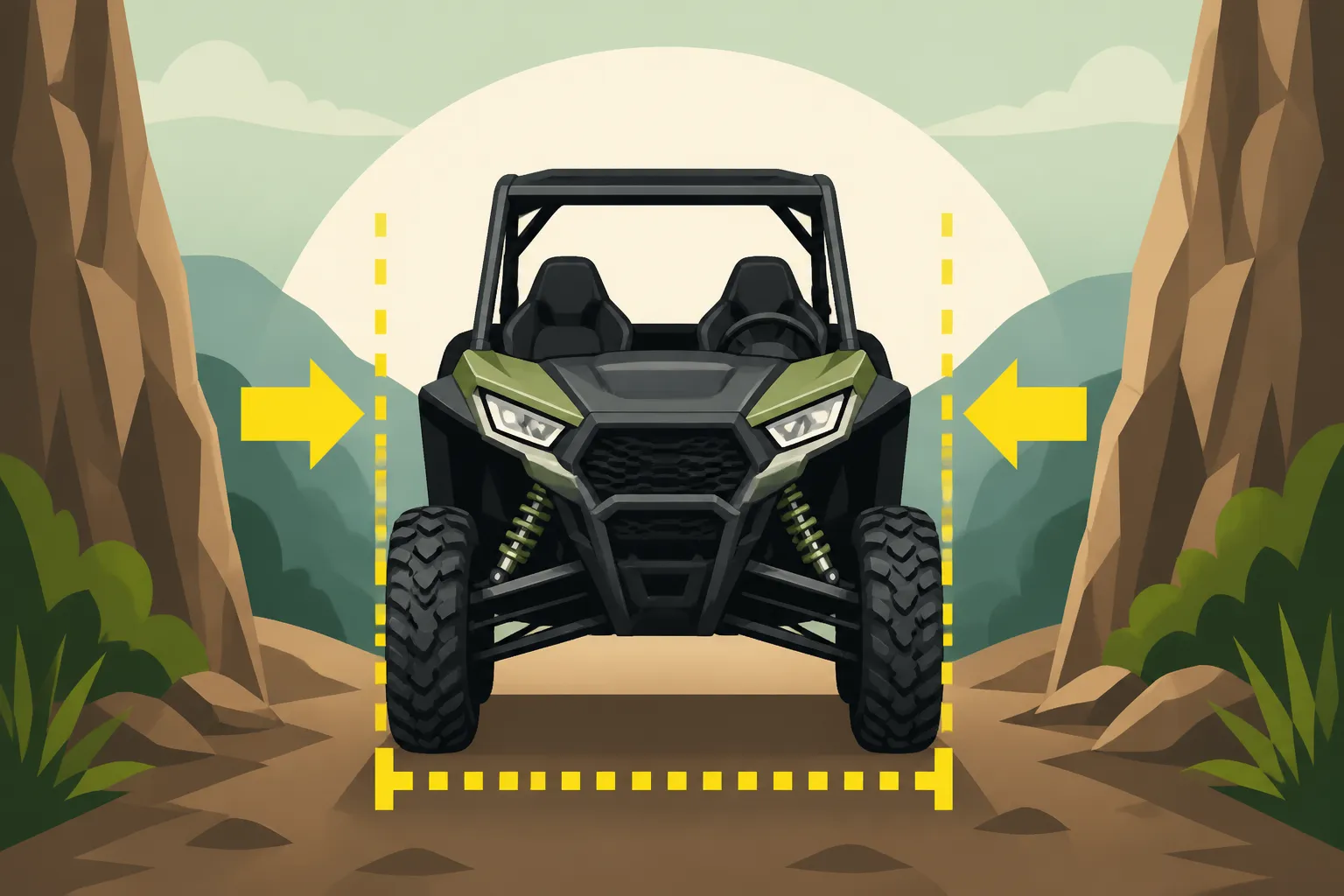
A Machine Under 50 Inches Wide
Navigating the world of ATVs in Oregon can sometimes feel like trying to solve a puzzle, especially when you start digging into the specific rules and classifications. One of the most common points of confusion revolves around machine dimensions, particularly the "under 50 inches wide" rule. If you own a traditional quad or are looking to buy one, understanding exactly what this measurement means for your riding opportunities, permits, and overall legal compliance in Oregon is absolutely critical, and this guide is here to untangle all of that for you.
What Does "Under 50 Inches Wide" Really Mean in Oregon?
When you hear riders or official documents in Oregon talk about an ATV being "under 50 inches wide," they're not just throwing out a random number. This specific dimension is the cornerstone of Oregon's Class I All-Terrain Vehicle definition, and it has profound implications for how your machine is classified and, subsequently, regulated. It's the measurement that often separates your classic quad from the larger side-by-sides you see zipping around the dunes.
The Defining Characteristic of a Class I All-Terrain Vehicle
In Oregon, an all-terrain vehicle (ATV) that measures 50 inches or less in width is primarily defined as a Class I ATV. This isn't just one factor among many; it's the defining physical characteristic. Beyond its narrow stance, a Class I ATV also typically features handlebars for steering and a seat designed to be straddled by the operator. Think of the traditional quad or four-wheeler that many of us grew up riding – that's the quintessential Class I machine. These machines are built for a more intimate, active riding experience, demanding the operator to shift their weight and engage with the terrain in a direct way. The law, specifically [Oregon's Class I Under ORS 801.190], hinges on these physical attributes to categorize vehicles for safety and access purposes.
To accurately determine if your machine falls into this category, you'll need to measure its widest point. This usually includes the outside edges of the tires, or any other part that extends furthest from the main body, such as fenders. Many manufacturers design their 4×4 quads, sport quads, and even some youth models to fit comfortably within this [The 50-Inch Limit That Defines a Class I], ensuring they can access trails specifically designated for narrower machines. Knowing this measurement upfront is incredibly important, as it dictates much of your journey as an Oregon ATV owner.
Why the Width Matters for Your Riding Experience
The 50-inch width isn't an arbitrary rule; it's a practical one with direct impacts on where and how you can ride your ATV across Oregon's diverse landscapes. For many years, trails were designed with these narrower machines in mind, often weaving through dense forests or requiring tight turns that wider vehicles simply can't manage. This means that if your machine fits the Class I definition, you'll have access to a vast network of trails that might be off-limits to larger Class IV side-by-sides.
Consider a technical single-track trail winding through the Tillamook State Forest. These trails are often carved through tight trees and over uneven terrain, presenting challenges that are thrilling for a nimble Class I ATV. A wider machine, like a UTV, would find these paths impassable, either getting stuck between trees or requiring excessive maneuvering that damages the trail itself. The narrower profile also contributes to a feeling of greater maneuverability and agility, which many riders prefer for certain types of terrain, from rocky climbs to muddy ruts. The ability to navigate these specific, often more challenging, routes is a significant advantage and a key part of the appeal for owning a Class I machine in Oregon.
Navigating Permits and Regulations for Your Under 50-Inch ATV
Once you understand that your ATV is a Class I machine due to its under 50-inch width, the next step is to ensure you're squared away with Oregon's permits and regulations. The state has a clear system in place to manage off-highway vehicles, and while the classification dictates some aspects, other requirements are universal for all ATVs. It's a system designed to fund trail maintenance and promote safety, so getting it right is beneficial for everyone who enjoys riding.
Oregon's Operating Permit and Your Class I Machine
Regardless of whether your ATV is a nimble 45-inch wide quad or a broader side-by-side, if you plan to operate it on designated off-road riding areas in Oregon, you absolutely need an Oregon ATV Operating Permit. There's no special exemption for Class I machines, and the permit cost is the same for every class of ATV. This permit is your ticket to ride on public lands, including popular spots like the Oregon Dunes National Recreation Area and the vast network of trails in the Tillamook State Forest. Without it, you could face fines, which is a sure-fire way to put a damper on your weekend adventure.
The permit itself is a small, adhesive decal that must be prominently displayed on your machine. It's valid for two years from the month of purchase, giving you a good long run before needing to renew. You can pick up these permits from various vendors across the state, from dealerships to tackle shops, or even purchase them online. For more specifics on how much it costs and where to put it, you can check out resources like [Oregon ATV Permit Cost] and [Oregon Permit Decals and Where They Go]. Missing this step is a common oversight for new riders or those visiting from out of state, so make it a priority before you hit the trails.
Titling Your Class I ATV: Optional, But Often Recommended
Here's another point that often sparks confusion for owners of under 50-inch ATVs: titling. In Oregon, if your Class I ATV is used exclusively off-road and will never see public roads (even briefly, outside of designated access routes), obtaining an Oregon title is completely optional. Many states mandate titling for all vehicles, so this can be a surprising distinction for riders moving to Oregon or purchasing a machine here for the first time. The logic is that without road use, the need for a formal road-going vehicle title is diminished. You can find more details on this flexibility in [Titling an ATV in Oregon Is Optional].
However, just because it's optional doesn't mean it's not a good idea. Having a title serves as undeniable proof of ownership, which can be invaluable in several scenarios. For instance, if you ever decide to sell your Class I ATV, a clear title can streamline the transaction and provide peace of mind for both buyer and seller. It helps prevent disputes over ownership and makes it easier to track the machine's history. It also acts as a crucial document in the unfortunate event of theft. When you're buying or selling a machine, a robust bill of sale is critical, and resources like LawDepot can provide excellent templates to ensure you have all the necessary legal protections and information documented, even if a title isn't mandatory. Many riders opt for a title simply for this added layer of security and convenience, understanding its long-term benefits outweigh the initial paperwork.
Trail Access and Safety Considerations for Your Narrow Machine
Owning a Class I ATV that's under 50 inches wide opens up a specific world of off-road adventure in Oregon. These machines are inherently designed for certain types of terrain and riding styles, making them excel where larger vehicles might struggle. But with this specialized access comes a renewed focus on specific safety measures and an understanding of where your machine truly shines.
Where Your 50-Inch ATV Excels on Oregon Trails
Your under 50-inch ATV is truly in its element on Oregon's vast network of trails. While side-by-sides are gaining popularity, many of the established routes, especially in forest areas, were designed with the narrower footprint of a traditional quad in mind. You'll find that your Class I machine has unparalleled access to single-track trails and tighter paths that are simply impassable for wider vehicles. This is a huge advantage when exploring areas like the Tillamook State Forest, where winding trails through dense timber are common, or specific, narrower sections within the Oregon Dunes National Recreation Area.
Imagine navigating a twisty section of trail where the trees hug close, or maneuvering through a series of technical whoops. Your nimble Class I ATV will feel right at home, allowing you to maintain speed and control where a wider vehicle would be forced to slow down, potentially even turn around. This allows for a more challenging and engaging riding experience, often rewarding riders with access to secluded areas and breathtaking views that are out of reach for others. Understanding [Where to Ride an ATV in Oregon] that caters specifically to your machine's dimensions can unlock a whole new level of adventure.
Essential Safety Gear and Practices for Class I Riders
Safety is paramount for any ATV rider in Oregon, and Class I machines are no exception. The compact size and agile nature of an under 50-inch ATV mean that operators are often more exposed to the elements and terrain, making proper safety gear even more critical. The state of Oregon has specific mandates you must follow to protect yourself and avoid citations.
First and foremost, a properly fitted, DOT-approved helmet is required for all riders, regardless of age or experience level. This isn't just a suggestion; it's the law, and rangers will absolutely enforce it. Make sure your helmet has a snug fit and the chin strap is securely fastened before you even start your engine. You can read up on the specifics in [Oregon Helmet Law for ATV Riders]. Beyond the helmet, goggles or protective eyewear are crucial to shield your eyes from dust, debris, and insects, especially when following other riders. Additionally, all ATV operators, including those on Class I machines, need to carry an [Oregon's ATV Safety Education Card]. This card, often obtained through a free online course, demonstrates your understanding of safe riding practices and the rules of the trail. Round out your gear with sturdy over-the-ankle boots, long pants, a long-sleeved shirt, and gloves to protect against scrapes, impacts, and environmental exposure. Your Class I machine might be small, but the risks on the trail are real, and being prepared is your best defense. Don't forget that a [Oregon Spark Arrester Requirement] is also mandatory on your exhaust system to prevent wildfires.
Buying, Selling, and Maintaining an Under 50-Inch ATV in Oregon
The journey of owning an under 50-inch ATV in Oregon involves more than just riding; it includes the practicalities of acquisition, responsible ownership, and eventual sale. Knowing the ins and outs of these processes will save you headaches and ensure you're always operating within the state's guidelines. From finding your next machine to keeping it running smoothly, a little preparation goes a long way.
What to Look For When Buying a Used Class I Machine
Buying a used ATV can be an exciting prospect, offering a more affordable entry into the sport. However, it also comes with its own set of due diligence, especially when looking at a Class I machine under 50 inches wide in Oregon. First, always verify the machine's actual width. While most traditional quads fit this definition, aftermarket parts like wider tires or wheel spacers can sometimes push a machine just over the limit, potentially reclassifying it or causing issues on width-restricted trails. Don't just take the seller's word for it; bring a tape measure!
Beyond the dimensions, performing a thorough inspection of the ATV is crucial. Check for signs of excessive wear, damage, or neglect. Crucially, always request the Vehicle Identification Number (VIN) and run a check to ensure the machine isn't reported stolen and that its history is clean. Services exist that can help with this, giving you peace of mind before you make a significant purchase. You can read more about this in [Checking a VIN Before Buying Used]. Finally, ensure you receive a clear and comprehensive bill of sale, even if the ATV is being sold without an Oregon title. This document should detail the sale price, date, machine information, and both buyer and seller contact details. LawDepot can be an excellent resource for customizable, legally sound bill of sale templates, which are essential for proving ownership and facilitating any future transactions, whether or not a title is involved.
Best Practices for Selling Your Class I ATV
When it's time to part ways with your under 50-inch ATV in Oregon, a smooth and transparent selling process benefits both you and the buyer. Your primary goal should be to provide the buyer with all necessary documentation and a clear understanding of the machine's history and status. Start by making sure your ATV is in good working order and clean, as presentation always helps. Be honest about any known issues or maintenance history.
For documentation, the bill of sale is paramount. As mentioned, even if an Oregon title isn't mandatory for an off-road only machine, a detailed bill of sale protects both parties. Utilize a reliable template, perhaps from LawDepot, to ensure all critical information is included, especially the VIN, purchase price, and a clear statement that the machine is being sold "as-is" (unless you're offering a warranty). If you do have an Oregon title for the machine, be prepared to sign it over to the new owner, following the specific instructions on the title document. Clearly communicate to potential buyers that they will need to obtain their own Oregon ATV Operating Permit before riding on public lands, as your permit is tied to your machine's operation under your ownership and doesn't transfer. Being thorough and transparent will make the sale process efficient and prevent any misunderstandings down the line.
Maintenance Tips to Keep Your Narrow ATV Trail-Ready
Keeping your under 50-inch Class I ATV in top shape is key to maximizing its performance and longevity on Oregon's trails. Due to their often more agile and aggressive use, these machines require diligent maintenance. Regular checks and preventative care can prevent minor issues from becoming major, costly repairs.
Start with the basics: check your tire pressure before every ride. Correct tire pressure is critical for handling, traction, and preventing flats, especially on varied terrain. Regularly inspect your chain or drive belt for proper tension and lubrication, as these are often exposed to dirt and mud. Air filters should be cleaned or replaced frequently, particularly after dusty rides in areas like the high desert. Regularly change your oil and oil filter according to your manufacturer's recommendations, as engine health is paramount. Pay attention to your brakes – check pads for wear and fluid levels. After every ride, especially if you've been in muddy or sandy conditions, give your machine a thorough wash. Pay special attention to hidden areas where mud and grit can accumulate, potentially causing corrosion or wear on moving parts. Regularly inspecting your [Oregon ATV Width Limits by Class] and other specifications against any new parts or accessories you install ensures your machine remains compliant and ready for the specific trails it was designed for. A well-maintained ATV is not only more reliable but also safer to operate, ensuring you can enjoy many seasons of adventure on Oregon's fantastic off-road trails.
| Feature | Oregon Class I ATV (Under 50 Inches) | Oregon Class IV ATV (Side-by-Side) |
|---|---|---|
| Defining Width | 50 inches or less | Over 50 inches wide (up to 75 inches in some cases) |
| Seating | Straddle seat for operator (and sometimes passenger) | Bench seat or bucket seats |
| Steering | Handlebars | Steering wheel |
| Operator Position | Legs straddling engine/frame | Seated fully within the vehicle's cabin |
| Trail Access | Access to narrow, single-track trails | Limited on narrow trails, excels on wider paths |
| Primary Examples | Traditional sport quads, utility quads (most 4x4s) | UTVs, Side-by-Sides |
| Permit Required? | Yes, standard Oregon ATV Operating Permit | Yes, standard Oregon ATV Operating Permit |
| Titling Optional? | Yes, if used exclusively off-road | Yes, if used exclusively off-road |
Disclaimer
This article is for general informational purposes only and does not constitute professional advice. Laws, prices and regulations vary by location and change over time. Consult a qualified professional for guidance on your specific situation.