Oregon Permits for a Youth Machine
As a parent, guardian, or even just an enthusiast looking to introduce a young person to the incredible world of off-road riding in Oregon, figuring out the rules for youth ATVs and UTVs can feel like navigating a maze blindfolded. You just want to get your kid out there safely and legally, but the jargon and endless websites can make it incredibly frustrating. This guide is here to untangle the confusion surrounding Oregon's permit requirements for youth machines, making sure you understand exactly what you need to do to hit the trails with peace of mind.
Understanding Oregon's ATV Permit System for Young Riders
The beautiful thing about Oregon's approach to off-highway vehicle (OHV) permits is its simplicity, but that simplicity can also hide crucial details. For young riders and their machines, the core principle remains the same as for adults: if it's hitting a designated OHV area or a road open to OHVs, it needs a permit. There's no special "kids only" permit that exempts smaller machines or younger operators from the general rules.
This universal requirement often catches people off guard. You might think a smaller, less powerful machine designed for a child wouldn't need the same kind of official stamp as a roaring adult quad, but Oregon doesn't differentiate in this particular aspect. The state sees any OHV operating on public land as part of the system that needs to be tracked and, crucially, contribute to the funding that maintains these very trails and riding areas.
Why Even Youth Machines Need a Permit
When we talk about an Oregon ATV permit, we're really discussing an "operating permit." This isn't the same as vehicle registration you'd get for a car at the DMV; it's a specific permit issued by the Oregon Parks and Recreation Department (OPRD) to ensure your machine is legally allowed on public lands. For youth machines, the logic is identical. Whether it's a 90cc quad for a budding rider or a full-sized side-by-side, if it's on a state-managed trail or a sanctioned riding area, that little decal proves it's compliant.
The funds generated from these permits play a vital role in keeping our state's vast network of OHV trails and staging areas in top condition. Everything from trail maintenance, signage, and education programs to securing access rights and improving facilities relies on the revenue from these permits. So, even though it might seem like another hoop to jump through, that permit on your child's machine is directly contributing to their ability to enjoy those fantastic riding experiences now and in the future. It’s a collective effort to sustain the sport we all love.
The Universal Oregon Permit – No Special Youth Permit
Here's where a lot of parents get confused: there isn't a specific "youth machine permit" in Oregon. The state uses one universal ATV operating permit for all classes of ATVs, off-road motorcycles, and UTVs. This means the permit you buy for your child's 90cc quad is the exact same permit you'd buy for your own 700cc utility ATV or a large side-by-side. The price is the same, the decal is the same, and the two-year validity period is the same. It's a "one size fits all" approach when it comes to the permit itself.
What does differ are the safety education requirements for younger riders, which we'll delve into later, but for the actual permit, it’s straightforward. You're simply obtaining an operating permit for the machine, not for the rider. This simplifies the process for permit agents and online purchasing, as they don't need to verify the age of the primary operator when issuing the permit. Just remember, while the permit is universal, the rules about who can operate which machine, and under what supervision, are very specific for youth riders. For more on this, check out [One Oregon Permit Price for Every Class].
What Constitutes a "Youth Machine" in Oregon's Eyes?
Oregon's OHV classification system is quite detailed, and understanding it is key to knowing where your child's machine fits in. While we often think of "youth machines" as a separate category, the state integrates them into its broader classification system based primarily on physical characteristics like width, weight, and seating. This means your child's quad, dirt bike, or even a small side-by-side will fall into one of the established classes.
Knowing the class is important not only for understanding the permit system but also for adhering to other regulations, such as those regarding rider age, safety education, and even where certain machines can ride. It’s not about the rider's age, but the machine's specifications that dictate its classification. This might seem like a minor detail, but it’s a foundational piece of information that affects everything else you need to know.
Class I ATVs and Their Size Limits
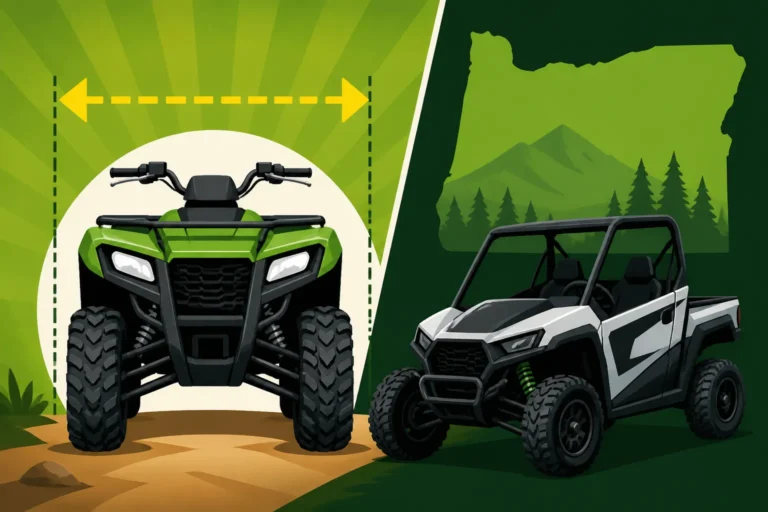
Most traditional "youth quads" — those smaller, single-rider ATVs often seen for younger beginners — typically fall into Oregon's Class I ATV category. This class is defined by specific physical characteristics: the machine must be 50 inches wide or less and have a dry weight of 800 pounds or less. It's designed for a single operator, with handlebars for steering and a saddle-style seat where the rider straddles the machine.
Think of those 50cc, 90cc, or even 125cc quads that are perfect for younger riders learning the ropes. Their compact size and lighter weight make them ideal for navigating tighter trails and are less intimidating for a developing rider. The 50-inch width limit is particularly significant, as it determines access to many designated Class I-only trails. So, if your child's machine fits these dimensions, it's almost certainly a Class I ATV and will need the standard Oregon operating permit. For a deeper dive into these measurements, you can read [The 50-Inch Limit That Defines a Class I] and [Dry Weight Limits by Oregon Class].
Off-Road Motorcycles (Class III) for Younger Riders
Beyond quads, many young riders are introduced to the sport on off-road motorcycles, commonly known as dirt bikes. In Oregon, these machines are classified as Class III. This category is for two-wheeled, motorized vehicles designed for off-road use, typically featuring handlebars and a seat that's straddled. Just like with ATVs, there's no separate "youth dirt bike" classification; the smaller 50cc, 65cc, 80cc, or 100cc dirt bikes designed for children simply fall under the general Class III definition.
Parents often ask if a tiny Pee-wee 50 needs a permit, and the answer is yes, if it's on public OHV land. The intent is to include all motorized off-road vehicles in the permit system for consistency and funding. Understanding that your child's dirt bike is a Class III machine helps you prepare for permit requirements and any other Class III-specific regulations that might apply, especially concerning safety gear and riding areas. You can explore more about this classification in [Class III Off-Road Motorcycles in Oregon].
How to Obtain an Oregon ATV Operating Permit for a Youth Machine
Once you understand that your child's machine needs a standard Oregon ATV operating permit, the next step is actually getting one. Thankfully, Oregon has made the process relatively straightforward, offering both online and in-person options to suit different preferences and urgencies. The goal is to make it as easy as possible for riders to comply, thereby supporting the OHV program.
No matter which method you choose, you'll need some basic information about the machine itself. This typically includes the Vehicle Identification Number (VIN) and confirming the machine's class. Having this information readily available will significantly speed up the process, whether you’re clicking through an online form or standing at a counter. It's always a good idea to double-check these details before you start the purchase process.
Purchasing Online for Convenience
For many busy parents, buying an Oregon ATV permit online is the most convenient option. You can do it from the comfort of your home, any time of day or night. The Oregon Parks and Recreation Department (OPRD) website provides a user-friendly portal specifically for purchasing these permits. The moment your transaction is complete, you'll receive a temporary permit via email. This is incredibly helpful because it means you can legally ride your youth machine almost immediately, without waiting for anything to arrive in the mail.
The temporary permit is valid for 30 days, giving you ample time for the physical decal and permit card to reach you through postal mail. This system is perfect if you realize at the last minute before a weekend trip that you forgot to get a permit. Just hop online, complete the purchase, print your temporary permit (or save it to your phone), and you’re good to go. For detailed steps and what to expect, refer to [Buying an Oregon Permit Online] and [Oregon's 30-Day Temporary Permit Emailed at Purchase].
Visiting a Local Permit Agent
If you prefer a more traditional approach, or if you need the physical decal immediately, visiting one of Oregon's many authorized permit agents is a great choice. These agents are typically ATV dealerships, outdoor recreation stores, or even some state park offices scattered throughout the state. The main advantage of this method is that you walk out with the official decal and permit card in hand right away, which is reassuring for some riders.
Talking to a local agent can also be helpful if you have specific questions or need clarification, as they are often knowledgeable about the local riding areas and specific regulations. It's a good idea to check the OPRD website for a list of current permit agents and their operating hours before you head out, especially if you're traveling a distance or planning a weekend visit. Finding a convenient location can make all the difference, particularly if you're en route to a riding destination. You can find more information about these locations in [Oregon Permit Agents You Can Walk Into] and [Finding a Permit Agent on the Way].
Information Needed for Purchase
Regardless of whether you purchase your youth machine's permit online or in person, you'll need to provide some specific information. The most critical piece of data is the Vehicle Identification Number (VIN) for the ATV or off-road motorcycle. This unique identifier ensures the permit is accurately linked to your specific machine. You'll also need to confirm the machine's class (Class I for most youth quads, Class III for dirt bikes) and provide your contact information as the permit holder.
While the permit is for the machine, the "owner" listed on the permit will typically be the parent or guardian, as minors generally cannot legally enter into contracts. It's important to be accurate with all the details, as incorrect information could lead to issues if you're ever stopped by a ranger or law enforcement. Having proof of ownership, like a bill of sale, can be helpful if there's any confusion, and resources like LawDepot can assist in creating or formalizing such documents for privately bought machines. This ensures a smooth transaction and helps avoid any future headaches.
Decal Placement and What to Do with the Permit Card
Once you have that shiny new Oregon ATV operating permit and decal, the next step is to make sure it's properly affixed to your child's machine and that the accompanying permit card is kept safe. This might seem like a minor detail, but correct placement ensures compliance and can prevent unnecessary stops or questions from trail rangers. The goal is clear visibility and durability.
Remember, the decal is your proof of compliance for the machine, and the card serves as a portable record. Both are important components of legal riding in Oregon's OHV areas. Take a moment to apply the decal carefully, and think about how you'll protect the card, especially given Oregon's diverse and sometimes unpredictable weather conditions.
Where to Affix the Decal on a Quad or Dirt Bike
Proper decal placement is crucial for quick identification by enforcement officers and rangers. For a youth ATV (Class I), the decal should be firmly affixed to the right front half of the machine. This means typically on the right side of the front fender or the right side of the main bodywork, where it's easily visible. Avoid placing it on areas that might be easily obscured by mud, branches, or rider's gear.
For an off-road motorcycle (Class III), the decal goes on the right front fork leg. Make sure it's facing outwards and is not covered by fork guards or other accessories. Before applying any decal, clean the surface thoroughly to ensure it sticks properly and can withstand the rigors of off-road riding. A well-placed, clean decal shows you're a responsible rider, which sets a great example for your young adventurer. For visual guidance on placement, check out [Decal Placement on a Quad's Right Side] and [Decal Placement on an Off-Road Motorcycle].
Keeping the Permit Card Safe on the Trail
While the decal is on the machine, you'll also receive a small, wallet-sized permit card. This card contains all the relevant permit information and serves as backup proof. It's wise to carry this card with you whenever you're riding, or at least keep it with the machine. However, given Oregon's often wet climate and the dusty conditions of many riding areas, simply tucking it into a pocket might not be the best long-term solution.
Consider investing in a small, waterproof dry bag or a secure, watertight compartment on the machine itself (like a tool kit under the seat or a small handlebar bag). This will protect the card from moisture, dirt, and wear and tear. If you're riding in a group, one adult can carry all the permit cards for the machines, as long as they are readily accessible if requested. Ensuring the card's longevity means you won't have to worry about replacing a damaged one down the line. Keep it safe and readable! For tips on managing documents in challenging environments, you might find [Keeping Paperwork in a Wet Climate] helpful.
Beyond the Permit: Safety Education and Supervision
Getting the operating permit for your youth machine is a critical first step, but it's only one piece of the puzzle for safe and legal riding in Oregon. For young riders especially, the emphasis on safety education and proper adult supervision is paramount. Oregon takes the safety of its youth riders very seriously, and there are specific requirements in place to ensure they have the knowledge and skills needed to operate an OHV responsibly.
Parents often mix up the permit requirements with the safety education card, but they are distinctly separate. One is for the machine, the other is for the rider. Understanding both is essential to avoid any legal issues and, more importantly, to foster a culture of safety for your child as they learn and grow in the sport. This layered approach ensures both the machine and the operator are ready for the trails.
The Mandatory Oregon ATV Safety Education Card
Here's a crucial point that often surprises parents: every OHV operator in Oregon, regardless of age, must carry an ATV Safety Education Card. This includes adults and, critically, all youth riders. The only exception is for those holding a valid driver's license, which can substitute for the safety card when operating a Class IV machine (side-by-side) or a street-legal Class II machine. For youth quads (Class I) and dirt bikes (Class III), the safety card is mandatory for all ages.
The good news is that the official Oregon ATV Safety Education Course is available online and is free. It covers essential topics like safe riding practices, environmental awareness, and Oregon-specific regulations. For riders under 16, there's often an additional requirement for hands-on training, though this can sometimes be met through supervised riding with an instructional permit. Passing this course and carrying the card ensures your child has a foundational understanding of safe OHV operation, which is invaluable. Learn more about these requirements in [Oregon ATV Safety Card Requirements] and [Oregon Rules for Riders Under 16].
Oregon's Supervision Rules for Young Riders
Beyond the safety education card, Oregon has specific rules regarding adult supervision for young OHV operators. These rules are designed to ensure that children are riding in a controlled and safe environment, with experienced guidance. The exact requirements can vary based on the child's age and the type of machine they are operating.
Generally, riders under the age of 16 operating Class I (quads) or Class III (dirt bikes) machines must be under the direct supervision of an adult who is at least 18 years old and holds a valid ATV Safety Education Card (or a driver's license for those eligible). "Direct supervision" usually means the adult must be close enough to easily communicate with and observe the child, and be able to intervene if necessary. This isn't just a legal formality; it's a vital safety measure. An experienced adult can help a young rider navigate challenging terrain, react to unexpected situations, and reinforce good riding habits, making the experience safer and more enjoyable for everyone.
Common Pitfalls and Troubleshooting for Youth Machine Permits
Even with the best intentions, things can sometimes go awry. Permits get lost, decals fall off, or you might find yourself in Oregon with an out-of-state machine. Knowing what to do in these situations can save a lot of stress and prevent potential legal trouble. The key is to be proactive and understand the steps to rectify common issues, ensuring your youth rider's machine remains compliant and ready for the trails.
It's a fact of life that things don't always go according to plan, especially when dealing with machines exposed to the elements. Being prepared for these eventualities is part of being a responsible OHV enthusiast and a good example for younger riders.
Lost Decals or Permit Cards
It happens to the best of us: a decal might peel off after a particularly muddy ride, or that small permit card might slip out of a pocket unnoticed. If you find yourself with a lost or damaged decal or permit card for your youth machine, don't just ignore it and hope for the best. Riding without a visible, valid decal or the accompanying permit card can lead to a citation.
The good news is that replacing them is generally straightforward. You'll typically need to contact the Oregon Parks and Recreation Department or visit a permit agent. There might be a small fee associated with the replacement, but it's a small price to pay for compliance and peace of mind. It’s important to act quickly to get a replacement, especially if you have upcoming riding plans. For specifics on how to handle this, refer to [Replacing a Lost Oregon ATV Permit].
Riding an Unpermitted Youth Machine – The Consequences
While the state encourages OHV use, it also enforces its regulations strictly to maintain safety and funding. Riding an unpermitted youth machine on designated OHV areas or public lands open to OHVs in Oregon is a violation and can lead to a Class C traffic violation. This isn't just a slap on the wrist; it can come with a significant fine. Beyond the financial penalty, being cited can be a frustrating and time-consuming experience, potentially cutting short a planned riding trip.
Rangers and law enforcement officers are regularly present at popular staging areas and on trails, conducting checks to ensure compliance. They aren't just looking for adult machines; youth machines are also subject to inspection. The best way to avoid this unpleasant situation is to simply ensure your child's machine always has a current and properly displayed operating permit before you even load it onto the trailer. For details on potential fines, see [Oregon Fines for Riding Without a Permit].
Out-of-State Youth Machines Visiting Oregon
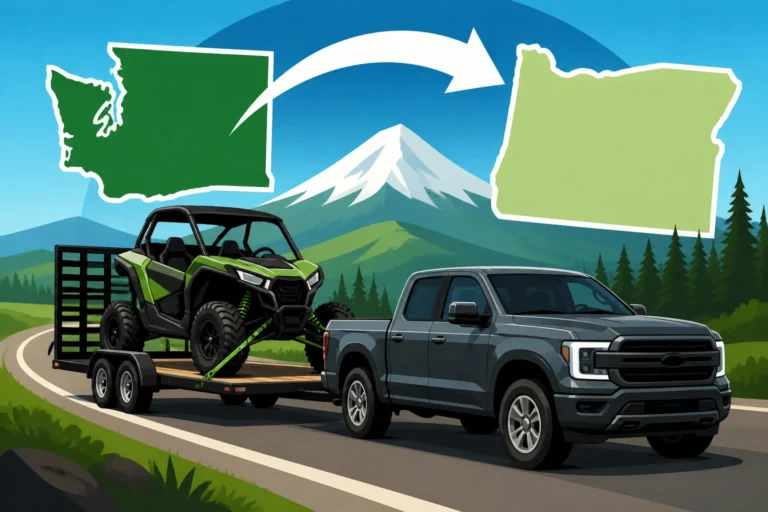
Many families travel to Oregon from neighboring states to enjoy our incredible riding areas, especially the famous sand dunes. If you're visiting Oregon with a youth machine that has an out-of-state permit or registration, you'll need to understand Oregon's reciprocity rules. Generally, Oregon offers reciprocity for OHV permits from 18 other states. This means if your machine is legally permitted in one of those reciprocating states, you might be exempt from needing an Oregon permit for a limited time.
However, this exemption usually has a time limit, often around 60 consecutive days. If you plan to be in Oregon for an extended period, or if your home state isn't on the reciprocity list, you will need to purchase an Oregon ATV operating permit for the youth machine. Always check the most current reciprocity list and rules on the OPRD website before your trip to avoid any surprises. It’s always better to be safe than sorry, especially when introducing children to new riding environments. Information on this topic can be found in [Oregon Rules for an Out-of-State Machine] and [Does Visitors Need an Oregon ATV Permit?].
Permit vs. Safety Card: A Quick Overview
To clarify the two distinct requirements for youth machine operation in Oregon, here's a helpful comparison:
| Feature | Oregon ATV Operating Permit | Oregon ATV Safety Education Card |
|---|---|---|
| What it's for | The machine (ATV, UTV, dirt bike) | The rider |
| Purpose | Funds OHV trails and programs | Ensures rider knowledge and safety |
| Who needs it | All OHVs on public lands/OHV areas | All OHV operators (with few exceptions) |
| Cost | There is a cost associated with it. | Free online course |
| Validity | Two years from purchase month | Valid for life (no expiration) |
| Proof of compliance | Decal on machine, physical permit card | Physical card or proof of completion |
| Key for Youth Riders | Absolutely required for their machine | Absolutely required for the youth to ride |
Disclaimer
This article is for general informational purposes only and does not constitute professional advice. Laws, prices and regulations vary by location and change over time. Consult a qualified professional for guidance on your specific situation.