Oregon Plates for a Dune Buggy
Navigating the rules for off-road vehicles in Oregon can feel like trying to find your way through a dense coastal forest in a fog – especially when you're dreaming of cruising your dune buggy on paved roads. Many folks purchase a cool sand machine, envisioning effortless transitions from the dunes to town for a burger, only to hit a brick wall of state regulations. This guide is here to untangle the complexities of getting Oregon license plates for your dune buggy, explaining the specific conditions under which it's even possible and what steps you'd need to take.
Understanding Oregon's Vehicle Classifications for Off-Road Machines
Before we even talk about plates, it's crucial to understand how Oregon categorizes off-road vehicles. This isn't just bureaucratic red tape; these classifications dictate everything from where you can ride to what kind of permits or, yes, even plates your machine might qualify for. When it comes to dune buggies, there's often a bit of a gray area, making it even more important to know the specifics.
Where Does a Dune Buggy Typically Fit?
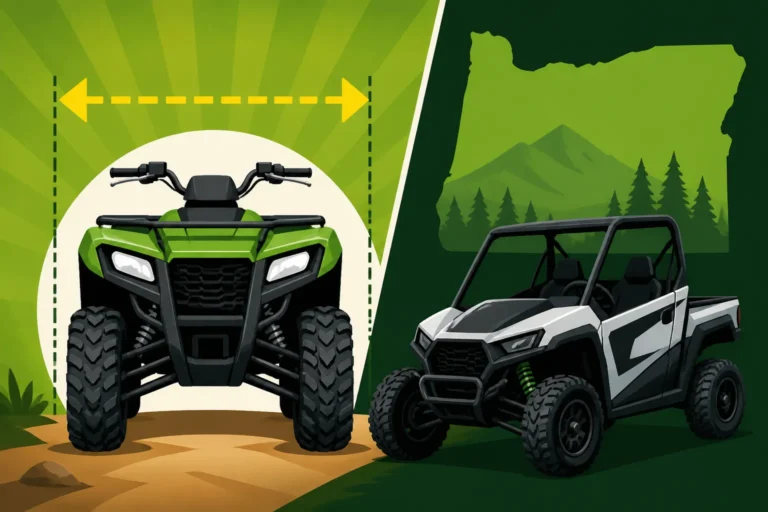
In Oregon, off-highway vehicles (OHVs) are primarily divided into four classes: Class I (quads/ATVs under 50 inches wide), Class II (larger off-road vehicles like jeeps, certain buggies, and large trucks), Class III (off-road motorcycles/dirt bikes), and Class IV (side-by-sides/UTVs). Most traditional dune buggies, especially those custom-built or significantly larger than a typical ATV, often find themselves squarely in the Class II category. This is a critical distinction because Class II machines are the only ones with a potential path to street legality and, consequently, Oregon license plates.
A Class II machine, as defined by Oregon law, is any motor vehicle that is not a Class I, III, or IV OHV, has a dry weight of more than 800 pounds, and is operated off-highway. This broad definition perfectly encapsulates many dune buggies. Think about those open-air, often custom-built vehicles with a steering wheel and pedals, designed for sand and dirt, but clearly larger and heavier than a typical quad. They often have robust suspension, roll cages, and seating for two or more. It's their inherent design characteristics that push them into this particular classification, separating them from the more common recreational quads or side-by-sides. Knowing [Which Oregon ATV Class Your Machine Falls Into] is the first step in understanding its legal journey.
This classification matters immensely because it determines the baseline requirements. A typical Class I ATV (quad) or Class IV UTV (side-by-side) is generally considered an off-highway vehicle only. There's no pathway for them to obtain Oregon license plates for general street use, regardless of how many lights you bolt on. Their design, weight, and intended use fundamentally limit their legal operating environment to designated off-road areas, trails, and specific [Oregon's ATV Highway Access Routes] where their class is permitted. For a dune buggy, however, its potential as a Class II machine opens up a very specific, albeit often challenging, route to street legality.
The General Rule: No Plates for Most Off-Road Vehicles
Let's be blunt: for the vast majority of off-road vehicles in Oregon, getting actual license plates for street use is simply not an option. The state's Department of Motor Vehicles (DMV) generally does not register what it considers "off-road vehicles" for highway operation. This is a common source of frustration and misunderstanding for riders who move to Oregon from other states with different laws, or for those who simply assume that if they can buy it, they should be able to drive it anywhere.
The primary form of legal documentation for most off-road use in Oregon is an ATV Operating Permit issued by the Oregon Parks and Recreation Department (OPRD). This permit, indicated by a small decal you affix to your machine, allows you to ride on designated off-highway vehicle trails and areas across the state. It's a permit for off-road use, not a registration for on-road use. The process for obtaining this permit is entirely separate from what the DMV handles. You can learn more about this by reading [Oregon's ATV Operating Permit]. This distinction is critical: an operating permit is about access to trails, not about driving down Main Street.
So, why the strict separation? Oregon's laws are designed to categorize vehicles based on their primary intended use and safety standards. Vehicles designed purely for off-road environments often lack the safety features, emissions compliance, and structural integrity required for safe and consistent operation on public highways alongside passenger cars and trucks. Things like specific lighting configurations, windshield requirements, certain tire ratings, and even crash safety standards are simply not built into most recreational off-road machines. This fundamental difference is why [Why Oregon's DMV Does Not Register ATVs] is a common question, and the answer lies in these differing regulatory frameworks.
The Class II Exception: When a Dune Buggy Can Get Oregon Plates
Now for the glimmer of hope for some dune buggy owners: the Class II exception. This is where it gets interesting, and often complex. While most off-road machines are confined to dirt, a specific subset of Class II vehicles can indeed be made street legal in Oregon, allowing them to obtain traditional license plates.
What Makes a Class II Machine Street Legal?
For a dune buggy (or any other Class II machine) to become street legal in Oregon, it must jump through several significant hoops, transforming it from a pure off-road toy into a vehicle capable of safely sharing the road with other traffic. This isn't just about adding a few lights; it's about meeting a comprehensive list of equipment requirements set by the Oregon Department of Transportation (ODOT) and the DMV. You'll need to equip your dune buggy with, at minimum:
- Headlights and Taillights: These must meet specific illumination and visibility standards, not just basic trail lights.
- Turn Signals: Both front and rear, clearly visible.
- Brake Lights: Functioning correctly and easily seen from the rear.
- Horn: An audible warning device.
- Mirrors: At least one rear-view mirror, or two if the vehicle is designed for multiple passengers.
- Windshield: A safety glass windshield that provides an unobstructed view and meets safety standards.
- Windshield Wipers: If a windshield is present, it often requires functional wipers.
- Seat Belts: For all occupants, securely mounted and functional.
- DOT-Approved Tires: Tires specifically rated for highway use, not just off-road knobbies.
- Brakes: A robust braking system that can stop the vehicle effectively and safely.
- Fenders or Mud Flaps: To prevent road debris from being thrown by the tires.
- Muffler and Emissions Control: The vehicle must meet applicable sound and emission standards for highway use.
Beyond these items, the vehicle must be inspected by a qualified Oregon DMV agent to confirm it meets all necessary safety and equipment standards. This inspection is not a quick once-over; it's a thorough check to ensure compliance with highway safety regulations. If your dune buggy was originally manufactured for off-road use, but you've painstakingly added and adapted these components, you're essentially converting it into a new class of vehicle in the eyes of the law. This process is often referred to as [Registering a Street-Legal Class II in Oregon] and requires careful attention to detail.
Mandatory Insurance for Class II Street Use
This is a critical point that often catches people off guard. If your dune buggy successfully navigates the conversion process and receives Oregon license plates, it immediately falls under the same mandatory insurance requirements as any other street-legal motor vehicle in the state. This means you cannot legally operate it on public roads without proof of financial responsibility. Unlike off-road use, where insurance for most classes of OHVs is optional (though always a good idea!), for a plated Class II machine, it becomes a legal necessity.
The insurance requirements typically include minimum liability coverage to protect against bodily injury and property damage you might cause to others in an accident. Many drivers also choose to carry additional coverage, such as comprehensive and collision, to protect their own investment in the vehicle. Securing this type of insurance for a modified dune buggy can sometimes be a challenge, as not all insurance providers are equally familiar with these unique vehicles. It's wise to shop around and be very clear with your insurer about the vehicle's classification and its new street-legal status. For more insights into this, check out [Insurance and Oregon Class II Machines].
Without proper, state-mandated insurance, operating a plated Class II dune buggy on public roads is illegal and can lead to significant penalties, including fines, suspension of driving privileges, and even vehicle impoundment. This is a non-negotiable aspect of street legality, underlining the significant difference between a recreational off-road permit and full vehicle registration for highway use. It’s an essential part of the responsibility that comes with having a street-legal machine.
Limited Road Access Even With Plates
Even after going through the arduous process of making your Class II dune buggy street legal and getting plates, it's important to understand that your road access might still be more restricted than a typical passenger car. While having plates certainly opens up more possibilities than an off-road permit alone, Oregon has specific laws regarding where OHVs, even street-legal ones, can and cannot operate.
Oregon does have designated [Oregon's ATV Highway Access Routes] in certain communities, such as Lakeside and Sumpter. These routes are specifically established by local ordinances in conjunction with state approval to allow off-highway vehicles to travel between trails, campgrounds, and local businesses. However, these are specific, marked routes, not a blanket permission to drive on any highway. A street-legal Class II dune buggy would typically be able to use these routes, but it's crucial to consult local ordinances and maps, as even these designated areas have rules regarding hours of operation, speed limits, and specific road segments.
Furthermore, while a plated Class II machine can generally operate on most public roads, there might still be limitations based on road type (e.g., interstates or certain state highways might be restricted), local municipal ordinances, or even the type of driver's license required for specific vehicle weights or classes. The assumption that "plated means unlimited" can lead to fines and legal trouble. Always verify the specific road you intend to travel on. The Oregon Department of Transportation (ODOT) and local law enforcement are the best resources for definitive information on road access. The ultimate goal is safe and legal enjoyment, which means understanding the nuances of these regulations, even after your dune buggy earns its coveted Oregon plates.
Practical Steps and Considerations for a Dune Buggy Owner
So, you're committed to the idea of getting your dune buggy plated in Oregon. It's an ambitious goal, but certainly achievable if your machine fits the Class II criteria and you're prepared for the journey. Here’s a look at some practical steps and crucial considerations.
Documentation and Proving Ownership
The first hurdle in converting any vehicle to street-legal status is proving clear ownership. This is absolutely non-negotiable for the DMV. You'll need a solid paper trail, which typically means a Manufacturer's Certificate of Origin (MCO) if it's a new, custom-built, or recently assembled machine, or a previous title if you bought it used. If you've acquired your dune buggy through a private sale, a detailed and legally sound bill of sale is paramount. This document should clearly identify the vehicle (including its Vehicle Identification Number or VIN), the buyer, the seller, the date of sale, and the purchase price.
When dealing with a private sale or even just needing to formalize your ownership, services like LawDepot can be incredibly helpful for creating a legally sound bill of sale. They offer templates that ensure all the necessary details are included, which can save you a headache down the road if you ever need to prove ownership or make a claim. A robust bill of sale protects both the buyer and seller and forms the foundation of your ownership proof. If you're buying a used dune buggy and the seller doesn't have a pristine paper trail, you'll definitely want a robust bill of sale, perhaps created using a service like LawDepot, to help generate one that protects both parties, ensuring you have a clear record of the transaction. Additionally, always conduct a VIN check before purchasing any used machine to ensure it's not stolen and doesn't have any hidden liens. [Buying a Used Quad in Oregon] provides further advice on this.
Even for simple ownership, having documents that clearly state your ownership can prevent future disputes. LawDepot provides easy-to-use templates for various legal forms, including bills of sale, which can be invaluable whether your dune buggy is a prized off-road toy or a street-legal marvel. Don't underestimate the power of clear, concise documentation throughout this entire process. It’s the backbone of your claim to legal ownership and eligibility for registration.
Navigating the Oregon DMV and OPRD
Understanding which state agency handles what is key to avoiding frustration and wasted time. The Oregon Parks and Recreation Department (OPRD) is responsible for the Oregon ATV Operating Permit program, which covers all recreational off-road use. This is where you go for your decals that allow you to ride on designated trails and dunes. In contrast, the Oregon Department of Motor Vehicles (DMV) is the agency you'll deal with for vehicle titles, registrations, and license plates for street-legal vehicles. These are two completely separate governmental bodies with different purviews.
For a dune buggy that you intend to make street legal, your primary interaction will eventually be with the DMV. You'll submit your ownership documents, proof of meeting equipment requirements (often through an inspection), and pay the necessary fees to obtain a title and then registration plates. It's a journey that starts with ensuring your machine is physically compliant, then proving that compliance to the DMV. Many people get confused because [Why Oregon's DMV Does Not Register ATVs] is a common misconception, leading them to believe no off-road machine can ever get plates. However, for a Class II vehicle that meets all street-legal conversion requirements, the DMV will process the registration.
It's also worth noting that while [Titling an ATV in Oregon Is Optional] for most off-road machines, if you are attempting to make a Class II dune buggy street legal, having a formal Oregon title becomes essential. The title is the official record of legal ownership and is a prerequisite for street registration. Without a clear title, the DMV simply won't proceed with issuing plates, reinforcing the importance of solid documentation from day one.
The Cost and Effort of Street Legal Conversion
Let's be realistic: transforming an off-road dune buggy into a street-legal Class II vehicle is not a cheap or quick endeavor. The financial investment can be substantial, encompassing the cost of all the required safety equipment (lights, windshield, wipers, mirrors, DOT tires, etc.), professional installation if you're not doing it yourself, and various inspection and registration fees. These costs can easily run into thousands of dollars, depending on the current state of your dune buggy and the quality of components you choose.
Beyond the monetary cost, there's a significant investment of time and effort. You'll need to research the exact specifications for each required component, source the parts, install them correctly, and then potentially make multiple trips to the DMV or inspection stations. This process often involves trial and error, as components might need adjustments to meet specific angles of visibility for lights or mirror placement. The DMV will charge fees for titling and registration, and remember that ongoing costs will include mandatory insurance premiums. It's crucial to consult the current fee schedules on the Oregon DMV website, as these figures can change.
| Feature | Off-Road Use (Permit Only) | Street-Legal Class II (Plated) |
|---|---|---|
| Primary Document | ATV Operating Permit (decal) | Vehicle Title & Registration (plates) |
| Issuing Agency | Oregon Parks & Recreation Dept. (OPRD) | Oregon Department of Motor Vehicles (DMV) |
| Required Equipment | Spark arrester, sound compliance, flags (dunes) | Headlights, taillights, turn signals, brake lights, horn, mirrors, windshield, wipers, DOT tires, seat belts |
| Insurance | Optional (but recommended) | Mandatory (minimum liability) |
| Road Access | Designated OHV trails, specific [Oregon's ATV Highway Access Routes] | Most public roads (with potential restrictions), Oregon's Only Two Designated ATV Routes: Lakeside and Sumpter |
| Purpose | Recreational off-highway riding | General highway transportation |
| Cost | Permit fee (currently modest) | Equipment cost, inspection fees, title/registration fees, insurance premiums |
| Effort | Relatively simple | Significant research, modification, and inspection process |
An Alternative: Keeping It Off-Road Only
For many dune buggy enthusiasts, the sheer cost, effort, and ongoing regulatory requirements of making their machine street legal simply aren't worth it. There's a perfectly valid and often much simpler alternative: keeping your dune buggy exclusively for off-road use. This path still requires compliance with Oregon state laws, but it focuses on obtaining an [Oregon's ATV Operating Permit] from the OPRD.
This permit allows you to legally operate your dune buggy on the vast network of designated OHV trails, staging areas, and open riding zones across Oregon, including the famous Oregon Dunes. The process for getting an off-road permit is straightforward: you purchase the permit from authorized vendors or online, apply the decal, and you're ready to ride. This avoids the costly modifications, stringent inspections, and mandatory insurance premiums associated with street legality. You can typically find [Where Oregon Sells ATV Permits] at many dealerships, county offices, and online.
Even if you choose to keep your dune buggy strictly off-road, considering an Oregon title is still a wise decision. While [Titling an ATV in Oregon Is Optional] for off-road-only machines, having an official title from the DMV provides undisputed proof of ownership. This can be invaluable if your machine is ever stolen, if you need to settle an insurance claim, or especially if you decide to sell it down the line. It adds a layer of legal protection and simplifies future transactions, reassuring potential buyers that you are the rightful owner. In essence, while the dream of plates might be tempting, embracing your dune buggy's true off-road nature often provides a more direct and less complicated path to enjoyment in the Beaver State.
Disclaimer
This article is for general informational purposes only and does not constitute professional advice. Laws, prices and regulations vary by location and change over time. Consult a qualified professional for guidance on your specific situation.