Oregon ATV Permit Refund
It's a frustrating situation, isn't it? You've paid for a permit, perhaps with the best intentions for hitting the trails or dunes, only for circumstances to change. Maybe your plans got derailed, or you ended up selling your rig sooner than expected. When you're out of pocket for something you can no longer use, the natural question is, "Can I get my money back?" This guide dives deep into Oregon's ATV operating permit system to explore the nuanced reality of obtaining a refund for your Oregon ATV permit.
Understanding Oregon's ATV Operating Permit
First, let's set the stage by really understanding what that Oregon ATV operating permit is all about. It's not just a fancy sticker; it's your ticket to legally ride on designated off-highway vehicle (OHV) areas across the state. Think of it less like a registration for your vehicle, and more like a user fee for access to the incredible riding opportunities Oregon offers, from the coastal dunes to the high desert trails.
What the Permit Covers
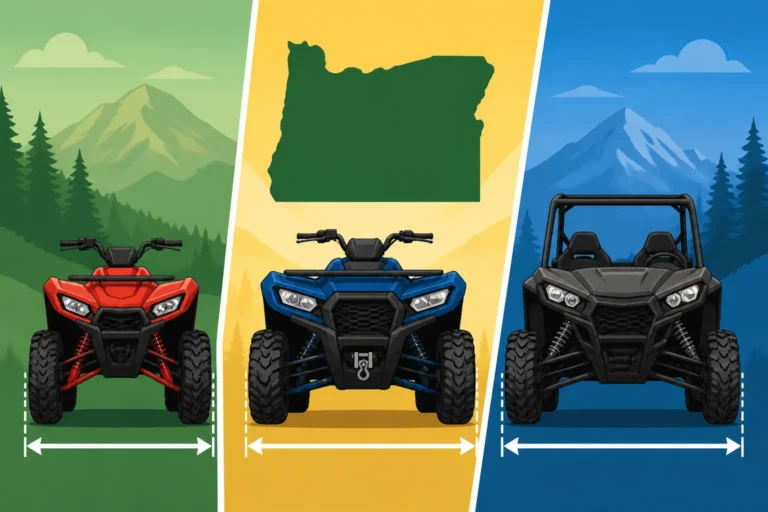
An Oregon ATV operating permit covers a wide range of off-highway vehicles, not just traditional quads. This includes everything from your standard Class I ATV to a beefy Class IV side-by-side, and even off-road motorcycles that fall under Class III. It's a universal permit system, meaning [One Oregon Permit Price for Every Class] regardless of what type of machine you're operating. The funds generated by these permits are crucial, directly supporting the maintenance, improvement, and development of our state's OHV riding areas. This money cycles back into making our riding experiences better, ensuring trails are groomed, signs are clear, and facilities are kept up. You can read more about [Where Oregon ATV Permit Money Goes].
How Long the Permit Lasts
These permits aren't just for a single ride or a quick weekend; they're designed for a longer term. Once purchased, an Oregon ATV permit is valid for two years from the month you buy it. So, if you bought it in July, it’s good until July two years later. This two-year validity period is a standard practice and is one of the reasons refunds can be a bit tricky. It’s a pretty generous window for access, considering all the places you can ride. If you're wondering about the specifics, we've got a detailed breakdown on [How Long an Oregon ATV Permit Lasts]. This extended duration means that the expectation is for riders to get significant use out of their permit over time.
Common Scenarios Where Riders Expect a Refund
Life happens, and sometimes, those two years on your permit don't go as planned. Riders often find themselves in situations where they genuinely believe a refund is due, and it's completely understandable to feel that way. It feels unfair to pay for something you can't use.
Selling Your ATV Before the Permit Expires
This is perhaps one of the most common reasons riders inquire about a refund. You bought a fantastic quad, secured your permit, and enjoyed some rides. Then, for whatever reason – maybe you're upgrading, moving, or just changing hobbies – you decide to [Selling an ATV in Oregon]. Your machine is gone, but that bright orange decal is still good for another year or more. It feels like wasted money, doesn't it? The permit is tied to the machine's operation, but once it leaves your possession, that benefit is no longer yours. You're left holding a "ticket" to a show you can't attend.
Moving Out of Oregon
Another frequent scenario involves a change of address. Oregon is a beautiful state with incredible riding, but sometimes life calls us to new places. If you've sold your home, packed up your life, and are moving to another state, your Oregon ATV permit suddenly loses its primary value. While your machine might still need permitting in its new home, an Oregon permit has no reciprocal value in many other states. You're left with an Oregon-specific sticker that simply doesn't apply where you're going. It's a genuine frustration to have paid for something that's now essentially useless due to relocation. [Oregon Rules for an Out-of-State Machine] exist for those coming into Oregon, but there isn't an equivalent for leaving.
Purchasing the Wrong Permit or by Mistake
Sometimes, it's an honest mistake. Perhaps you thought your ATV needed a specific type of permit, or you accidentally bought two, or maybe you realized your machine doesn't even require one because it's only ever ridden on private property. These errors can happen, especially if you're new to the OHV scene or purchasing permits online where a quick click can lead to an unintended outcome. You discover the error almost immediately after the transaction, and your first thought is naturally, "How can I fix this and get my money back?" It's a situation where the service hasn't been used, and you feel you shouldn't have to pay for an oversight.
The Reality of Oregon's Permit Refund Policy
Now for the part that can be a bit of a tough pill to swallow: generally, Oregon does not offer refunds for ATV operating permits. This might seem frustrating, especially given the scenarios we just discussed, but there's a reasoning behind it, and it's important to understand the system.
Why Refunds Are Rarely Issued
The Oregon Parks and Recreation Department (OPRD), which oversees the permit program, considers the sale of an ATV permit a final transaction. When you purchase a permit, whether it's online or from one of the [Oregon Permit Agents You Can Walk Into], you're essentially paying a fee to contribute to the OHV program for a two-year period. The funds are immediately allocated to support the numerous aspects of trail maintenance, safety programs, and facility upgrades that benefit all riders. Because these funds are put to work almost immediately, unwinding that transaction with a refund becomes administratively complex and financially difficult for the program.
Think of it like buying a concert ticket. Once you've purchased it, even if you can't go, the venue typically doesn't offer a refund because the funds are already committed to the event. The permit is seen similarly – it's access to the "venue" for two years, and that access is technically available from the moment of purchase.
What Happens to Your Permit Money
Every dollar from your permit purchase goes directly into the Oregon Parks and Recreation Department's OHV program. This money isn't just sitting in a bank account; it's actively funding critical infrastructure and services. This includes everything from maintaining the riding areas at places like the Oregon Dunes and Tillamook State Forest, to funding law enforcement patrols that ensure safety, and even supporting grant programs for local OHV clubs. When you understand that your permit fee is directly contributing to the trails and areas you love to ride, it shifts the perspective a bit. While you might not get your money back, you can be assured it's being invested back into the sport. [What the Oregon ATV Grant Program Funds] is a great example of this.
Alternatives to a Direct Refund
Since direct refunds are generally not an option, what can you do if you find yourself with an unused or soon-to-be-unused Oregon ATV permit? While you might not get cash back, there are often ways to maximize the value you've already paid for, or at least ensure the permit doesn't go entirely to waste.
Transferring the Permit (Unofficially) with Your Machine
When you sell your ATV, the operating permit decal often stays with the machine. This means the new owner inherits the remaining validity of that permit. While OPRD doesn't formally transfer permits from one owner to another in their system, the decal itself is affixed to the machine and allows for legal operation. This can actually be a selling point for your ATV! Imagine telling a prospective buyer, "And it already has an Oregon permit good for another year and a half!" It adds value and saves them the hassle and cost of immediate permit purchase. It's not a refund for you, but it's a benefit you can pass on, which might factor into your selling price. When creating a bill of sale, you could even make a note of the permit's inclusion, and tools from services like LawDepot could help you draft a comprehensive document that clarifies these details.
Using it on Another Eligible Machine
If you've sold one ATV but still have another, or you're planning to buy a replacement soon, your existing permit might still be useful. The permit is specific to the machine it's placed on, but if you have a second machine that is also eligible for an Oregon ATV permit, you might be able to use the remaining time. However, this depends heavily on whether the decal is transferable and removable without damage, which is generally not the case once it's properly adhered. The spirit of the rule is "one machine, one permit decal." However, if you purchased the permit but haven't affixed the decal yet, and you get a different machine that needs it, then you can certainly use that un-affixed decal on your new, eligible rig. Just remember to correctly apply the decal according to the instructions, such as [Decal Placement on a Quad's Right Side] or [Decal Placement on a Class IV Machine].
Donating Your Machine (and Permit)
While this certainly isn't a refund, if you're upgrading or simply no longer need your ATV, donating it to a non-profit organization that can utilize it for their programs might be an option. Many organizations use ATVs for land management, search and rescue, or youth programs. The permit would stay with the machine, benefiting the organization, and you might receive a tax deduction for your donation. It’s a way to ensure the value you paid for the permit continues to serve a purpose, even if it's not directly for your personal use.
What to Do If You Believe You Have a Unique Circumstance
While the general rule is no refunds, specific, highly unusual circumstances might warrant a conversation with OPRD. These instances are rare, but it never hurts to inquire if you genuinely believe you've encountered an exceptional situation that falls outside the norm.
Contacting Oregon Parks and Recreation Department
If you truly believe you have a unique case, your best course of action is to directly contact the Oregon Parks and Recreation Department's OHV program. Be prepared to clearly explain your situation, provide all relevant details, and understand that exceptions are exceedingly uncommon. They are the ultimate authority on permit policies. You can usually find their contact information on the official Oregon Parks and Recreation website. Be polite, explain thoroughly, and manage your expectations.
Documenting Your Situation
Should you decide to reach out, have all your ducks in a row. This means having your permit number, the date of purchase, and a clear, concise explanation of why you are requesting a refund. If you've sold your machine, a copy of the bill of sale (which you might have created using a service like LawDepot) could be helpful, though it won't guarantee a refund. The more organized and documented your request, the better, even if the outcome is still likely to be no refund.
Here’s a summary of refund scenarios:
| Scenario | Common Rider Expectation | Oregon Permit Reality | Outcome |
|---|---|---|---|
| Selling your ATV | Refund for unused time | Decal stays with the machine | New owner benefits; no refund to seller. Can be a selling point. |
| Moving out of state | Refund for unused time | Permit is Oregon-specific | No refund. Funds already allocated to OHV program. |
| Purchased in error/wrong permit | Full refund | Funds allocated, final sale | Unlikely to receive a refund. Best to verify before purchase. |
| Machine stolen | Refund for permit | Permit tied to operating access | No refund. Focus shifts to reporting theft & insurance claim for ATV. |
| Permit lost or destroyed | Replacement/Refund | [Replacing a Lost Oregon ATV Permit] is available, but no refund | Obtain a replacement decal (often for a small fee), no cash refund. |
Ultimately, while the desire for a refund is perfectly understandable when your circumstances change, Oregon's ATV operating permit system is set up to fund critical programs for all OHV enthusiasts. The investment you make in that permit contributes directly to keeping our trails open and our riding experiences exceptional.
Disclaimer
This article is for general informational purposes only and does not constitute professional advice. Laws, prices and regulations vary by location and change over time. Consult a qualified professional for guidance on your specific situation.