Oregon Passenger Rules on a Quad
It's incredibly tempting to share the thrill of off-roading with a friend or family member, especially when you're out exploring Oregon's vast and beautiful trails. But as much as we all love company, many riders get confused about who can actually ride with them on their quad. Oregon has very specific rules about carrying passengers on ATVs, and getting it wrong can lead to fines or worse, an unsafe situation. This guide will walk you through everything you need to know about Oregon's ATV passenger rules, ensuring your next ride is both fun and compliant.
The Basics: Who Can Ride With You?
Oregon's rules for carrying passengers on ATVs, specifically quads (which are typically classified as Class I or Class III off-road motorcycles), boil down to one critical factor: whether the machine was designed by the manufacturer to carry more than one person. This isn't just a suggestion; it's a fundamental safety and legal requirement that impacts everything from seating to footrests and even age.
Age and Seating Requirements for Passengers
Let's cut right to it: Oregon law is quite clear that if an ATV is designed for a single operator, you cannot legally or safely carry a passenger on it. Period. This is true regardless of the passenger's age. The moment you strap a buddy onto the back of your single-rider quad, you're not only breaking the rules but also putting both of you at significant risk.
For machines that are designed to carry a passenger, such as a "two-up" quad, there are still crucial requirements. Every passenger must have their own designated seating area, which means a comfortable and secure place to sit that is separate from the operator's seat. More importantly, they must have proper [Foot Pegs and Oregon's Passenger Rule]. This isn't just a convenience; it’s a safety measure to ensure they can maintain balance and stability, especially over rough terrain. Dangling feet can easily get caught in wheels, swing arms, or other moving parts, leading to severe injury. The requirement for proper seating also means [No Riding in the Operator's Lap], which is incredibly dangerous and explicitly against safe riding practices.
Age also plays a role. While the law primarily focuses on the machine's design, general safety recommendations suggest that very young children may not be suitable passengers on any ATV, even a two-up model, due to their inability to hold on securely or react appropriately to terrain changes. Oregon's safety card requirements and general youth riding rules heavily emphasize maturity and the ability to control the machine or act as a responsible passenger. [Oregon Minimum Age to Ride on a Road] is a separate, related topic that focuses on operator age for road access, but the spirit of ensuring capable riders applies to passengers too.
The "Straddle Seat" Versus "Bench Seat" Distinction
Oregon's classification system for off-highway vehicles (OHVs) heavily influences passenger rules, particularly when comparing quads (Class I) with side-by-sides (Class IV). Quads, by definition, are Class I machines under [Oregon's Class I Under ORS 801.190] and are characterized by a "straddle seat." This means the operator sits astride the machine, similar to a motorcycle. This design inherently limits how many people can safely ride.
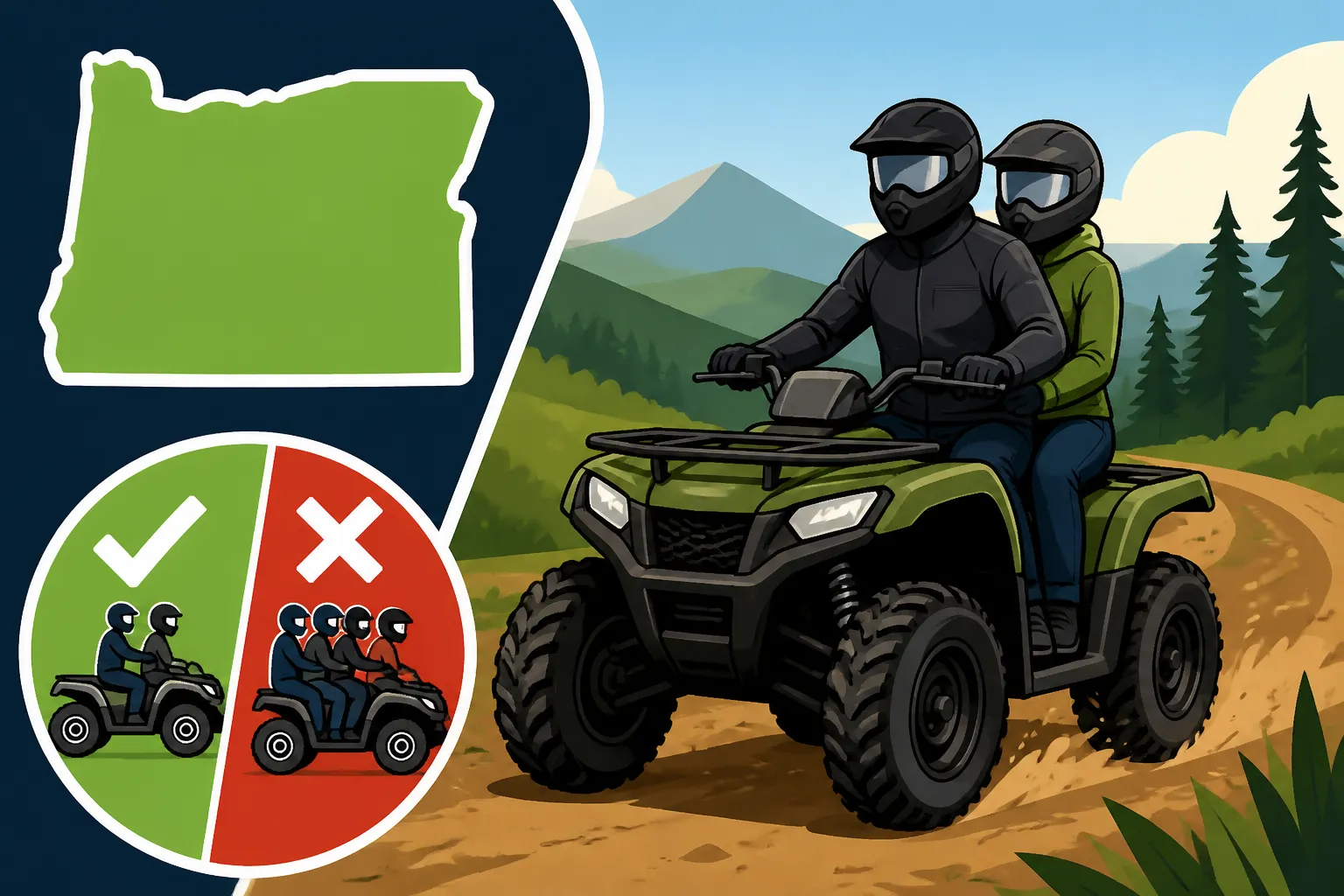
Most standard quads are built with one straddle seat, meaning they are intended for one rider only. When you see a quad that is designed for a passenger, often called a "two-up" model, it will have an extended straddle seat and often raised footrests for the passenger. It's a very specific design.
Side-by-sides, on the other hand, are Class IV machines, defined by their "bench seat" or bucket seats, steering wheel, and roll cage, much like a small car or buggy. These machines are inherently designed to carry multiple passengers, typically two, three, or even four, depending on the model. The passenger rules for side-by-sides are different and generally more accommodating due to their design. For example, [Oregon Passenger Rules in a Side-by-Side] discuss how roll cages and seatbelts change the safety dynamic.
The key takeaway for quad riders is that if your machine has a single straddle seat, it's a single-rider vehicle. Don't try to make it a two-seater by squeezing someone behind you. This distinction is crucial because the dynamics of riding a straddle-seat vehicle with an improperly placed passenger are vastly different – and far more dangerous – than riding a bench-seat vehicle designed for multiple occupants. You can learn more about how different machines are categorized in [Oregon's Four ATV Classes Explained].
The "Designed by the Manufacturer" Rule in Depth
This specific phrasing, "designed by the manufacturer," is not just legal jargon; it's the cornerstone of Oregon's ATV passenger rules and paramount for safety. It means that the vehicle was engineered, tested, and certified by its original maker to safely accommodate a certain number of occupants. Trying to modify a single-rider quad to carry a passenger almost always falls short of these stringent safety standards.
Why Manufacturer Design Matters
When an ATV manufacturer designs a single-rider quad, every aspect of its engineering – from the frame strength and suspension tuning to the braking system and weight distribution – is optimized for one person. Adding a second person, even a small child, dramatically alters these critical parameters.
Consider these factors:
- Weight Distribution: A passenger sitting behind the operator shifts the center of gravity significantly rearward and upward. This makes the ATV much more prone to wheelies, especially on inclines, and can severely compromise stability when turning or braking. It becomes a top-heavy, unstable machine.
- Handling and Steering: The added weight changes how the suspension performs, potentially bottoming it out over bumps. It also affects steering response, making the ATV feel sluggish and harder to control. Quick maneuvers that were safe with one rider become dangerous with two.
- Braking Performance: Brakes are designed to stop a certain weight effectively. Adding a passenger means the brakes have to work harder to stop more mass, increasing stopping distances and the risk of brake fade.
- Visibility and Operator Control: A passenger can obstruct the operator's rearward vision and make it harder to shift body weight, which is essential for controlling a quad, especially in turns or over obstacles. [Riding Two Up Where Oregon Allows One] is a common scenario that highlights these dangers.
Ignoring these design principles isn't just a minor infraction; it's an open invitation to an accident. The manufacturer's design isn't arbitrary; it's the result of extensive safety testing and engineering expertise to ensure the machine performs predictably and safely under its intended load. When you go against that design, you're overriding years of research and development, and the consequences can be severe. This is also why [Titling a Class I Without Registering It] is about ownership, not safe operation; the design for passengers is a separate, critical consideration.
Identifying a Two-Up Quad
So, how can you tell if your quad, or one you're considering buying, is actually designed to carry a passenger? It’s not about adding a makeshift seat or footpegs. A true two-up quad will have specific features installed by the factory:
- Extended Seat: The most obvious sign is a significantly longer seat designed to comfortably accommodate two adults. This isn't just a padded extension; it's an integral part of the frame and seating system.
- Separate Handholds: Passengers need something secure to hold onto besides the operator. Factory two-up quads will have sturdy handholds, often integrated into the seat or rear rack, that are within easy reach and built to withstand significant force.
- Factory-Installed Passenger Footrests: These are crucial. They should be robust, fixed securely to the frame, and positioned to provide a stable platform for the passenger's feet, allowing them to brace themselves during acceleration, braking, and turns. These are distinctly different from the operator's footpegs. You won't see cheap bolt-on extensions; they'll look like they belong there.
- Manufacturer's Labeling: The owner's manual and often a sticker on the machine itself will explicitly state its seating capacity. Always check this before assuming.
When considering buying a quad, especially a used one, always verify these features. If you see what looks like an aftermarket seat extension or add-on footpegs, proceed with extreme caution. Unless these modifications are specifically approved by the manufacturer and meet safety standards, they likely don't make the quad a legitimate two-up machine in the eyes of the law or, more importantly, in terms of safety. Trust only the original design. This is a critical point if you're looking at [Buying a Used Quad in Oregon] and intend to carry a passenger. Look for models explicitly advertised as two-up from brands like Polaris, Can-Am, or Arctic Cat, which offer such configurations. [Riding a Quad the Factory Built for Two] is the only safe and legal way to carry a passenger.
Passenger Safety Gear and Best Practices
Even when you're riding a quad genuinely designed for two people, safety doesn't end with the machine's design. Just like the operator, any passenger needs to be properly equipped and understand how to ride safely. Oregon takes rider safety very seriously, and that includes passengers.
Mandatory Helmets and Other Protective Gear
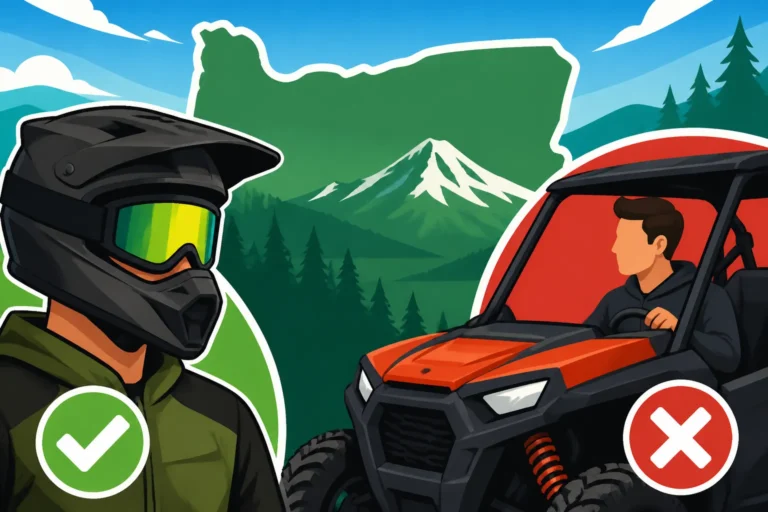
In Oregon, helmets are not optional for ATV riders, and that absolutely includes passengers. The law requires that all ATV operators and passengers wear a U.S. DOT (Department of Transportation) compliant helmet. This isn't just for children; it's for everyone, regardless of age. If you're out riding on public lands, rangers and law enforcement officers will be checking for this. [Oregon Helmets for Every Rider Under 18] is a specific rule, but it's crucial to remember that adults also need to wear helmets.
A DOT-compliant helmet is designed to protect your head from impacts. It needs to fit snugly and be securely fastened with a chin strap. A poorly fitting helmet, or one that isn't strapped on, can come off during an accident, rendering it useless.
Beyond helmets, it's always wise for passengers to wear additional protective gear:
- Eye Protection: Goggles or a face shield are essential to protect eyes from dust, debris, branches, and insects.
- Gloves: Provide better grip and protect hands from abrasions and blisters.
- Long Pants and Long-Sleeved Shirt: Durable clothing helps protect against scrapes, cuts, and minor burns from hot engine parts.
- Over-the-Ankle Boots: Sturdy boots protect feet and ankles from impacts and provide better grip on footrests.
Remember, the goal is to protect both yourself and your passenger from potential injury. Investing in good quality protective gear is just as important as maintaining your ATV.
General Safety Tips for Carrying Passengers
Even on a factory-designed two-up quad, carrying a passenger changes the riding dynamic considerably. The operator needs to adjust their riding style and communicate effectively with their passenger. Here are some best practices:
- Brief Your Passenger: Before you even start the engine, explain to your passenger how to ride. Tell them where to hold on (securely to the handholds, not to you!), where to place their feet, and how to lean with you into turns. Emphasize the importance of staying seated and keeping their feet on the footrests at all times.
- Adjust Your Riding Style: You cannot ride as aggressively with a passenger as you might alone. Slow down, especially over rough terrain. Avoid sharp turns, sudden acceleration, and abrupt braking. Remember, the machine's handling characteristics are different with the added weight.
- Communicate Constantly: Talk to your passenger, especially if you're approaching difficult terrain or making a sudden stop. A simple "bumpy patch ahead" or "slowing down" can prepare them and prevent them from being thrown off balance.
- Choose Appropriate Terrain: Stick to smoother, less challenging trails when carrying a passenger, especially if they are new to ATV riding. Avoid steep hills, deep mud, or areas with large obstacles. The goal is a comfortable and safe experience, not an extreme adventure.
- Manage Weight Distribution: While the two-up quad is designed to handle the weight, both operator and passenger still need to be mindful of how they shift their body weight. The passenger should lean with the operator in turns and be aware of how their movements affect the machine's balance.
- Take Breaks: Longer rides can be tiring for passengers who aren't used to holding on and bracing themselves. Plan for regular breaks.
Following these guidelines, along with Oregon's legal requirements, ensures a much safer and more enjoyable experience for everyone. Many riders even enhance their machine's safety features with aftermarket parts from reputable companies like SuperATV, which offer robust protection for off-road vehicles. While aftermarket additions don't change a single-rider quad into a two-up, they can certainly improve the safety and durability of an already properly designed two-up machine.
The Legal Ramifications of Non-Compliance
Ignoring Oregon's passenger rules for ATVs can lead to more than just a stern warning. Law enforcement, especially the Oregon Parks and Recreation Department (OPRD) rangers who patrol OHV areas, are well-versed in these regulations and will not hesitate to issue citations for violations. Understanding the potential legal and financial consequences is crucial for any rider.
Fines and Penalties for Passenger Violations
Riding an ATV with an unauthorized passenger is considered a Class C traffic violation in Oregon. While specific fines can vary, a Class C violation can typically result in a significant monetary penalty. This isn't just a minor slap on the wrist; it's a legitimate citation that goes on your record.
The intent behind these fines isn't to discourage riding, but to enforce safety. When you ride with an unauthorized passenger, you're not just risking a ticket; you're creating a hazardous situation that could lead to serious injury or even death. The financial cost of a citation pales in comparison to the potential medical bills, lost wages, and emotional toll of an accident caused by an unsafe passenger situation.
Furthermore, if you are stopped and cited, you might be required to immediately cease operating the ATV with the passenger onboard. This could mean leaving your passenger stranded or having to arrange alternative transportation, ruining your day of riding. It's similar to the penalties for other permit violations, like [Oregon Fines for Riding Without a Permit], where the immediate consequence can be the end of your ride.
Insurance Implications and Liability
Perhaps even more concerning than a fine are the potential insurance implications if an accident occurs while you are carrying an unauthorized passenger. ATV insurance policies are typically underwritten with the assumption that you are operating your machine legally and safely, as intended by the manufacturer.
If you are involved in an accident and it's discovered that you were carrying a passenger on a single-rider ATV, or that your passenger was not wearing a helmet, your insurance company might have grounds to deny your claim. This means:
- Medical Expenses: You could be solely responsible for all medical bills for both yourself and your injured passenger, which can quickly run into hundreds of thousands of dollars.
- Property Damage: Your insurance may not cover damage to your ATV or any other property involved in the accident.
- Legal Liability: You could be held personally liable for any injuries sustained by your passenger, leading to costly lawsuits. A passenger who suffers a serious injury will likely seek compensation, and without insurance coverage, you would be on the hook.
It's a common misconception that insurance will always cover you as long as you have a policy. However, operating a vehicle outside its intended design or in violation of state laws can be a clear exclusion in many policies. Always read your policy carefully and understand its terms. Prioritize safety and legal compliance to ensure your coverage remains valid. Companies like SuperATV offer a range of products designed to improve safety and handling, but they cannot override the fundamental legal requirements for passenger capacity.
Ultimately, adhering to Oregon's passenger rules isn't just about avoiding a fine; it's about protecting yourself, your passengers, and your financial well-being. The rules are there for a reason, and that reason is safety.
| Feature / Requirement | Class I ATV (Quad, Straddle Seat) | Class IV ATV (Side-by-Side, Bench Seat) |
|---|---|---|
| Primary Seating Type | Straddle Seat | Bench or Bucket Seats |
| Passenger Capacity | Only if designed by manufacturer for two-up (extended seat, separate handholds, dedicated footrests) | Designed for multiple passengers (2-4, depending on model) |
| Footrests | Mandatory, dedicated, fixed footrests for passengers on two-up models | Integrated floorboards or footwells for all occupants |
| Helmets | Mandatory for all operators and passengers, regardless of age | Mandatory for all operators and passengers, regardless of age |
| Seatbelts/Restraints | Not applicable for Class I quads | Mandatory for all occupants if equipped |
| Manufacturer's Design | Critical: Must be factory-designed for two riders, not aftermarket modified | Designed for multiple passengers from factory |
| Examples of Violations | Riding a single-seat quad with a passenger; passenger not wearing a helmet | Passenger not wearing a helmet or seatbelt (if equipped) |
| Relevant Oregon Rule | [Oregon Rules for Passengers on a Quad] | [Oregon Passenger Rules in a Side-by-Side] |
Disclaimer
This article is for general informational purposes only and does not constitute professional advice. Laws, prices and regulations vary by location and change over time. Consult a qualified professional for guidance on your specific situation.