Why Most Oregon Towns Have No Route
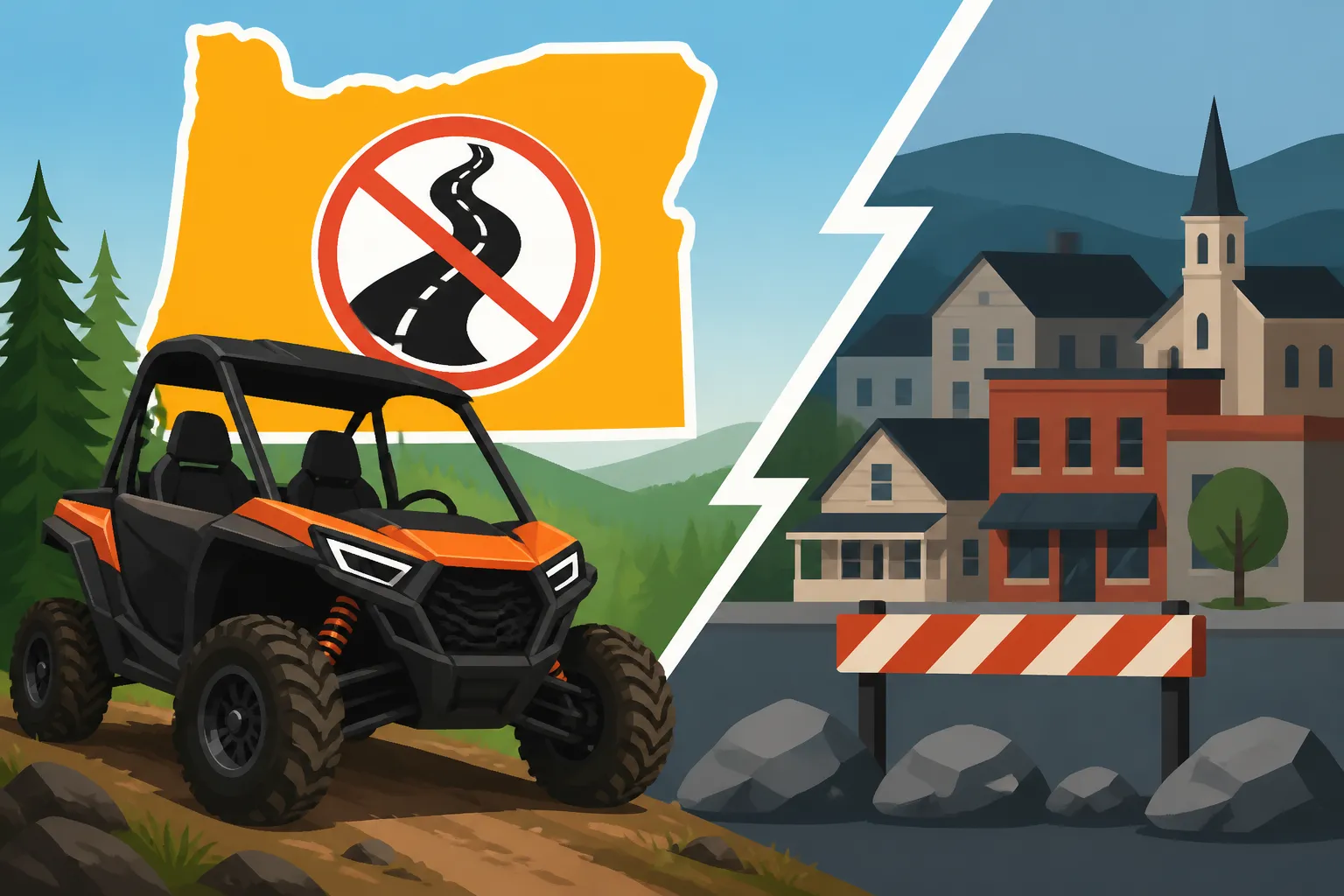
It can be incredibly frustrating to roll into a charming Oregon town after a fantastic day of riding, only to realize you can't actually drive your ATV or UTV on the main street to grab a burger or fuel up. You see folks cruising in their cars, and you just wish you could join them, legally. This guide is here to shed light on exactly why most towns across Oregon don't have designated routes for off-highway vehicles, helping you understand the complex landscape of street-legal regulations and local governance.
The Strict Nature of Oregon's Street-Legal Rules
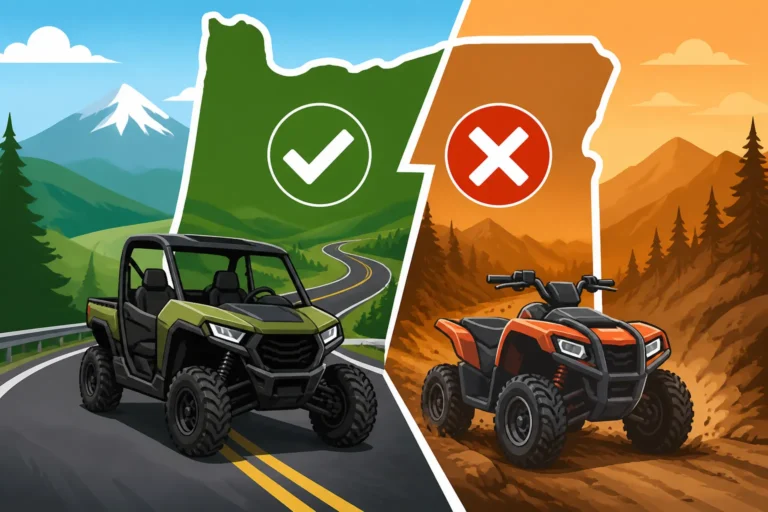
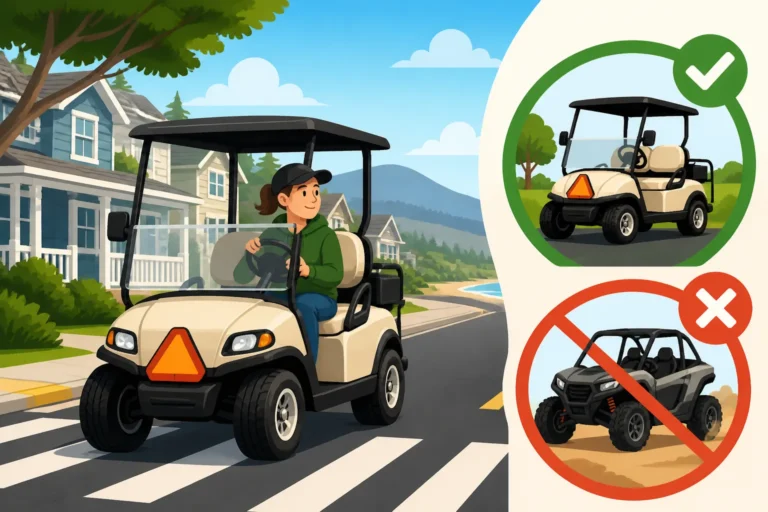
Oregon has a very clear stance on what constitutes a street-legal vehicle, and unfortunately for most ATV and UTV owners, their machines don't make the cut. The state differentiates sharply between vehicles designed for off-highway use and those built for public roads. This isn't just about what looks like a car; it's deeply rooted in safety standards, legal definitions, and the practical realities of integrating different vehicle types.
The Difference Between "Off-Highway" and "On-Highway"
At its heart, Oregon's vehicle code makes a fundamental distinction: "off-highway vehicles" (OHVs) are intended for trails, dunes, and unmaintained lands, while "on-highway vehicles" are built for streets and highways. This isn't a casual definition; it dictates everything from required safety features to where a vehicle can legally operate. Your quad or side-by-side, regardless of how tricked out it is, typically falls firmly into the OHV category. The state wants to protect both OHV riders and the general motoring public by keeping these two worlds separate as much as possible, for very good reasons. For example, a vehicle designed for navigating rocky trails at 15 mph simply isn't equipped for freeway speeds or busy intersections.
Why Quads and Side-by-Sides Aren't Like Cars
Think about what makes a car safe for the road: turn signals, headlights, tail lights, rearview mirrors, a windshield, seatbelts, doors, and comprehensive braking systems. Most ATVs and UTVs, while incredibly capable off-road, often lack many of these essential safety components or have them in a much more basic form. For instance, an ATV's handlebars and straddle seat are fantastic for dynamic off-road maneuvers but don't offer the same control or occupant protection as a steering wheel and enclosed cabin on a paved road. While you can certainly buy aftermarket turn signals or mirrors from companies like SuperATV, simply bolting them on doesn't magically transform your machine into a street-legal vehicle in the eyes of the law. You can dive deeper into the specific classification system by looking at [Oregon's Four ATV Classes Explained].
Mandatory Insurance and Certification for Road Use
Any vehicle operating on public roads in Oregon must meet specific insurance requirements, which is a big hurdle for most off-road machines. Beyond that, vehicles need to be certified by the manufacturer to meet federal motor vehicle safety standards (FMVSS). Most ATVs and UTVs are not manufactured to these standards because they aren't intended for highway use. There are exceptions, of course, primarily for specific Class II machines which can sometimes be made street-legal, but these are very rare and involve a lot of specific modifications and inspections. Without meeting these strict criteria, which include everything from crashworthiness to emissions, they simply cannot be licensed and driven on public streets.
The Hurdles to Designating a Town Route
Even if a machine could theoretically navigate city streets, getting a town to agree to a designated OHV route is an entirely different beast. The process is lengthy, requires multiple levels of approval, and often faces significant opposition from local residents and various agencies. It's not as simple as a town council voting "yes" to open their streets; there's a delicate balance of competing interests and safety concerns that must be addressed.
Community Support and Opposition
One of the biggest obstacles any town faces when considering an ATV route is the community itself. While riders might see the economic benefits of easier access to town amenities, many residents are understandably concerned about noise, dust, increased traffic, and potential safety hazards. Picture a busy Saturday: imagine a steady stream of loud side-by-sides rumbling down Main Street past shops and homes. This often leads to strong opposition from property owners, environmental groups, and those concerned about the general peace and quiet of their town. It's a tough balancing act for local officials, who have to weigh potential tourism dollars against the quality of life for their constituents.
Safety Concerns and Infrastructure Limitations
Oregon's towns, especially older ones, were simply not designed with OHVs in mind. Roads might be narrow, lack shoulders, or have blind corners that pose serious risks when mixed with ATVs and UTVs. The speed differentials between OHVs and cars can be dangerous, leading to frustrated drivers and potentially more accidents. Furthermore, safety goes beyond just collisions. Dust generated by knobby tires on paved roads can reduce visibility and impact air quality. Local law enforcement might not have the resources or training to effectively patrol OHV routes within town limits, and emergency services could face new challenges. It's a logistical nightmare that many small towns simply aren't equipped to handle safely. For more context on road types, check out [Oregon Rules for Riding a County Gravel Road].
Bureaucracy and Process with the Oregon Transportation Commission
The process for a town or county to designate an OHV route involves significant bureaucracy, including extensive studies, public hearings, and ultimately, approval from the Oregon Transportation Commission (OTC). It's not a local decision alone. This body oversees the state's transportation policies and infrastructure, ensuring that any new route designation fits within broader safety and planning guidelines. They require towns to demonstrate a clear public need, a comprehensive safety plan, and evidence of broad community support. This often means a mountain of paperwork, expert consultations, and a long timeline for review and approval. Many towns simply don't have the resources or political will to navigate this complex process, especially if local support is not overwhelming. The question of [Who Reviews an Oregon Route Designation Application] highlights just how many layers of approval are involved.
What Makes Lakeside and Sumpter the Exceptions?
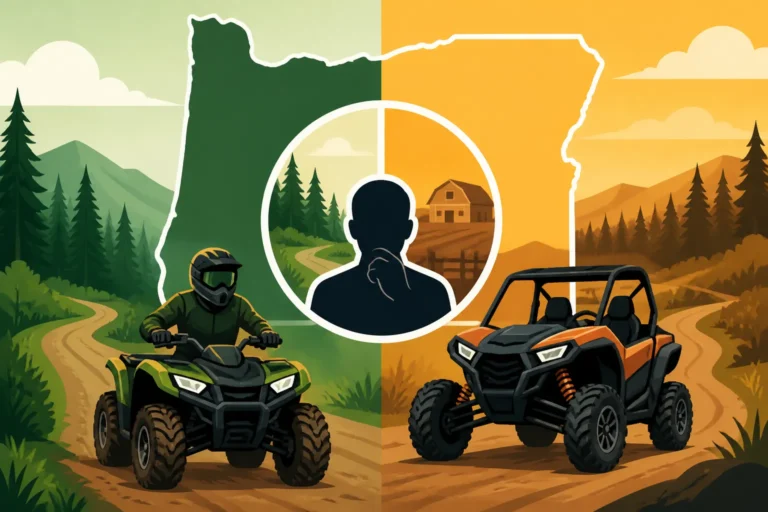
If the hurdles are so high, how did Lakeside and Sumpter manage to get designated ATV routes? These two towns are often cited as the rare successes, but their circumstances are quite unique and illustrate just how specific the conditions need to be for such an approval. They aren't just random towns that decided to open their streets; they represent a confluence of economic necessity, geographic advantages, and targeted planning.
Economic Drivers and Community Buy-in
Both Lakeside, on the Oregon Coast, and Sumpter, in eastern Oregon, have economies deeply tied to outdoor recreation and OHV tourism. For Lakeside, it's the Oregon Dunes National Recreation Area. For Sumpter, it's access to vast forested trail systems. The local communities in these towns recognized that providing limited street access for OHVs was essential for their survival and prosperity. The economic benefit of allowing riders to access gas, food, and lodging directly from the trails far outweighed the perceived drawbacks. This strong economic incentive created broad community buy-in, making it easier to rally the support needed to navigate the complex approval process. This contrasts sharply with towns where OHV tourism isn't a primary driver.
Geographic Isolation and Limited Alternatives
Another key factor is the geographic layout of these towns. The designated routes in Lakeside and Sumpter are typically short segments connecting specific staging areas or riding zones to essential services like gas stations or restaurants. They aren't long, winding routes through residential areas or bustling commercial districts. In many cases, these routes provide the only practical way for riders to get from the trail system to town services without having to trailer their machines a short distance. This limited, purpose-driven access, often on less-traveled roads, minimizes interaction with high-speed traffic and residential areas, making the safety arguments more manageable. You can learn more about these specific routes in [Oregon's Only Two Designated ATV Routes: Lakeside and Sumpter].
Specific Ordinances and Restrictions
Even with designated routes, riding in Lakeside and Sumpter is not a free-for-all. Both towns have specific local ordinances that govern how and when OHVs can use these roads. This includes strict speed limits, requirements for safety gear, and often restrictions on nighttime riding or specific areas. These regulations are designed to mitigate potential conflicts with residents and enhance safety for all road users. For example, a rider might need to be licensed, insured, and have their machine equipped with a spark arrester and specific lighting, even on these designated routes. These rules are rigorously enforced to maintain the privilege of road access.
| Factor | Most Oregon Towns (No Route) | Lakeside & Sumpter (With Route) |
|---|---|---|
| Primary Economic Driver | Diverse, often not OHV tourism | Highly reliant on OHV tourism |
| Community Support | Mixed to strong opposition | Strong, widespread support for routes |
| Safety Concerns | High, with significant traffic mix | Mitigated by specific, limited routes |
| Infrastructure Suitability | Often inadequate for mixed traffic | Routes chosen for minimal disruption |
| Bureaucratic Challenges | Too complex, resource-intensive | Undertaken due to strong local initiative |
| Geographic Context | Integrated into larger traffic patterns | Routes connect specific riding areas/services |
| Local Regulations | General vehicle laws apply | Specific, strict local OHV ordinances |
Navigating Oregon Roads with Your ATV (Legally)
Given the reality that most Oregon towns don't have designated ATV routes, it's crucial for riders to understand the legal ways to operate their machines and access the incredible riding opportunities the state offers. The key is knowing when to ride and when to trailer, and always being aware of local regulations.
Trailering as the Primary Option
For the vast majority of Oregon's fantastic ATV and UTV trails, the most common and safest way to get there is by trailering your machine. This means loading your quad or side-by-side onto a trailer and towing it with a street-legal vehicle to a designated staging area. From there, you can unload and hit the trails. This approach completely bypasses the complexities of street legality in towns and ensures you're complying with state laws. It also allows you to explore riding areas across the state, from the coastal dunes to the high desert, without worrying about urban road restrictions.
Designated Forest and County Roads
While most town roads are off-limits, many unmaintained forest service roads and certain county gravel roads are open to OHVs. These roads typically exist outside urban areas and are specifically designated for mixed use, often connecting trail systems or providing access to remote recreation sites. It's important to remember that these are not the same as city streets. They often have different rules, may be actively used by logging trucks or other industrial vehicles, and require riders to be especially vigilant. Always check with the local land management agency (e.g., U.S. Forest Service, Bureau of Land Management, Oregon Department of Forestry) for current maps and regulations before heading out. [Oregon Rules for Riding a Forest Road] provides excellent guidance here. Remember, your machine will still need an [Oregon's ATV Operating Permit] to ride on these public lands.
Understanding Posted Signs and Maps
The golden rule for riding legally in Oregon is to always pay attention to posted signs and carry up-to-date maps. Land managers are constantly updating access points, closures, and route designations. A road that was open last year might be closed this year due to fire danger, maintenance, or wildlife protection. Relying on old information can lead to fines, citations, or even inadvertently trespassing. Utilize official maps and apps from the Forest Service, BLM, or Oregon Parks and Recreation Department. Never assume a road is open just because it looks like a public thoroughfare. Even with all your best aftermarket gear from SuperATV, knowing where you can and cannot ride is paramount for a responsible and enjoyable off-road experience.
Disclaimer
This article is for general informational purposes only and does not constitute professional advice. Laws, prices and regulations vary by location and change over time. Consult a qualified professional for guidance on your specific situation.