Oregon Insurance Requirements for Class II
The world of off-road vehicles, especially in a state like Oregon, can feel like navigating a maze of permits, classifications, and ever-changing rules. One area that trips up a lot of riders, particularly those with larger, more versatile machines, is insurance. You've got your side-by-side or your sand rail, you know you need an OHV permit to hit the dunes or trails, but then comes the head-scratcher: do you also need special insurance just because it's a "Class II" machine? It's a common point of confusion, and this guide is here to untangle the specific insurance requirements for Oregon's Class II ATVs, UTVs, and other off-highway vehicles.
Understanding Oregon's ATV Class System and Why It Matters for Insurance
Before we dive deep into the insurance side of things, it’s absolutely essential to understand how Oregon categorizes its off-highway vehicles (OHVs). It's not just arbitrary; these classifications directly impact what permits you need, where you can ride, and yes, your insurance obligations. If you've ever felt like you needed a legal degree just to figure out what kind of machine you own, you're not alone! The distinctions can be subtle but carry significant weight.
What Defines an Oregon Class II Machine?
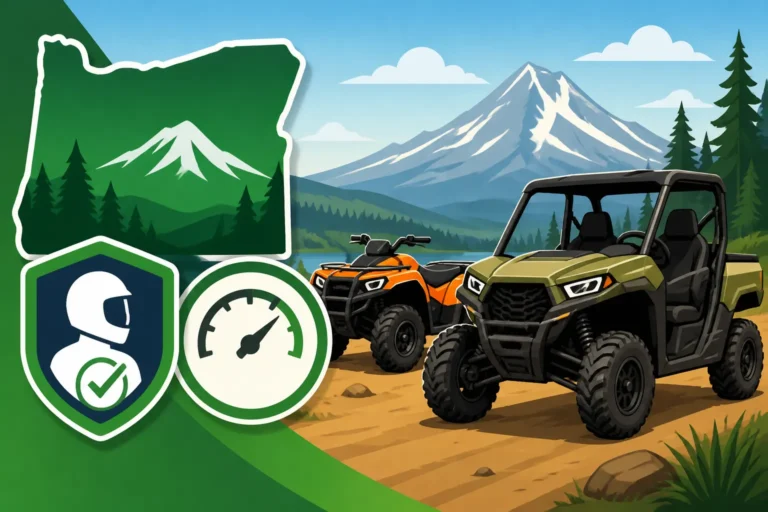
So, what exactly puts a machine into Oregon's Class II category? In the simplest terms, a Class II OHV is designed for off-highway use but can be made street-legal. Think of it this way: if your rig looks like it could technically drive down a paved road, it's likely a Class II. These are often vehicles like sand rails, dune buggies, and certain larger UTVs or side-by-sides that come equipped with features more common to traditional cars, such as a steering wheel, bench or bucket seats, and often a roll cage.
Unlike a typical ATV or quad (which falls under [Oregon's Class I Under ORS 801.190]), a Class II machine is usually wider and heavier. Oregon law, specifically [Oregon's Class II Under ORS 801.193], details these characteristics, often focusing on things like dry weight, width, and seating arrangements. For instance, while a Class I is limited to a 50-inch width, Class II machines can be significantly wider. If you've got a vehicle where you sit side-by-side with a passenger, operate it with a steering wheel, and it has foot pedals like a car, there's a very good chance it's a Class II. This distinction is critical because it's this potential for on-road operation, even if limited, that triggers specific insurance requirements. You can also look at [Where a Jeep Fits in the Class System] for an example of a vehicle type that could easily fall into Class II depending on its build and modifications.
The Core Reason for Class II Insurance: Road Use
Here's the crux of why Class II machines have a different insurance requirement than, say, a dirt bike ([Class III Off-Road Motorcycles in Oregon]) or a typical quad. The state of Oregon views Class II machines as having a greater potential for interaction with conventional road traffic. Even if your primary goal is to shred the dunes or explore remote forest trails, Class II vehicles, by their nature and design, are often capable of being operated on certain public roads.
This capability, even if only used for short crossings, accessing trailheads, or driving on designated routes like [Oregon's Only Two Designated ATV Routes: Lakeside and Sumpter], increases the risk of accidents involving other vehicles or property. When you're out in the dirt, a fender bender might just be a bent bumper between two OHVs. But on a paved county road, even a slow-speed collision can involve a passenger car, a pedestrian, or permanent infrastructure. The potential for higher-value property damage or more serious bodily injury claims is significantly amplified. Because of this elevated risk profile when venturing onto public roads, Oregon mandates specific liability insurance for these machines. It’s all about protecting the public and ensuring that if an incident occurs on a shared roadway, there's financial coverage to address the damages.
Mandatory Insurance for Oregon Class II Machines: What You Need to Know
This is where many riders get confused, and honestly, who can blame them? You've already paid for your [Oregon's ATV Operating Permit], you've got your [Oregon ATV Safety Education Card], and you're ready to ride. But for Class II machines, there's an extra layer of protection required by law when you take them onto any public road or highway. It's not an optional "nice-to-have"; it's a "must-have."
The "Compulsory" Requirement and What It Covers
Let's cut right to the chase: if you own an Oregon Class II machine and intend to operate it on any public road, even if it's just to cross from one trail segment to another or use one of Oregon's designated OHV routes, you must carry liability insurance. The word "compulsory" is key here – it means mandatory, not optional. This isn't like choosing whether or not to get extra coverage for your new SuperATV winch; this is a foundational legal requirement.
The primary purpose of this compulsory insurance is to protect other people and their property. It's essentially financial protection for third parties in the event your Class II machine causes an accident. This means if you're involved in a collision on a public road and you're at fault, your liability insurance would help cover:
- Bodily Injury Liability: This pays for medical expenses, lost wages, and pain and suffering for others who are injured in an accident you cause.
- Property Damage Liability: This covers the cost of damage to someone else's vehicle, fence, mailbox, or other property.
It’s crucial to understand that this mandatory liability insurance does not cover damage to your own Class II machine, nor does it cover your own medical bills if you're injured. For that, you'd need additional types of coverage, which we'll discuss later. Without this coverage, you're not just risking a hefty fine; you're risking financial ruin if you cause a serious accident on public roads.
Minimum Coverage Amounts and Where to Find Them
Oregon law specifies minimum liability limits that you must carry for your Class II machine if it's operated on public roads. These amounts are often expressed as a series of numbers, for example, "$25,000/$50,000/$20,000." While I can't give you exact figures that could change, the general structure means:
- The first number is the maximum amount your insurance will pay for bodily injury per person in an accident.
- The second number is the maximum amount your insurance will pay for bodily injury total for all people in a single accident.
- The third number is the maximum amount your insurance will pay for property damage in a single accident.
These minimums are similar in concept to what's required for standard automobile insurance. It's absolutely vital to check the current minimum requirements directly with the Oregon Department of Transportation (ODOT) or the Oregon Parks and Recreation Department (OPRD), as these figures can be adjusted over time. Don't guess; verify the precise numbers to ensure you're fully compliant. Many insurance providers will also be well-versed in these state minimums.
The Intersection of OHV Permits and Insurance for Class II
Here's another point that often causes confusion: your [Oregon's ATV Operating Permit] is not the same as your insurance, and one does not replace the other. Think of them as two separate, but equally important, pieces of the puzzle when you own a Class II machine.
- The Operating Permit: This permit, which is often valid for [How Long an Oregon ATV Permit Lasts], is what allows you to legally operate your OHV on designated off-road trails and staging areas. It signifies that your machine is recognized by the state for off-highway use and that you've contributed to the fund that maintains these riding areas. You'll also need to display the proper [Oregon Permit Decals and Where They Go].
- The Insurance Policy: This is a separate financial agreement with an insurance company that covers liability specifically when your Class II machine is operated on public roads.
So, if you plan to ride your Class II side-by-side from your campsite down a county road to a trailhead, you'll need both a valid Oregon OHV permit and proof of mandatory liability insurance. Lacking either one can result in a citation. It's a dual requirement that speaks to the unique versatility of Class II machines.
Getting Your Class II Insured in Oregon: Practical Steps
Alright, now that we understand why Class II insurance is mandatory for road use, let's talk about the practical steps to getting it. This isn't as daunting as it might seem, especially if you approach it with the right information.
Choosing the Right Insurance Provider
Not all insurance companies are created equal when it comes to off-highway vehicles, especially those with street-legal capabilities. You wouldn't go to a specialist for a broken leg if they only treated sprained ankles, right? It's similar with insurance. While your regular car insurance provider might offer some OHV coverage, they might not fully understand the nuances of a Class II machine and its specific road-use requirements in Oregon.
When seeking an insurance provider, look for:
- Specialization in Powersports/OHVs: Companies that focus on motorcycles, ATVs, UTVs, and other recreational vehicles often have more tailored policies and a better understanding of the risks involved. They're more likely to be familiar with Oregon's specific Class II requirements.
- Understanding of Street-Legal Conversions: If your Class II machine has undergone modifications to make it more road-friendly (even if it's just adding signals or mirrors from a brand like SuperATV), you'll want an insurer who understands how these modifications affect coverage and classification.
- Comprehensive Coverage Options: Beyond the mandatory liability, a good provider will offer options for comprehensive and collision coverage, which are often highly recommended for these valuable machines.
Don't just go with the first quote you get. It pays to shop around and ask detailed questions about how their policies handle on-road versus off-road incidents, especially concerning Class II vehicles in Oregon.
What Information You'll Need for a Quote
When you call or visit an insurance agent to get a quote for your Class II machine, having the right information ready will make the process much smoother. Be prepared to provide:
- Vehicle Identification Number (VIN): This unique number is crucial for identifying your specific machine.
- Year, Make, and Model: Standard information for any vehicle.
- Engine Size (CCs) and Horsepower: These details help assess performance and risk.
- Modifications and Accessories: Be upfront about any aftermarket parts or upgrades, especially those from reputable brands like SuperATV. If you've added turn signals, a horn, a windshield, or other features to enhance road legality, make sure to mention them. These can sometimes influence your coverage or even the vehicle's classification by the insurer.
- Intended Use: Will it be primarily off-road with occasional road crossings, or do you plan to regularly use it on [Oregon's ATV Highway Access Routes]? Be honest about your usage patterns.
- Operator Information: Your driving record, age, and experience level will also play a role in determining your rates.
- Storage Location: Where the vehicle is typically parked or stored.
The more accurate and complete information you provide, the more precise your quote will be. Remember, honesty is always the best policy when it comes to insurance; withholding information can lead to denied claims later on.
Proof of Insurance and Enforcement
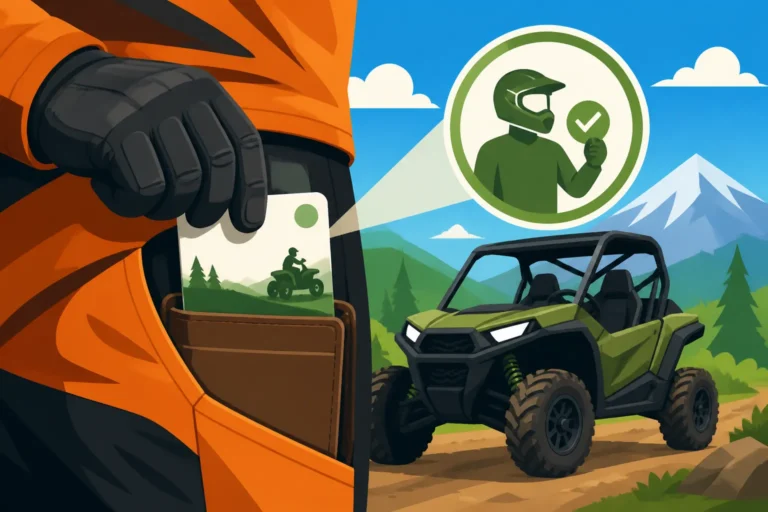
Once you've secured your mandatory liability insurance, carrying proof of it is just as important as having the policy itself. Oregon law requires that you have proof of insurance whenever you operate your Class II machine on a public road. This can typically be:
- A physical insurance card: Most companies will mail you one.
- Digital proof: Many insurers offer digital insurance cards that you can display on your smartphone.
It's a good idea to keep this proof with you, perhaps in a waterproof pouch on your machine, along with your [Oregon ATV Permit Cost] receipt and your safety education card.
What happens if you're stopped by law enforcement, like [What an Oregon Trooper Checks Roadside], and you don't have proof of insurance for your Class II machine on a public road? You're looking at potential citations and fines. Riding without a permit is already a [Oregon's Class C Traffic Violation for No Permit], and operating without mandatory insurance on public roads can lead to even more severe penalties, including hefty fines, suspension of your driving privileges, and even impoundment of your vehicle. It’s simply not worth the risk. Always ensure you are compliant before heading out.
Beyond the Basics: Additional Coverage and Considerations
While mandatory liability insurance covers your legal obligation when operating a Class II machine on Oregon's roads, it's just the starting point. For most owners, especially given the significant investment these machines represent, looking into additional coverage is a very wise move.
Protecting Your Investment: Comprehensive and Collision
As we touched on earlier, mandatory liability insurance only protects other people and their property in an accident where you are at fault. It does absolutely nothing to cover damage to your own expensive Class II machine or your own medical bills. This is where comprehensive and collision coverage come into play:
- Collision Coverage: This pays for damages to your own Class II machine if it collides with another vehicle or object (like a tree, a fence, or even another OHV if your policy extends to off-road incidents). It also covers damage if your machine rolls over. Given how easily these powerful vehicles can be damaged, especially during off-road excursions, collision coverage is often considered essential.
- Comprehensive Coverage: This protects your machine from damages that aren't collision-related. Think theft, vandalism, fire, natural disasters (like floods or hail), or hitting an animal. If you've invested in high-end accessories or performance parts from a company like SuperATV, comprehensive coverage can help protect that investment if your machine is stolen or damaged by something other than a crash.
Considering the cost of many Class II machines, which can easily rival that of a new car, foregoing comprehensive and collision coverage means you're taking on a substantial financial risk. A single incident could leave you with a damaged or destroyed machine and no financial recourse.
Uninsured/Underinsured Motorist Coverage
Imagine you're driving your Class II on an approved county road, following all the rules, and another driver, who either has no insurance or insufficient insurance, causes an accident that injures you or damages your machine. Without Uninsured/Underinsured Motorist (UM/UIM) coverage, you could be left footing the bill yourself.
This type of coverage is often optional but highly recommended. It steps in to cover your medical expenses and damage to your vehicle if the at-fault driver either:
- Doesn't have any liability insurance.
- Doesn't have enough liability insurance to cover your costs.
- Is a hit-and-run driver whom you can't identify.
When you're sharing roads and trails, even briefly, with a wide variety of other vehicles and operators, having UM/UIM coverage provides an invaluable safety net. This is particularly relevant given [Oregon Insurance Rules for a Class II Machine] which acknowledges the road-going potential and thus, interaction with other potentially uninsured vehicles.
Comparing Rates and Policy Details
Just like with car insurance, rates for Class II OHV insurance can vary significantly between providers. It's crucial not just to get a quote but to compare policies side-by-side. Don't be afraid to ask:
- About deductibles: How much will you have to pay out of pocket before your insurance kicks in for a claim? Higher deductibles usually mean lower premiums, but make sure it's an amount you can comfortably afford.
- Coverage limits: Are the liability limits sufficient for your comfort level, or do you want to consider higher limits for more protection?
- Exclusions: Are there any specific situations or types of damage that the policy won't cover? For instance, some policies might have limitations on racing or organized events.
- Discounts: Ask about potential discounts for things like safety courses, bundling policies (e.g., with your car or home insurance), or anti-theft devices.
Taking the time to understand the fine print can save you a lot of headaches and money down the road. You want to ensure that when you hit the trails, dunes, or those short stretches of paved road, your Class II machine – and your financial well-being – are properly protected.
Disclaimer
This article is for general informational purposes only and does not constitute professional advice. Laws, prices and regulations vary by location and change over time. Consult a qualified professional for guidance on your specific situation.