Carrying a Permit Card on a Ride
It's easy to get caught up in the excitement of hitting Oregon's incredible trails, but one small oversight can turn a fantastic day into a frustrating encounter: forgetting your ATV permit card. Many riders mistakenly believe the decal on their machine is enough, but in reality, failing to carry proof of your valid permit can lead to unnecessary delays or even fines when a ranger or law enforcement officer stops you. This comprehensive guide will walk you through exactly why and how to properly carry your Oregon ATV permit card, ensuring your rides are always smooth and worry-free.
Why Your Oregon ATV Permit Card Matters On The Trail
When you're out exploring the vast landscapes Oregon has to offer, from the roaring dunes to the serene forest trails, the last thing you want is a legal hiccup. While the vibrant permit decal affixed to your machine signals compliance, the physical permit card is your undeniable proof of purchase and validity. It's not just a nice-to-have; it’s a critical piece of documentation that can save you a lot of grief.
The Legal Requirement for Proof
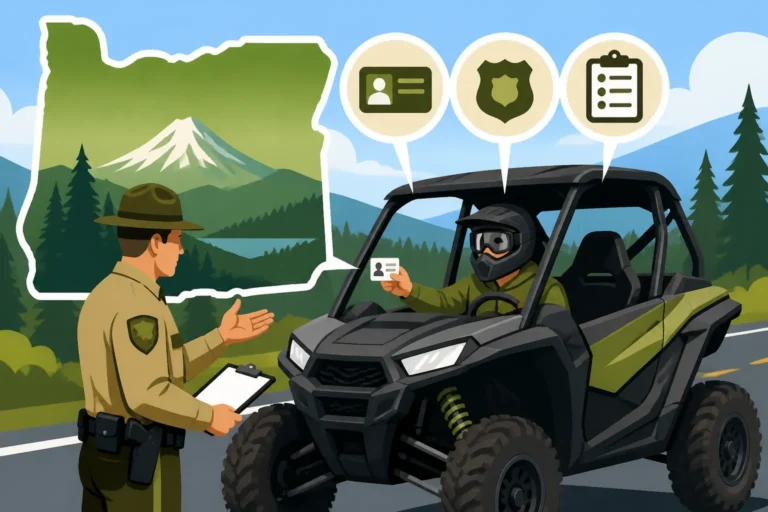
Imagine pulling into a popular staging area like Spinreel or Browns Camp, ready for a day of exhilarating riding. A friendly Oregon Parks and Recreation Department (OPRD) ranger approaches, doing a routine check. You point to your shiny new permit decal, but they still ask for your permit card. Why? Because the decal alone, while mandatory, doesn't contain all the necessary information, nor does it definitively tie the permit to you or your specific machine beyond the visual check. Without the card, you might find yourself in a sticky situation, potentially facing [Oregon Fines for Riding Without a Permit].
Law enforcement and OPRD staff are authorized to request proof of your valid operating permit. Simply stating you have one isn't enough; you need to present the actual card. This isn't about being difficult; it's about verifying compliance with Oregon's regulations. If you cannot produce the card, even if your machine has a decal, it can be viewed as riding without a proper permit, which falls under [Oregon's Class C Traffic Violation for No Permit]. This can involve a citation and a fine, putting a real damper on your adventure. It's a small piece of paper, but its absence can have significant consequences.
Beyond the Decal: What a Ranger Checks
The permit decal is primarily for quick visual identification from a distance. It confirms that the machine is registered for off-road use in Oregon. However, the permit card contains details like the date of issue, the expiration date, and sometimes even the specific machine's VIN or the purchaser's name. These details allow a ranger to cross-reference and ensure everything is in order. At common checkpoints, whether it’s a random stop on a trail or a formal inspection at a staging area, rangers are often checking more than just the decal.
When performing [What a Ranger Checks at an Oregon Staging Area], they're looking for comprehensive compliance. The decal is the first step, but the card provides the necessary backup. For instance, if a decal appears worn or difficult to read, the card provides clear, legible proof. It’s also a way to prevent fraud or the improper transfer of decals. Think of it like a driver's license: your license plate identifies your car, but your physical license identifies you as the legal operator. The permit card serves a similar function for your off-road machine.
Practical Ways to Carry Your Permit Card Safely
Oregon’s diverse riding environments, from the sandy coast to the dusty high desert and the frequently rainy Coast Range, present unique challenges for keeping paper documents safe and readable. Simply stuffing your permit card into a pocket might work for a quick trip, but for a full day or multi-day excursion, you need a more robust solution. The goal is to keep it dry, clean, and accessible when you need it most.
Protecting Your Paperwork from the Elements
The biggest enemy of paper documents in the great outdoors is moisture. A sudden downpour, an unexpected splash through a creek, or even just the condensation from a cold drink in your pack can turn your crisp permit card into an illegible mess. This is where waterproof storage becomes your best friend. Simple Ziploc bags are a good starting point for basic protection, but they can tear and aren't always completely watertight.
For more reliable protection, consider investing in a small, waterproof document wallet or a dedicated dry bag. These are designed to keep contents completely sealed from water, dust, and mud, which are all common occurrences on Oregon trails. Many riders who frequently venture out in unpredictable weather patterns or near water bodies swear by these solutions. You can find durable options that fit neatly into a glove box or a saddlebag. For those tackling coastal rides, [Documents in a Dry Bag on the Coast] are practically a necessity to combat the persistent dampness and salt spray. Similarly, protecting your documents when [Keeping Paperwork in a Wet Climate] like the Tillamook State Forest requires careful planning. Companies like SuperATV offer a range of durable storage solutions, including dry boxes and handlebar bags, specifically designed to withstand harsh off-road conditions and keep your important documents, like your permit card, safe and sound.
Smart Storage Locations on Your Machine
Where you store your permit card also plays a crucial role in its safety and your ability to quickly produce it. The ideal spot is easily accessible but also secure, preventing it from falling out on bumpy trails or getting lost. For side-by-sides (Class IV machines), the glove box is often a go-to spot. It's usually out of the elements and fairly secure. However, ensure it’s not prone to leaks or too full of other items that might crush or damage the card.
For traditional ATVs (quads, Class I machines) or off-road motorcycles (Class III), options might include a small fender bag, a backpack worn by the rider, or even a specialized pouch that attaches to the handlebars. Some riders opt for a hard-shell case mounted to a rack. Just make sure whatever location you choose, the card isn't forgotten when you switch machines or gear. For larger machines, [Storing a Permit Card in a Toolbox] is another viable option, as long as the toolbox itself is waterproof and securely mounted. SuperATV, for instance, provides robust cargo boxes and storage bags specifically designed for UTVs and ATVs, offering secure and weather-resistant compartments perfect for housing documents and other essentials.
Here’s a quick overview of popular storage options:
| Storage Option | Pros | Cons | Ideal For |
|---|---|---|---|
| Waterproof Wallet | Compact, personal, highly protective | Can be misplaced if not secured to rider | All riders, especially motorcycle/quad |
| Dry Bag | Excellent water/dust protection, durable | Can be bulky depending on size | All machines, especially in wet climates |
| Glove Box (UTV) | Convenient, accessible, often secure | Not always fully waterproof, can get cluttered | Side-by-sides (Class IV) |
| Fender Bag (ATV) | Keeps card on machine, accessible | Can be exposed to mud/water, less secure | Quads (Class I), utility ATVs |
| Backpack | Always with rider, personal | Can be forgotten if rider changes gear | All riders, good for multiple documents |
| Handlebar Bag | Very accessible, on the machine | Limited space, can be exposed to elements | Quads, motorcycles |
What to Do If Your Permit Card is Lost or Damaged
Even with the best precautions, things happen. Paperwork can get lost, damaged, or simply degrade over time from repeated exposure to the elements. Discovering your permit card is missing or illegible right before a ride can be stressful, but it's not the end of the world. Knowing the steps to take beforehand can save you from a major headache.
Steps for Replacement
If your Oregon ATV permit card is lost, stolen, or damaged to the point of being unreadable, your first step is to contact the Oregon Parks and Recreation Department (OPRD). They are the issuing authority for ATV operating permits. While the permit system is designed to track your purchase, you'll generally need to provide your permit number, VIN, or other identifying information related to your purchase. The good news is that they typically have a process in place for issuing a replacement card. This usually involves a small administrative fee, but it's a minor cost compared to a citation.
The process for [Replacing a Lost Oregon ATV Permit] is usually straightforward, but it's not instantaneous. It might take a few days or even a week or two for a new card to arrive in the mail. This is why it's always a good idea to have a backup: consider taking a clear photograph of your permit card (both front and back) with your phone and keeping it in a secure cloud storage or email, in addition to carrying the physical card. While a photo isn't always accepted as official proof, it can sometimes help explain your situation to a ranger while you await your physical replacement.
Temporary Solutions While You Await a Replacement
What if your permit card goes missing the day before a big trip? While you await the official replacement, you might be able to access your permit information online through the OPRD system and print out a temporary copy. This printout, combined with your machine's decal, might be sufficient for some rangers, especially if you can explain that a replacement is on its way. However, this is not a guaranteed solution, and discretion often lies with the officer you encounter. Always aim to have the official card.
The limitations of only having a decal without the card become clear in these situations. The decal is a static visual. The card offers dynamic proof of validity and ownership details. If you're relying solely on a temporary printout or a phone photo, be prepared to clearly articulate your situation and offer any other supporting documentation you might have. This is why planning ahead and ensuring your card is protected and accessible is the ultimate best practice.
Common Misconceptions and Best Practices
There's often a bit of confusion surrounding the different components of Oregon's ATV permitting system. Riders sometimes mix up the purpose of the decal versus the card, or aren't sure what other documents they should carry. Clarifying these points and adopting a few best practices can make your riding experiences much smoother and more secure.
Decal vs. Card: Understanding the Difference
Think of it this way: the Oregon ATV permit decal is the visual proof that your machine has an active operating permit, similar to a registration sticker on a car's license plate. It needs to be prominently displayed on your ATV or UTV in the specified location, as detailed in guides like [Oregon ATV Permit Decal Placement]. It tells anyone glancing at your machine that it's allowed to be on designated trails.
However, the permit card is the actual document issued to you as the permit holder. It contains the permit number, the effective dates, and sometimes the VIN of the machine it's associated with. This card is what allows law enforcement or OPRD staff to fully verify your permit. They can use the information on the card to cross-reference with their database, confirm its validity, and ensure it matches the machine you are operating. Without the card, even a perfectly placed decal can be questioned, leaving you struggling to provide verifiable proof.
The Importance of a Complete Set of Documents
While the permit card is paramount, it's just one piece of the puzzle for a fully compliant and stress-free ride. Depending on your machine and age, you might need to carry other documents. For instance, if you're operating a Class II machine (those larger, heavier vehicles that can sometimes be street-legal), you'll likely need to show proof of insurance, as outlined in [Oregon Insurance Requirements for Class II].
All riders, regardless of age, need an [Oregon ATV Safety Card Requirements] to operate an ATV or UTV on public lands. While you don't always need to carry the physical card if you have a valid driver's license, having it accessible, perhaps as a photo on your phone or in your dry bag, is a great backup. If you're bringing a machine from out of state, understanding [Oregon Rules for an Out-of-State Machine] is critical, and you'll want to have any documentation related to its out-of-state registration or permit with you. Packing a comprehensive set of documents, all protected from the elements, ensures you're prepared for any interaction. High-quality accessory brands like SuperATV offer roll bar bags and other storage solutions that are perfect for organizing and safeguarding all your essential paperwork and small gear items, making sure everything is easily accessible when you need it.
Disclaimer
This article is for general informational purposes only and does not constitute professional advice. Laws, prices and regulations vary by location and change over time. Consult a qualified professional for guidance on your specific situation.