Riding Past a Gate You Did Not Notice
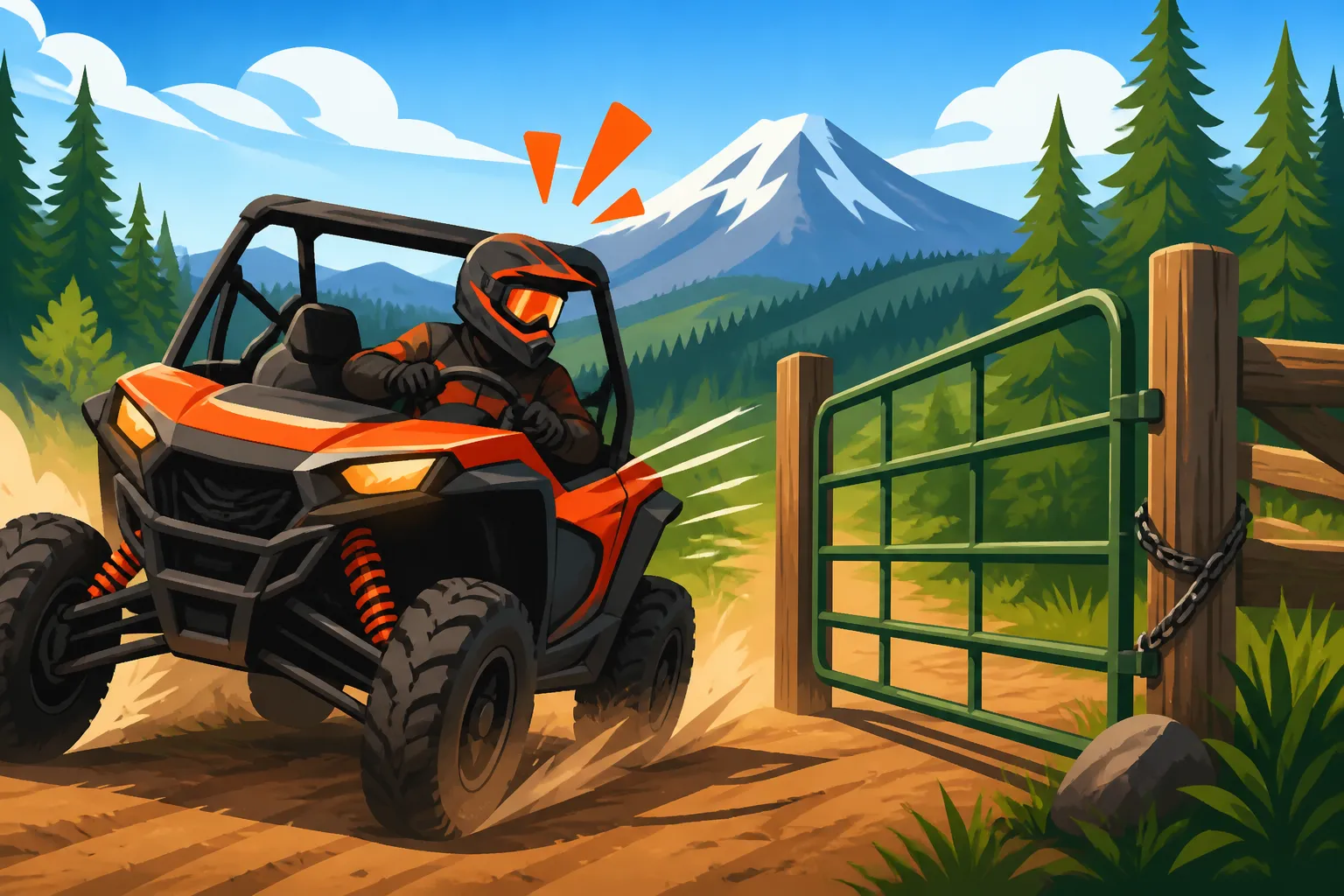
There’s nothing quite like the feeling of heading out on your ATV or UTV, exploring the vast and beautiful backcountry Oregon has to offer. But that exhilarating freedom can quickly turn into a knot in your stomach when you suddenly realize you’ve ridden right past a gate you never even saw. Whether it was obscured by brush, missing a sign, or simply blended into the background, finding yourself on the wrong side of a closure can be a jarring and potentially costly experience. This guide is here to walk you through why those gates are there, what to do if you find yourself behind one, and how to prevent that heart-sinking moment from happening again.
The Unseen Barrier: Why We Miss Gates on Oregon's OHV Trails
It's easy to assume that if a trail is open, it should be clearly marked and free of obstructions. However, the reality of Oregon's diverse landscape and complex land management means that gates can appear where you least expect them, and for a variety of reasons. Missing one isn't always a sign of carelessness; sometimes, it's a testament to how well they blend into the environment or how quickly conditions can change.
The Hidden Reasons Behind Trail Gates
Gates on OHV trails aren't put there just to be annoying. They serve critical functions, often protecting resources, managing public safety, or enforcing private property rights. Understanding the "why" can help you anticipate where you might encounter them. For instance, much of Oregon's riding land is a mosaic of public and private ownership. Large timber companies, like Weyerhaeuser or Stimson Lumber, own vast tracts of forest that might be open to recreation at certain times but are frequently gated for active logging operations, fire danger, or road maintenance. A logging road that was open last week could easily be gated and locked this week because a new harvest is beginning.
Beyond private land, public agencies like the Forest Service and Bureau of Land Management (BLM) use gates for seasonal closures. These could be for wildlife protection during nesting or calving seasons, especially in sensitive areas like winter elk ranges. [Roads Closed Seasonally by the Forest Service] are a common occurrence, often implemented to prevent damage during wet weather when heavy vehicles can tear up soft roadbeds, or to protect sensitive habitats. Fire season, especially in the dry eastern parts of the state, brings its own set of closures, sometimes with little warning, as managers try to prevent human-caused blazes or protect areas from active wildfires. You might also encounter gates near sensitive water sources, archaeological sites, or areas undergoing habitat restoration. The reasons are varied, but the intent is always to protect something important.
The Elusive Nature of Signage and Visibility
One of the biggest frustrations for riders is when signage is inadequate or non-existent. You're riding along, enjoying the scenery, and suddenly you're behind a gate with a "No Trespassing" sign that was clearly facing the other direction or was obscured by an overgrown blackberry bush. This isn't uncommon. Signs can be vandalized, shot full of holes, stolen, or simply fall off their posts due to weather. Heavy rains and winds can knock down temporary signs, while overgrown vegetation can swallow even well-placed permanent markers.
Sometimes, the signage is there, but it's small, faded, or placed in a way that makes it difficult to see when you're moving. Imagine coming around a sharp bend, focused on the trail ahead, only to find a small, hand-painted sign leaning against a tree just as you pass the gate. Your focus on navigating the terrain, especially in challenging conditions or dense forest, can make it surprisingly easy to miss these crucial indicators. Even a simple chain across a road might not stand out if the light is poor, or if your focus is elsewhere for a moment. This is where a good LED light bar, perhaps a rugged one from a company like SuperATV, can really make a difference, illuminating the path and any potential obstacles or signs far ahead.
Understanding Different Gate Types and Their Meanings
Not all gates are created equal, and their appearance can sometimes hint at their purpose, though not always. You might encounter a simple cable or chain strung across a path, perhaps with a small "Private Property" tag. These are often used on low-traffic roads or to delineate property lines. Then there are more robust pipe gates, typically made of heavy-gauge steel, designed to withstand more abuse. These are frequently found on active [Timber Roads With Active Hauling] or at the entrance to more sensitive areas managed by the Forest Service or BLM.
Locked gates, regardless of their material, are a clear indication of a hard closure. If it’s locked, it’s not meant to be opened, even if you could somehow get around it. You might also see temporary gates, like a piece of bright orange construction fencing or even just a stack of logs, indicating a very recent closure, perhaps due to a fresh wash-out or emergency situation. Understanding that a gate, regardless of its construction, signifies a boundary or closure is key. Never assume a gate is just decorative or has been left open by mistake. Always treat a closed gate, or the presence of an opening that looks like it should have a gate, as a serious indication that the trail ahead might be off-limits.
When You Realize You've Gone Past a Gate: What Now?
The moment of realization can be disorienting. One minute you're enjoying your ride, the next you're behind a gate, heart pounding, wondering how you got there and what you should do. Panic is a natural reaction, but it’s crucial to remain calm and follow a clear course of action to ensure your safety and minimize potential repercussions.
Immediate Actions After Passing an Unnoticed Gate
First and foremost: STOP YOUR MACHINE IMMEDIATELY AND SAFELY. Do not continue forward, even for another few yards, to "see what's around the next bend." The further you go, the deeper you get into potential trouble. Once stopped, take a deep breath. Look around. Can you clearly identify the gate you just passed? Was there any signage that you missed? Is there any indication of what this closure means (e.g., "Active Logging," "Wildlife Area Closed," "Private Property")?
If you are riding with a group, communicate clearly and calmly. Point out the gate and the situation. Everyone needs to be aware. Now, and this is the most critical step: TURN AROUND AND GO BACK THE WAY YOU CAME. The safest, most responsible, and legally sound action is to retrace your steps to the correct side of the gate. Do not try to find a "shortcut" around the closure, push through brush, or look for another way out. This almost always leads to further trespassing, getting lost, or damaging the environment. Treat the gate as an absolute boundary you should not be beyond.
The Risks of Pressing On: Why Turning Back Is Crucial
It might be tempting to keep going, especially if you've already gone a little way past the gate. You might think, "What's the harm? I'll just find another way out." This is a dangerous mindset. Continuing past a closure sign or gate significantly increases your risks. You could:
- Trespass on Private Land: This is a serious offense that can lead to fines, vehicle impoundment, and even criminal charges, depending on the circumstances. [Oregon Fines for Riding an Unopened Road] can be substantial. Many gates, particularly in timber country, delineate private ownership, and landowners are often very protective of their property.
- Enter an Active Work Zone: Imagine driving your UTV around a corner only to come face-to-face with a massive logging truck or heavy machinery in an active [Riding Where Timber Is Being Cut] area. These zones are incredibly dangerous, and personnel may not expect recreational vehicles.
- Damage Sensitive Ecosystems: Closures are often in place to protect fragile habitats or areas undergoing restoration. Driving through these areas can cause irreparable harm and violate environmental regulations.
- Become Lost or Stranded: Closed roads are often unmaintained. You could encounter washouts, landslides, downed trees, or impassable terrain that your machine isn't equipped to handle. Getting stuck in a remote, unmaintained area behind a gate can quickly become a life-threatening situation, especially if you're alone or unprepared.
- Encounter Law Enforcement or Landowners: Being found behind a closed gate by a ranger, sheriff's deputy, or landowner is never a pleasant experience. They are within their rights to issue citations, order you to leave, or even have your vehicle towed. The embarrassment alone is usually enough to make you wish you had turned around immediately.
It’s always better to lose a few minutes turning back than to face these much larger and more serious consequences.
Legal Consequences: What Happens if You're Caught Behind a Gate
Oregon takes trespassing and illegal off-road vehicle use seriously. The consequences for riding past a gate you didn't notice, once discovered, can range from a stern warning to significant legal penalties.
If you're caught on private property without permission, you could face trespassing charges, which are typically a Class C misdemeanor in Oregon. This can result in fines and potentially even jail time, though jail is rare for a first offense on private land without further damage or intent. However, the landowner also has the right to civil action against you for any damages. For public lands, [Oregon Rules for Riding a Closed Trail] are enforced by state parks rangers, Forest Service law enforcement, or county sheriffs. Violations can lead to citations with fines that can run into the hundreds of dollars. Beyond monetary penalties, repeat offenses or egregious violations could lead to your machine being impounded or even a suspension of your riding privileges on public lands.
Perhaps equally impactful is the negative perception it creates for the entire OHV community. Each incident of illegal riding or trespassing makes it harder for land managers and private landowners to trust riders, potentially leading to more widespread closures or stricter regulations for everyone. Maintaining access to Oregon's beautiful trails relies on riders demonstrating responsibility and respect for rules and property.
Proactive Riding: How to Avoid Unexpected Gates and Closures
The best way to handle a gate you didn't notice is to never encounter it in the first place. This requires a combination of careful planning before you leave home and active observation while you’re out on the trail. Becoming a more informed and vigilant rider not only keeps you out of trouble but also enhances your overall enjoyment and safety.
Thorough Pre-Ride Planning with Maps and Apps
Your adventure begins long before you even load your machine onto the trailer. Robust pre-ride planning is your most powerful tool against unexpected closures.
- Official Sources Are Your Friends: Always check the websites of the relevant land management agencies. If you're heading to a National Forest, check the Forest Service website for that specific district. For BLM land, check their local office pages. Oregon State Parks and Recreation Department also maintains information on OHV areas. These sites often have real-time alerts for closures, fire restrictions, and seasonal access changes.
- Use Modern Navigation Apps: Apps like Gaia GPS, OnX Offroad, and even Google Maps (with satellite imagery) can be invaluable. Download offline maps for the area you plan to ride, as cell service is often non-existent in remote Oregon backcountry. These apps can show property boundaries, different land designations ([Who Owns the Road You Are Riding]), and often even indicate closed or unmaintained roads. Cross-reference your planned route with these digital maps to identify potential gate locations or areas that commonly experience closures.
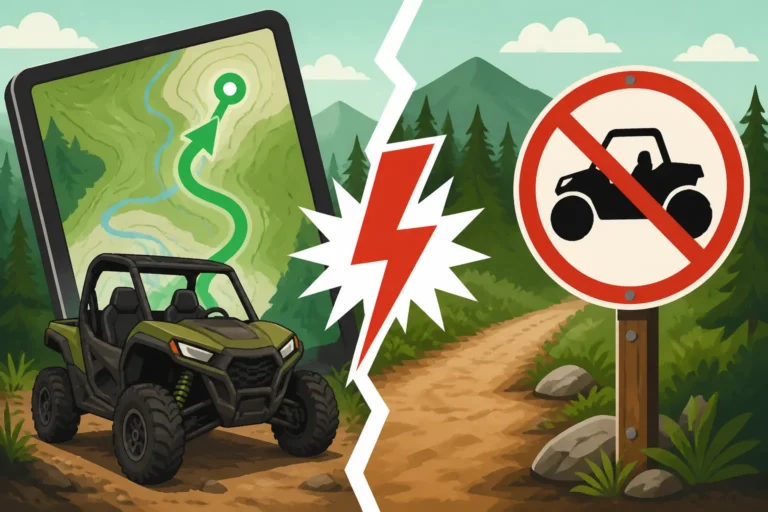
- Paper Maps for Backup: Technology can fail. Always carry a physical map of the area – a Forest Service Motor Vehicle Use Map (MVUM) or a good topographic map – and know how to read it. These maps explicitly show designated routes and often indicate seasonally closed roads. Sometimes [Maps That Disagree With Signs] can be an issue, so having multiple sources helps you make the most informed decision.
- Check [Oregon Trail Closures to Check First]: Before every ride, make this a routine. Conditions can change rapidly due to weather events, fire, or active land management, and checking official sources can save you a wasted trip or a trespassing fine.
On-Trail Vigilance and Group Communication
Even with the best planning, things can change on the ground. Therefore, maintaining vigilance while riding is paramount.
- Slow Down and Scan Ahead: Don't just look at the dirt directly in front of your tires. Constantly scan the trail far ahead and to the sides. Look for changes in the road surface, tire tracks that suddenly stop, and any structures that could indicate a gate or boundary. Remember, a gate might not be across the main thoroughfare but might block a side trail that looks appealing.
- Look for Subtle Clues: Be aware of changes in the environment. Does the road suddenly become less maintained? Are there fresh tire tracks that abruptly disappear, suggesting people have turned around? Are there remnants of old signs or fencing that hint at past closures? These subtle cues can often warn you of an impending gate or closure.
- Designate a Spotter (in groups): If you're riding with others, especially in a side-by-side, consider designating a passenger to keep an eye out for signs, gates, and obstacles. Communication devices, like helmet-to-helmet communicators or two-way radios, are excellent for keeping everyone in the group informed. If one rider spots something, they can quickly alert the others.
- Pay Attention to [Reading a Forest Service Road Number] and Other Markers: Different numbering systems or types of road maintenance can indicate whether you're on a main artery or a spur road that might dead-end or be gated. Pay attention to any signage, even if it seems innocuous, like small posts or blazes on trees.
Recognizing Land Manager Clues: Beyond Just Gates
Oregon's landscapes are managed by various entities, each with its own rules and practices. Learning to distinguish these can give you a better idea of what to expect, even without a visible gate.
- Forest Service and BLM Land: These public lands often have a network of designated OHV trails and roads. Look for MVUMs (Motor Vehicle Use Maps) which are the ultimate authority on what's open or closed. The roads on these lands are generally for public access, but still subject to seasonal and temporary closures.
- State Forests (e.g., Tillamook State Forest): Managed by the Oregon Department of Forestry, these areas also have specific rules. They often have active timber operations, so expect to see signage for [Timber Roads With Active Hauling] and be prepared for potential closures. They might have different permit requirements or operating hours than federal lands.
- Private Timber Company Land: Companies like Weyerhaeuser, Stimson Lumber, and others own vast tracts. While some might allow public access for recreation, this is often conditional and can change rapidly. Look for prominent "Private Property" or "No Trespassing" signs. If you see signs for private logging, even if there isn't an obvious gate, treat it with extreme caution. It's not uncommon for gates to be placed further back from a main road, so you might enter private land unknowingly if you aren't vigilant. Always assume a private road is closed unless explicitly stated otherwise.
- County Roads: Many gravel county roads traverse public and private lands. While generally open to licensed vehicles, some may have restrictions on OHVs. Always check county ordinances, especially if you plan to access OHV areas via a county road. For example, [Oregon Rules for Riding a Forest Road] can differ greatly from county road rules.
By understanding these different land managers and their typical approaches, you can ride more intelligently and anticipate where gates and closures are most likely to occur.
Equipping Your Machine for Navigating Oregon's Backcountry
While vigilance and planning are your first lines of defense, equipping your ATV or UTV with the right gear can significantly improve your safety and ability to handle unexpected situations, including realizing you're behind a gate. These additions aren't just for emergencies; they also make your riding experience more secure and enjoyable.
Essential Gear for Unexpected Situations
Being prepared means having the tools to address common issues that arise in remote areas.
- Winch and Recovery Straps: If you somehow end up stuck behind a gate on an unmaintained road, a winch can be a lifesaver. It allows you to self-recover from mud, steep inclines, or getting high-centered. Pair it with high-quality recovery straps and tree savers for safe and effective pulls. This is especially vital if you're exploring less-traveled routes or areas prone to washouts.
- Tire Repair Kit and Air Compressor: Punctures are a common occurrence on rough trails. A good tire plug kit and a portable 12V air compressor (like those offered by SuperATV) can get you back on the trail quickly without having to call for a tow. Ensure you know how to use them before you're stuck in a remote location.
- Communication Devices: As mentioned, cell service is spotty at best in many Oregon riding areas. A satellite messenger (like a Garmin InReach or Spot device) allows you to send and receive texts, share your location, and trigger an SOS even without cell signal. Two-way radios are great for group communication, ensuring everyone knows if a gate is spotted or if someone needs to turn around.
- First-Aid Kit: Accidents happen. A well-stocked first-aid kit, tailored for outdoor adventures, is non-negotiable. Include items for cuts, scrapes, sprains, and any personal medications.
- Navigation Aids: Even with GPS apps, a compass and paper map can be crucial if electronics fail. Knowing basic navigation skills could literally save your life if you become disoriented.
Aftermarket Upgrades for Better Visibility and Durability
Your machine itself can be enhanced to help you spot gates and survive the rigors of the backcountry.
- LED Light Bars and Auxiliary Lighting: The stock headlights on many ATVs and UTVs are sufficient for casual riding, but for deeper penetration into tree-covered trails or for spotting distant objects and signs, an aftermarket LED light bar is fantastic. Brands like SuperATV offer a range of powerful and durable lighting options that can illuminate potential hazards, gates, or crucial signage long before you're upon them. This extra visibility is invaluable, especially in low-light conditions, dense forests, or during early morning/late evening rides.
- Heavy-Duty Bumpers and Skid Plates: While they won't prevent you from riding past a gate, these upgrades protect your machine if you do encounter unexpected terrain or need to carefully maneuver in tight spaces while turning around. They guard vital components against rocks, stumps, and other trail debris, ensuring your machine can get you back safely.
- Side Mirrors and Rearview Mirror: Good mirrors help you maintain situational awareness, whether you're scanning for other riders in your group or looking behind you when carefully backing up to turn around. [Oregon Helmet Law for ATV Riders] also encourages full awareness of your surroundings.
The Right Tires for Varied Oregon Terrain
Oregon's riding environments are incredibly diverse, from the deep sands of the Oregon Dunes to the rocky, muddy trails of the Coast Range, and the dusty high-desert roads east of the Cascades. Having the right tires makes a huge difference in traction, control, and your ability to navigate challenging terrain.
- Multi-Terrain Tires: For most riders who explore various areas, a good all-around multi-terrain tire is a wise investment. These tires offer a balance of tread patterns suitable for different surfaces, reducing the likelihood of getting stuck on a sudden change in terrain.
- Paddle Tires for Dunes: If you frequently ride the Oregon Dunes National Recreation Area, a set of paddle tires is essential for optimal flotation and propulsion in soft sand. Trying to tackle deep sand with mud tires is a recipe for getting stuck.
- Mud-Specific Tires: For the wet, muddy conditions often found in the Tillamook State Forest or other forest trails, a knobby, self-cleaning mud tire will provide the grip you need to power through.
Always ensure your tires are in good condition with adequate tread depth. Properly inflated tires, adjusted for the specific terrain you're riding, also significantly improve your machine's performance and handling, which can be critical when you need to execute a precise turnaround in a tight spot. [Oregon ATV Permits Explained] is a separate but equally important aspect of legal riding.
Disclaimer
This article is for general informational purposes only and does not constitute professional advice. Laws, prices and regulations vary by location and change over time. Consult a qualified professional for guidance on your specific situation.