When a Gate Appears on a Forest Road Mid-Season
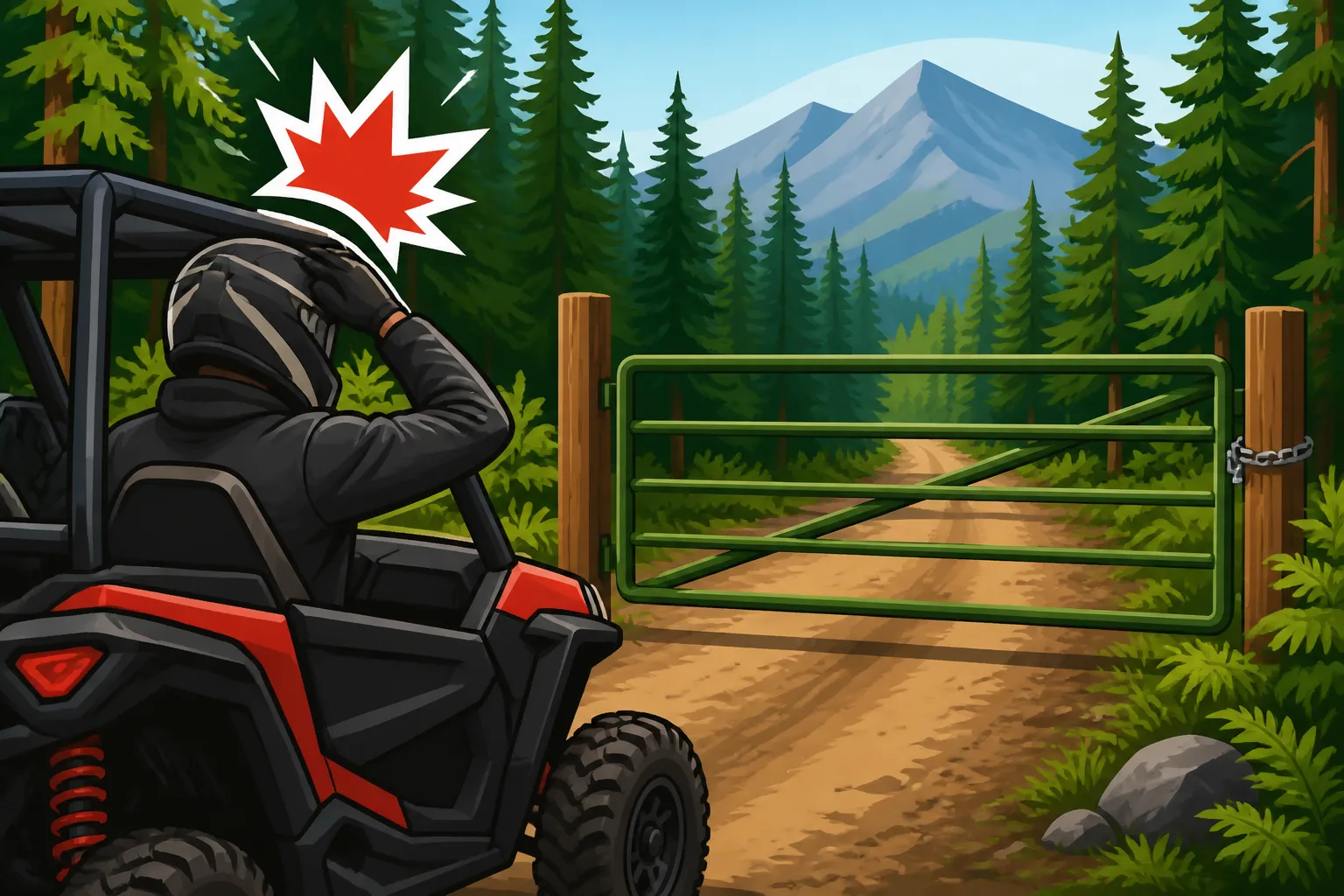
There’s nothing quite like planning a fantastic day of riding your ATV or UTV through Oregon’s beautiful forests, only to round a corner on a familiar route and find a freshly installed, intimidating gate blocking your way. It’s incredibly frustrating, confusing, and can completely derail your plans, especially when that gate appears mid-season on a road you thought was open. This guide is here to shed light on why these unexpected closures happen, what you should do when you encounter one, and how to better prepare yourself to avoid such unwelcome surprises on future rides.
The Frustration of a Suddenly Closed Road: Why Do Gates Appear Mid-Season?
You’ve got your rig loaded, your [Oregon ATV Permit] displayed, and you’re ready to hit some fantastic trails. Maybe you even rode this exact section last week! Then, bam – a brand new gate, padlocked tight, or a freshly dumped pile of gravel and rocks blocking the path. It’s enough to make any rider want to pull their hair out. The sudden appearance of a gate, especially mid-season, isn't usually arbitrary, even though it feels that way in the moment. There are typically very specific and important reasons why land managers or private landowners decide to shut down access.
One of the most common culprits, particularly in the summer and early fall, is fire season. Oregon is no stranger to wildfires, and land managers like the Forest Service or Bureau of Land Management (BLM) often implement area, road, or trail closures to prevent new fires from starting, or to protect the public from active fires. These closures can come down quickly, sometimes with little advance notice, as fire danger levels shift or new incidents emerge. What was open yesterday can be closed today if the wind changes direction or a new fire sparks up. These aren't just for our safety; they're also to protect the precious forest resources.
Another major reason, especially prevalent in timber country, is active logging operations. Forest roads are often multi-use – they're for recreation, but they're also vital arteries for the timber industry. When a logging company begins operations in an area, they will often gate roads to ensure public safety. Imagine a massive log truck, sometimes loaded with timber from a recent harvest using equipment like those found on a SuperATV build for heavy hauling, barreling down a narrow gravel road while you’re out for a leisurely ride. It's a recipe for disaster. Gating ensures that only authorized personnel are in the area, minimizing the risk of accidents with heavy machinery or falling trees. These closures can pop up without much warning once a timber sale has been finalized and operations are set to begin.
You might also encounter gates due to road maintenance or repair projects. Heavy rains, snowmelt, or simply years of wear and tear can degrade forest roads, making them unsafe or impassable. A section might wash out, a culvert might collapse, or major repairs might be needed. Sometimes these projects are planned, but often they’re reactive, meaning a gate goes up suddenly after an assessment reveals an urgent need. These temporary closures are for your safety, even if they feel like a roadblock to your fun.
Finally, resource protection can lead to gates. This could be anything from protecting sensitive wildlife habitat during nesting seasons to restricting access to areas recovering from environmental damage. In some cases, specific areas may be closed to prevent damage to fragile ecosystems or to allow for natural regeneration. Private timberland owners, too, might gate off areas for their own operational or liability reasons, and their policies can change without much public fanfare, even on roads that have long been used for recreation. Knowing the difference between [BLM Roads Versus Forest Service Roads] can sometimes help, as different agencies have different management priorities.
What to Do When You Encounter an Unexpected Gate
The initial reaction to a surprise gate is almost always frustration, maybe even anger. You’ve driven all this way, you’re geared up, and now your path is blocked. But it's crucial to take a deep breath and respond responsibly. Your actions in that moment can have long-lasting consequences, not just for you, but for the wider riding community.
First and foremost: Do not attempt to bypass the gate. This means no riding around it, no cutting fences, no picking or breaking locks, and certainly no trying to drive over berms or through ditches. Doing so is not only illegal and dangerous, but it also directly contributes to land managers or private owners becoming more restrictive with access in the future. Remember, these roads are not just for your recreational use. When you damage property or disregard closures, you give all riders a bad name and risk losing access to more areas. Attempting to force your way through can also damage your machine, especially if you’re driving a wider side-by-side or a particularly long rig that might require extra clearance. Even a robust aftermarket skid plate from a brand like SuperATV might not protect against a hidden stump or boulder when you're trying to sneak around a barrier.
Instead, stop and assess the situation. Look for any signs posted on or near the gate. Sometimes, there will be a clear explanation for the closure, an estimated reopening date, or even contact information for the responsible agency. Note any road numbers or distinguishing landmarks. These details will be incredibly helpful if you need to call the local ranger district or land manager later. Take a moment to check your paper maps or your GPS device, as they might have recent updates or alternative routes.
Turn around and find an alternative route. This is the safest and most responsible action. While it’s disappointing, having a backup plan or knowing other areas to explore can save your day. Before heading out, it’s always a good idea to have several options in mind precisely for situations like this. You could try another forest road listed in your map, or head to a completely different riding area. If you're on a multi-day trip, this might mean adjusting your entire itinerary, but it's better than facing a citation or putting yourself in danger. Think of it as an opportunity to discover new parts of Oregon you haven't explored yet.
Finally, report the closure if you feel it's unexpected or unclear. If there are no signs, or the closure seems inconsistent with published information, contact the relevant land management agency (e.g., Forest Service, BLM, Oregon Department of Forestry, or the private timber company). Provide them with the exact location (GPS coordinates are best), the road number if you found one (like those you’d find when [Reading a Forest Service Road Number]), and a description of the gate. This helps them ensure their public information is accurate and that proper signage is in place. It also shows you are a responsible recreationist.
Anticipating Closures and Staying Informed
While mid-season gates can feel sudden and random, many closures can actually be anticipated or at least verified before you load up your rig. A little proactive research can save you a lot of frustration and wasted fuel.
The absolute best way to stay informed is by regularly checking official land management agency websites and local ranger district offices. For federal lands, this means the U.S. Forest Service and BLM websites. They often have dedicated pages for road and trail conditions, and "alerts and notices" sections are goldmines for current information. Many ranger districts update their Facebook pages or maintain a hotline with recorded messages about closures. It’s also wise to research [Oregon Rules for Riding a Forest Road] before heading out.
Don't forget private timber companies if you plan to ride on their lands. Many major timber companies in Oregon, such as Weyerhaeuser or Stimson Lumber, have public access policies and maps on their websites. Some even offer specific [Getting a Riding Permit From a Timber Company] options for public recreation on certain roads. These private lands are a privilege to ride on, and knowing their specific rules is paramount. Remember that a road that was open last year might be closed this year due to changes in logging plans or land sales.
Mapping applications and GPS devices can also be invaluable. While not always real-time, many popular apps like Gaia GPS or OnX Offroad update their maps with closure information from various sources. Downloading offline maps for your intended riding area is crucial, as cell service is notoriously spotty in many parts of Oregon’s backcountry. These maps often distinguish between Forest Service, BLM, State, and private lands, giving you a better idea of who to contact if you have questions.
Another often overlooked resource is local riding clubs and forums. Experienced local riders often have the most up-to-date, on-the-ground knowledge about closures, road conditions, and what’s happening in specific areas. Joining these communities can provide invaluable insights and warnings about potential gates or hazards. However, always cross-reference information from unofficial sources with official channels before making your final plans.
Finally, always be aware of seasonal factors. [Oregon Fire Season and Trail Access] is a huge consideration, typically running from July through October, but can extend earlier or later depending on drought conditions. In winter and early spring, many high-elevation roads are naturally closed due to snow, and lower-elevation roads might be closed due to excessive mud or erosion concerns. [Roads Closed Seasonally by the Forest Service] are very common. Planning your rides according to the season can greatly reduce the chances of encountering an unexpected gate.
Here's a quick reference for where to check for road status:
| Land Manager | Typical Road Type | Where to Check for Closures | Notes |
|---|---|---|---|
| U.S. Forest Service | Forest Roads (NFSR) | Official USFS district websites, "Alerts & Notices" pages | Look for specific ranger district info; check for fire restrictions |
| Bureau of Land Management (BLM) | BLM Roads | Official BLM state/district websites, "Road Status" maps | Less common gates than USFS/private; check for fire restrictions |
| Oregon Department of Forestry (ODF) | State Forest Roads | ODF district offices, "Recreation" sections of ODF website | Tillamook State Forest is a key area; some roads require permits |
| Private Timber Companies | Logging Roads | Company websites (e.g., Weyerhaeuser, Stimson), local offices | Often require permits or have strict access rules; check for [Timber Roads With Active Hauling] |
| County Roads | Maintained Public Roads | County Public Works/Road Department websites | Less common for unexpected gates, but can close for damage/events |
The Serious Consequences of Ignoring a Closed Gate
It’s easy to feel like you’re just a single rider in a vast forest, and "no one will ever know" if you just skirt that gate. But the consequences of ignoring a closed gate are far more serious than a simple slap on the wrist. Not only are there legal and financial penalties, but you could also be putting yourself and others in significant danger, and ultimately harming the future of recreational access for everyone.
From a legal standpoint, bypassing a closed gate often constitutes trespassing or destruction of property (if you cut locks or damage fences). For public lands, this can result in substantial fines, which vary depending on the specific violation and the agency involved. You could be looking at hundreds, if not thousands, of dollars. For instance, [What a Citation for an Unopened Road Costs] can be a significant hit to your wallet. Even worse, your vehicle could be impounded, leaving you stranded deep in the backcountry and facing additional costs to retrieve it. Law enforcement, including Forest Service rangers and county sheriffs, do patrol these areas, and they take gate violations seriously. Imagine having your prized side-by-side, equipped with all your SuperATV upgrades, sitting in an impound lot because you tried to save a few minutes.
Beyond the legal ramifications, there are serious safety risks involved. If a road is gated due to active logging, you could literally be driving into a live timber harvest operation. Heavy machinery, falling trees, and fast-moving log trucks are not things you want to encounter unexpectedly. Roads closed for washouts or structural damage might collapse under your machine, leading to serious injury or even death. [Riding Past a Gate You Did Not Notice] means you are riding into the unknown, and that unknown could be extremely dangerous. Remember, these closures aren’t always just to be inconvenient; they are often to keep you safe from legitimate hazards.
Then there’s the environmental impact. Going off-road to bypass a gate, or even just driving past a closed area, can lead to severe resource damage. This could involve damaging sensitive ecosystems, eroding soil, disturbing wildlife, or spreading invasive species. These damages take years to heal and often cost taxpayers significant money to repair. As responsible recreationists, we have a duty to protect the natural beauty and health of Oregon’s wild places.
Finally, and perhaps most importantly for the long-term, ignoring gates contributes to lost access for everyone. When agencies or private landowners repeatedly deal with gate violations, vandalism, and resource damage, their immediate reaction is to tighten restrictions. They might close more roads permanently, remove access altogether, or implement more stringent permit requirements. Every time a gate is breached, it erodes trust and makes it harder for advocates to argue for continued or expanded access. Your individual decision to ignore a gate could inadvertently lead to a loss of riding opportunities for countless other riders in the future. Respecting these closures, even when inconvenient, is an investment in the future of Oregon’s ATV and UTV recreation.
Disclaimer
This article is for general informational purposes only and does not constitute professional advice. Laws, prices and regulations vary by location and change over time. Consult a qualified professional for guidance on your specific situation.