Decal Checks at Browns Camp
There’s nothing quite like the excitement of loading up your ATV or side-by-side, packing the cooler, and hitting the road for a weekend of muddy trails and forest adventures. For many Oregonians and visitors alike, Browns Camp in the Tillamook State Forest is that iconic destination. It’s a place where memories are made, skills are honed, and machines get wonderfully dirty. But amidst the anticipation of twisting throttles and conquering climbs, a little worry often creeps in: "Is my machine truly ready? Do I have all my ducks in a row?" One of the biggest questions that often bubbles up, especially for newer riders or those visiting from out of state, revolves around that small but mighty decal – the Oregon ATV Operating Permit. Getting stopped by a ranger or sheriff can put a real damper on your day, and nobody wants to find out they're missing something crucial right at the trailhead. This guide is here to walk you through exactly what to expect when it comes to decal checks at Browns Camp and why having your permit in order is absolutely essential for a smooth, stress-free ride.
Getting Ready for Browns Camp: Your Gateway to Tillamook State Forest Trails
Browns Camp isn't just a patch of dirt; it's a bustling hub, a community gathering point, and the official entry into hundreds of miles of diverse OHV trails within the Tillamook State Forest. Nestled in the Coast Range, it's incredibly accessible from major population centers like Portland, making it a favorite for day-trippers and weekend campers alike.
What Makes Browns Camp an Oregon Rider's Favorite?
Think of Browns Camp as the beating heart of Oregon's Coast Range riding scene. It's renowned for its extensive network of trails that cater to every type of rider and machine. You'll find everything from wide, gravel forest roads perfect for cruising in your side-by-side to technical, root-filled singletrack challenging enough for experienced dirt bikers. There are dedicated play areas, stream crossings, and those iconic Oregon mud bogs that promise a thorough cleaning job later. The sheer variety means you can spend an entire weekend here and never ride the same trail twice.
Beyond the trails themselves, Browns Camp offers fantastic amenities. You'll find a large staging area for unloading your machines, ample parking for trucks and trailers, and even primitive campsites for those who want to stay close to the action. It's a family-friendly atmosphere where you see everyone from little ones on youth quads to seasoned veterans tackling the toughest routes. The popularity of Browns Camp, especially on sunny weekends and holidays, means that the Oregon Parks and Recreation Department (OPRD) and local law enforcement often have a visible presence to ensure everyone is riding safely and legally. This is where those decal checks come into play. It's not about catching you out; it's about keeping everyone safe and preserving access to these amazing riding areas. You might find that [Browns Camp and Oregon's 2026 Reservations] are becoming more common, which speaks to its popularity.
The Role of the Oregon Parks and Recreation Department at Browns Camp
The Oregon Parks and Recreation Department, or OPRD, is the dedicated agency that truly makes places like Browns Camp shine for OHV enthusiasts. They don't just put up a sign and call it a day; they actively manage, maintain, and protect these precious riding resources. Their responsibilities at Browns Camp are extensive, covering everything from routine trail maintenance to emergency response. When you see a ranger or an OPRD vehicle at the staging area or out on the trails, they're not just there to wave hello; they're working to ensure a safe and enjoyable experience for everyone.
A significant part of [The Oregon Parks and Recreation Department's Role] involves enforcing the rules and regulations that keep our trails open and sustainable. This includes ensuring that all off-highway vehicles (OHVs) operating on public land have the proper permits. The funds generated from these permits directly support the operations and improvements at places like Browns Camp, meaning your permit money goes right back into the trails you love to ride. They are the frontline stewards of these lands, and their presence helps maintain order, address issues, and, yes, conduct those all-important permit and decal checks. They want you to have fun, but they also want you to do it responsibly and legally.
The Mighty Decal: Oregon's Proof of Permit
Before you even think about hitting the dirt at Browns Camp, there’s one non-negotiable item that every OHV needs: a valid Oregon ATV Operating Permit and its accompanying decal. This isn't just a suggestion; it's a requirement for riding on any public land in Oregon, including every inch of trail in the Tillamook State Forest.
Understanding Oregon's ATV Operating Permit
Let's clear up a common misconception right away: Oregon's ATV Operating Permit is not a vehicle registration in the traditional sense, like what you’d get for a car at the DMV. In fact, [Why Oregon's DMV Does Not Register ATVs] is a whole topic in itself! Instead, it’s a specific permit that allows your off-highway vehicle to operate on designated public lands within the state. It doesn't matter if your machine is brand new or decades old, if you bought it in Oregon or brought it from out of state, or even if it's technically street-legal in another state – if you’re riding it on public land in Oregon, you need this permit.
The beauty of [Oregon's ATV Operating Permit] is its simplicity and its broad coverage. There's [One Oregon Permit Price for Every Class] of ATV, UTV, or off-road motorcycle, and it's valid for [Two Years From the Month You Buy]. This ensures that everyone contributes to the maintenance and development of the OHV program, regardless of whether they ride a compact Class I quad or a wide Class IV side-by-side. The permit system is foundational to funding the trails, staging areas, and educational programs that make Oregon such a fantastic place to ride.
Why That Little Sticker Matters: Decal Placement and Visibility
Once you've purchased your Oregon ATV Operating Permit, you'll receive a physical decal. This small sticker is your visible proof that you’re compliant with state regulations. And trust me, rangers and law enforcement personnel are trained to spot them – or their absence – quickly. Proper placement isn't just for aesthetics; it's crucial for easy identification by enforcement officers.
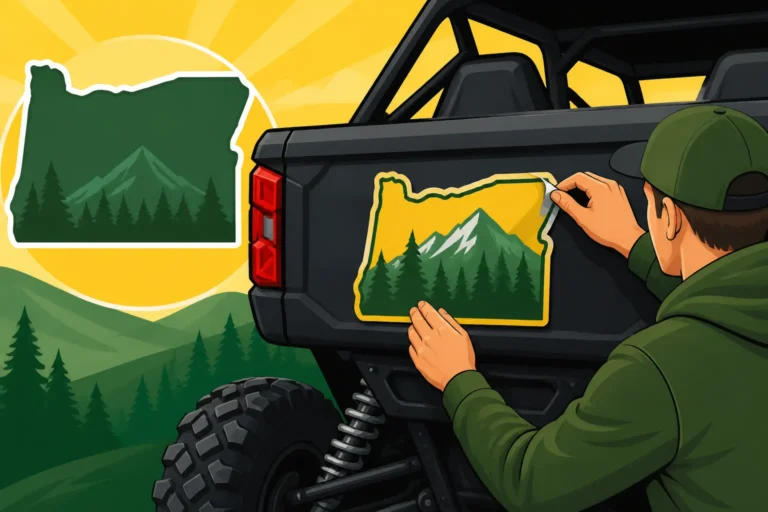
The rules for [Oregon Permit Decals and Where They Go] are quite specific and vary slightly depending on your machine type:
- Class I (Quads/ATVs under 50 inches wide): The decal should be placed on the right-hand side of the machine, preferably on the front fender, rear fender, or main frame, where it's easily visible to someone standing next to the vehicle. Think about [Decal Placement on a Quad's Right Side].
- Class III (Off-Road Motorcycles/Dirt Bikes): Similar to quads, the decal typically goes on the right side of the fork or frame, ensuring it's clearly legible. [Decal Placement on an Off-Road Motorcycle] is designed for quick checks.
- Class IV (Side-by-Sides/UTVs under 75 inches wide): For these larger machines, the decal often goes on the right-hand side of the vehicle body, such as the rear fender, roll cage, or even a visible part of the cab. Check [Decal Placement on a Class IV Machine] for specifics.
- Class II (Off-Highway Vehicles designed for travel on roads, like some sand rails or dune buggies): If your Class II machine is primarily used off-road and requires an operating permit, the decal would typically go on the right side of the vehicle body or frame. [Decal Placement on a Sand Rail] would apply here.
The key across all classes is visibility. The decal needs to be securely attached, clean, and unobstructed. It's a good idea to apply it to a flat, smooth surface after cleaning it thoroughly, so it adheres well and doesn't peel off during a ride. We've all seen machines with tattered or missing decals, and that just signals a potential issue to a patrolling officer. If you find your [Oregon ATV Permit Decal Falling Off], it's important to address it. You can contact OPRD for guidance on getting a replacement or ensuring compliance.
Navigating a Decal Check at Browns Camp
So, you're at Browns Camp, ready to hit the trails. What happens if you encounter an enforcement officer, and they want to check your permit? The good news is that these checks are usually quick, polite, and focused on ensuring everyone's safety and legal compliance.
Who Conducts Decal Checks and Where They Happen
At Browns Camp, you might encounter a few different types of officials conducting decal checks. The most common are Oregon Parks and Recreation Department (OPRD) rangers. These are the folks who manage the OHV areas, maintain the trails, and are deeply invested in the riding community. You might also see county sheriff's deputies (especially from Tillamook County) or Forest Service law enforcement officers, as the Tillamook State Forest is a mix of state and federal lands.
These checks can happen in several places:
- Staging Areas: This is the most common spot. Officers often set up at the main Browns Camp staging area, especially on busy weekends. As you drive in or are unloading, they might simply wave you over for a quick check. [Decal Checks at Browns Camp] are a regular occurrence here.
- Trailheads: Sometimes, they’ll be positioned at specific trail entry points.
- On the Trail: Less common, but not unheard of, is a stop on the trail itself. An officer might be patrolling and simply pull alongside to confirm you have your decal displayed.
The goal isn't to be overly intrusive, but to confirm compliance. They are usually looking for a few key things, and the decal is often the first visual check. [What a Ranger Checks at an Oregon Staging Area] is more comprehensive than just the decal, but it's the gateway item.
What to Expect During an Inspection
If you're waved over or approached for a decal check, the best approach is always to be cooperative and friendly. These officers are there to do a job, which ultimately benefits all riders by maintaining safe and legal access to the trails.
Here's a typical scenario:
- A Friendly Wave: An officer might simply wave you over as you're driving through the staging area or approaching a trailhead. They’ll usually be in uniform and clearly identifiable.
- Polite Request: They'll typically ask for your Oregon ATV Operating Permit card and your [Oregon ATV Safety Education Card]. For riders under 16, they'll also be checking for adult supervision as per [Oregon Supervision Rules for Young Riders].
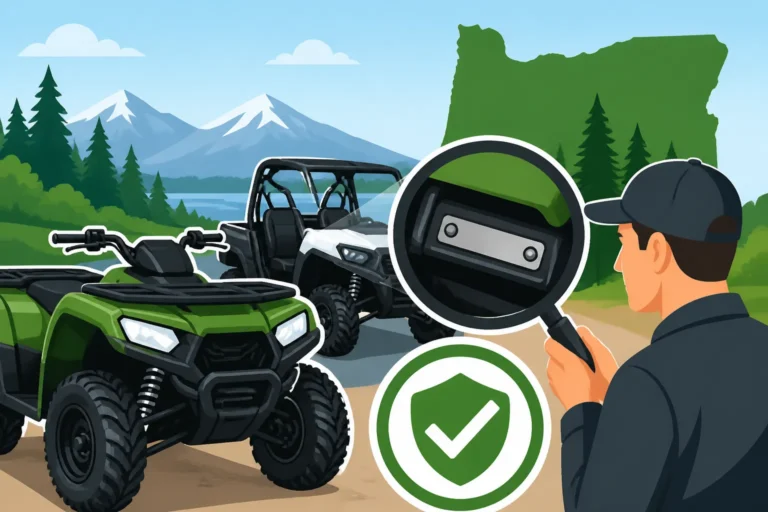
- Decal Verification: They'll glance at your machine to confirm the decal is present, correctly placed, and current. They’re looking for that bright orange sticker with the expiration date.
- Other Checks: While the decal is the primary focus, they might also do a quick visual check for other safety and environmental requirements. This could include ensuring your machine has a functioning [Oregon Spark Arrester Requirement] to prevent wildfires and that your exhaust doesn't exceed [Oregon Sound Limits for ATVs]. For those in side-by-sides or other caged vehicles, they may check seatbelts. For all riders, they'll be looking for appropriate safety gear, especially helmets, which are [Oregon Helmet Law for Every Rider Under 18] and highly recommended for adults.
- Quick and Done: If everything is in order, they'll usually thank you and send you on your way. These checks are typically very brief, just a minute or two.
Remaining calm, having your documents ready, and answering questions truthfully will make the process smooth and quick, allowing you to get back to enjoying your ride at Browns Camp.
Preparing Your Machine and Paperwork
The best way to ensure a hassle-free experience at Browns Camp is to be prepared before you even leave your driveway. Proactive preparation can save you time, stress, and potential fines.
First and foremost, make sure your Oregon ATV Operating Permit decal is properly affixed to your machine. Double-check its placement and ensure it's clean and easily visible. Take a moment to scrape off any old, expired decals that might cause confusion.
Next, gather your essential paperwork. I always recommend keeping these in a small, waterproof bag or case that you can easily access on your machine. This should include:
- Your physical Oregon ATV Operating Permit card: This is the card you received when you purchased the permit, detailing your machine's information and the permit's expiration.
- Your Oregon ATV Safety Education Card: Every rider needs one, regardless of age. If you have an [Oregon Hands-On Training Within Six Months] instructional permit, make sure you're riding with a qualified adult.
- Proof of Ownership: While Oregon does not mandate titling for off-road-only machines, having a bill of sale can be helpful for proving ownership, especially if you're riding a machine that isn't commonly associated with you. Resources like LawDepot can help you generate a clear bill of sale when buying or selling an OHV, which can be useful if questions arise about who owns the machine. [Oregon Bill of Sale for an ATV] is always a good document to have.
- Driver's License (if applicable): For those operating Class IV machines who are 16 or older, a valid driver's license can serve as your safety education card.
Beyond paperwork, give your machine a quick once-over. Is your [Oregon Spark Arrester Requirement] functional and free of debris? Does your exhaust sound excessively loud, indicating it might be over [Oregon Sound Limits for ATVs]? Are your tires in good shape? Basic pre-ride checks ensure not only compliance but also a safer and more enjoyable ride. Remember, enforcement officers are looking for overall safety and compliance, not just the decal.
| Item to Prepare | Action Steps | Why It's Crucial |
|---|---|---|
| ATV Permit Decal | Apply cleanly to the correct, visible location (e.g., right fender). | Mandatory proof of permit for public land use. |
| ATV Permit Card | Keep the physical card in a waterproof pouch. | Verification of your decal's validity and machine details. |
| Safety Education Card | Carry physical card or digital proof (if allowed). | Mandatory for all riders, demonstrates safety knowledge. |
| Proof of Ownership | Keep a bill of sale or title (if you have one). | Helps verify you are the rightful operator if questions arise. |
| Spark Arrester | Inspect for proper function and debris. | Prevents wildfires, an essential environmental and safety rule. |
| Exhaust System | Ensure it meets [Oregon Sound Limits for ATVs]. | Avoids noise complaints, promotes good trail etiquette. |
| Helmet (if applicable) | Check for DOT/Snell approval and proper fit. | Mandatory for youth, strongly recommended for all for safety. |
The Costs of Non-Compliance: What Happens Without a Permit
Let's be real: no one wants to get a ticket when they're out trying to have fun. But riding without a valid Oregon ATV Operating Permit and its displayed decal at Browns Camp – or any other public OHV area in Oregon – comes with real consequences that can quickly overshadow your day of adventure.
Understanding the Fines and Penalties
Riding an OHV on public land without the required operating permit is considered a [Oregon's Class C Traffic Violation for No Permit]. This isn't just a slap on the wrist; it's a legitimate citation that comes with a fine. While I can't give specific dollar amounts (as these things can change), rest assured that the [Oregon Fines for Riding Without a Permit] are significantly higher than the actual cost of the permit itself. What might have cost you a small fee for a two-year permit could easily turn into a multi-hundred-dollar citation.
Beyond the initial fine, there are other potential headaches:
- Being Asked to Leave: At best, an officer might issue you a warning or a citation and then ask you to load up your machine and leave the riding area. This means your day of riding is over before it really began.
- Impoundment: In more severe or repeat cases, or if other violations are present, there's a possibility your machine could be impounded. That means a whole lot more hassle, towing fees, storage fees, and an even larger financial burden to get your machine back.
- Increased Scrutiny: Once you've been cited, you might find yourself on a "watch list" of sorts, leading to more frequent stops and checks in the future.
It’s truly not worth the risk. The small investment in a permit pales in comparison to the frustration and expense of getting caught without one.
The Importance of Proactive Permitting
The easiest way to avoid all these headaches is to get your Oregon ATV Operating Permit before you even think about trailering your machine to Browns Camp. It's a straightforward process, and there are several convenient ways to do it:
- Online: You can purchase your permit directly from the Oregon Parks and Recreation Department's website. It's quick, efficient, and you often get a temporary permit emailed to you immediately so you can ride while you wait for the physical decal to arrive. [Buying an Oregon Permit Online] is a great option.
- In Person: There are [Oregon Permit Agents You Can Walk Into] all across the state. These agents include many dealerships, outdoor recreation stores, and even some state park offices. This option is great if you need your decal immediately or prefer face-to-face interaction. You can often find [Oregon Permit Agents Near the Coast] if you're heading that direction.
The cost of the permit is intentionally kept low, making it accessible for all riders. What many people don't realize is that these fees are directly reinvested into the OHV program. Your permit money contributes to trail maintenance, signage, facility improvements at staging areas like Browns Camp, and even grants for OHV-related projects. Knowing [Where Oregon ATV Permit Money Goes] can make purchasing it feel less like a fee and more like a contribution to the sport you love.
Ultimately, a valid permit and clearly displayed decal are your tickets to worry-free riding at Browns Camp and all of Oregon's fantastic OHV areas. It's a small step that ensures compliance, supports the trails, and keeps your day focused on the fun, not the fines.
Disclaimer
This article is for general informational purposes only and does not constitute professional advice. Laws, prices and regulations vary by location and change over time. Consult a qualified professional for guidance on your specific situation.