Checking a VIN Before Buying Used
Buying a used ATV or UTV in Oregon can feel like navigating a minefield. You're excited about hitting the dunes or trails, but there's always that nagging fear: what if this machine is stolen, or has a hidden past that's going to cause endless headaches? This guide is all about giving you the tools to confidently check a vehicle identification number (VIN) before you hand over any cash, ensuring your next adventure starts on solid ground.
Why a VIN Check is Absolutely Essential When Buying Used
I've heard countless stories over the years from fellow riders who skipped this crucial step, and believe me, you don't want to be one of them. That shiny quad you just bought could have a dark secret: it might be stolen, have an undisclosed salvage title, or carry a lien from a previous owner. If any of those scenarios come to light after the purchase, you could lose your money, the machine, or both. It’s a frustrating and often heartbreaking situation that is completely avoidable.
Avoiding Stolen Machines and Legal Headaches
Imagine showing up to your favorite Oregon riding spot, like the Oregon Dunes or Browns Camp, only to have a ranger flag you down because the VIN on your "new" machine matches a stolen vehicle report. Talk about a nightmare! Not only do you lose the ATV, but you also get tangled up in a police investigation. While you might be an innocent buyer, proving that can be a long, drawn-out process. A proper VIN check helps prevent this by revealing if the machine has been reported stolen, saving you immense stress and legal complications down the road. It also provides important information for [Stolen Machine Checks Before a Sale].
Uncovering Hidden Histories: Liens, Salvage, and Accidents
Beyond theft, a VIN check can tell you a lot about a machine's past. Has it been declared a total loss by an insurance company and rebuilt with a salvage title? This often means significant damage occurred, and while it might look good on the surface, there could be underlying structural or mechanical issues. Is there an active lien on the title, meaning the previous owner still owes money on it? If so, the lender could repossess the ATV, even from you, the new owner, if the debt isn't settled. These are the kinds of financial landmines a simple VIN check can defuse, protecting your investment. For more on proving ownership, see [Proving Ownership Without a Title].
How to Perform a Thorough VIN Check in Oregon
Getting a good, clean VIN check isn't as hard as it might seem, but it does require a bit of diligence. You're essentially becoming a detective for a few hours, and that detective work pays off in peace of mind. Don't rush this part; it's the most important step in [Buying a Used Quad in Oregon].
Locating and Verifying the VIN
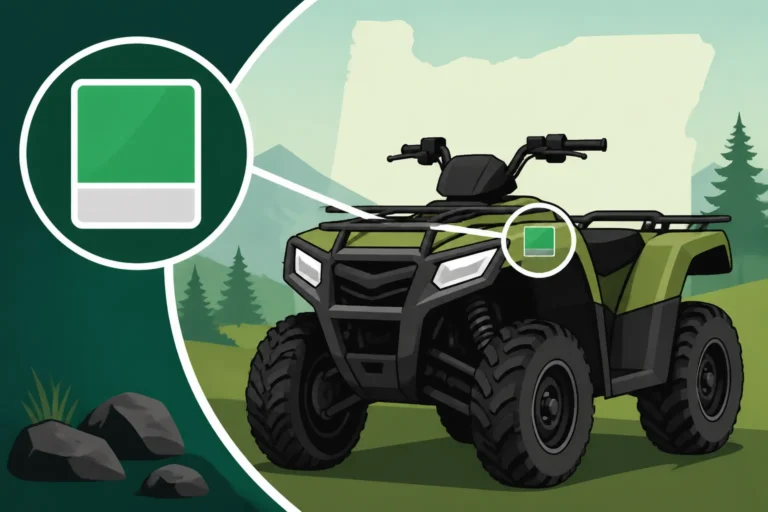
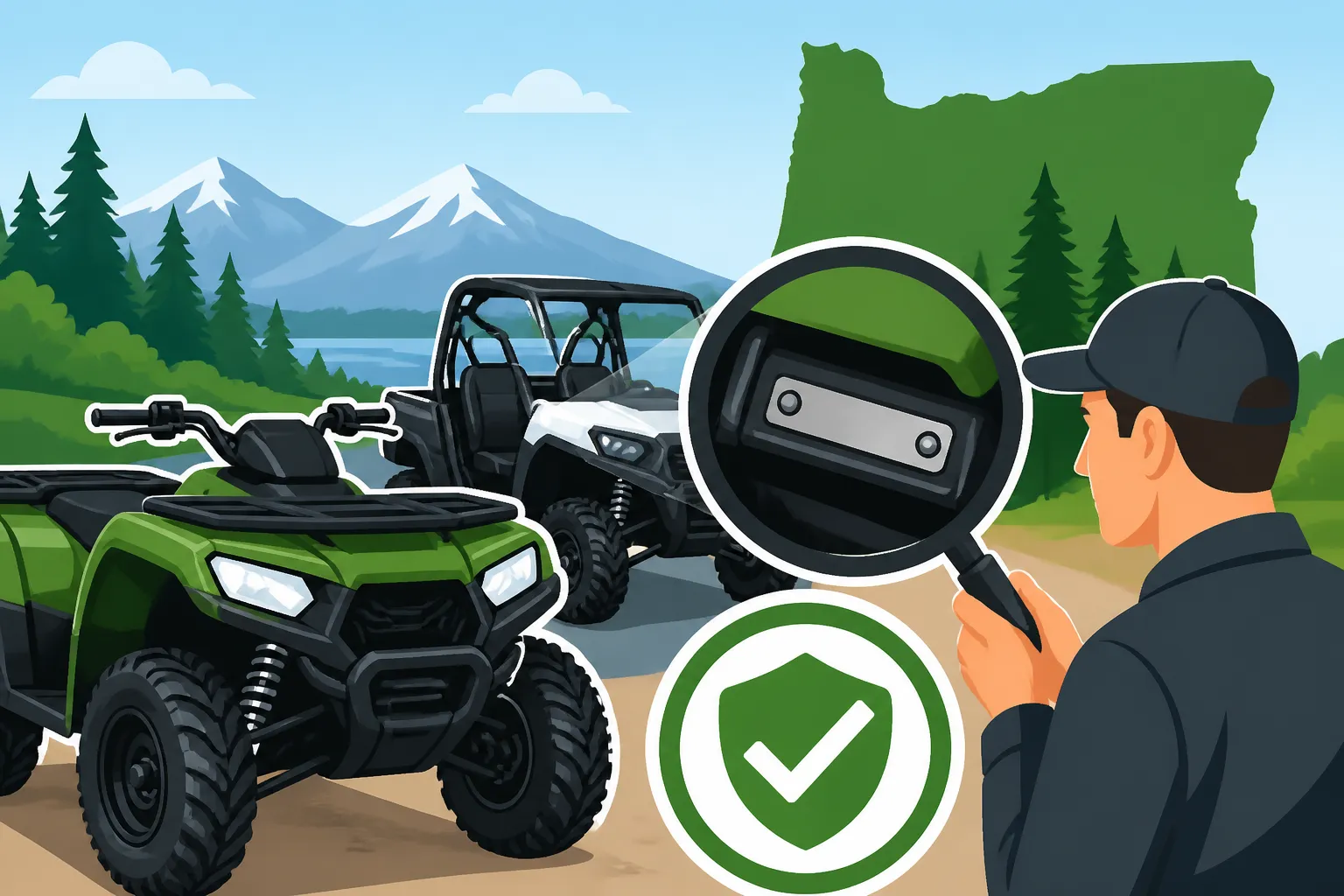
First things first, you need to find the VIN on the machine itself. Most ATVs and UTVs have the VIN stamped on the frame, usually on the front lower left frame rail, near the steering head, or sometimes on the engine casing. It's a 17-character alphanumeric code. Make sure the VIN on the machine matches any VIN listed on the seller's documentation, like a title or previous registration. If the VIN looks tampered with—scratched, painted over, or numbers that don't quite align—that's an immediate red flag. Walk away, no matter how good the deal seems. A genuine seller should have nothing to hide and will let you examine the VIN closely.
Utilizing Online VIN Check Services
Once you have the VIN, you can run it through various online services. Many private companies offer VIN checks that tap into national databases. Some are free, providing basic information like manufacturer and model year, while others charge a fee for more comprehensive reports that include accident history, lien status, and salvage records. While Oregon's DMV doesn't typically register ATVs (see [Why Oregon's DMV Does Not Register ATVs]), these national services often pull data from insurance companies, law enforcement, and other states' titling agencies. It’s a small investment for a significant amount of protection.
Leveraging Oregon-Specific Resources
While Oregon ATV titling is often optional (check out [Titling an ATV in Oregon Is Optional]), if the machine does have an Oregon title, you might be able to verify information through the Oregon Department of Motor Vehicles (DMV) or specific agencies if you have the seller's permission. For example, if you suspect a lien, you could inquire with the state's Department of Consumer and Business Services. However, often the most direct route is a comprehensive online VIN checker, as they aggregate data from many sources. Always remember that even if Oregon doesn't require a title for off-road use, having one can be a major advantage when proving ownership, especially if you ever need to sell it yourself (see [Oregon ATV Title for a Used Quad]).
Understanding What Your VIN Check Reveals
Once you've run the VIN, you'll get a report that can look a bit like a foreign language if you don't know what you're looking for. But each part of that 17-character code, and the accompanying report, tells a story about the machine's life. Decoding it is key to making an informed decision.
Decoding the VIN Itself
The VIN isn't just a random string of numbers and letters; it's a globally recognized identification system.
- Characters 1-3 (World Manufacturer Identifier – WMI): These tell you who made the vehicle and where it was made. For instance, '1' or '4' might indicate the USA, while 'J' signifies Japan.
- Characters 4-9 (Vehicle Descriptor Section – VDS): This section describes the vehicle's attributes, like the make, model, body style, engine type, and even safety features. The ninth digit is a check digit, used to verify the VIN's authenticity.
- Characters 10-17 (Vehicle Identifier Section – VIS): This is the unique identifier for that specific vehicle. The tenth digit usually indicates the model year, and the eleventh indicates the assembly plant. The remaining digits are the sequential production number.
Cross-referencing these details with what the seller is telling you, and what you see on the machine, is a great initial check. If the VIN says it's a 2018 Yamaha YFZ450R but the seller claims it's a 2022 Honda, something is definitely wrong.
Interpreting the Report's Findings
The real treasure trove of information comes from the full VIN check report. Here’s what you’ll typically find and what it means:
| Report Section | What It Shows | Potential Red Flags |
|---|---|---|
| Theft Record | Whether the vehicle has been reported stolen. | Any "Stolen" or "Recovered Theft" status. |
| Lien History | Any active loans or financial interests against the vehicle. | An active lien means the seller doesn't fully own it. |
| Salvage/Junk Title | If the vehicle was declared a total loss by an insurer. | "Salvage," "Rebuilt," or "Junk" titles often mean major repairs. |
| Accident History | Records of reported accidents or significant damage. | Multiple accidents, severe damage reports. |
| Odometer Rollback | Discrepancies in reported mileage. | Any indication that the odometer has been tampered with. |
| Previous Owners | Number of prior owners and dates of ownership changes. | Frequent changes of ownership in a short period. |
| Registration States | Where the vehicle has been registered. | Registration in a state known for lenient title laws. |
A clean report is what you're hoping for. A report with any of these red flags means you need to proceed with extreme caution, or better yet, walk away. Don't be swayed by a low price if the VIN report is concerning. That "deal" could end up costing you far more in the long run.
What to Do After the VIN Check (and What Red Flags Mean)
So, you've run the VIN, and now you have a report in your hand. What's next? Your actions depend entirely on what that report tells you. This is where your careful consideration truly pays off, potentially saving you from a bad decision.
Dealing with a Clean VIN Report
Congratulations! A clean VIN report is fantastic news. It means the machine hasn't been reported stolen, likely has no active liens, and hasn't been declared salvage. This gives you a significant level of confidence to move forward with the purchase. At this point, you can focus on the physical inspection of the machine, checking the engine, suspension, tires, and overall condition. Ensure all the mechanical aspects are sound. Even with a clean VIN, it’s still smart to have a solid [Oregon Bill of Sale for an ATV] to document the transaction. Services like LawDepot offer customizable templates for these kinds of agreements, providing an extra layer of protection. This document proves you bought it from the person who claimed to own it, and that the transaction was legitimate.
Navigating Red Flags and When to Walk Away
If your VIN check brings up any red flags—stolen status, active liens, a salvage title, or significant unreported damage—this is your signal to stop. Seriously, just stop.
- Stolen Vehicle: If the report indicates the machine is stolen, immediately end communication with the seller. Do not attempt to confront them or "recover" the vehicle yourself. Report the VIN and seller information to local law enforcement. You've done your part to prevent further crime.
- Active Lien: An active lien means a bank or lender still has a financial claim on the machine. If you buy it, that lien often transfers with the vehicle, meaning the bank could come looking for you to collect the debt or repossess the ATV. Unless the seller can provide clear, verifiable proof from the lender that the lien will be immediately satisfied at the time of sale (which typically means you pay the lender directly), it's best to avoid.
- Salvage Title: While not illegal, a salvage title means the ATV was deemed a total loss. This could be due to flood damage, a major crash, or fire. Even if it's been rebuilt, there's a higher risk of hidden problems. If you proceed, get a professional, independent mechanic to thoroughly inspect it, and negotiate the price down significantly. Be aware that selling a salvage-titled vehicle later can also be more difficult.
- Significant Accident History or Odometer Rollback: These flags indicate that the machine may have been heavily used, abused, or deceptively presented. Combined with [Buying From a Seller Who Kept No Records], these are major warning signs. If the seller didn't disclose this information, it raises questions about their honesty. Your best bet is usually to walk away and find another machine. Oregon's riding community is vibrant, and there are always more quads out there.
Remember, the purpose of this VIN check is to give you confidence and protect your investment. When you do find the right machine with a clean history, make sure you complete the deal with appropriate paperwork. Even though [Titling an ATV in Oregon Is Optional], it's always wise to ensure you have a bill of sale, and if a title is available, that it's properly signed over to you. Many riders find that a well-crafted bill of sale, often available through services like LawDepot, provides enough assurance for their transaction. Good luck, and safe riding out there!
Disclaimer
This article is for general informational purposes only and does not constitute professional advice. Laws, prices and regulations vary by location and change over time. Consult a qualified professional for guidance on your specific situation.