Goosepasture for a Quiet Morning
Goosepasture can feel like a welcome change from a crowded dune staging area, especially if you arrive early and have a simple plan. But “quiet” depends on the day, the season, and what is open. This guide explains how to prepare, ride considerately, and make the most of a morning at Goosepasture in Oregon’s Umpqua Dunes.
Planning a morning at Goosepasture
Where Goosepasture fits into an Oregon Dunes ride
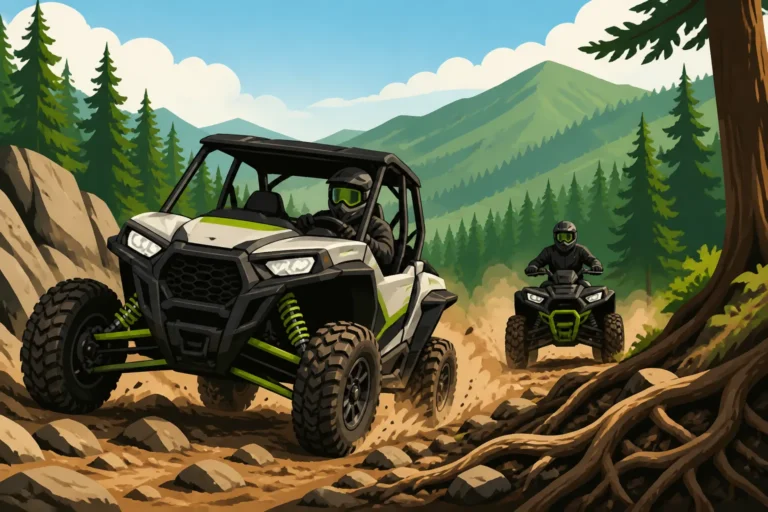
Goosepasture is a staging area in the Oregon Dunes National Recreation Area near Winchester Bay. It gives riders a place to unload and prepare before heading onto the dunes. The broader riding area includes changing sand terrain and connecting routes, so it helps to think of Goosepasture as a starting point—not as a promise that every nearby route or feature will be open on the day you arrive.
If you are comparing places to launch from, look at [Oregon Dunes Staging Areas From North to South] and [Oregon Dune Riding Areas Compared]. Those guides can help you understand how Goosepasture fits with other coastal options. For a different launch point and its riding connections, [Bull Run Staging and Where It Goes] is useful context too.
The landscape can shift with wind and weather. A route that looked straightforward on a previous visit may have different ruts, soft patches, or visibility conditions the next time. Check current official site information and posted signs before riding, and treat closures and marked boundaries as controlling even if an older map or a friend’s description suggests otherwise.
Why arrive early—and what “quiet” really means
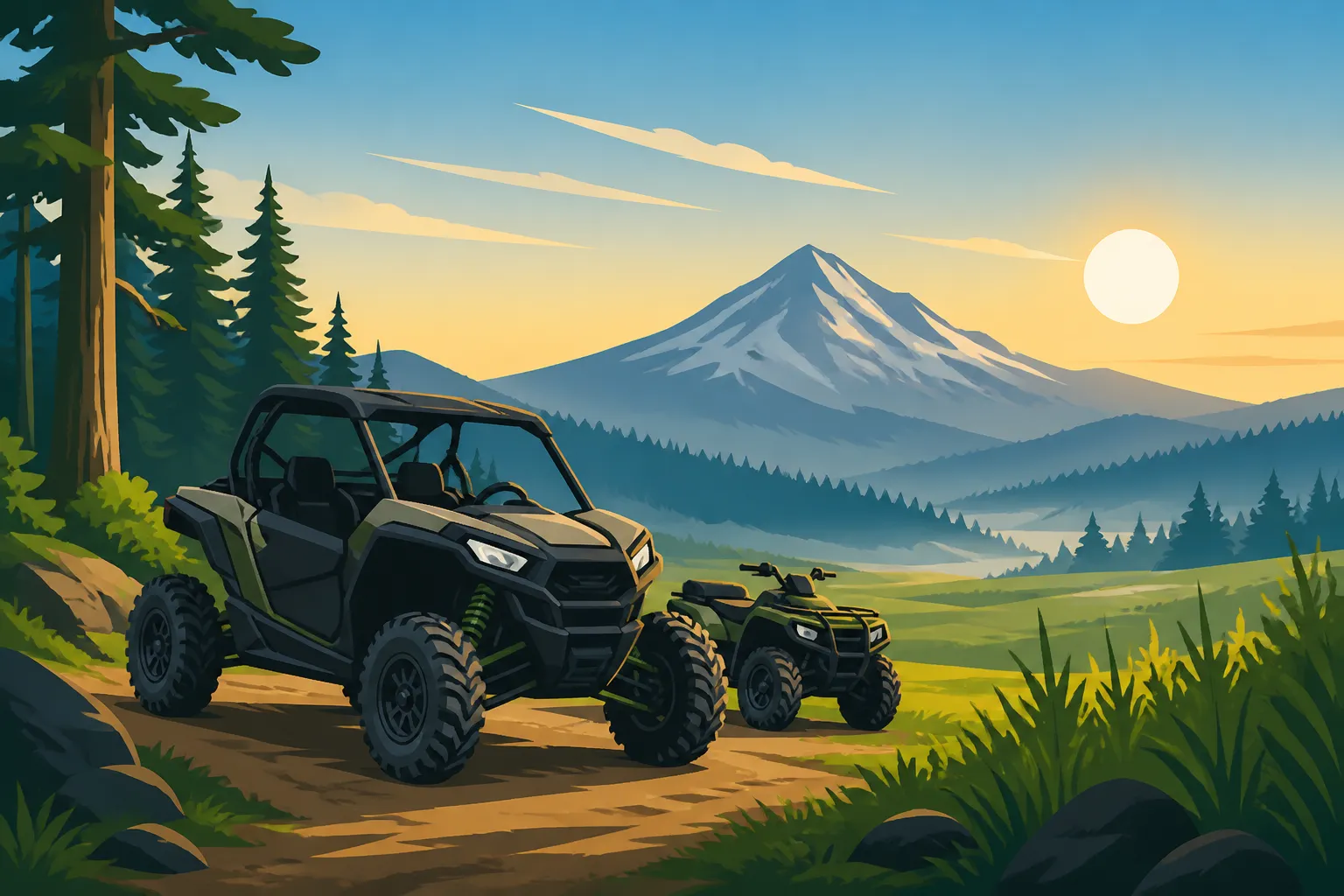
An early start can make the practical parts of the day easier. You may have more room to unload, fewer people moving through the staging area at once, and a calmer moment to check helmets, flags, radios, and machine condition. That does not guarantee an empty riding area: weekends, holidays, weather, and seasonal use can all affect how busy it feels.
Early light also changes the way the dunes ride. Low sun can make dips and ridgelines harder to read, while coastal fog can reduce visibility even after sunrise. Give yourself time to adjust rather than immediately following another group into a fast-moving line. A quiet morning is most enjoyable when you can see far enough to make deliberate choices and keep other riders in view.
If your schedule is flexible, have a backup plan. A busy staging area is not necessarily a reason to rush into the dunes, and a quiet one is not proof that a route is open. Pause, read the site information, and decide whether the conditions suit your group. If you are new to the area, [Oregon Dune Riding Areas Compared] can help you think through alternatives without assuming that one location will always be less crowded than another.
Getting ready before you unload
Check access, closures, and day-use requirements
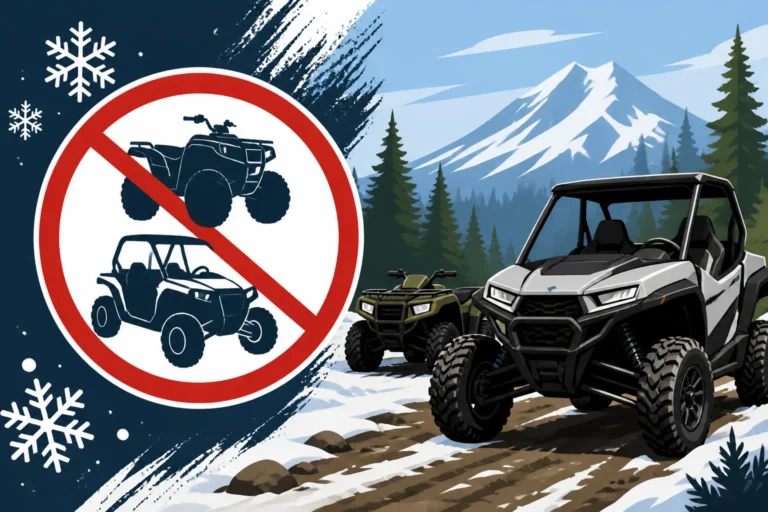
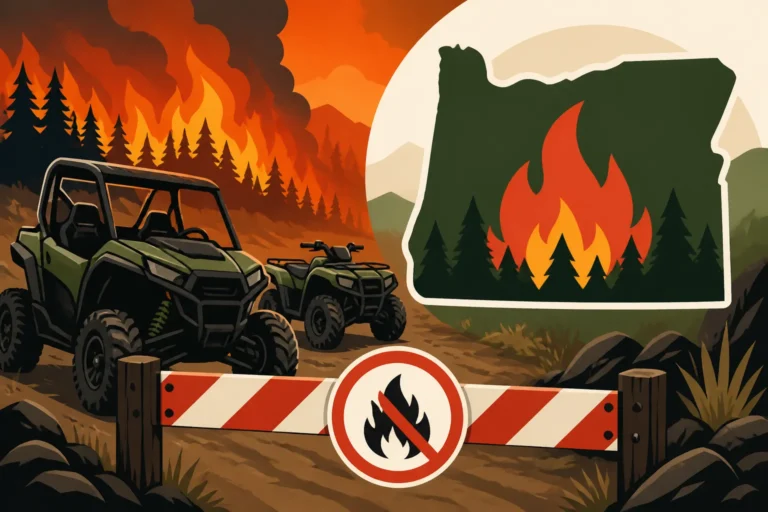
Before leaving home, check current information for the area and confirm that the route you intend to ride is open. Coastal dunes can have restrictions for habitat protection, weather, or other management reasons. Once on site, pay attention to signs, fences, and marked boundaries. A line on an old screenshot is not permission to cross a closure.
Also separate the different requirements involved in a ride. An ATV operating permit, any applicable rider safety-card requirement, and a site’s day-use or parking fee are not automatically the same thing. One does not necessarily cover the others. For a closer look at the staging-area fee question, read [Paying the Day Use Fee at a Staging Area]. For the broader setting, [The Oregon Dunes National Recreation Area] is a helpful starting point.
Sort out permits and documents before you arrive rather than trying to solve them while people wait behind your trailer. If you ride with visitors, a borrowed machine, or a rental, confirm what applies to that rider and vehicle before the trip. For rental-specific planning, [Oregon Rules for a Rented Machine] can help you prepare questions for the rental provider.
Pack for a coastal morning
A coastal ride can involve more than sand and sunshine. Fog, wind, damp gear, and gritty equipment can make a short outing feel uncomfortable if you are underprepared. Pack water, snacks, eye protection, gloves, and clothing that can handle a change in conditions. Bring basic recovery and repair items appropriate for your machine and experience, and keep small essentials secured so they do not disappear into sand.
Use a checklist that covers both the rider and the machine:
| Before you leave | At the staging area | Before riding |
|---|---|---|
| Check access and closure information | Park and unload without blocking traffic | Confirm helmets and protective gear fit |
| Confirm permits and any site fees | Keep loose items contained | Check flag, lights, tires, and controls |
| Tell someone where you plan to ride | Review the map and signs | Agree on a meeting point and turnaround plan |
| Pack water, food, and layers | Keep children and pets clear of moving machines | Make sure every rider understands the group plan |
If you use a navigation app such as onX Offroad, prepare your map before you lose reliable service and treat it as a planning aid rather than the final authority on access. Cross-check your route against current official information and signs at the site. onX Offroad can also help your group discuss a general meeting area before separating, but make sure everyone knows what to do if phones lose signal or batteries run low.
Riding thoughtfully from Goosepasture
Choose routes that suit your group
The best route for a quiet morning is not necessarily the longest or most challenging one. Start with terrain your least experienced rider can handle comfortably. Sand can feel deceptively manageable until a slope, soft patch, or sudden change in visibility creates pressure. Take time to watch the terrain and leave room to stop rather than charging toward the next crest simply because another rider did.
Keep your group together in a way that still leaves space between machines. Agree on simple signals and a place to regroup before you start. If someone wants to stop, gets separated, or has a mechanical issue, a shared plan helps prevent the rest of the group from riding farther away while trying to guess what happened.
Use onX Offroad or another map tool to discuss broad orientation, but do not assume a digital track is open or appropriate just because it appears on your screen. Be especially cautious when a route approaches a posted closure, a habitat boundary, or an area where visibility is limited. [Oregon Trail Maps Worth Carrying] offers useful planning context for riders who want more than a phone screen to rely on.
Share the dunes with other riders
A calm staging area can quickly become busy once riders return, unload, or cross paths. Keep speeds low around parked vehicles and people preparing to ride. Give other groups room to maneuver, and avoid stopping where you obstruct an access route or create a blind spot. Small choices at the staging area matter: a trailer left across a turning path can cause more frustration than a crowded trail.
On the dunes, assume another rider may appear beyond a ridge or around a change in terrain. Avoid cresting blindly at speed, and leave a generous gap when following. Dust and fog can make it harder to judge distance, so slow down when you cannot clearly see the route ahead. If you are riding with children or newer riders, set expectations before you move: no racing ahead, no disappearing over a ridge, and no pressure to keep up with the fastest machine.
Flags help make machines more visible in dune terrain. Check that yours is secure and visible before you head out, and replace or repair damaged equipment rather than hoping it will hold through the ride. [Oregon Dune Flags and Whips] covers this equipment in more detail. Responsible riding also means staying within designated riding areas and respecting restrictions intended to protect sensitive habitat.
Making the morning easier from start to finish
A simple arrival-to-ride routine
A little structure can prevent the rushed feeling that often turns a pleasant morning into a scramble. Use this sequence as a starting point, adjusting it to your group and the current site conditions:
- Check conditions before departure. Review access notices and restrictions, then confirm that the planned area suits your group.
- Arrive with enough time to prepare. Avoid unloading in a hurry or leaving a vehicle where it interferes with other visitors.
- Read posted information. Signs and current site instructions take priority over assumptions based on an earlier visit.
- Inspect the machines and gear. Check controls, tires, lights, flags, helmets, and anything else essential to safe operation.
- Set a group plan. Choose a meeting point, agree on signals, and decide what to do if someone becomes separated.
- Start conservatively. Let riders settle into the terrain and visibility before choosing more demanding routes.
- Reassess as conditions change. Turn around or take a break if fog, fatigue, mechanical trouble, or crowding changes the risk.
This routine does not need to feel formal. A family can do the checks while sharing breakfast at the trailer; a small group can take a few minutes to review the map and confirm that everyone has water. The point is to avoid discovering a missing item or an unclear plan after the group has already spread out.
If you are comparing Goosepasture with another launch area, [Riding Out of Spinreel Staging] offers another perspective on staging and riding from the coast. Comparing locations can help you choose a plan that fits your group, but always verify local access conditions separately.
Common frustrations and how to avoid them
Arriving without checking restrictions: A route or section may be unavailable, and older information can linger in saved maps or group messages. Check current notices before the trip and follow posted signs once you arrive.
Expecting a guaranteed quiet ride: Early arrival can help, but holidays, weekends, weather, and seasonal patterns all affect use. Treat quiet as a possibility, not a promise. Have another plan if the staging area is busier than expected.
Relying only on a phone: Service can be unreliable in remote areas, and batteries may drain faster in cold or damp conditions. Download or save useful information beforehand where possible, bring a backup plan, and make sure the group can navigate back to the staging area without relying on one person’s device. Even when using onX Offroad, check signs and official information rather than treating the app as permission to ride a route.
Following a faster group: Their pace, experience, or route may not suit your riders. Choose terrain based on the least experienced person in your party and stop when needed. A relaxed ride is better than a stressful attempt to keep up.
Leaving gear exposed to sand and salt air: Coastal grit can work its way into belongings and equipment. Secure loose items, close bags, and plan to clean and inspect your machine after the ride. For more on coastal conditions and preparation, [Salt Air and Your Machine] is a practical follow-up.
Leave the staging area ready for the next visit
When you return, slow down around parked vehicles and people loading trailers. Check that everyone in your group is accounted for before packing up, and look over your machine for damage or items that need attention. Sand and moisture can hide problems until later, so a quick inspection is worthwhile before driving away.
Pack out everything you brought, including food wrappers and small pieces of broken equipment. Keep the staging area usable for other riders by avoiding unnecessary congestion and following posted parking instructions. If the morning was unusually quiet, resist the temptation to assume that the same conditions or access will apply on your next trip. Recheck closures and site guidance each time.
Goosepasture is best approached with a flexible plan: prepare before arrival, ride within your group’s abilities, and adapt to visibility, crowds, and posted restrictions. That makes it easier to enjoy a peaceful start without treating “quiet” as a guarantee or letting a good morning turn into a rushed one.
Disclaimer
This article is for general informational purposes only and does not constitute professional advice. Laws, prices and regulations vary by location and change over time. Consult a qualified professional for guidance on your specific situation.