Handlebars Versus a Steering Wheel
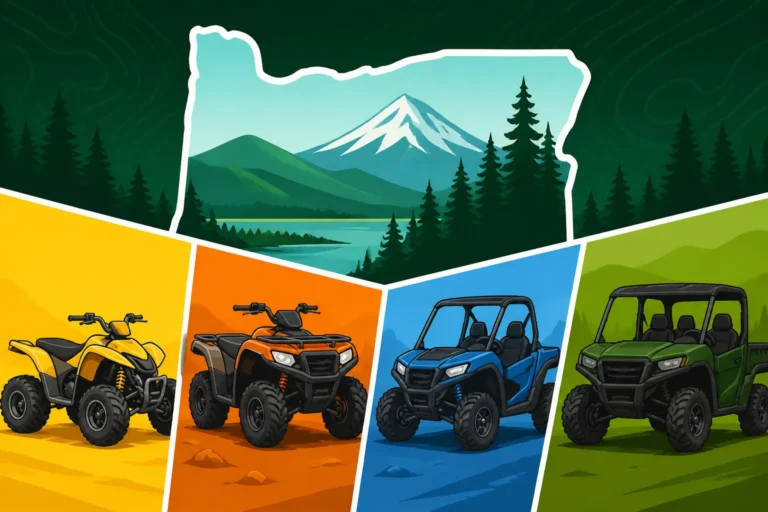
It's incredibly common to feel a bit lost in the weeds when trying to understand Oregon's rules for off-road vehicles, especially when the very design of your machine dictates how it's categorized. That basic difference between handlebars and a steering wheel can cause a lot of head-scratching and confusion about permits and titling. This comprehensive guide will untangle the specifics, explaining how these control types define your machine under Oregon law and what that means for you as a rider.
Oregon's Classification System: Why Controls Matter
Navigating the world of off-highway vehicles (OHVs) in Oregon can feel like learning a whole new language, especially when the state has its own unique ways of classifying machines. It’s not just about what your ride looks like or how powerful it is; often, it comes down to very specific design elements, with the control mechanism – whether it has handlebars or a steering wheel – being a huge differentiator. This isn't just a casual observation; it's a legal distinction that influences everything from the type of permit you need to how you might (or might not) title your machine. Many riders assume "an ATV is an ATV," but Oregon's system is far more nuanced, and misunderstanding it can lead to frustration or even citations out on the trails.
The Core Difference: Handlebars vs. Steering Wheels
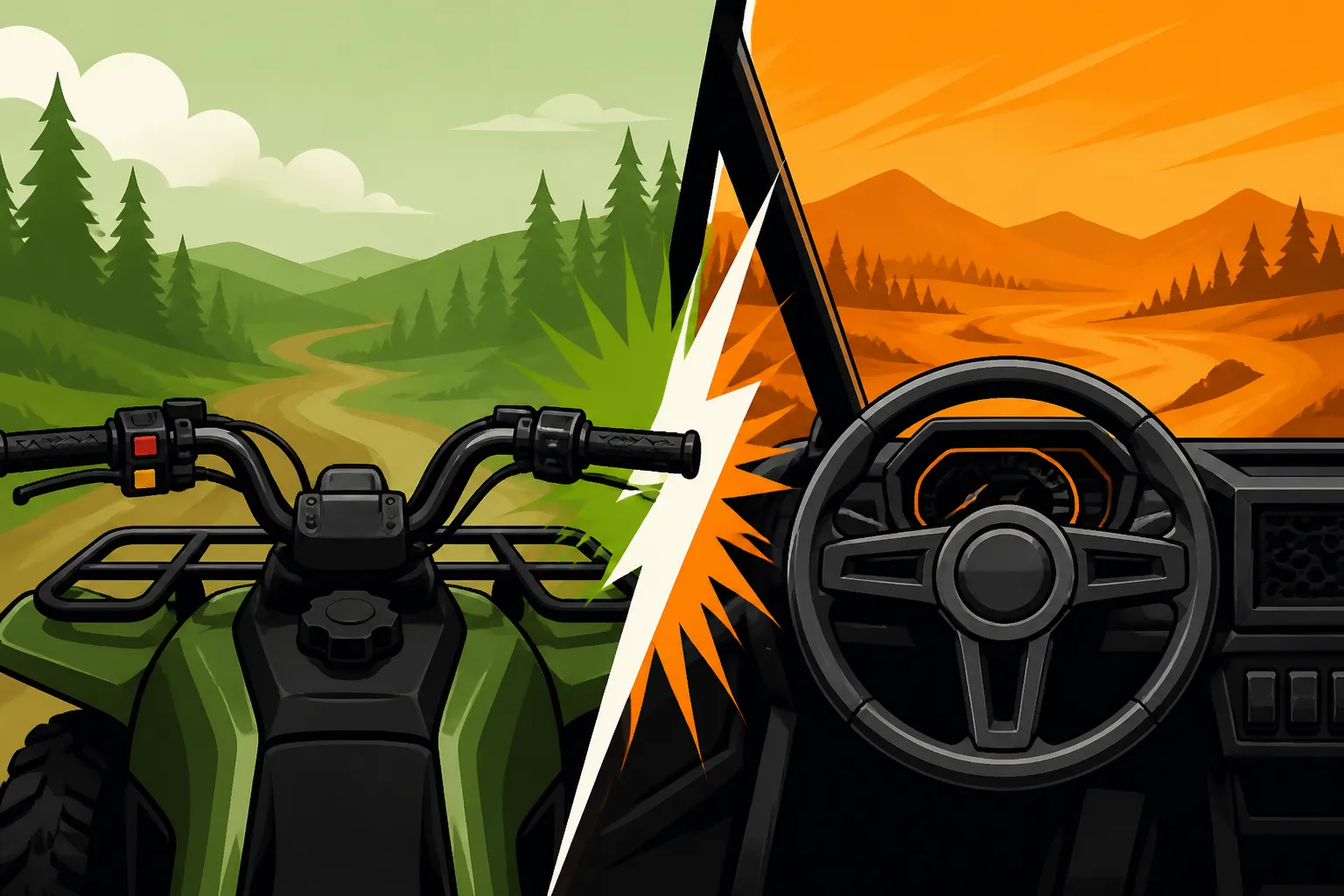
You might think that the choice between handlebars and a steering wheel is purely about rider preference or the manufacturer's design. And while those factors certainly play a role, in Oregon, this distinction forms the very foundation of how off-highway vehicles are legally defined. For the Oregon Parks and Recreation Department (OPRD), which oversees OHV programs, the type of control system is a primary characteristic for sorting machines into their respective classes. This critical detail helps state agencies and law enforcement understand what kind of vehicle they're dealing with, ensuring that the right rules and regulations are applied. Without clear definitions, managing the diverse fleet of machines that hit our trails, dunes, and forest roads would be a chaotic mess.
This legal distinction helps OPRD manage the various OHV programs, from safety education to trail maintenance funding. For you, the rider, it means understanding which "box" your machine fits into is the first step toward compliance. For instance, a traditional quad with handlebars is handled differently than a side-by-side with a steering wheel, even if both might tackle the same challenging terrain. This foundational difference impacts how you interpret everything else, from [Oregon's Four ATV Classes Explained] to specific requirements for youth riders. It's truly the starting point for understanding your machine's legal identity in Oregon.
Beyond Controls: Other Defining Characteristics
While handlebars versus a steering wheel is a huge factor, Oregon’s classification system looks at a few other key characteristics to fully define an OHV. These additional details are important because they further refine the category your machine falls into, influencing everything from where you can ride to specific safety gear requirements. It's not uncommon for a rider to focus solely on one aspect, like the engine size, and miss other crucial elements that actually define their vehicle's class. This holistic approach helps ensure that vehicles are properly categorized for safety, environmental protection, and equitable management of public lands.
Other critical defining characteristics include the vehicle’s width, its dry weight, and the seating arrangement. For example, some classes have specific width limits, like [The 50-Inch Limit That Defines a Class I], which is a significant factor alongside the handlebar requirement. Seating is another big one: does the operator straddle a seat, or do they sit in a bucket or bench seat? These elements, when combined with the control type, paint a complete picture for classification. Understanding all these nuances is crucial for any OHV owner in Oregon, as they directly impact permitting and titling. For instance, while titling is generally optional for many off-road vehicles in Oregon, the class of your machine, determined by these characteristics, still matters for an operating permit.
Class I ATVs: The Handlebar Realm
When most people picture an ATV, they’re probably thinking of a Class I machine. These are the workhorses of the off-road world, designed for a specific kind of riding experience that centers around direct rider control and agility. In Oregon, the definition of a Class I ATV is quite precise, and the presence of handlebars is one of its most defining features. If your machine is a traditional "quad" or "four-wheeler" where you straddle a seat like a motorcycle and steer with handlebars, you're almost certainly riding a Class I ATV.
What Defines a Class I Machine
The legal definition in Oregon clearly states that a Class I all-terrain vehicle is designed for use off-highway, is 50 inches or less in width, has a dry weight of 1,200 pounds or less, travels on three or more tires, and is designed to be ridden by an operator straddling a seat and steering with handlebars. That "straddling a seat and steering with handlebars" part is absolutely critical. It’s what fundamentally separates these machines from their side-by-side cousins. If you own a Honda Rancher, a Yamaha Raptor, or a Polaris Sportsman, you're likely in the Class I category. These machines offer a very direct connection between the rider and the terrain, allowing for dynamic weight shifting and a more active riding style.
This precise definition ensures that these vehicles are treated consistently under state regulations. It directly influences how they are permitted, what safety education is required for riders (especially youth), and even where they might be allowed to operate. For instance, some tighter trails are specifically designed for machines that meet the [The 50-Inch Limit That Defines a Class I]. Knowing you fit into [Oregon's Class I Under ORS 801.190] is the first step to ensuring you're compliant with all the state's OHV rules. It means you understand the machine you're operating from a regulatory perspective, which can save you a lot of hassle down the road, literally.
Titling and Permitting a Handlebar Machine
One of the unique aspects of owning an off-road vehicle in Oregon, including Class I ATVs, is that [Titling an ATV in Oregon Is Optional]. This can come as a surprise to many, especially if you're used to titling every motorized vehicle you own. While a title isn't legally required for operation, many owners still opt to get one for practical reasons. A title serves as undeniable proof of ownership, which can be invaluable if your machine is ever stolen, or if you decide to sell it down the line. Without a title, proving ownership can become a complicated affair, often relying solely on a bill of sale.
Even if you choose not to title your Class I ATV, you absolutely must obtain an [Oregon's ATV Operating Permit] if you plan to ride on any public land in Oregon. This permit is entirely separate from titling and is a mandatory requirement. The permit funds critical programs that maintain trails and riding areas, so it's essential for all riders. When you purchase or sell a Class I ATV, even without a title, it's wise to use a detailed bill of sale. Services like LawDepot can provide excellent templates for these documents, helping both buyer and seller clearly establish the terms of the transaction and avoid future disputes, especially since a state title isn't mandatory proof of ownership. This ensures that even though titling is optional, you still have clear documentation of your machine's lineage.
Class IV Side-by-Sides: The Steering Wheel Domain
Moving from the handlebar-controlled world of Class I ATVs, we enter the domain of Class IV machines, commonly known as side-by-sides or UTVs. These vehicles offer a fundamentally different riding experience, often more akin to a small car with their bench or bucket seating and, critically, a steering wheel. This distinction isn't just about comfort; it's a key legal identifier that places these machines in a separate category with its own set of considerations for riders in Oregon. As these machines have grown in popularity, understanding their specific classification has become even more important for compliance and enjoyment.
Characteristics of a Class IV Machine
Oregon defines a Class IV off-highway vehicle as one designed for use off-highway, equipped with a roll bar or an enclosed passenger compartment, designed to be operated by a steering wheel and seating for the operator and one or more passengers, and a dry weight of 3,500 pounds or less. Unlike Class I ATVs, which require the operator to straddle the machine, Class IV vehicles typically feature bucket seats or a bench seat, allowing occupants to sit side-by-side, much like in a car. The steering wheel, of course, is the most obvious visual cue that you're looking at a Class IV machine. This design promotes a more social riding experience, allowing passengers to join the adventure comfortably.
Most modern UTVs and side-by-sides from manufacturers like Polaris, Can-Am, or Yamaha fit squarely into this category. These machines are often wider than their Class I counterparts, with many exceeding the 50-inch limit, though they are generally capped at 75 inches in width for the Class IV designation, as detailed in [Oregon's Class IV Side-by-Sides Under 75 Inches]. The steering wheel, coupled with the seating arrangement, defines the fundamental operational difference from Class I ATVs. This distinction is vital because it influences everything from specific safety recommendations to how the vehicle interacts with certain trail systems or access points where width restrictions might be in place.
Titling and Permitting a Steering Wheel Machine
Just like Class I ATVs, [Titling an ATV in Oregon Is Optional] for Class IV side-by-sides. This means you aren't legally required to get a title from the state to own and operate your side-by-side off-highway. However, the same strong advice applies: obtaining a title, even if optional, provides official documentation of your ownership. This can be incredibly useful for future sales, inheritance, or if your machine is ever involved in a theft or insurance claim. Without a title, a comprehensive bill of sale becomes your primary proof of ownership, making a clear, well-documented transaction even more critical.
Regardless of whether you choose to title your Class IV machine, you absolutely must secure an [Oregon ATV Permit for a Side-by-Side] before riding it on public lands in Oregon. This operating permit is non-negotiable and helps fund the maintenance and management of our beloved OHV trails and riding areas. When you're buying or selling a side-by-side, especially without a title, ensuring you have a solid [Oregon Bill of Sale for an ATV] is paramount. Platforms like LawDepot offer legally sound templates that can help you draft a clear and comprehensive document, protecting both parties in the transaction. This ensures that even in the absence of a mandatory title, there's a strong, legally recognized record of the machine's ownership history.
Practical Implications and Avoiding Confusion
Understanding the nuances between handlebar-controlled and steering wheel-controlled machines in Oregon isn't just about memorizing definitions; it has very real, practical implications for every rider. The state's classification system impacts everything from the type of safety education required to potential penalties for non-compliance. Getting it right ensures a smoother, safer, and more enjoyable experience on Oregon's incredible trails and dunes, while getting it wrong can quickly lead to unexpected headaches and costs.
Why Correct Classification Matters for Riders
The most immediate reason correct classification matters is simple: compliance. Riding a machine that's misclassified, or failing to understand the rules specific to your machine's class, can lead to [Oregon Fines for Riding Without a Permit] or other violations. For instance, while most rules apply broadly to all OHVs, there can be subtle differences in how certain areas are managed or what specific safety gear is recommended or required for different vehicle types. An inspector at a staging area like Spinreel or Browns Camp will confirm that your machine has the correct permit decal and that its classification aligns with its physical attributes.
Furthermore, correct classification is often linked to safety education requirements. While most adult riders can take an online safety course, understanding the specific class helps determine if there are additional requirements, especially for youth riders or those using an instructional permit. Incorrectly identifying your machine could mean you miss out on vital safety information or assume rules apply that do not, or vice versa. This is about more than just paperwork; it’s about ensuring you and your passengers are as safe as possible while enjoying the outdoors.
What to Do If You're Unsure
Given the complexities, it’s completely understandable if you're still a bit unsure about your machine's exact classification. The best course of action is always to consult official resources. The Oregon Parks and Recreation Department's (OPRD) website is the definitive source for all OHV regulations and classifications. They provide detailed definitions and often have FAQs that address common areas of confusion. Taking the time to double-check their official guidelines can save you a lot of trouble later. Remember, ignorance of the law is rarely an excuse.
If you're buying a used machine, especially from a private seller, pay close attention to the details. A thorough bill of sale is crucial, detailing the make, model, VIN, and explicit agreement on the vehicle type. A resource like LawDepot can help you create a robust bill of sale that clearly outlines these details, which can be invaluable for future reference. Always perform your due diligence, including [Checking a VIN Before Buying Used], to ensure you're getting what you expect and that the machine isn't stolen or misrepresented. Ultimately, understanding [Which Oregon ATV Class Your Machine Falls Into] is your responsibility, and taking these proactive steps ensures you're a responsible and compliant rider.
Class Comparison: Handlebars vs. Steering Wheel
To help clarify the core differences we've discussed, here's a quick comparison of Oregon's Class I and Class IV OHVs:
| Feature | Oregon Class I (ATV) | Oregon Class IV (Side-by-Side/UTV) |
|---|---|---|
| Control Type | Handlebars | Steering Wheel |
| Seating | Straddle seat (like a motorcycle) | Bench or bucket seats (non-straddle) |
| Primary Design | Operator sits astride the machine | Operator and passengers sit side-by-side or behind each other |
| Width Limit | 50 inches or less | Typically > 50 inches, up to 75 inches |
| Dry Weight | 1,200 pounds or less | 3,500 pounds or less |
| Passenger Count | Typically one operator, sometimes designed for one passenger | Operator and one or more passengers |
| Common Examples | Traditional four-wheelers, quads | UTVs, Side-by-sides, recreational off-road vehicles (ROVs) |
| Titling in OR | Optional | Optional |
| Permitting in OR | Mandatory for public land use | Mandatory for public land use |
Disclaimer
This article is for general informational purposes only and does not constitute professional advice. Laws, prices and regulations vary by location and change over time. Consult a qualified professional for guidance on your specific situation.