Mandatory Insurance on Every Oregon Class II
It can be incredibly confusing to navigate the ins and outs of off-highway vehicle (OHV) regulations in Oregon, especially when it comes to things like permits, titles, and, yes, insurance. Many riders are surprised to learn that unlike Class I quads or Class IV side-by-sides, Class II machines have a specific, mandatory insurance requirement if they're going to touch public roads. This guide aims to clear up that confusion, explaining why this rule exists, what kind of coverage you'll need, and how to make sure you're legally protected.
What Exactly is an Oregon Class II Machine?
Before we dive into the insurance specifics, let's nail down what Oregon actually defines as a Class II OHV. This is where a lot of the confusion starts, because these aren't your typical factory-built quads or dirt bikes. Understanding this classification is key to knowing if you even need to worry about the mandatory insurance rule.
The Defining Characteristics
Oregon's statutes lay out very specific definitions for each OHV class, and Class II is often the one that catches people off guard. Essentially, a Class II machine is designed for use over unimproved terrain and usually weighs more than 800 pounds. Unlike a Class I ATV (which is less than 50 inches wide and has handlebars, a seat designed to be straddled, and no more than three or four wheels), a Class II machine often features a steering wheel and bucket seats, much like a traditional car. Think dune buggies, sand rails, and certain larger, purpose-built or highly modified utility vehicles that don't fit into other categories. [Oregon's Class II Under ORS 801.193] These vehicles often have a more substantial frame and engine, setting them apart from the lighter, nimbler machines in other classes. They're built for power and stability, which can contribute to their higher weight and unique operational characteristics.
These aren't your run-of-the-mill machines you pick up at the local dealership, ready to hit the trails without a second thought. Many Class II vehicles are custom-built, older modified Jeeps, or purpose-built sand machines. Their design often means they have a wider stance and a heavier dry weight, contributing to their robustness but also to the specific regulatory scrutiny they receive when it comes to road use. It's this blend of off-road capability and potential for road interaction that places them in a unique category, requiring different considerations from riders and regulators alike. You might see a beautifully crafted sand rail, gleaming under the sun at the Oregon Dunes, and it's likely a Class II machine.
Where Class II Machines Can Legally Operate
Here's the crucial distinction for Class II vehicles: while primarily off-road, they are the only class of OHV that can potentially be registered for limited street use in Oregon. This isn't a blanket permission to drive them on all public highways like a regular car, but rather, they can be equipped and registered to operate on specific designated routes or for crossing public roads. [Registering a Street-Legal Class II in Oregon] This capability to legally interact with public roads is precisely what triggers the mandatory insurance requirement. The moment your Class II machine might share asphalt with passenger cars, the state wants assurances that you're financially responsible in case of an incident.
Consider the designated ATV highway access routes in towns like Lakeside or Sumpter. These are specific, limited sections where OHVs, including legal Class II machines, can legally traverse public streets to connect trail systems or access services. [Oregon's ATV Highway Access Routes] It’s not about cruising down I-5; it’s about making essential connections or enjoying a very specific, approved experience. Without the proper insurance, taking advantage of these limited road access opportunities with your Class II machine would be a serious violation. This balance between off-road adventure and regulated road interaction is what makes Class II machines unique and, consequently, subject to this specific insurance rule.
Why Oregon Requires Insurance for Class II Machines
The idea of mandatory insurance for off-highway vehicles might seem odd at first glance, especially when other OHV classes don't have the same requirement for off-road use. However, Oregon's legislature has a very clear and understandable rationale behind this rule for Class II machines, primarily centered around public safety and financial responsibility.
Mitigating Risk on Public Roads
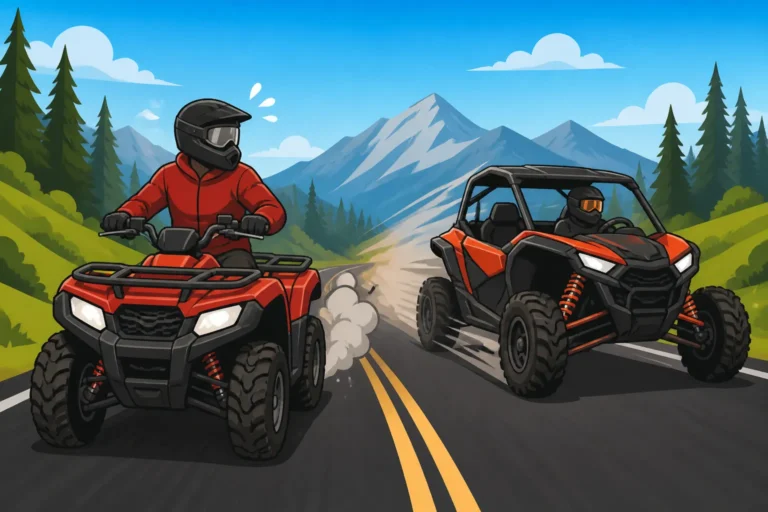
The core reason Oregon mandates insurance for Class II machines that operate on public roads is to mitigate the inherent risks associated with these unique vehicles sharing space with traditional traffic. Think about it: a dune buggy or a heavily modified UTV, while exhilarating off-road, handles very differently than a sedan or a pickup truck on pavement. These machines can be heavier, wider, and often lack the same safety features or visibility as standard road vehicles. When a Class II machine, which might be louder, less enclosed, and handle differently in traffic conditions, moves from the dirt onto a paved street, the potential for an accident involving other vehicles, pedestrians, or property dramatically increases.
Imagine navigating a busy intersection or a curvy county road in your Class II machine. The "what if" scenarios involve not just damage to your own vehicle, but potential serious injuries to occupants of other vehicles, or significant damage to someone's property. Oregon's lawmakers recognized that because Class II machines have this unique privilege of limited road access, the state has a responsibility to protect its citizens and ensure that if an unfortunate incident occurs, the at-fault party has the financial means to cover the damages. It's about ensuring financial accountability for all road users, regardless of what they're driving.
The Role of Mandatory Liability Coverage
The specific type of insurance Oregon requires for Class II machines on public roads is liability coverage. This is a fundamental principle of motor vehicle insurance, designed to protect others from damage or injuries you might cause. It's not about covering the cost to repair your own beloved sand rail if you roll it on a trail. Instead, it's about ensuring that if you cause an accident – whether it's a fender bender with another car or an injury to a pedestrian – the injured parties can be compensated without having to sue you personally for every dime.
This aligns perfectly with how insurance works for any other vehicle on the road. Just as you need liability insurance for your car, Oregon requires it for Class II machines because they are operating in the same domain. The state wants to protect its residents from bearing the financial burden of an accident caused by an uninsured OHV operator. [Oregon Insurance Requirements for Class II] Without this mandatory coverage, a serious accident could lead to devastating financial consequences for both the at-fault rider and the injured party, potentially leading to lawsuits that could strip away personal assets. It's a critical safety net that ensures a degree of financial protection for everyone sharing Oregon's roads.
What Oregon's Mandatory Class II Insurance Entails
So, you understand why you need insurance for your Class II machine if it's hitting Oregon's roads. Now, let's talk about what that insurance actually means in terms of coverage. It’s not just about having a policy; it’s about having the right policy with sufficient protection.
Minimum Coverage Requirements
Just like with any other motor vehicle, Oregon has minimum liability coverage requirements that you must meet for your Class II machine to be legal on public roads. These requirements typically specify a certain dollar amount for bodily injury liability per person, bodily injury liability per accident, and property damage liability. It's crucial to understand these figures because they represent the maximum your insurance company will pay out for a covered accident you cause. If the damages exceed these limits, you, the policyholder, are personally responsible for the remainder.
It's easy to look at the minimums and think, "That's good enough." However, in today's world of escalating medical costs and vehicle repair expenses, those minimums can quickly be exhausted in a serious accident. Imagine a scenario where your Class II machine is involved in an incident with another vehicle, resulting in significant injuries and extensive damage. If your liability coverage only meets the state's bare minimums, you could very quickly find yourself personally liable for tens of thousands, or even hundreds of thousands, of dollars. It’s a sobering thought, but one that every Class II owner must consider seriously before hitting the pavement.
Beyond the Basics: Recommended Additional Coverages
While minimum liability is mandatory, it's really just the starting point. Most experienced riders and insurance professionals will strongly recommend carrying additional coverages to truly protect yourself and your investment. These extra layers of protection can provide invaluable peace of mind when you're out enjoying your Class II machine, whether on the road or off.
Consider adding comprehensive and collision coverage. Collision coverage helps pay for damage to your own Class II machine if it's involved in a collision, regardless of who is at fault. Comprehensive coverage, on the other hand, protects against non-collision incidents like theft, vandalism, fire, or even hitting an animal. For many Class II owners, these machines represent a significant investment, often with custom parts and modifications. Companies like SuperATV offer a huge range of aftermarket parts, from upgraded suspension to roll cages and winches, that enhance both performance and safety. Ensuring these custom parts are covered is critical, and many policies offer specific endorsements for custom equipment. Without these, your policy might only cover the value of a stock machine, leaving you significantly out of pocket if your customized components are damaged or stolen. Adding uninsured/underinsured motorist coverage is also a smart move. This protects you if you're involved in an accident with someone who doesn't have insurance or whose insurance isn't enough to cover your damages. It’s an unfortunate reality that not everyone on the road is adequately insured, and this coverage acts as your personal shield against that risk.
Navigating the Insurance Market for Your Class II
Finding the right insurance for your Oregon Class II machine can feel a bit like searching for a needle in a haystack. These aren't standard vehicles, and not every insurance provider is equipped to handle them. However, with a little persistence and knowing what to look for, you can secure the comprehensive coverage you need.
Finding the Right Provider
The biggest challenge for Class II owners is that many mainstream auto insurance companies simply don't have a good understanding of OHVs, especially the unique nuances of vehicles like dune buggies or sand rails. You might find yourself hitting roadblocks or receiving sky-high quotes from companies that are unsure how to classify your machine. The best approach is to seek out insurance providers who specialize in recreational vehicles, powersports, or even custom vehicles. These companies are typically more familiar with the risks and specific needs of OHV owners and can offer more tailored policies and competitive rates.
When you're shopping around, don't just focus on the premium. Dig into the details of each quote: what are the deductibles, what are the exact coverage limits, and are there any specific exclusions for off-road use or certain types of modifications? It's essential to be completely transparent with your insurance agent about how and where you intend to use your Class II machine. If you plan on any limited road use, make that very clear. Misrepresenting your usage could lead to a denied claim down the line, which would be a devastating outcome. Always ask about discounts for safety features, rider training, or bundling with other policies.
What Information You'll Need
When you contact insurance providers, being prepared with the right information will streamline the quoting process and help ensure you get an accurate policy. You'll need the standard details like the vehicle identification number (VIN), make, model, and year of your Class II machine. This allows the insurer to properly identify and value your vehicle.
Beyond the basics, be ready to provide extensive details about any modifications or custom parts you've installed. This is particularly important for Class II machines, which are often heavily customized. If you've upgraded your suspension, added a custom roll cage, installed a performance engine, or outfitted your machine with accessories from a reputable brand like SuperATV, your insurance provider needs to know about these investments. These upgrades can significantly increase the value of your vehicle, and you'll want to ensure they are adequately covered in case of damage or theft. Additionally, insurers will ask about your driving record, any past claims, and your riding experience. They'll also typically inquire about where the machine is stored (e.g., in a locked garage versus an open carport) and the primary areas where you intend to use it. Providing a complete and honest picture will help secure a policy that truly protects you and your unique Class II machine.
The Consequences of Riding Without Proper Insurance
Ignoring Oregon's mandatory insurance requirement for your Class II machine when operating it on public roads is not just a minor oversight; it carries significant legal and financial repercussions. It's a risk that simply isn't worth taking, as the potential consequences far outweigh the cost of a policy.
Fines and Penalties
If you're caught operating your Class II machine on a designated Oregon road without the required liability insurance, you're looking at a serious traffic violation. This isn't like forgetting your off-road permit decal in the mud; it's a violation that carries much weightier penalties. You could face substantial fines, which often increase with subsequent offenses. Beyond the monetary hit, your machine could be impounded, leaving you stranded and incurring additional towing and storage fees. Imagine having your prized dune buggy towed away from a staging area because you didn't have the right paperwork.
Furthermore, driving without insurance can impact your driving record, potentially leading to points, license suspension, or significantly higher insurance premiums in the future for all your vehicles. [Oregon Fines for Riding Without a Permit] While that article focuses on permits, the spirit of the enforcement and the financial penalties for traffic violations are similar. Law enforcement officers, whether a state trooper or a county sheriff, are looking for compliance with all vehicle laws when you're on public roads. It's a clear cut violation that they won't hesitate to enforce, not only for your safety but for the safety of everyone else on the road.
Financial Liability in an Accident
Perhaps the most devastating consequence of riding without proper Class II insurance is the financial liability you'd face if you cause an accident on a public road. Without liability insurance, you are personally responsible for all damages and injuries you inflict on others. This isn't just a hypothetical; it's a very real threat to your financial well-being. A serious accident could easily lead to hundreds of thousands of dollars in medical bills, vehicle repair costs, lost wages for injured parties, and pain and suffering settlements.
If you don't have the insurance to cover these costs, the injured parties can (and likely will) sue you. This could result in a court judgment against you, potentially leading to the garnishment of your wages, the seizure of your personal assets (including your home, savings, and even future earnings), and a wrecked credit score for years to come. The long-term financial devastation can be immense, far outweighing the annual cost of an insurance policy. It's a stark reminder that the insurance isn't just a hoop to jump through; it's a critical shield that protects your entire financial future from a moment of unfortunate bad luck.
Oregon ATV Class Overview & Insurance Needs
To help clarify the distinctions between Oregon's OHV classes and their respective insurance requirements, here's a handy overview:
| Class Designation | Common Machine Examples | Primary Use | Width/Weight Considerations | Mandatory Permit | Mandatory Insurance (for road use) |
|---|---|---|---|---|---|
| Class I | Quads, ATVs, 3-Wheelers | Off-road (trails, dunes) | Under 50 inches wide, less than 800 lbs dry weight (typically) | Yes | No |
| Class II | Dune Buggies, Sand Rails, Street-Legal UTVs, Modified Jeeps/Trucks | Off-road & Limited Road Access | Varies, often heavier than 800 lbs dry weight, can be street-legal | Yes | YES |
| Class III | Off-Road Motorcycles, Dirt Bikes, Enduro Bikes | Off-road (trails) | Two wheels | Yes | No |
| Class IV | Side-by-Sides (UTVs) | Off-road (trails, dunes) | Over 50 inches wide, up to 3,500 lbs dry weight (typically) | Yes | No |
Disclaimer
This article is for general informational purposes only and does not constitute professional advice. Laws, prices and regulations vary by location and change over time. Consult a qualified professional for guidance on your specific situation.