Oregon Helmets for Every Rider Under 18
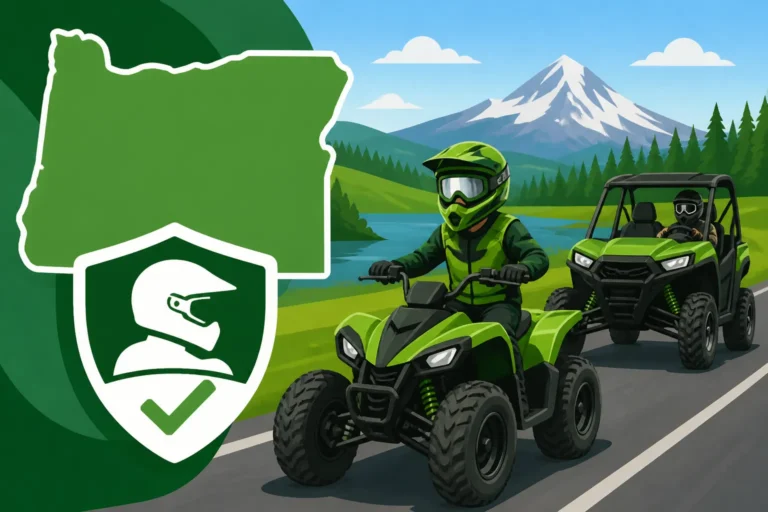
It can be incredibly confusing to keep track of all the rules when you're preparing to hit Oregon's incredible trails or dunes with younger riders. One of the most critical, and sometimes overlooked, regulations is the mandatory helmet law for anyone under 18. This guide is here to untangle those rules, explain exactly what's required, and help you ensure every young rider in your group stays safe and legal, giving you peace of mind as you explore the Beaver State's diverse off-road landscape.
The Non-Negotiable Rule: Helmets for Every Young Rider
When it comes to enjoying Oregon's fantastic ATV and UTV opportunities, whether you're tackling the sandy expanses of the Oregon Dunes or navigating the wooded trails of the Tillamook State Forest, safety is paramount. And for anyone under the age of 18, there's one piece of safety gear that isn't optional: a helmet. This isn't just a recommendation; it's a hard-and-fast rule designed to protect our most vulnerable riders. It's easy to think that if your machine has a roll cage, or if you're just on a private logging road, the rule might bend, but for minors, it really doesn't.
Oregon's laws are very clear on this point. If a rider or passenger is under 18 years of age, they must wear an approved helmet when operating or riding as a passenger on any Class I, II, III, or IV ATV, side-by-side, or dirt bike. This applies regardless of whether you're on public land, designated OHV parks, or even many private properties open to the public. The spirit of the law is simple: protect young heads from potential impacts, whether from a rollover, a collision, or simply losing control on a challenging section of trail. It's a foundational safety requirement that parents and guardians need to be acutely aware of before any ride begins.
Understanding Oregon's Age Threshold
The "under 18" threshold is exactly what it sounds like. On the day a person turns 18, they are considered an adult under this specific law. Until that birthday, even if they are 17 years and 364 days old, they fall under the minor rider regulations. This means no exceptions for a "nearly adult" teenager who feels experienced enough to skip the helmet. It's an absolute cutoff, removing any ambiguity for law enforcement and land managers. When in doubt, always err on the side of caution and ensure a helmet is worn.
This specific age threshold also interacts with other aspects of Oregon's off-road vehicle laws, such as the requirement for an [Oregon ATV Safety Education Card]. While adults are generally exempt from the helmet rule on Class I, III, and IV machines when they have a roof and roll bar, this exemption does not apply to anyone under 18. They still need that helmet securely fastened. It's important to understand that these age-based rules are designed to create a consistent, protective environment for young people, even if it feels a bit restrictive to a seasoned teenager.
Why This Rule Exists: Safety First
The primary reason Oregon enforces a mandatory helmet law for riders under 18 is, quite simply, safety. Statistics from around the country consistently show that head injuries are a leading cause of severe injury and fatality in ATV and UTV accidents. Children and teenagers, due to their developing bodies, smaller stature, and sometimes less developed judgment, are particularly susceptible to these types of injuries. A helmet provides a critical layer of protection, absorbing impact forces and significantly reducing the risk of concussion, skull fractures, and other traumatic brain injuries.
Beyond the immediate physical protection, the rule also fosters a culture of safety from a young age. By making helmets mandatory for minors, it instills the habit of wearing protective gear as a fundamental part of the riding experience. This can lead to safer riding habits throughout their lives. While nobody wants to think about accidents, they can happen to anyone, anywhere, and providing that essential head protection for younger riders is a basic responsibility for anyone who takes them out on the trails. It's a small inconvenience for a potentially life-saving benefit.
What Kind of Helmet Does Oregon Mandate?
It's not enough to simply wear a helmet; Oregon law specifies that the helmet must meet certain safety standards. This ensures that the protective gear actually does its job in the event of an impact. You can't just throw on a bicycle helmet or a construction hard hat and call it good. The law is looking for helmets designed and tested specifically for the types of impacts common in off-road vehicle use, which are often different and more severe than what other types of helmets are built to withstand.
Understanding these standards can seem a little technical, but it's crucial for ensuring proper protection. After all, if the helmet isn't up to par, it offers a false sense of security. Oregon's requirements generally align with national safety standards, meaning that most helmets purchased from reputable ATV/UTV retailers will meet the grade. However, it's always worth double-checking the labels and ensuring your helmet is compliant, especially if you're buying used or from an unfamiliar source.
DOT and Snell Standards Explained
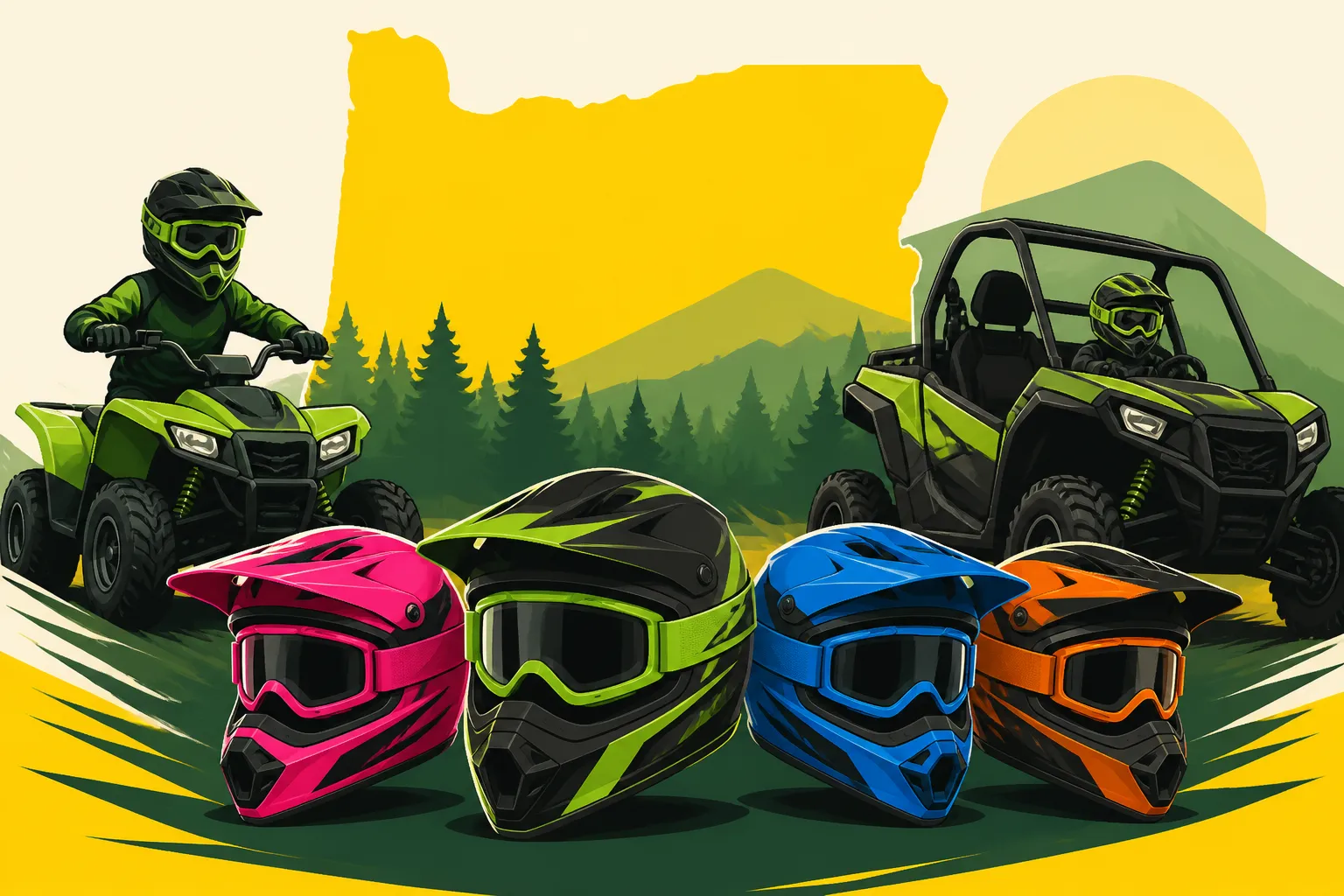
Oregon requires helmets to meet either the standards set by the U.S. Department of Transportation (DOT) or the Snell Memorial Foundation (Snell). Both are widely recognized benchmarks for helmet safety. A helmet that meets DOT standards will have a sticker on the back, usually white, stating "DOT FMVSS No. 218 Certified." This certification indicates the helmet has passed specific tests for impact attenuation, penetration resistance, and retention system effectiveness. DOT standards are the minimum legal requirement for helmets used on public roads in many places, and they're recognized as the minimum for off-road use in Oregon for young riders.
Snell certification, on the other hand, is generally considered a more rigorous and voluntary standard. Snell tests helmets for even higher levels of impact and penetration resistance, often exceeding DOT requirements. Helmets certified by Snell will have a Snell sticker inside, usually listing a specific standard like "Snell M2020" (for motorcycle use) or "Snell SA2020" (for auto racing). While a Snell-certified helmet certainly meets Oregon's requirements for minors, and often offers an even higher level of protection, it's important to remember that a DOT-certified helmet is perfectly legal and safe. When choosing a helmet for your young rider, checking for these [DOT and Snell Helmets in Oregon] certifications is your first step.
The Importance of a Properly Secured Chin Strap
A helmet is only effective if it stays on the rider's head during an impact. This is where the chin strap comes in. Oregon law, like common sense, emphasizes that the helmet must be worn and fastened securely. An unbuckled or loosely fastened chin strap means the helmet can easily come off during a crash, rendering it useless. Imagine a young rider taking a tumble, and their helmet slides off just before their head hits the ground – it defeats the entire purpose of wearing it.
Parents and guardians play a vital role in ensuring that the chin strap is not only fastened but also snug enough to prevent the helmet from shifting or coming off. A good rule of thumb is that you should only be able to fit one or two fingers comfortably between the strap and the rider's chin. It shouldn't be so tight as to cause discomfort, but it definitely shouldn't be loose enough to flap in the wind or allow the helmet to rotate freely on the head. Always check this before every ride, even if the rider says they've got it. It's a simple, quick check that could make all the difference. This is a key part of [The Chin Strap Rule Oregon Enforces].
Exemptions and Real-World Scenarios
While the rule for minors to wear helmets is incredibly broad, there are specific situations and types of machines that sometimes cause confusion. People often wonder if certain vehicle designs, like a side-by-side with a roof, or riding on private land, changes the requirement. It's easy to get caught up in the details, but remember the overarching principle: for anyone under 18, a helmet is almost always required in Oregon. Let's look at some common questions and scenarios.
The aim here is not to find loopholes but to clarify the law's application so that every family can ride safely and legally. Oregon's rules are designed to be comprehensive, covering the wide variety of off-highway vehicles and environments where they are ridden. Avoiding assumptions and understanding the specifics will save you from potential fines and, more importantly, keep your young riders safe.
When a Roll Cage or Enclosure Matters
This is where a lot of confusion often crops up, especially with the increasing popularity of side-by-sides (Class IV ATVs) which often come with factory-installed roll cages and seat belts. For adult riders in Oregon, a factory-installed roll bar or roll cage and seat belts can exempt them from the helmet requirement when operating a Class IV machine, or a Class II machine that is street-legal. However, and this is a big "however," this exemption absolutely does not apply to anyone under 18. If your child or teenager is driving or riding as a passenger in a side-by-side, even with a full cage, roof, and seatbelts, they must still wear a DOT or Snell-approved helmet.
Think of it this way: while the cage offers significant protection from rollover incidents, it doesn't prevent a head injury from jostling, debris, or a violent impact within the confines of the vehicle itself. A helmet adds that crucial layer of personal protection. So, if you're out exploring with your family in a UTV, make sure every child and teenager is properly buckled in and has their helmet securely fastened. This applies whether they are driving or simply riding along as a passenger. You can find more specific details on this in [Helmet Rules for a Teenager in a Caged Side-by-Side].
Road Riding Versus Off-Road Trails
Another point of contention is often around road usage. Oregon has limited designated [Oregon ATV Highway Access Routes], primarily in Lakeside and Sumpter, where certain OHVs are permitted to ride on public roads. There are also many miles of gravel forest and county roads where off-road vehicles are allowed. The question often arises: do the helmet rules change when a young rider is on one of these approved roads instead of a dirt trail or dune? The answer remains a firm "no" for anyone under 18.
Regardless of whether the young rider is on a designated off-road trail, an approved forest road, a county road open to OHVs, or even just crossing a paved highway at a right angle (where permitted), the helmet requirement for minors remains in effect. The law does not differentiate between the type of terrain or the road designation when it comes to the age-based helmet mandate. The risks, while perhaps different in nature between a fast-paced trail and a gravel road, still warrant the same head protection for young riders. When considering [Oregon Rules for a Youth Rider on a Road], the helmet rule is consistently applied.
Practical Steps for Parents and Guardians
Navigating the world of off-road riding with minors means taking on significant responsibility. Beyond just knowing the law, it's about actively implementing safety measures and fostering a safe riding environment. This isn't just about avoiding a ticket; it's about instilling lifelong safety habits and protecting your most precious cargo. As parents and guardians, we're the first line of defense, and making informed choices about gear and education is paramount.
Choosing the right gear and ensuring it's used correctly is more involved than just buying the first helmet you see. It requires attention to detail and a commitment to ongoing education for young riders. Think of it as an investment in their safety and their ability to enjoy this fantastic pastime for years to come.
Choosing the Right Helmet Size and Fit
A helmet that's too big or too small won't offer adequate protection, even if it meets DOT or Snell standards. For a helmet to be truly effective, it must fit snugly and comfortably. Here's a quick guide to ensure a proper fit for your young rider:
- Measure the head: Use a flexible tape measure to find the circumference of the widest part of their head, just above the eyebrows and ears.
- Consult a sizing chart: Every helmet manufacturer has a sizing chart. Match your measurement to the chart, but don't just rely on the numbers.
- Try it on: The helmet should feel snug all around the head, with no pressure points. It shouldn't shift side-to-side or front-to-back easily.
- Check for movement: With the chin strap buckled, try to rotate the helmet from side to side and front to back. If it moves significantly without moving the scalp, it's too big. The helmet should pull the skin on their forehead as you move it.
- Field of vision: Ensure the helmet doesn't obstruct their peripheral vision.
- Comfort: While snug, it shouldn't be painful. Youth helmets often come with different cheek pads to customize the fit.
Remember, children grow, so their helmet size may change frequently. Always re-check the fit at the beginning of each riding season, or if they've had a growth spurt. A properly fitting helmet from brands like Fox Racing, Bell, or even some of the more rugged options often found alongside SuperATV's performance parts, is crucial for effective protection.
Educating Young Riders on Helmet Importance
Beyond enforcing the rule, take the time to explain why helmets are so important. Simply saying, "Because I said so," might get the helmet on, but it doesn't foster a true understanding or appreciation for safety. Talk to your children about brain injuries, show them examples of what a helmet is designed to protect against (without being overly graphic), and discuss real-life scenarios. When they understand the consequences and the benefits, they are more likely to willingly comply and take responsibility for their own safety.
Lead by example. If you, as an adult, choose to wear a helmet on Class I, III, or IV machines even when not legally required, it sends a powerful message. It shows them that safety isn't just about rules, but about smart choices. Involve them in the process of selecting their helmet, making it their "cool gear" rather than a burdensome requirement. This positive reinforcement and education are just as vital as the helmet itself in promoting safe riding practices for minors.
| Age Group | Helmet Required? | Exemption for Roll Cage? | Recommended Helmet Certification |
|---|---|---|---|
| Under 18 | YES | NO | DOT or Snell |
| 18 and Older | Depends | YES (for Class II/IV) | DOT or Snell (if required) |
Consequences of Non-Compliance
Ignoring Oregon's helmet laws for minors isn't just a minor infraction; it carries real consequences, both legally and, more importantly, in terms of safety. When a law is put in place to protect individuals, especially children, there's a reason for it. Understanding these ramifications can help underscore the importance of strict adherence to the rules. No one wants to be caught off guard, facing a citation or, worse, dealing with the aftermath of an preventable injury.
The legal repercussions are designed to act as a deterrent, but the far more significant consequences lie in the potential for serious or even life-altering injuries. As adults supervising young riders, we bear a heavy responsibility to prevent these outcomes.
Fines and Citations for Helmet Violations
If a law enforcement officer, such as an Oregon State Trooper or a Park Ranger, observes a rider or passenger under the age of 18 without a properly secured, approved helmet, they have the authority to issue a citation. This falls under Oregon's traffic laws relating to off-road vehicles. While specific fine amounts can vary and are subject to change, receiving a citation means you'll be facing a monetary penalty. These aren't typically cheap warnings; they can be a significant hit to your wallet, far more than the cost of a good quality helmet.
Beyond the immediate fine, repeated violations could lead to further complications, though this is rare for a single helmet infraction. More importantly, it can put a damper on your entire riding trip. Imagine having to cut your weekend short or explain to a judge why a child wasn't wearing proper safety gear. It's an easily avoidable headache that can be prevented by simply ensuring every young rider is helmeted up. Always check [Oregon Fines for Riding Without a Safety Card] and other related violations, as sometimes these rules are enforced together.
Long-Term Safety Risks and Responsibilities
While the legal penalties are certainly a concern, the most severe consequences of not wearing a helmet are the risks to a young rider's health and future. Off-road vehicles, by their very nature, operate in environments where falls, collisions, and rollovers are possible. Without a helmet, a head injury from even a seemingly minor incident can lead to:
- Concussions: Even mild concussions can have lasting effects on learning, memory, and behavior, particularly in developing brains.
- Skull fractures: These can range from minor to life-threatening, often requiring extensive medical intervention.
- Traumatic Brain Injury (TBI): The most serious outcome, a TBI can result in permanent cognitive, physical, and emotional disabilities, drastically altering a child's life and the lives of their family.
As parents and guardians, we have a moral and legal responsibility to protect minors under our care. This extends to ensuring they have and use appropriate safety equipment. The decision to ride without a helmet, for a child, isn't just about breaking a rule; it's about risking severe, irreversible harm. Making sure every young rider has a properly fitting, certified helmet is one of the most fundamental ways we can fulfill that responsibility and ensure they can continue to enjoy the thrill of Oregon's outdoor adventures safely.
Disclaimer
This article is for general informational purposes only and does not constitute professional advice. Laws, prices and regulations vary by location and change over time. Consult a qualified professional for guidance on your specific situation.