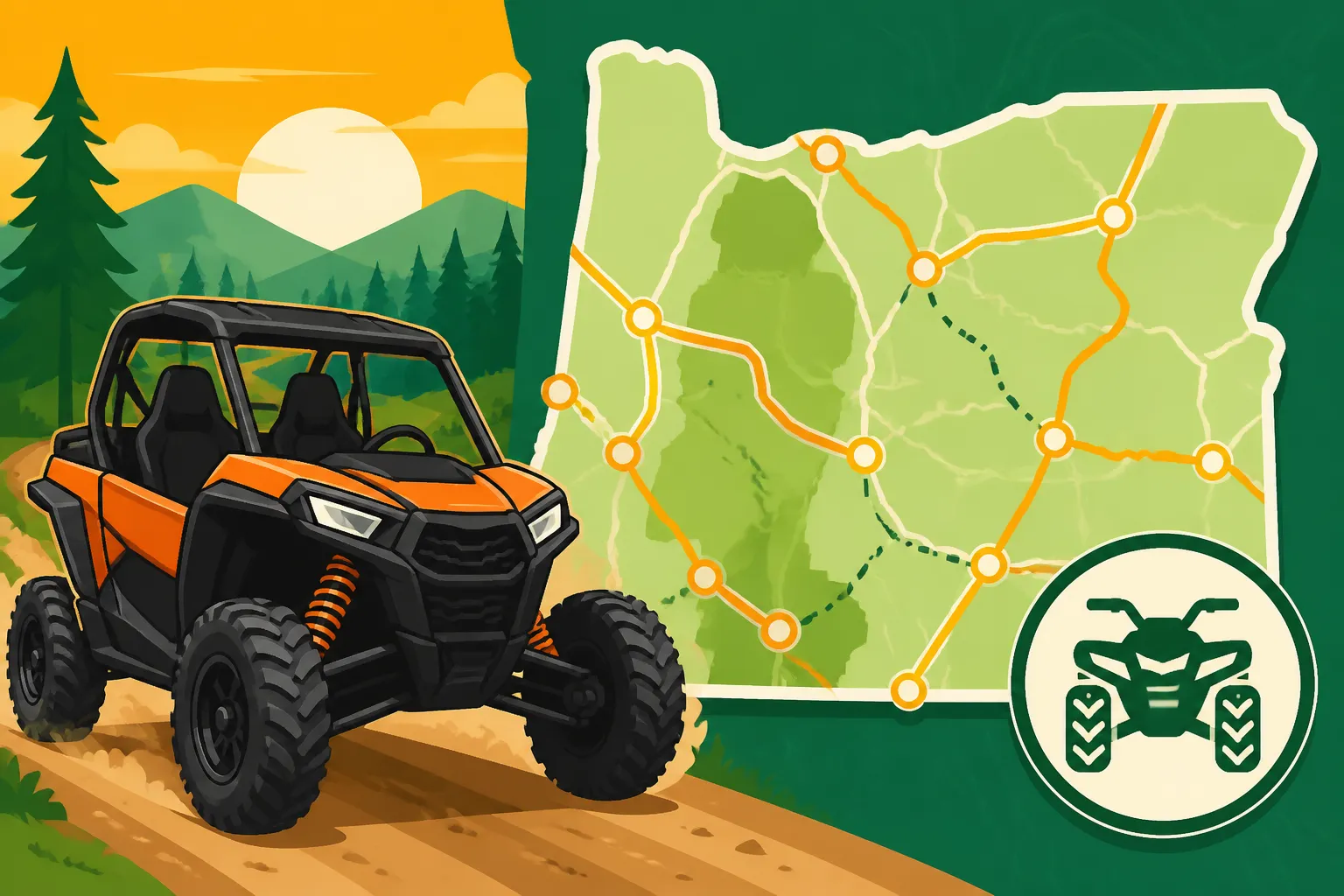
Oregon ATV Highway Access Route Map
It's a common dream for many of us who love hitting the trails: to hop on our ATV or UTV right from camp, cruise a short distance into town for gas or a burger, and then reconnect with the dirt without ever having to load the machine back onto a trailer. That seamless connection between the backcountry and local services can feel like an impossible fantasy in many places, and Oregon is no exception with its strict rules about off-highway vehicles (OHVs) on public roads. However, there are specific, designated highway access routes in the state that make this dream a reality in certain spots, and this guide will break down exactly where they are and how to use them.
The Frustration of Fragmented Riding: Why Dedicated Routes Matter
If you've spent any time exploring Oregon's vast and diverse landscapes on your quad or side-by-side, you've likely encountered the all-too-familiar scenario: an amazing trail system that abruptly ends at a paved road, forcing you to turn around or find another way. Or maybe you're out near the coast, having a blast on the dunes, and you realize you're low on fuel, but the nearest gas station is just a mile or two down a state highway – a road your machine isn't legally allowed to touch. This fragmentation can be incredibly frustrating, breaking the flow of a great ride and adding logistical headaches to what should be a simple outing.
For the most part, Oregon maintains strict separation between off-highway vehicle recreation and public road use. Unlike some other states where certain classes of OHVs can be made street-legal with modifications, Oregon generally does not permit ATVs or UTVs to operate on public roads, highways, or streets. You can find more details on this in [Are ATVs Street Legal in Oregon?]. This overarching rule means that for many riders, accessing different trailheads, connecting segments of a ride, or simply getting into a small town for supplies often means trailering the machine, even for very short distances. It disrupts the adventure and can feel like a real barrier to enjoying the state's incredible riding opportunities.
This is precisely where the concept of dedicated highway access routes comes into play. These aren't just informal dirt paths; they are officially sanctioned, mapped segments of public roads where ATVs and UTVs are explicitly allowed to operate. They represent a deliberate effort by the state and local communities to bridge those frustrating gaps, allowing riders to legally and safely traverse short distances on paved or gravel roads to reach services, connect distinct riding areas, or simply experience a town from the seat of their OHV. Without these specific allowances, the experience of exploring Oregon on four wheels would be far more constrained and less convenient.
Understanding Oregon's Designated ATV Highway Access Routes
When we talk about "Oregon ATV Highway Access Routes," we're referring to very specific, pre-approved segments of existing public roads where off-highway vehicles are given special permission to operate. It's crucial to understand that these are not widespread; they are carefully chosen exceptions to Oregon's general prohibition on OHVs on public roads. These routes are designated through a formal process involving state agencies and local governments, and they are typically signed to indicate where OHV use is permitted.
Currently, Oregon has two primary areas where these designated routes exist, allowing riders to experience that seamless connection many dream of. These areas are Lakeside and Sumpter. Each has its own unique character and purpose for its designated routes, offering different kinds of experiences for ATV and UTV enthusiasts. These routes are designed to enhance the riding experience by providing crucial links, not to enable general street-legal use throughout the state. You can learn more about these specific locations in [Lakeside and Sumpter: Oregon's Only Two Routes].
These routes are usually established on roads that have lower speed limits, less traffic, and are either county roads or specific town streets, rather than major state highways. They serve a vital function in OHV communities, acting as essential arteries that connect staging areas to essential amenities or one trail system to another. The rules for riding on them are specific and must be followed meticulously to ensure rider safety and maintain the privilege of access.
To help visualize the distinct offerings of Oregon's two designated access route locations, here's a brief comparison:
| Feature | Lakeside OHV Access Route | Sumpter OHV Access Route |
|---|---|---|
| Location | Oregon Coast, between Florence and Coos Bay | Eastern Oregon, Wallowa-Whitman National Forest |
| Primary Purpose | Connecting Oregon Dunes staging areas to the town of Lakeside for services (fuel, food). | Accessing the historic town of Sumpter from surrounding forest trails, connecting to local amenities. |
| Road Types | Low-speed city streets, some county roads. | Rural county roads, specific town streets. |
| Riding Area | Primarily the Oregon Dunes National Recreation Area. | Surrounding forest trails, mining districts. |
| Key Attraction | Convenience for dune riders, access to coastal amenities. | Historic town experience, connecting to vast trail network. |
| Vibe | Coastal, recreational, direct access from sand. | High desert, historic, immersive small-town experience. |
Lakeside: Connecting Dunes to Town
The Lakeside area, nestled on Oregon's beautiful central coast, is a prime example of how designated highway access routes can dramatically improve the OHV experience. For riders tackling the expansive Oregon Dunes National Recreation Area, the ability to leave the staging area, ride directly into town, and then return to the dunes without having to load up is an absolute game-changer. The routes in Lakeside are primarily designed to bridge this gap, allowing dune riders to access services like gas stations, restaurants, and shops directly from their machines.
The purpose of the routes here is crystal clear: convenience and accessibility for the thousands of dune enthusiasts who visit annually. Imagine spending a morning tearing up the sand at Spinreel or Hauser, only to realize you're running low on fuel. Instead of a tedious process of trailering your quad to the nearest gas station, the Lakeside routes allow you to simply follow the marked roads. These are typically lower-speed city streets and specific county roads that have been approved for OHV use.
Riders using the [Riding From a Campsite to the Sand at Lakeside] routes will find that they can easily navigate the town. However, it's not a free-for-all; you must stay on the designated roads, obey all traffic laws, and respect local ordinances. The designation of these routes reflects a strong partnership between the state and the local community, recognizing the economic benefit OHV recreation brings while ensuring safety for everyone.
Sumpter: A Historic Town's OHV Welcome
Shifting from the coastal dunes to the rugged mountains of Eastern Oregon, we find another fantastic example of an ATV highway access route system in the historic mining town of Sumpter. This area offers a completely different, yet equally rewarding, experience for OHV riders. Sumpter's routes are designed to allow riders to integrate their off-road adventures with a visit to the charming, gold-rush era town itself. You can read more about [Riding Through Town to the Dredge at Sumpter].
The nature of the routes in Sumpter often involves connecting riders from the vast network of forest trails surrounding the town directly into its core. This means you might be riding a gravel forest road, transition onto a designated county road segment, and then onto a specific town street, all legally. The unique appeal of Sumpter lies in its OHV-friendly atmosphere, where it's not uncommon to see side-by-sides parked alongside cars on Main Street, their drivers enjoying a meal or exploring the Sumpter Valley Dredge State Heritage Area.
These routes make it possible to spend a full day exploring the surrounding trails, then roll into town for provisions, visit the local museum, or grab a coffee, all while still on your machine. It’s an immersive experience that truly connects the backcountry with local culture and services. The community in Sumpter has embraced OHV tourism, recognizing the value it brings to their economy and the unique visitor experience it creates. As with Lakeside, adherence to all traffic laws and staying on marked routes is absolutely essential for maintaining this privilege.
Navigating and Using Oregon's ATV Highway Access Routes Safely and Legally
Using Oregon's designated highway access routes is a fantastic way to enhance your riding experience, but it comes with a strict set of responsibilities. These routes are still public roads shared with other vehicles, pedestrians, and sometimes even cyclists, so safety and legal compliance are paramount. It's not enough to simply know where these routes are; you need to know how to use them properly.
Essential Gear and Preparedness for Road Riding
When you're transitioning from dirt trails to a public road, even a low-speed access route, your safety considerations multiply. While your primary focus on the trail might be on suspension and tire grip, on the road, visibility and responsiveness become critical.
First and foremost, safety gear is non-negotiable. While helmets are generally required for all ATV riders in Oregon, they are absolutely crucial on any public road. Oregon's [Oregon Helmet Law for ATV Riders] specifically covers this. Make sure your helmet is DOT-approved and fits snugly. Eye protection, whether integrated into your helmet or separate goggles, is also essential to shield against dust, debris, and glare. Bright, contrasting clothing, especially a reflective vest, can significantly increase your visibility to other drivers, even in daylight.
Beyond personal gear, your machine needs to be road-ready, even for these limited access routes. This includes:
- Working Headlights and Taillights: These are not just for night riding; they increase visibility during the day, especially in variable weather or shaded areas. [Oregon Lighting Requirements for Road Use] outlines specific requirements.
- Brake Lights: Crucial for signaling your intentions to traffic behind you.
- Mirrors: A rear-view mirror is essential for situational awareness. While not always strictly mandated for these routes, having at least one sturdy, well-adjusted mirror can make a huge difference in safety. Many riders choose aftermarket options for enhanced visibility.
- Horn: A working horn is necessary to alert others to your presence.
- Tires: Ensure your tires are in good condition and properly inflated for the mixed terrain. You might adjust pressure slightly for road sections compared to deep sand or rock trails.
- Permit and Safety Card: Always carry your valid [Oregon ATV Operating Permit] and, if applicable, your [Oregon's ATV Safety Education Card]. You never know when you might encounter law enforcement, and rangers at staging areas or a trooper roadside will often check for these, as detailed in [What a Trooper Checks at an Oregon Staging Area].
For those looking to upgrade their machine for better road readiness, even for these access routes, companies like SuperATV offer a range of accessories that can improve safety and functionality. Their universal turn signal kits, robust mirrors designed for off-road vehicles, and even full windshields can dramatically enhance your visibility and protection when sharing the road with other vehicles. While not all of these are strictly mandatory for these specific access routes, they represent smart investments for any rider planning to use public roads, even briefly, ensuring a safer and more comfortable experience. Additionally, SuperATV offers sturdy storage solutions like cargo boxes and bags, perfect for securely carrying maps, extra fuel, and any other gear you might need for a longer ride or a quick trip into town.
Staying Informed and Avoiding Fines
Riding on designated access routes isn't just about safety; it's also about strict adherence to the law. The privilege of using these roads can be easily revoked if riders fail to follow the rules.
- Know the Map: Always carry a current, official map of the designated routes for the area you're riding. These maps will clearly delineate where you can and cannot ride. Do not rely solely on general GPS apps, as they may not distinguish between OHV-legal and illegal roads.
- Obey Traffic Laws: This is paramount. All standard traffic laws apply on these routes: obey speed limits, stop signs, yield signs, and traffic signals. Use appropriate hand signals or turn signals (if equipped) for turns and lane changes. Stay to the right side of the road and be aware of oncoming and passing traffic.
- Stay on Marked Routes: Deviating from the designated routes, even slightly, can lead to serious consequences. Riding an OHV on a non-designated public road is a Class C traffic violation in Oregon, which can result in significant [Oregon Fines for Riding an Unopened Road] and is covered under [Oregon's Class C Traffic Violation for No Permit].
- Check for Closures: Always check for any temporary closures or changes to route designations before you head out. This information is often available on the Oregon Parks and Recreation Department's (OPRD) website or at local ranger stations. Weather events, road construction, or special events can all lead to temporary restrictions.
- Local Ordinances: Be aware that individual towns or counties may have specific local ordinances that apply even on designated routes, such as noise restrictions or specific hours of operation. Always check with local authorities or visitor centers if you're unsure.
Remember, the presence of these access routes is a privilege, and responsible riding is key to preserving them for future enjoyment.
Limitations and the Future of Oregon's Highway Access Routes
While Oregon's designated ATV highway access routes in places like Lakeside and Sumpter are incredibly beneficial to riders, it's vital to maintain a realistic perspective about their scope and limitations. These routes are truly rare exceptions, not the rule, and they do not signify a broader shift towards widespread street-legal ATV use across the state.
The most significant limitation is simply their scarcity. As highlighted earlier, Lakeside and Sumpter are Oregon's only two locations with formally designated highway access routes for ATVs and UTVs. This means that for the vast majority of Oregon's thousands of miles of roads, riding an OHV remains illegal. Many riders, especially those new to the state or visiting from areas with more permissive laws, often express confusion or frustration, wondering why there aren't more such routes. You can find out [Why Most Oregon Towns Have No Route].
The process of designating new routes is complex and lengthy, involving multiple stakeholders. It typically begins at the local level, with a county or city proposing a route to the Oregon Transportation Commission. This proposal then undergoes extensive review, considering factors like public safety, environmental impact, local traffic patterns, and community support. The process involves multiple levels of bureaucracy and public comment, making it a challenging undertaking for any community to pursue. [Applying to Designate a New Oregon Route] and [What the Transportation Commission Decides] give insight into this.
Several factors contribute to the limited number of these routes:
- Safety Concerns: Integrating OHVs with traditional road traffic raises significant safety concerns for all road users. Differences in speed, maneuverability, and rider protection between ATVs/UTVs and passenger vehicles make many roads unsuitable for shared use.
- Conflicting Land Uses: Many communities and landowners have concerns about noise, dust, and potential impacts on private property or sensitive areas if OHV access is expanded onto roads.
- Economic vs. Social Impact: While OHV tourism can bring economic benefits, some communities may prioritize other factors, or perceive the social impacts (noise, traffic) to outweigh the economic gains.
- State Policy: Oregon's state policy has historically favored separating OHV use from public road networks, viewing it primarily as an off-highway recreational activity.
While rider advocacy groups and some communities continue to explore possibilities for new access routes, the current landscape suggests that any future additions will likely be incremental and carefully considered, rather than a sweeping change to statewide policy. Therefore, it's crucial for riders to always consult official maps and local regulations, understanding that these precious access routes are privileges to be used responsibly, not precedents for universal road access.
These designated highway access routes in Lakeside and Sumpter are incredible assets for Oregon's OHV community, offering unique opportunities to connect trails, access services, and experience local towns from the seat of your machine. While they are limited in number, they represent a valuable bridge between the backcountry and civilization. By understanding where these routes are, how to use them safely and legally, and recognizing their specific purpose, you can fully enjoy the unique riding experiences they offer. Always ride responsibly, stay informed, and help preserve these special connections for everyone.
Disclaimer
This article is for general informational purposes only and does not constitute professional advice. Laws, prices and regulations vary by location and change over time. Consult a qualified professional for guidance on your specific situation.