Oregon ATV Permit After Moving to the State
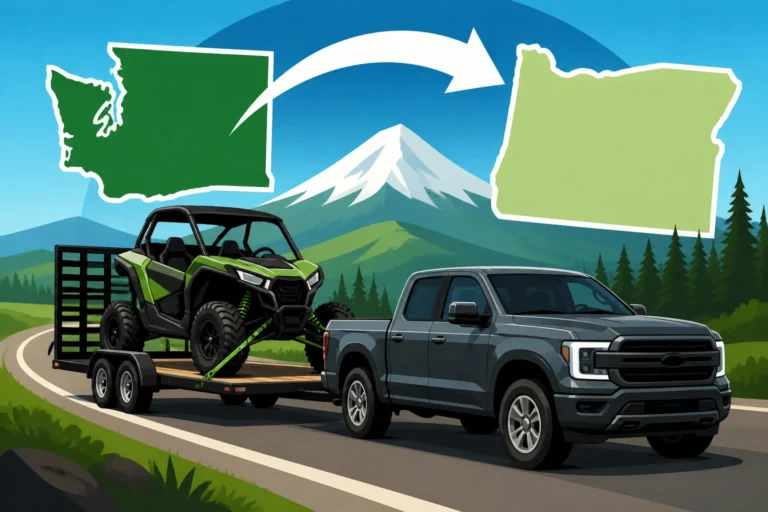
Moving to a new state is exciting, but it often comes with a whole new set of rules and regulations you need to navigate, especially when it comes to your favorite recreational vehicles. If you've just hauled your ATV or UTV across state lines into the beautiful Pacific Northwest, you're probably wondering what you need to do to get it legal for Oregon's incredible trails and dunes. This guide is designed to cut through the confusion and walk you through exactly how to secure your Oregon ATV permit as a brand-new resident.
Understanding Oregon's ATV Permit System for Newcomers
Welcome to Oregon! We're thrilled to have you and your off-highway vehicle (OHV) here. One of the first things you'll notice about Oregon's system for ATVs and UTVs is that it's a bit unique compared to some other states. Instead of traditional vehicle registration through the Department of Motor Vehicles (DMV) for off-road use, Oregon requires an Off-Highway Vehicle (OHV) Operating Permit. This permit is crucial for anyone planning to ride on designated OHV areas, whether those are the vast Oregon Dunes, the dense Tillamook State Forest trails, or any other public land managed for OHV recreation. It's a fundamental step that often catches new residents off guard, especially if their previous state had a different approach.
Why an Oregon Permit Is Different from Your Old State's Registration
In many states, if you register your ATV, it's a one-size-fits-all solution for both on-road and off-road legality. Oregon operates differently. For most ATVs and UTVs (Classes I, III, and IV), the DMV has absolutely nothing to do with permitting for off-road use. This can be a huge point of confusion for new residents, who instinctively head to the DMV office only to be redirected. Instead, the Oregon Parks and Recreation Department (OPRD) oversees the OHV permit program. This distinction is vital because it means you won't be getting a typical license plate or vehicle registration for your off-road machine in the same way you would for a car or even a street-legal motorcycle. The focus here is purely on ensuring your machine is authorized for recreational off-highway use. You can read more about [Why Oregon's DMV Does Not Register ATVs].
Think of it this way: your old state might have had a system where you registered your quad for general vehicle purposes, and that covered everything. Oregon, however, has specifically carved out a system designed to fund and manage OHV recreation directly. The permit you obtain goes directly into supporting the trails, staging areas, and educational programs that make riding here so fantastic. It's a dedicated user-funded program, which is why it's managed by the parks department rather than the vehicle licensing agency. This distinction often means less bureaucracy once you're on the trails, as rangers and enforcement officers are primarily looking for that permit decal, not a traditional license plate.
The Two-Year Validity Period for Oregon Permits
Once you obtain your Oregon ATV permit, you'll find it's valid for a generous two-year period from the month of purchase. This long validity period is a welcome relief for many riders, as it means less frequent renewals and more time enjoying the trails. For new residents, it's particularly convenient because once you've gone through the initial process, you're set for a good long while. This contrasts with some states that require annual renewals, adding another chore to your to-do list every year. The two-year span is consistent across all types of OHVs, whether you're bringing in a nimble Class I quad or a spacious Class IV side-by-side.
This two-year period is a standard benefit that helps riders plan their adventures without constant permit anxieties. Imagine moving here, getting your permit in July, and knowing you're covered until July two years later. It takes one significant item off your "new state checklist" for a substantial amount of time. The sticker you receive will clearly display the expiration year, making it easy to see at a glance when your permit will need to be renewed. When that time comes, the process is usually just as straightforward as the initial purchase, allowing you to easily [Renewing an Oregon ATV Permit]. This predictable cycle is a small but mighty convenience built into the Oregon OHV system, acknowledging that riders want to spend more time riding and less time on paperwork.
The Steps to Getting Your Oregon ATV Permit as a New Resident
Now that you understand the "why" behind Oregon's permit system, let's dive into the "how." For new residents, the process of getting your ATV permit is fairly straightforward, though it does require a few specific steps. The good news is that Oregon has made it quite accessible, with multiple options for purchase. You won't be stuck trying to find one obscure office in the middle of nowhere; rather, you'll find a network designed to get you on the trails as quickly and smoothly as possible. The key is knowing what options are available and what documentation you might need.
Finding an Oregon Permit Agent Near You
The most traditional and often quickest way to get your Oregon ATV permit is by visiting one of the many authorized permit agents scattered across the state. These agents are typically ATV dealerships, powersports shops, or even some smaller retail stores in communities near popular riding areas. They're equipped to issue the physical permit decal right then and there. This can be particularly helpful if you've just moved and want to get out riding immediately, or if you prefer the peace of mind of walking out with your permit in hand. Many riders find comfort in the personal interaction, where they can ask questions and ensure they have everything correct. These agents are often staffed by fellow riders or enthusiasts who understand the needs of the OHV community.
When you visit a permit agent, you'll usually need to provide basic information about yourself and your machine. While Oregon doesn't require a title for off-road use, having proof of ownership, such as a bill of sale or your old state's registration, can be helpful, especially if you're ever questioned about the machine's origins. If you don't have a formal bill of sale, you can create one using online legal document services like LawDepot, which can help formalize the transaction and prove ownership. The agent will then process your payment and hand you the decal. It's truly that simple. You can often find a current list of these agents on the Oregon Parks and Recreation Department's website, allowing you to pinpoint the closest location to your new home or a convenient stop on your way to the trails. You might be surprised to find [Oregon Permit Agents You Can Walk Into] in places like Florence, Grants Pass, or even near Bend.
The Online Purchase Option for Convenience
For those who prefer to handle things from the comfort of their new home, Oregon also offers the option to purchase your ATV permit online. This is an incredibly convenient method, especially if you're settling in and don't yet know your way around or if your local permit agent has limited hours. The online system is accessible 24/7, meaning you can complete the purchase whenever it suits your schedule, day or night. This flexibility is a huge benefit for busy individuals trying to juggle all the tasks associated with relocating. Plus, it eliminates the need to travel, saving you time and gas money as you get established in your new Oregon community.
When you purchase online, you'll go through a secure portal, provide the necessary information, and complete your payment. What's fantastic about the online system is that it immediately provides you with a temporary permit that you can print out and carry with you. This means you can often be legal to ride the very day you complete your purchase, without waiting for the physical decal to arrive in the mail. The official decal will then be mailed to your Oregon address, usually arriving within a week or two. This immediate gratification is perfect for eager riders who are ready to explore Oregon's vast OHV opportunities without delay. Just imagine, you could be completing your online purchase one moment and printing your temporary permit to hit the trails near the [Oregon Dunes National Recreation Area] the next.
What to Bring and What to Expect at a Permit Agent
When you're preparing to visit an Oregon permit agent, it's always best to be over-prepared rather than under-prepared. While the requirements are generally minimal, having the right documents can prevent any delays. Primarily, you'll need proof of ownership for your ATV or UTV. This doesn't have to be a formal Oregon title (as [Titling an ATV in Oregon Is Optional]), but something that demonstrates you legally own the machine. This could be a bill of sale, a previous state's registration, or even the original manufacturer's statement of origin. If you bought your machine from a private party and only have a handshake deal, it's wise to create a formal bill of sale using a template from a service like LawDepot to establish clear ownership.
Beyond proof of ownership, you'll also need identification, and of course, the payment for the permit itself. The staff at the permit agent location are usually very knowledgeable and can guide you through any specific questions or concerns you might have about your machine's class or any other Oregon regulations. They'll help you fill out the brief form, process your payment, and then hand you the physical permit decal. It's a quick transaction, typically taking only a few minutes from start to finish. They might also offer advice on where to place your decal, or remind you about other important Oregon regulations like the [Oregon ATV Safety Education Card] or [Oregon Spark Arrester Requirement]. This face-to-face interaction can be a great way to get some local insights into the riding community and nearby trails as well.
Decal Placement and Ongoing Compliance
So, you've moved to Oregon, successfully navigated the permit process, and now you have that shiny new decal in hand. Congratulations! But the job isn't quite done. Proper placement of this decal is not just a suggestion; it's a requirement. An improperly placed or unreadable decal can still lead to a citation, which defeats the purpose of getting the permit in the first place. After that, understanding that this permit is just one piece of the puzzle for ongoing compliance in Oregon is key to a hassle-free riding experience. You'll want to ensure you're always up to date and that your machine remains visible and legal.
Where Exactly Your New Oregon Decal Needs to Go
This is a common question, and thankfully, Oregon's rules for decal placement are clear. For Class I (quads) and Class III (off-road motorcycles/dirt bikes) machines, the permit decal must be affixed to the right rear of the machine. This means on the right fender for a quad, or on the right side panel or rear fender for a dirt bike. The key is that it needs to be clearly visible and permanently attached. For Class IV machines (side-by-sides, UTVs), the decal needs to be displayed on the right-hand side of the machine, as far to the rear as practicable. This often means on the right side of the bed, cargo area, or roll cage. The important thing is that it should be easily seen from the rear and side.
The reason for these specific placement rules is simple: easy identification by law enforcement and park rangers. When they're patrolling trails or checking machines at staging areas, they need to quickly confirm that your OHV is permitted. A decal hidden under a seat, obscured by mud, or placed in an unconventional spot can cause delays or even lead to questions you'd rather avoid. Take your time to clean the surface where you plan to apply the decal to ensure it adheres properly and stays put through all your adventures. A well-placed decal will save you headaches and show that you're a responsible rider. For specific examples, check out [Decal Placement on a Quad's Right Side] or [Decal Placement on a Class IV Machine].
Understanding Permit Renewal for Future Rides
As mentioned earlier, your Oregon ATV permit is valid for two years, which is a fantastic long period. However, time flies when you're having fun on the trails! Before you know it, that two-year mark will be approaching. It's your responsibility as the machine owner to keep track of the expiration date and ensure you renew your permit before it lapses. While OPRD doesn't typically send out reminder notices, many riders find it helpful to set a calendar reminder a month or two before the expiration date to give themselves ample time. Missing a renewal can mean riding on an expired permit, which is equivalent to not having one at all and can result in a [Oregon's Class C Traffic Violation for No Permit].
The renewal process is essentially the same as your initial purchase. You can either visit a permit agent or renew online. Both options offer the same convenience and result in a new decal for the next two-year cycle. Keeping your permit current ensures continuous access to Oregon's incredible OHV recreation areas and avoids any unnecessary fines or complications during your rides. Consider adding a note to your personal calendar or even taping a small reminder inside your OHV's storage compartment to catch it before it slips your mind. Staying on top of your renewals is a simple habit that ensures your adventures in Oregon continue without interruption.
Optional Titling and Other Considerations
Beyond the mandatory OHV operating permit, there are a few other aspects of Oregon's ATV/UTV regulations that new residents should be aware of. These often come up because they differ from what people might be used to in other states. Understanding these nuances will ensure you're fully compliant and can enjoy your off-roading experience without any unexpected surprises. From titling your machine to ensuring all riders are educated, Oregon has a comprehensive approach to OHV safety and management.
Why Oregon's DMV Does Not Register ATVs
One of the most frequent questions from new residents is why they can't simply register their ATV at the Department of Motor Vehicles (DMV) as they might have done in their previous state. The simple answer, as touched upon earlier, is that Oregon has separated the regulation of street-legal vehicles from off-highway vehicles. The Oregon DMV's primary role is to register and title vehicles intended for public road use. Since most ATVs and UTVs (Classes I, III, and IV) are not designed or legally allowed to be operated on public roads, they fall outside the DMV's direct registration purview. This design ensures that the fees collected from OHV permits are channeled directly into programs and facilities that benefit OHV riders.
This distinction is crucial because it means you won't get a traditional license plate or even a formal registration card from the DMV for your typical trail machine. The permit decal from OPRD is your proof of legality for off-road riding. For new residents, it can take a mental shift to understand this system, especially if you're accustomed to a unified vehicle registration process. However, once you grasp that the OHV permit serves a different, dedicated purpose, it simplifies things. It highlights Oregon's commitment to self-funding its OHV recreation program, allowing rider fees to directly support the maintenance and expansion of riding opportunities rather than being absorbed into a broader general transportation fund. If you ever need to formally prove ownership for a sale, a service like LawDepot can assist with creating a comprehensive bill of sale, which serves as your primary ownership document for an untiled machine.
The Oregon ATV Safety Education Card for All Riders
Beyond the permit for your machine, Oregon also requires an ATV Safety Education Card for all riders, regardless of age. This is another area where Oregon's regulations might differ significantly from your previous state. While some states might only require safety education for younger riders, Oregon extends this requirement to adults too, with only a few specific exemptions (like holding a valid driver's license for Class IV machines only). This emphasis on safety education for everyone underscores Oregon's commitment to responsible riding practices and reducing accidents on the trails.
The good news is that obtaining an Oregon ATV Safety Education Card is often free and can be done online through an approved course. You'll learn about safe operating procedures, environmental considerations, and Oregon-specific regulations, ensuring you're well-prepared for the unique challenges of riding here. Even if you're an experienced rider, the course serves as a valuable refresher and ensures you're up to speed on all local rules. For new residents, it's a great way to familiarize yourself with Oregon's OHV environment before hitting the trails. Make sure every rider in your family has their card, especially if you're planning on exploring popular spots like [Sand Lake and the Oregon Coast Dunes] or [Millican Valley Outside Bend, Oregon].
| Type of Machine (Oregon Class) | Permit Required? | DMV Registration/Title? | Safety Card Required? (all ages) |
|---|---|---|---|
| Class I (Quads, under 50") | Yes | Optional Title | Yes |
| Class II (Street-Legal) | Yes (off-road) | Yes (on-road) | Yes (off-road) |
| Class III (Dirt Bikes) | Yes | Optional Title | Yes |
| Class IV (Side-by-Sides) | Yes | Optional Title | Yes* |
*Note: For Class IV machines, a valid driver's license can substitute for the safety card for riders aged 16 and over when operating on designated OHV routes and roads. However, a safety card is still highly recommended and required in other contexts.
Disclaimer
This article is for general informational purposes only and does not constitute professional advice. Laws, prices and regulations vary by location and change over time. Consult a qualified professional for guidance on your specific situation.