Oregon Dune Buggy Rentals
Oregon dune buggy rentals can look similar online but offer very different rides: a guided tour, a self-drive sand rail, and a side-by-side are not interchangeable. The right choice depends on who’s riding, where you want to go, and how much driving you want to do. Here’s how to compare options, prepare for the dunes, and avoid surprises at the rental counter.
What an Oregon dune buggy rental can mean
“Dune buggy” is often used as a catchall for several kinds of off-highway vehicles. A rental listing might describe a purpose-built sand rail, a side-by-side UTV, or a guided buggy tour with a professional driver. Before booking, check the vehicle type and whether you will drive it yourself; the name alone doesn’t tell you what the experience involves.
A sand rail is generally a lightweight, open vehicle built for sand. A side-by-side has seats next to each other and may have a more enclosed cabin, a roll cage, seat belts, and a steering wheel. Both can be described casually as buggies, but their seating, handling, safety equipment, and rental rules can differ. A guided tour is different again: you ride as a passenger while a guide operates the vehicle.
| Rental option | Who drives | Typical appeal | What to confirm |
|---|---|---|---|
| Self-drive sand rail | You or another approved driver | A purpose-built ride across dunes | Driver requirements, passenger limits, and permitted riding area |
| Self-drive side-by-side | You or another approved driver | A seated, side-by-side layout that may suit families or groups | Seat belts, child rules, age limits, and where the machine may go |
| Guided buggy tour | A professional guide | A structured ride without having to navigate or drive | Tour length, passenger ages, route, and weather or closure policy |
| ATV or quad rental | One rider per machine in many cases | A hands-on ride on a smaller machine | Whether the rental is actually a buggy, and any rider-specific rules |
The vehicle’s category matters when you compare listings. Ask what make and model is offered, how many people can ride legally, and whether the passenger seats are suitable for everyone in your party. Don’t assume that a machine’s advertised seat count means every seat is appropriate for a young child, or that an extra passenger can ride without a proper seat belt and foot support.
If you’re considering a particular machine, ask how it is classified and what the rental provider’s operating instructions say. Oregon’s ATV classes and permit rules can depend on machine characteristics, not just a rental shop’s marketing description. Oregon’s Four ATV Classes Explained provides more context on how the state groups off-highway vehicles.
For a closer look at the differences between buggy formats and local options, see Sandland Adventures and Its Sand Rails, Sand Dunes Frontier in Florence, Oregon, and Spinreel’s Buggy Counter on the Oregon Coast. Those listings can help you identify the kind of experience you want; confirm current availability and terms directly with the operator.
Choose a location before choosing a machine
The Oregon coast has several dune-riding areas, and a rental shop’s location can shape the whole outing. A machine that is convenient to pick up in Florence may not be available for use at another dune area. Don’t plan on taking a rental to a different riding site unless the provider explicitly permits it.
Florence is a common starting point for visitors comparing sand rails, side-by-sides, and tours. If you’re staying nearby, Renting in Florence on the Oregon Coast can help narrow down the rental format and location. Some visitors also compare providers and tour options through a booking marketplace such as Viator. Treat a marketplace listing as a starting point: check who operates the ride, what the booking includes, and which policies apply before paying.
North Bend and Hauser are another part of the coast rental landscape. If you’re staying farther south, see Renting in Oregon’s North Bend and Hauser rather than assuming a Florence reservation will be practical. Distance, pickup arrangements, the day’s schedule, and where the vehicle is allowed to operate can all affect whether a rental fits your plans.
Use these questions to compare locations:
- Where is pickup? Confirm the exact address, check-in time, and whether the machine leaves directly from the rental site or requires a trailer.
- Where may the machine be ridden? Ask for the designated riding area and whether the rental contract restricts access to particular sections.
- Can you reach the dunes without using a public road? Don’t presume a rental machine is street legal. Ask whether you must transport it to a staging area or whether the provider has an approved route.
- What happens if the preferred area is closed? Find out whether the operator offers a different route, a rescheduling option, or a cancellation under the circumstances.
- Is there a separate access or parking charge? Rental charges and site fees are different things. Ask whether any day-use, parking, or other access costs are included.
A map can help with planning, but it cannot guarantee that a road, trail, or dune section is open on the day you ride. Signs and current land-manager notices matter, and the rental provider should explain the authorized riding area. If the counter staff gives you a route or map, keep it with you and follow any boundaries or closures.
For an overview of coastal riding locations and how they differ, see Oregon Dune Riding Areas Compared. If your schedule is tight, choose a rental near where you are staying and allow time for check-in, instructions, gearing up, and returning the machine. A low advertised rental duration can take up a much larger part of the day once these steps are included.
Decide between a self-drive rental and a tour
The main choice is whether you want to operate the machine or be a passenger. A self-drive rental gives you direct control but also puts the responsibility for following instructions, staying within the permitted area, and handling the vehicle on you. A guided tour takes navigation and operation off your hands, though it follows the guide’s route and schedule.
Choose a self-drive rental if the approved driver meets the provider’s requirements and wants to learn how the machine responds on sand. Allow time for the safety briefing and don’t treat a first ride as a race. Sand conditions change across the dunes; a beginner-friendly session should leave room to practice basic steering, stopping, and spacing before trying more challenging terrain.
A guided tour may be a better fit if no one in your group wants to drive, if you’re unsure about navigating dunes, or if you want a planned outing. Tours vary in pace and format. Some keep the group together behind a guide; others may offer a different experience, so ask how the tour works before booking. See Guided Dune Buggy Tours in Oregon for more on what to compare.
Ask a tour operator:
- Is the guide the only driver, or will participants take turns?
- How long does the experience last from arrival to return?
- What route or terrain does the tour generally cover?
- Are children allowed as passengers, and are there height or age restrictions?
- What happens if weather, visibility, or a closure changes the planned route?
- Is transportation to the riding area included, or should you meet at a separate location?
If a listing promises a specific route or beach stop, confirm that it is permitted and currently available. Conditions and restrictions can change, and a tour operator may need to adjust its route. A booking description is not a guarantee that every feature will be accessible on your date.
| Your priority | Likely option to consider | Trade-off |
|---|---|---|
| Operating the vehicle yourself | Self-drive rail or side-by-side | You must meet the driver rules and manage the machine responsibly |
| Keeping the outing simple | Guided tour | Less choice over pace and route |
| Riding with a group | A side-by-side or group tour | Passenger capacity and child requirements need checking |
| Getting a feel for sand riding | A beginner-oriented rental or tour | Ask what instruction is provided; don’t assume a full lesson |
| Making a short stop part of a larger trip | A shorter rental or tour | Check check-in and return time, not just ride duration |
Some operators advertise branded machines or use a booking platform to sell an experience. Polaris Adventures may help travelers identify certain vehicle-based outings, while Viator can display tour listings. Neither the brand name nor the platform replaces checking the actual local operator’s vehicle, requirements, and cancellation terms.
Check driver, passenger, and safety requirements
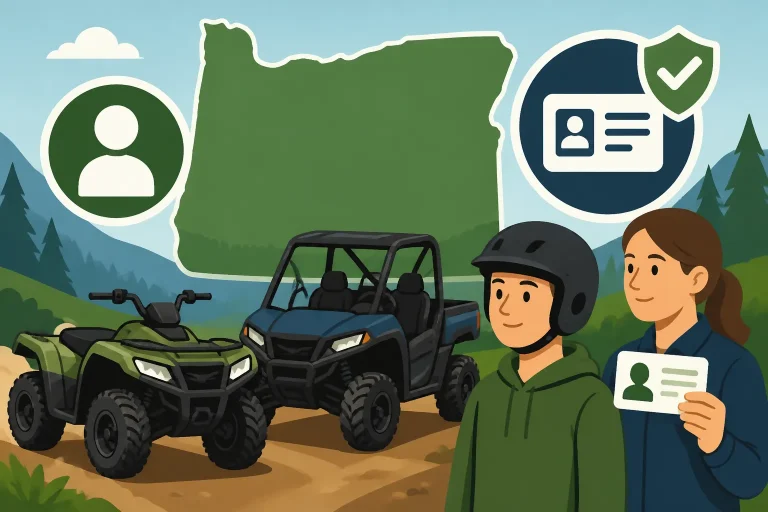
Rental rules are set by the provider and may be stricter than the minimum rules that apply to riding generally. Before booking, confirm who may drive, what identification is required, whether a driver’s license is needed, and what rules apply to passengers. Requirements can vary by vehicle and rental company, so don’t rely on another shop’s policy or an old listing.
If more than one person wants to drive, ask whether each person must be named on the reservation or complete the briefing. Only approved drivers should operate the rental. A person who is not authorized may not be covered under the rental agreement, and handing over the controls can put the booking and the group at risk.
For passengers, confirm that every person will have a designated seat and required restraints. Ask whether the machine is suitable for children in your party, including any minimum age, height, or size requirement. A child should not be squeezed onto an adult passenger’s lap or placed in a seat that does not fit. If a seat belt, helmet, or other equipment does not fit properly, tell the provider before leaving the check-in area.
The operator should explain how to use the controls, where to ride, how to stop, and what to do if the vehicle gets stuck or has a problem. Listen closely even if you have driven a similar machine before: controls, handling, and rental restrictions may differ. Ask questions about anything unclear, especially how to respond to an emergency, meet a guide, or contact the rental office.
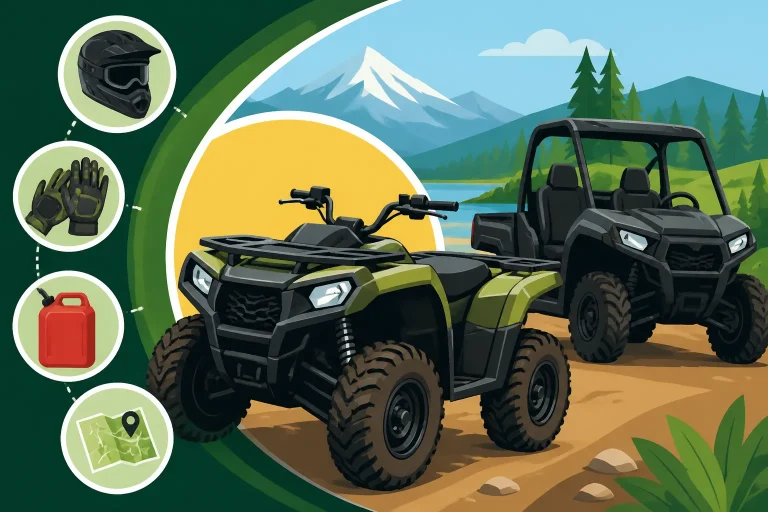
Wear clothing that you can move in and that you don’t mind getting sandy. Eye protection is useful in blowing sand; some providers supply helmets and goggles, while others may have specific requirements about what riders bring. Ask what is included and whether you can use your own properly fitting gear. Pack a layer for changing coastal weather and keep loose items secured.
Oregon’s safety-card rules may apply to some riders and vehicle types. A rental operator may provide information or paperwork for a limited rental situation, but that should not be assumed to cover every rider or every machine. Check the details with the provider and review Oregon ATV Safety Card Requirements before the trip if you are unsure. A safety card is not a substitute for the rental briefing.
A practical pre-ride check includes:
- Confirm the driver and passenger list. Make sure the people attending match the booking and the provider’s rules.
- Check restraints and fit. Try seat belts and helmets before you leave the counter. Ask for an alternative if something does not fit.
- Understand the controls. Identify the brake, accelerator, steering, gear selection, and any required switches.
- Review the permitted area. Ask how to recognize boundaries, closures, staging areas, and routes you must avoid.
- Know what to do if something goes wrong. Get the correct contact method and instructions for a breakdown, stuck vehicle, or separation from a group.
- Check the return instructions. Confirm when and where to bring the vehicle back and how much time to allow.
For rental-specific considerations, Oregon Rental Age and License Rules and What an Oregon ATV Rental Includes are useful starting points. Still, the rental agreement and the operator’s current instructions control the booking. Ask the shop directly about any requirement that could affect your group.
Understand the total cost and booking terms
Rental prices vary by vehicle, duration, date, operator, and what is included. Rather than comparing only the headline rate, ask for the complete amount due and the conditions that could add to it. Providers and booking platforms can change their figures and terms, so check the current details before you reserve.
The total cost may involve more than the time you spend driving. Ask whether the quote includes required gear, fuel, access charges, taxes, or other items. A deposit or card authorization may be separate from the rental charge, and a damage waiver, if offered, may not cover every kind of damage. Read the agreement to understand which costs are included and which may be charged later.
Use this checklist when comparing offers:
| Cost or term | What to ask |
|---|---|
| Rental period | Does the clock start at check-in, when you leave, or at another point? |
| Included time | Is the stated duration ride time or the full booking window? |
| Required gear | Are helmets, goggles, or other required items supplied? |
| Fuel | Is fuel included, or is there a return expectation or separate charge? |
| Site access | Are parking, day-use, or other land-access charges separate? |
| Deposit or hold | Is a deposit collected or a temporary card authorization placed? When is it released? |
| Damage responsibility | What does the renter owe for damage, recovery, cleaning, or a rollover? |
| Late return | What happens if you are delayed by a stuck vehicle or other problem? |
| Cancellation | What are the deadlines and conditions for changing or canceling? |
| Weather and closures | Does the policy differ for unsafe conditions or an official closure? |
Read the rental agreement before signing, not after a problem occurs. Pay particular attention to the damage schedule, prohibited uses, where the vehicle can go, who may drive, and what counts as unacceptable wear or cleaning. If an item is unclear, ask the staff member to explain it in plain language and identify where the agreement describes it.
A damage waiver should not be treated as universal protection. It may have exclusions, deductibles, or conditions, and it may not apply to prohibited use or careless operation. Ask what it covers and what it does not. If you decline an optional product, confirm what responsibility remains with you. Oregon Rental Damage Charges can help you think through the questions to ask.
Before leaving, take clear photos or video of the vehicle, including existing marks and visible condition. Tell staff about damage you notice and ask them to record it. This simple step helps establish what was present at pickup; it doesn’t replace reading the contract or reporting new damage promptly.
If you book through a marketplace, compare the marketplace’s cancellation process with the operator’s own terms. Confirm which party handles changes, questions, or refunds. A listing page may summarize key details but omit conditions in the full agreement. Keep the confirmation and contact information accessible on the day.
For more detail on how rental charges can be structured, see Oregon Dune Buggy Rental Cost. Avoid choosing solely by the lowest listed amount. A longer check-in, gear that is not included, separate access fees, or restrictive cancellation terms can change which option is the better fit.
Prepare for coastal conditions and follow the riding rules
Dunes are an open, changing landscape, not a marked amusement-park track. Sand may be soft, ridged, or difficult to judge, and wind can affect visibility. Fog and changing coastal weather can make it harder to see other riders. Follow the rental provider’s route, speed guidance, and spacing instructions rather than trying to keep up with someone who is riding beyond your comfort level.
Keep a generous distance from other vehicles. Avoid stopping in a place where approaching riders cannot see you, and do not assume a dune crest is clear on the far side. Follow the guide or rental instructions for crossing slopes and moving through busier areas. If visibility drops, stop only where you are safely out of the way and contact the operator if you need direction.
The Oregon coast’s dunes have designated riding areas and restrictions. Some portions may be closed for habitat protection, safety, or land-management reasons. Beach access can also have specific rules and seasonal limits. Never assume that a rental includes permission to ride on the beach or into every dune area; confirm both with the operator and follow posted signs. For the broader distinction between rental permissions and the riding area, see Oregon Rentals That Allow the Beach.
Do not cross a closure barrier or ride around one because a route looks open. A closed area may not be obvious from a distance, and a route shown in an old map may no longer be available. Ask for current directions and check signs at the staging area. If the guide changes course or staff tells you that an area is closed, follow the instruction.
Make sure the machine remains within the rental’s authorized area. Do not take it onto public roads, private land, or a different riding site unless the operator specifically allows it and the use is lawful. A rental contract can limit use even where a route might appear accessible. Questions about routes and public-road access are covered in Which Oregon Roads You May Legally Ride, but the rental provider should confirm where its particular machine may go.
Before booking, ask whether the operator will cancel or alter the outing for unsafe weather, poor visibility, or a closure. Also ask what you should do if conditions worsen while you are already riding. A good plan is to agree on the contact method before departure and to stop riding if you can no longer see clearly or safely follow the instructions.
Plan the day, from reservation to return
A smooth rental day begins before you reach the counter. Reserve ahead if you have a fixed date, a particular vehicle type, or a group that needs several seats. Availability can vary by season and day of the week, and a shop may not have a suitable substitute if your first choice is unavailable. Confirm the reservation, check-in time, address, and any paperwork the operator wants you to bring.
Arrive with enough time for check-in and the safety briefing. Being late can reduce your riding time or affect the booking, depending on the provider’s policy. If you are traveling with children, bring the details needed to confirm their ages and sizes if the provider asks. Check that everyone in the group understands the plan and that the designated driver is prepared to listen to instructions.
A sensible day-of sequence is:
- Check the booking details. Reconfirm the vehicle, duration, location, and any special conditions.
- Check current access information. Ask whether the intended riding area is open and whether the route has changed.
- Arrive before check-in closes. Allow time for paperwork, fitting gear, and instruction.
- Inspect the machine. Photograph its condition and report any concern before departure.
- Listen to the briefing. Ask about boundaries, communication, recovery, and return instructions.
- Ride within your comfort level. Keep distance, avoid risky maneuvers, and follow the route and guide.
- Return as directed. Allow time for inspection and tell staff about any incident or mechanical problem.
Bring water and secure personal items so they cannot blow out or become a distraction. Keep phones, keys, and other valuables protected from sand. A dry bag or zipped pocket is useful, but only take items that can be secured safely. Avoid wearing loose accessories that might catch on the vehicle or interfere with controls.
After the ride, return the machine to the correct location and follow the staff’s instructions about fuel, cleaning, and inspection. Report any collision, stuck vehicle, warning light, or damage as soon as possible; delaying the report can make it harder to sort out what happened. Keep your rental paperwork until any card hold or post-rental charge has been resolved.
If you are also planning lodging or other activities, leave a buffer after the rental. A return inspection or unexpected delay can make a tightly scheduled meal, tour, or drive stressful. Likewise, don’t book a second activity that depends on the rental ending at the exact advertised minute.
Frequently Asked Questions
Do you need experience to rent a dune buggy in Oregon?
Not necessarily, but the operator may limit who can drive and may require an instruction briefing. Ask whether the vehicle and route are appropriate for a first-time driver. Choose a guided tour if you would rather not operate the vehicle yourself.
Can children ride in a dune buggy?
That depends on the vehicle, seat and restraint fit, the child’s age or size, and the rental provider’s policy. Confirm the rules before booking. Do not assume that a vehicle’s advertised passenger capacity means a young child can ride safely in any seat.
Does a dune buggy rental include dune access?
Not always. The rental agreement may specify where the machine can be used, and some site access or parking costs may be separate. Ask the operator which riding area is permitted, whether the machine can be used on the beach, and what fees are not included.
Should you book a self-drive rental or a guided tour?
Choose self-drive if you want to operate the machine and meet the provider’s requirements. Choose a guided tour if you prefer a planned route and a professional driver. In either case, confirm duration, passenger rules, included gear, and cancellation terms before booking.
Disclaimer
This article is for general informational purposes only and does not constitute professional advice. Laws, prices and regulations vary by location and change over time. Consult a qualified professional for guidance on your specific situation.