Oregon Helmet Law for Riders Under 18
It can be incredibly confusing to keep up with all the rules and regulations when you’re trying to enjoy Oregon’s incredible off-road trails with your family, especially when it comes to the safety of your younger riders. One of the most critical, and sometimes misunderstood, aspects is the helmet law for anyone under 18. This guide is here to cut through the noise, clarify exactly what Oregon requires for youth ATV and UTV riders, and help you ensure everyone stays safe and compliant on your next adventure.
Understanding Oregon's Core Helmet Requirement for Young Riders
Navigating the rules for off-highway vehicles (OHVs) in Oregon can feel like trying to read a map printed in a foreign language sometimes, but when it comes to the safety of our kids, it's paramount to get it right. For riders under the age of 18, Oregon has a very clear and non-negotiable stance on helmet use. It's not just a suggestion; it's a legal requirement designed to protect them from serious injury while they're out exploring the dunes, forests, or high desert trails.
This rule applies across the board, whether your youngster is tearing it up on a dirt bike, cruising on a quad, or riding as a passenger in a side-by-side. There’s no wiggle room or special exceptions based on the type of machine they're on, as long as it falls under Oregon’s broad definition of an all-terrain vehicle. The state prioritizes head protection for minors above all else, recognizing the inherent risks that come with off-road riding.
It’s about more than just avoiding a citation; it’s about providing the best possible protection in case of an accident. Helmets are the first line of defense against head injuries, which can be life-altering. As parents and guardians, understanding this fundamental requirement is the first step in creating a safe and enjoyable riding environment for the next generation of outdoor enthusiasts. You're not just following a rule; you're safeguarding their future adventures.
Who Exactly Needs a Helmet Under 18?
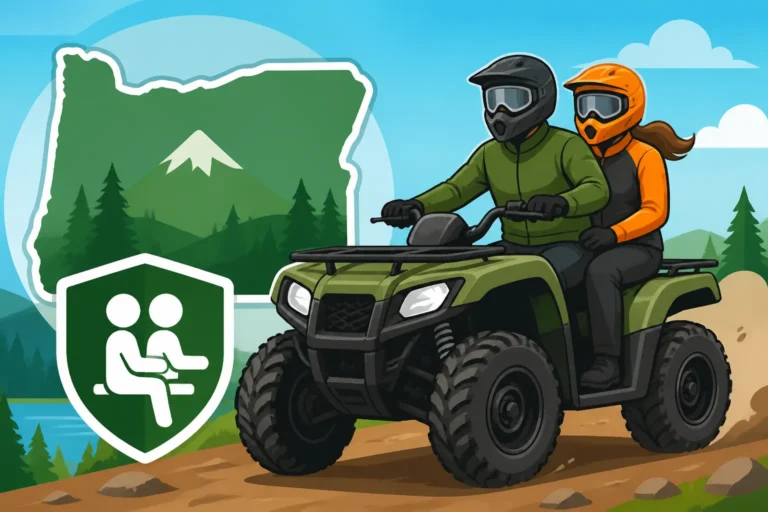
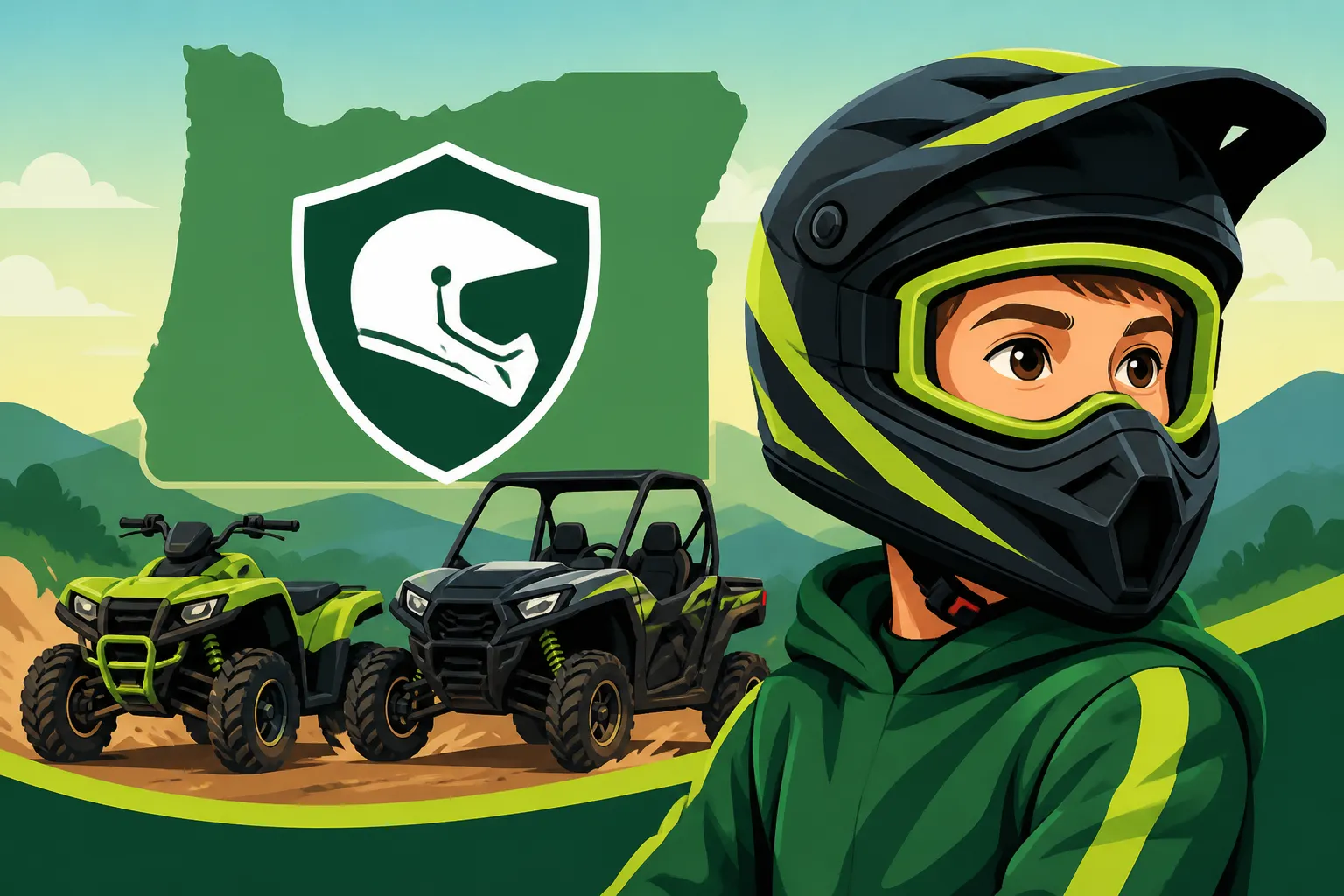
Oregon's helmet law for minors is impressively comprehensive, covering virtually every young person on an off-highway vehicle. If you're under 18 and operating any "all-terrain vehicle," or even just riding as a passenger, a helmet is legally mandated. This isn't just about the kid driving a quad; it extends to the passenger sitting next to them in a side-by-side, or the one perched behind the operator on a two-up machine. The law views all these scenarios through the lens of protecting developing brains.
The term "all-terrain vehicle" itself is quite broad in Oregon. It encompasses not only the traditional quads (Class I ATVs) but also off-road motorcycles (Class III), and side-by-sides (Class IV). Even the more unique machines like sand rails or dune buggies, if they fall under the Class II definition and are being operated by or carrying a minor off-road, typically fall under this helmet requirement. It's a blanket rule because the risk of head injury doesn't discriminate by machine type. For a deeper dive into how machines are classified, you might find [Oregon's Four ATV Classes Explained] helpful.
This universal application helps to remove ambiguity. You don't have to wonder if your teenager on a dirt bike is exempt, or if your younger child riding shotgun in your side-by-side needs one. The answer is a resounding yes for anyone under the age of 18. This clarity is a good thing for parents, as it streamlines the safety preparations and ensures that no one is inadvertently put at risk due to a technicality.
The "When" and "Where" of Helmet Use for Young Riders
The helmet requirement for minors isn't confined to a specific type of terrain; it's tied to the operation of an OHV in almost any public riding scenario. Whether you're navigating the sprawling sand dunes of the Oregon Coast, exploring the dense forests of the Tillamook State Forest, or cruising the high desert trails around Millican Valley, if a minor is on board an ATV, their helmet must be securely fastened. This includes designated OHV parks, Bureau of Land Management (BLM) lands, and National Forest lands.
Furthermore, if your route takes you onto county roads that have been opened to OHV use, or even the special designated routes in towns like [Riding an ATV Through Lakeside] or Sumpter, the helmet rule for minors still applies. Essentially, any place where public access is permitted for OHVs, you can expect the helmet law for those under 18 to be enforced. This means that from the moment your child swings a leg over their machine at the staging area until they are safely back off the trails, their helmet needs to be on.
The primary exception would be riding exclusively on your own private property, completely isolated from any public access roads or trails. However, even in such situations, most responsible parents would insist on helmet use anyway, knowing that accidents can happen anywhere. The law is designed for public safety in shared spaces, where interactions with other riders, varying terrain, and official oversight are common. When in doubt, it’s always best to err on the side of caution and ensure your young rider is wearing appropriate head protection.
What Makes a Helmet Oregon-Legal for Youth Riders?
It's not enough to simply have a helmet; it needs to be the right helmet. Just like you wouldn't send your kid out on the trails with bike pads that are too small or worn out, their helmet needs to meet specific safety standards to actually do its job. Oregon's law, while focused on the "under 18" aspect, implicitly relies on widely accepted safety certifications to define what constitutes a protective helmet. This is where terms like DOT and Snell come into play, and understanding them is crucial for every parent.
Choosing the right helmet can feel overwhelming with all the options out there. You'll see everything from basic open-face designs to full-face helmets with elaborate graphics. The key is to look past the aesthetics and focus on the safety certifications. A helmet that hasn't been tested and certified by recognized authorities might offer a false sense of security, which is arguably more dangerous than knowing you're unprotected.
Ultimately, the goal is to provide maximum protection for your child's head in the event of an impact, fall, or rollover. Taking the time to understand the standards and ensure a proper fit is a small investment for such a significant piece of safety equipment. After all, their brain is irreplaceable, and a quality helmet is the best defense we have. You'll find a lot of accessories and gear from companies like SuperATV to enhance your machine, but the helmet for your child is a non-negotiable safety item that must meet these specific criteria.
The Importance of DOT and Snell Certifications
When you're shopping for a helmet for your young rider, you'll inevitably encounter stickers or labels indicating "DOT approved" or "Snell certified." These aren't just fancy marketing terms; they represent rigorous testing and adherence to specific safety standards. The Department of Transportation (DOT) certification is a federal standard in the United States, meaning any helmet sold for use on public roads or trails must meet these minimum requirements for impact absorption and penetration resistance. It's the baseline for acceptable head protection.
However, many riders, especially those participating in more aggressive off-road sports, opt for helmets that also carry a Snell Memorial Foundation certification. Snell standards are typically more stringent than DOT, involving a wider range of impact tests, multiple impacts to the same spot, and different types of forces. While Snell certification isn't legally mandated for general OHV use in Oregon, it's widely regarded as the gold standard for helmet safety and offers an additional layer of confidence for parents concerned about their child's protection. For more detail on these standards, see [DOT and Snell Helmets in Oregon].
The frustration often comes when parents encounter helmets that might look good but lack these crucial certifications. It's vital to resist the temptation to purchase a cheaper, uncertified helmet, especially for a minor. These helmets might not offer the necessary protection in a crash, turning a serious incident into a catastrophic one. Always check for the DOT sticker, and if you can, consider a Snell-certified helmet for enhanced safety for your precious cargo.
Proper Fit and the Chin Strap Rule
Even the most expensive, highly-rated helmet in the world is useless if it doesn't fit correctly or isn't worn properly. For young riders, getting the fit right is absolutely critical, as a helmet that's too loose can shift during a fall, exposing vulnerable areas, and one that's too tight can be uncomfortable and distracting. When trying on a helmet, it should feel snug all around, without any pressure points. It shouldn't move side-to-side or up-and-down when your child shakes their head. If you can easily rotate it on their head, it's too big.
Beyond fit, the chin strap is arguably the most overlooked component of helmet safety. Oregon's law specifically states that a helmet, when required, must be "securely fastened." This means the chin strap must be tightened sufficiently so that the helmet cannot be easily removed or dislodged. It's a simple rule, but one that's often ignored by riders eager to get going. A loose chin strap defeats the entire purpose of the helmet, allowing it to fly off on impact and offering no protection at the critical moment. You can learn more about this specific requirement in [The Chin Strap Rule Oregon Enforces].
Parents, this is one of those non-negotiable checks before every ride. Make sure the helmet fits properly, and always, always ensure the chin strap is snugly fastened. It might feel a little restrictive at first for a child, but explaining the safety reasons behind it can help them understand its importance. A properly fitted and secured helmet is truly their best friend on the trails.
When a Roof and Roll Bar Doesn't Replace a Helmet
Here's a common misconception, especially with the rise in popularity of side-by-sides (UTVs) that come equipped with roofs and roll cages: "My child is in a side-by-side with a roll cage and seatbelts, so they don't need a helmet, right?" Wrong. In Oregon, for riders under 18, the helmet law applies even when they are passengers or operators in a caged machine. A roll bar or roof, while offering significant protection in a rollover event, does not eliminate the need for head protection.
Think about it this way: a roll cage protects the main body of the vehicle and its occupants from being crushed, but it doesn't prevent your child's head from impacting the inside of the cage during a sudden stop, a jarring bump, or a side impact. Debris can still fly into the cab, or a low-hanging branch could come through. The helmet is there to absorb those specific cranial impacts, reducing the risk of concussion or more severe brain injury. For specific guidance on this, check out [Helmet Rules for a Teenager in a Caged Side-by-Side].
The only potential exception for adults in some rare Class II vehicles that are street-legal and fully enclosed might apply, but for minors on any ATV (including side-by-sides), the helmet rule is firm. It's a critical distinction to make, and one that every parent who owns a side-by-side and takes their children riding needs to understand. Always buckle up, and for your minor passengers or operators, always put on a certified, properly fitted helmet with a secure chin strap.
Consequences of Non-Compliance and Ensuring Safety
Nobody wants to get a ticket, especially when you're just trying to enjoy a family outing. But beyond the legal repercussions, ignoring Oregon's helmet law for young riders carries far more serious potential consequences. It's not just about a fine; it's about the very real risk of preventable injury. As adults, we have a responsibility to not only understand the rules but to instill a culture of safety in our younger generation of riders.
The law isn't there to annoy us; it's a safety net. Off-road riding, while incredibly fun and exhilarating, inherently carries risks. Helmets dramatically reduce the severity of head injuries, which are among the most debilitating types of injuries in OHV accidents. By ensuring our children are properly equipped, we're doing more than just checking a box; we're actively participating in their well-being.
Let’s explore what happens if you don't follow the rules and, more importantly, how to build a comprehensive safety strategy that goes beyond just helmets. Our goal is always to have a fantastic day out, and the best way to do that is to come home safely, every single time.
What Happens if a Young Rider is Caught Without a Helmet?
Ignorance of the law is rarely an excuse, and in Oregon, if a minor is caught operating or riding as a passenger on an OHV without a helmet where one is required, it can lead to a direct interaction with law enforcement or a park ranger. This isn't just a friendly reminder; it typically results in a citation. These violations are often classified as a Class C traffic violation, similar to some minor speeding tickets or other moving infractions.
While the specific fine amount can vary, it's generally not a small sum, and it's certainly an unwelcome expense that could have been easily avoided. Rangers and deputies often patrol popular riding areas like the Oregon Dunes National Recreation Area, Tillamook State Forest staging areas such as Browns Camp, or Millican Valley, specifically looking for safety compliance, including helmet use for minors. They're not trying to ruin your day; they're enforcing rules designed to save lives. You can learn more about penalties in [Oregon's Class C Traffic Violation for No Permit].
Beyond the immediate financial penalty, there's the inconvenience and the potential for a spoiled day out. Being pulled over, dealing with paperwork, and possibly having your ride cut short is never how you envision your off-road adventure ending. The easiest way to avoid this scenario is to simply ensure every rider under 18 has a properly fitted, certified helmet securely fastened before the wheels even start turning.
Beyond the Law: The True Cost of Not Wearing a Helmet
While the legal penalties for not wearing a helmet are certainly a deterrent, the true "cost" of non-compliance goes far beyond a fine. We're talking about the potential for severe, life-altering head injuries. Even seemingly minor falls or impacts at low speeds can result in concussions, traumatic brain injuries, or worse, especially for children whose brains are still developing. No amount of fun or convenience is worth risking a child's future health and well-being.
As parents, we constantly weigh risks and benefits, and in off-road riding, the benefit of a helmet is overwhelmingly clear. It acts as a shock absorber, dispersing impact energy and preventing direct forces from damaging the skull and brain. Without it, a simple tip-over could lead to a catastrophic injury that impacts motor skills, cognitive function, or personality for the rest of their lives. It's an empathetic, realistic view to consider the worst-case scenario and realize how easily it can be mitigated with proper gear.
Think of the "cost" not just in terms of medical bills (which can be astronomical), but in terms of lost childhood, altered family dynamics, and the emotional toll on everyone involved. This perspective underscores why state laws like Oregon's are so stringent for minors—because they are most vulnerable, and their safety is paramount. Let's make sure our young riders have every chance to come home safe and sound, ready for the next adventure.
Other Safety Measures for Young Riders in Oregon
While helmets are absolutely foundational, a comprehensive approach to safety for young riders in Oregon extends beyond just head protection. The state has several other important requirements and recommendations designed to create a safer environment for kids on OHVs. One of the most significant is the [Oregon's ATV Safety Education Card]. All ATV operators, regardless of age, must carry an ATV Safety Education Card when riding on public lands. For those under 16, this also includes a mandatory hands-on training component. This card ensures that young riders have a basic understanding of safe riding practices, trail etiquette, and the rules of the road (or trail!).
Beyond formal requirements, active supervision is crucial for riders under 16. Oregon law often mandates that riders under a certain age be directly supervised by an adult who also possesses an ATV Safety Education Card. This isn't just about watching them; it's about providing guidance, teaching good habits, and being there immediately if something goes wrong. Understanding [Oregon Rules for Riders Under 16] is essential for parents.
Finally, ensuring your child is riding an appropriately sized machine for their age, weight, and skill level is vital. Overpowered or oversized machines can be incredibly dangerous and difficult for a child to control. Regular maintenance of the machine, teaching proper riding techniques, and always having a well-stocked first-aid kit are also important. By combining certified helmets with education, supervision, and common sense, we can help our young riders enjoy Oregon's fantastic OHV opportunities safely and responsibly.
| Safety Component | Requirement for Minors (Under 18) | Importance |
|---|---|---|
| Helmet | Mandatory (DOT/Snell certified, fastened) | Primary protection against head injury, legally required. |
| ATV Safety Card | Mandatory for all operators on public land | Ensures basic knowledge of safe operation and rules. |
| Supervision | Mandatory for riders under 16 | Direct oversight and guidance, immediate response in emergencies. |
| Appropriate Machine | Recommended (based on age/size/skill) | Prevents loss of control, reduces risk of accidents. |
| Proper Riding Gear | Recommended (gloves, eye protection, boots, long sleeves/pants) | Protects from abrasions, impacts, and environmental hazards. |
| Spark Arrester | Mandatory for all ATVs on public land | Prevents wildfires, legal requirement. [Oregon Spark Arrester Requirement] |
Disclaimer
This article is for general informational purposes only and does not constitute professional advice. Laws, prices and regulations vary by location and change over time. Consult a qualified professional for guidance on your specific situation.