Oregon Helmet Law for ATV Riders
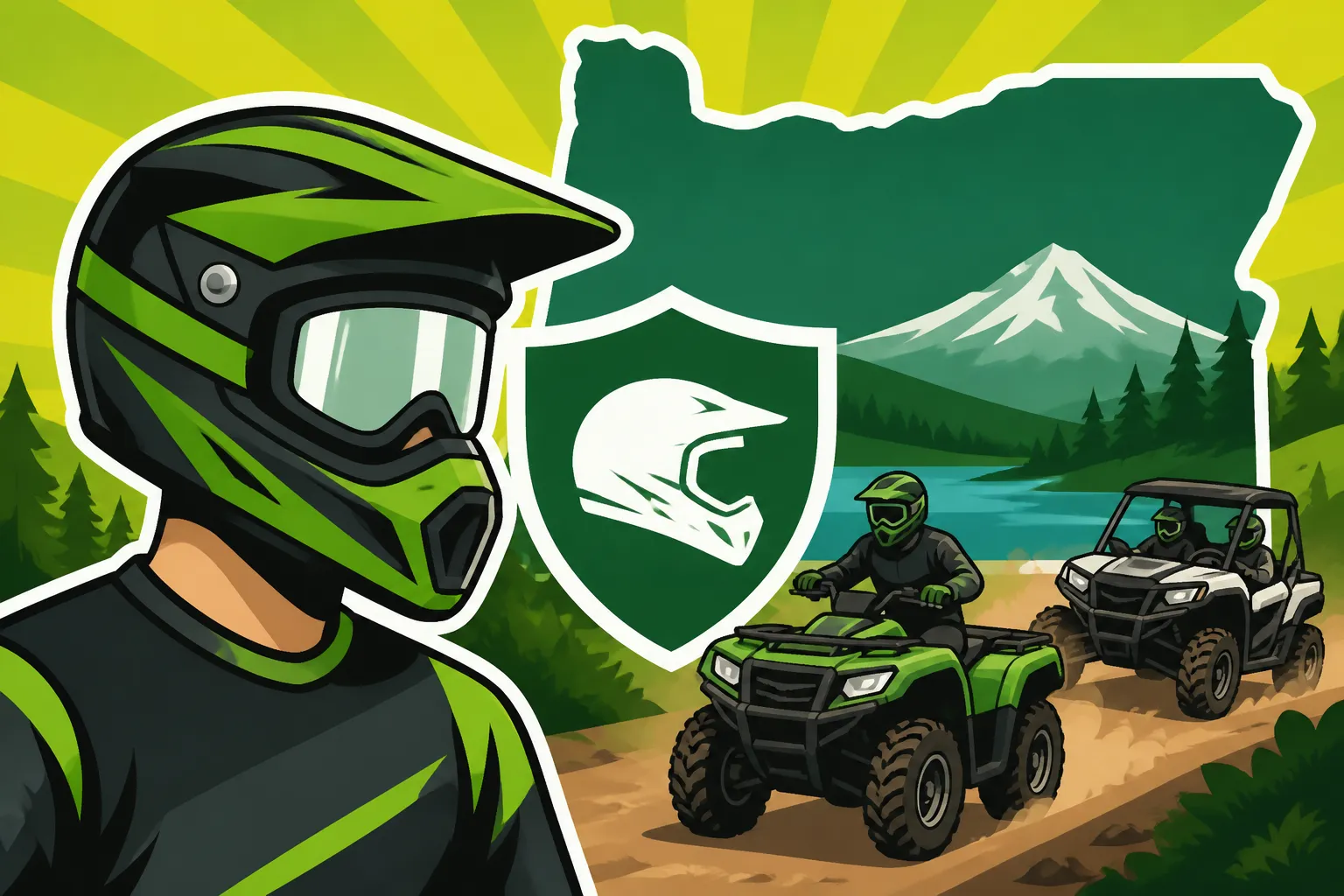
Riding an ATV or UTV in Oregon promises incredible adventures, from the sandy expanses of the coast to the dusty trails of the high desert. But before you hit the throttle, there's often a lingering question that causes confusion and sometimes frustration for riders: "Do I really need to wear a helmet?" It feels like the rules change depending on your age, your machine, and even where you're riding, leaving many scratching their heads. This comprehensive guide is here to untangle the complexities of Oregon's helmet laws for ATV riders, ensuring you know exactly when, where, and why you need to protect your head, so you can focus on the ride ahead.
Why Helmets Are Non-Negotiable in Oregon (Mostly)
Let's be honest, nobody likes being told what to do, especially when you're just trying to enjoy a recreational activity. But when it comes to head protection on an ATV, the rules in Oregon are designed to keep you safe, and they vary significantly depending on who's riding and what they're riding. Understanding these nuances can prevent a costly ticket and, more importantly, a serious injury.
The Universal Rule: Under 18, Always Helmet Up
If you have a child, a teenager, or anyone under the age of 18 riding an ATV, side-by-side, dirt bike, or any other off-highway vehicle (OHV) in Oregon, the helmet rule is crystal clear: they must wear a DOT or Snell-approved helmet. There are no exceptions for machine type, whether it's a quad, a dirt bike, or a side-by-side. This isn't just a suggestion; it's the law, enforced for their protection.
Think about it: kids are still developing, and their reflexes might not be as sharp as an experienced adult's. A simple tip-over, a sudden stop, or an unexpected branch can turn a fun day into a nightmare without proper head protection. We've all seen those cringe-worthy moments, or maybe even had a close call ourselves. The law acknowledges this vulnerability. So, whether your 15-year-old is tearing up the dunes at Florence, or your younger child is learning to navigate trails in the Tillamook State Forest, their helmet needs to be securely fastened at all times while the machine is in operation. This rule applies uniformly across all public lands and designated riding areas in Oregon. You can dive deeper into this specific requirement by checking out [Oregon Helmet Law for Riders Under 18].
The Adult Gray Area: When You Might (or Might Not) Need One
Now, for adults aged 18 and over, the waters get a little murkier, and this is where a lot of the confusion stems from. For many years, the general understanding was that adults didn't always need a helmet on traditional ATVs (quads) or dirt bikes if they were riding strictly off-road. And while that's still largely true for many trail scenarios, it's not a blanket exemption. The type of machine and the specific riding location are crucial factors.
If you're an adult on a Class I quad, a Class III dirt bike, or even a Class IV side-by-side, and you're out on public off-road trails, you're generally not legally mandated to wear a helmet. However, and this is a huge "however," law enforcement and safety advocates, myself included, will always strongly recommend it. It only takes one unforeseen obstacle, one slick patch, or one momentary lapse in judgment to cause an accident. Many adults, knowing the risks, choose to wear one every single time they ride, regardless of the legal requirement, and that's a smart move.
The legal landscape shifts dramatically when you enter a "designated highway access route." These are specific public roads that have been opened to OHV use in certain towns, like [Lakeside and Sumpter: Oregon's Only Two Routes]. On these routes, if you are an adult operating a Class I, III, or IV machine, you must wear a DOT-approved helmet. This is because you are sharing the roadway with conventional traffic, increasing the risk of higher-speed collisions.
The most significant "gray area" for adults often revolves around Class II machines, which can sometimes be street-legal. These are typically custom-built off-highway vehicles, like some sand rails or highly modified UTVs, that meet specific criteria for road use. If you're driving a Class II machine that has a fully enclosed occupant compartment (like a proper roof and roll cage, similar to what a SuperATV full roll cage system might provide), adults aged 18 and over may be exempt from the helmet law when operating on designated public roads. This exemption is highly specific and relies on the machine's construction. It's crucial not to confuse this with a standard side-by-side that simply has an aftermarket roof; the machine must be classified as a Class II, often meaning it has undergone a registration process to be street-legal, and still, the law is about the occupant compartment. For a detailed look at adult requirements, see [Oregon Helmet Law for Adults].
Understanding Oregon's ATV Classes and How They Affect Helmet Rules
Oregon’s off-highway vehicle laws classify machines into different categories, and these classifications directly influence helmet requirements, especially for adults. It's not just about "quads" versus "side-by-sides"; the specific legal definition matters.
Class I and III: The Traditional ATV and Dirt Bike Riders
When most people think of off-road riding, they picture a traditional quad or a dirt bike. In Oregon, these fall under Class I and Class III, respectively.
-
Class I All-Terrain Vehicles (ATVs): These are the machines with three or more wheels, a seat designed to be straddled by the operator, and handlebars for steering. Often referred to simply as "quads" or "four-wheelers." For more on their definition, check out [Oregon's Class I Under ORS 801.190]. For Class I machines, the helmet rule is straightforward: anyone under 18 must wear a DOT or Snell-approved helmet. For adults 18 and over, while highly recommended for safety, it's not legally required unless you are riding on a designated highway access route. This is where many riders get caught out. You might be having a fantastic day on forest trails without a helmet, but the moment you enter one of those marked county or city roads opened to ATVs, that helmet needs to be on and securely fastened. Law enforcement officers, whether it's a Sheriff's Deputy or a State Park Ranger, often perform [Decal Checks at Spinreel] and will also be looking for helmet compliance on these routes.
-
Class III Off-Road Motorcycles: This category includes dirt bikes and other two-wheeled off-road motorcycles. Their definition is fairly simple and distinct. You can learn more about them in [Class III Off-Road Motorcycles in Oregon]. Just like Class I machines, if you're under 18 and riding a dirt bike on public lands or trails in Oregon, a DOT/Snell-approved helmet is absolutely mandatory. For adults 18 and over, the same rules apply as Class I: helmets are strongly advised for safety but are only legally required when operating on those specific designated highway access routes. Picture a rider cruising through the technical singletrack of the Tillamook State Forest; they might not be legally mandated to wear a helmet if they're over 18 and strictly on the trail. But if they take that dirt bike onto the designated route through Sumpter, that helmet becomes a legal requirement.
Class II and IV: The Side-by-Sides and Street-Legal Exceptions
This is where the variety in off-road vehicles really comes into play, creating more specific scenarios for helmet laws.
-
Class IV Off-Road Vehicles: This class covers most of what we commonly refer to as "side-by-sides," "UTVs," or "ROVs" (Recreational Off-Highway Vehicles). These are machines designed to be operated by a driver and one or more passengers, with a non-straddle seat (like a bench or bucket seats) and a steering wheel. They typically come with a roll bar or roll cage as standard equipment. For the exact definition, refer to [Oregon's Class IV Side-by-Sides Under 75 Inches]. The helmet rules for Class IV machines largely mirror those for Class I and III: all riders under 18 must wear a DOT/Snell-approved helmet with the chin strap fastened. For adults 18 and over, it's highly recommended but not legally required unless the vehicle is being operated on a designated highway access route. So, if you're cruising your side-by-side through the Millican Valley OHV area, you (as an adult) aren't legally compelled to wear a helmet, though it's still a good idea. However, if you drive that same side-by-side onto the designated route in Lakeside, that helmet better be on. Even if you've kitted out your rig with a heavy-duty roll cage and a full windshield from a brand like SuperATV, the core helmet rules for your Class IV machine remain the same.
-
Class II All-Terrain Vehicles: This is the category that sometimes provides a helmet exemption for adults, but it's crucial to understand its very narrow definition. [Oregon's Class II Under ORS 801.193] defines these as vehicles that meet the definition of an ATV (can be driven off-road) but have also been certified and equipped to be street-legal. This often includes custom-built sand rails, dune buggies, or heavily modified UTVs that have gone through a stringent inspection and registration process to be plated for road use. For more details on what makes a machine Class II, see [Class II Machines That Can Be Plated in Oregon]. The key here is "street-legal" and the presence of a "factory-installed or equivalent occupant compartment" which includes a roof and a roll cage. If an adult aged 18 or over is operating one of these specific Class II machines with its approved roof and roll cage, and they are on a designated public road (like a street-legal Class II sand rail navigating a town with an open route), they may be exempt from the helmet requirement. This is the exception, not the rule, and it's vital not to apply this to all side-by-sides. Even for Class II machines, if you're taking it off-road onto trails, the adult helmet recommendation (and sometimes requirement, if on a highway access route) still applies. Furthermore, Class II machines have specific [Insurance Oregon Requires for Class II].
The Critical Details: DOT, Chin Straps, and Designated Routes
Beyond knowing when you need a helmet, it's equally important to know what kind of helmet you need and how to wear it correctly. Oregon's laws aren't just about presence; they're about proper, effective protection.
What Kind of Helmet Does Oregon Require?
Oregon doesn't just say "wear a helmet." The law specifies that any required helmet must be a DOT or Snell-approved model. What does that mean for you?
- DOT (Department of Transportation) Certification: This indicates that the helmet meets the minimum safety standards set by the U.S. government for crash protection. You'll typically find a DOT sticker on the back of the helmet. This certification means the helmet has been tested to withstand certain impacts, has adequate coverage, and won't easily come off in a crash.
- Snell Certification: Snell is an independent, non-profit organization that develops even more rigorous helmet safety standards. A Snell-certified helmet often exceeds DOT requirements, offering a higher level of protection. While not explicitly required by Oregon law (DOT is the minimum), a Snell-certified helmet is an excellent choice for any rider seeking maximum safety.
The type of helmet matters. A bicycle helmet, skateboard helmet, or any other helmet not explicitly marked DOT or Snell-approved for motor vehicle use will not meet Oregon's legal requirements for ATVs. These types of helmets are designed for different kinds of impacts and speeds and simply don't offer the necessary protection in an ATV accident. It's an easy mistake to make, especially for casual riders, but rangers at popular staging areas like [Decal Checks at Browns Camp] are well-versed in checking for proper certification. For a comprehensive understanding, consult [DOT and Snell Helmets in Oregon].
The Chin Strap Rule Oregon Enforces
This is a detail that often gets overlooked, but it's incredibly important. A helmet is only effective if it stays on your head during an impact. That's why Oregon's helmet law, when applicable, also requires that the chin strap be securely fastened. It’s not enough to just have the helmet on; it must be worn correctly.
Think of it this way: what good is the best DOT/Snell helmet if it flies off your head the moment you hit a bump or, worse, during a rollover? A loose chin strap turns a protective piece of gear into little more than a hat. Law enforcement officers are trained to look for this. A helmet worn improperly could still lead to a citation, even if it's the right type of helmet. So, take those few extra seconds to make sure the strap is snug—not uncomfortably tight, but secure enough that the helmet can't easily be pulled off your head. This seemingly small detail is a critical part of [The Chin Strap Rule Oregon Enforces].
Helmet Rules on Oregon's Designated Highway Access Routes
We've touched on this before, but it bears repeating because it's a primary source of confusion and citations for adult riders. Oregon has specific roads, usually within or connecting to small towns, that are designated as "highway access routes" for OHVs. [Oregon's ATV Highway Access Routes] allow riders to legally traverse short sections of public roads to get from a staging area to a trail, or even to access local businesses.
For all OHV classes (I, II, III, and IV), if you are operating your machine on one of these designated highway access routes, every rider and passenger, regardless of age (unless meeting the specific Class II adult exemption previously discussed), must wear a DOT or Snell-approved helmet with the chin strap fastened. This means if you're an adult on a quad riding down a main street in Sumpter, or traversing a paved section to get to the dunes near Lakeside, your helmet must be on. Even if you don't typically wear one on the trails, the rules change the moment you enter these designated road systems. These routes are clearly marked, often with signs indicating "OHV Route" or similar. Always be aware of your surroundings and any signage.
| Rider Age | Machine Type (Oregon Class) | Off-Road Trails (Public Land) | Designated Highway Access Routes | Street-Legal Class II (with roof/cage) on Designated Routes |
|---|---|---|---|---|
| Under 18 | All Classes (I, II, III, IV) | Mandatory DOT/Snell Helmet with chin strap | Mandatory DOT/Snell Helmet with chin strap | Mandatory DOT/Snell Helmet with chin strap |
| 18 and Over | Class I (Quad) | Highly Recommended, Legally Not Always Required* | Mandatory DOT/Snell Helmet with chin strap | N/A (Class I cannot be street legal) |
| 18 and Over | Class III (Dirt Bike) | Highly Recommended, Legally Not Always Required* | Mandatory DOT/Snell Helmet with chin strap | N/A (Class III cannot be street legal) |
| 18 and Over | Class IV (Side-by-Side) | Highly Recommended, Legally Not Always Required* | Mandatory DOT/Snell Helmet with chin strap | Highly Recommended, Legally Not Always Required* |
| 18 and Over | Class II (Street-Legal Buggy/UTV) | Mandatory DOT/Snell Helmet with chin strap (if riding off-road) | Mandatory DOT/Snell Helmet with chin strap | May be exempt with factory-installed roof/roll cage/occupant compartment** |
*Note: While not always legally mandated for adults off-road, wearing a helmet is strongly advised for personal safety.
**Exemption is very specific to the machine's construction and use on designated public roads. Always verify local ordinances.
Safety First: Beyond the Letter of the Law
While understanding the legal requirements is essential for avoiding fines and ensuring compliance, true safety goes beyond simply ticking boxes. As an experienced rider, I've seen firsthand how quickly situations can change and how much difference proper gear makes.
Why Always Wearing a Helmet is Your Best Bet
Look, nobody plans to have an accident. But anyone who's spent enough time riding knows that unexpected things happen. A hidden rut, a slick root, a sudden shift in terrain, or even another rider's mistake can put you on the ground in a heartbeat. When you factor in the weight of your machine, the speeds involved, and the often rugged terrain, the potential for head injury is significant.
Even a slow-speed tip-over can result in a concussion or worse if your head hits a rock or a hard surface without protection. High-speed impacts can be catastrophic. The truth is, a helmet is the single most important piece of safety equipment you can wear on an ATV or UTV. It protects against traumatic brain injury, which can have life-altering consequences. Many riders, regardless of age or legal requirement, simply make it a habit to always wear their DOT/Snell-approved helmet. It's a small inconvenience for a monumental layer of protection. Consider it a non-negotiable part of your pre-ride checklist, right up there with checking your tires and fuel. Even if you're just putting around your own property, an unseen hazard can quickly turn a casual ride into a medical emergency.
Other Essential Safety Gear to Consider
While the helmet is paramount, don't stop there. A comprehensive approach to safety gear will greatly enhance your protection and your overall riding experience.
- Eye Protection: Goggles or safety glasses are critical. Dust, flying debris, branches, and even insects can impair your vision in an instant, leading to an accident. Many helmets come with visors, but separate goggles often offer better sealing against dust and are less prone to fogging.
- Gloves: Protect your hands from blisters, abrasions, and impacts. They also improve your grip on the handlebars, which is crucial for control.
- Long-Sleeved Shirt and Pants: Even in warm weather, long sleeves and pants made of durable material can protect your skin from scrapes, cuts, and sun exposure.
- Over-the-Ankle Boots: Sturdy boots protect your feet and ankles from impacts, provide good grip on footpegs, and can prevent your feet from getting caught under the machine.
- Chest Protector/Roost Guard: Especially for dirt bike riders and more aggressive ATV riders, a chest protector can shield your torso from impacts, flying debris ("roost" from other tires), and even help distribute impact forces in a crash.
- Knee and Elbow Pads: These can prevent painful scrapes and impacts to your joints, particularly important when navigating technical terrain.
Ultimately, riding an ATV or UTV in Oregon is an incredibly rewarding experience. By understanding and adhering to the helmet laws—and by prioritizing safety beyond just the legal minimum—you can enjoy those adventures with greater peace of mind, knowing you and your passengers are as protected as possible.
Disclaimer
This article is for general informational purposes only and does not constitute professional advice. Laws, prices and regulations vary by location and change over time. Consult a qualified professional for guidance on your specific situation.