Permits for a Guide Service Fleet
Running an ATV or UTV guide service in Oregon means you're offering incredible experiences on some of the most stunning public lands our state has to offer, from the roaring dunes to the peaceful forest trails. But with that comes a unique set of responsibilities, especially when it comes to making sure every single machine in your fleet is legally permitted. It can feel like a maze trying to figure out if your business's machines follow the same rules as a private rider's, and this guide is here to untangle all those questions, ensuring your operation stays compliant and smooth sailing.
Understanding Oregon's ATV Permit Requirements for Commercial Operations
When you're running a commercial guide service, it’s easy to think that your business might have different rules for ATVs and UTVs than the individual rider. However, when it comes to operating on public lands in Oregon, the core requirements are largely the same. Every machine needs to play by the rules, regardless of who owns it or whether it's part of a revenue-generating enterprise. This isn't just about avoiding a ticket; it's about being a responsible land user and contributing to the upkeep of the very trails and dunes that make your business possible.
Why Every Machine Needs a Permit, Even for a Business
Let's cut right to the chase: if a machine, whether it's an ATV, UTV, or dirt bike, is operating on public land in Oregon, it needs an [Oregon's ATV Operating Permit]. This isn't a suggestion; it's a legal mandate. It doesn't matter if it's your personal quad you take out on weekends, a rental machine from a local shop, or one of the side-by-sides in your guide service fleet; the permit is required. The spirit of the law is simple: those who use the public lands for OHV recreation contribute to their maintenance and management.
Think about it this way: your guide service might take clients to explore the vast expanses of the Oregon Dunes or navigate the challenging trails of the Tillamook State Forest. These are public lands, maintained by various agencies, and the permit fees are a direct lifeline for that maintenance. The funds collected from these permits go directly back into the OHV program, supporting everything from trail upkeep and signage to staging area improvements and educational initiatives. Without these funds, our amazing riding areas would quickly deteriorate, impacting everyone, especially businesses that rely on their accessibility and quality. So, while it might feel like an extra step, each permit is a small investment in the future of your business and the sport.
The Role of the Oregon Parks and Recreation Department
The Oregon Parks and Recreation Department (OPRD) is the state agency primarily responsible for overseeing the Off-Highway Vehicle (OHV) program in Oregon. This means they are the ones setting the rules, managing the permit system, and, critically, enforcing compliance out on the trails and in the staging areas. When you see a ranger at places like [Spinreel] on the coast or [Browns Camp] in the Tillamook State Forest, they are there to ensure everyone is riding safely and legally, which includes checking for valid permits.
For a guide service, understanding OPRD's role is paramount. Their rangers conduct routine checks, and if a machine in your fleet is found operating without a current permit, it's not just a minor oversight. It can lead to a citation, which means an interruption to your tour, a potential fine, and a negative impact on your business's reputation. Beyond enforcement, OPRD is also a resource. They publish detailed information on rules, closures, and best practices. Staying informed about their guidelines, including any temporary closures due to weather or environmental concerns, ensures your operation runs smoothly and respects the delicate ecosystems where you operate. Partnering with OPRD by adhering to their regulations contributes to a positive public image for your business and the OHV community as a whole.
How to Obtain Permits for a Fleet
Getting permits for a single ATV is one thing; managing permits for an entire fleet of machines is another. While the process for each individual permit remains the same, the sheer volume can feel overwhelming. However, with a little organization and a clear understanding of your options, you can streamline the process and ensure every vehicle in your commercial operation is squared away.
Centralized Purchase Options for Commercial Operators
Oregon offers several convenient ways to purchase ATV operating permits, which is a blessing when you're dealing with multiple machines. For a guide service, the most efficient method is often through the online portal on the Oregon Parks and Recreation Department's website. This allows you to process permits for each machine from the comfort of your office, rather than having to physically visit a vendor for each one. While you'll still enter information for each machine individually, it cuts down on travel time and allows you to manage the paperwork digitally.
Alternatively, you can purchase permits through [Oregon Permit Agents You Can Walk Into]. These agents are often ATV dealerships, sporting goods stores, or even some small general stores in riding areas. This can be useful if you're making a bulk purchase and prefer a face-to-face transaction, or if you have a new machine that needs a permit right away before a scheduled tour. Regardless of how you purchase, it's crucial to keep meticulous records. A spreadsheet detailing each machine's VIN, permit number, and expiration date can save you a huge headache down the line. Using a reliable system, perhaps even a basic document management solution, for organizing your fleet's bills of sale and permit documentation can be invaluable. Tools that help manage business documents, like those offered by LawDepot, can provide templates for these records, making it easier to track all the necessary information for your machines and ensure compliance.
Decal Placement for Commercial Machines
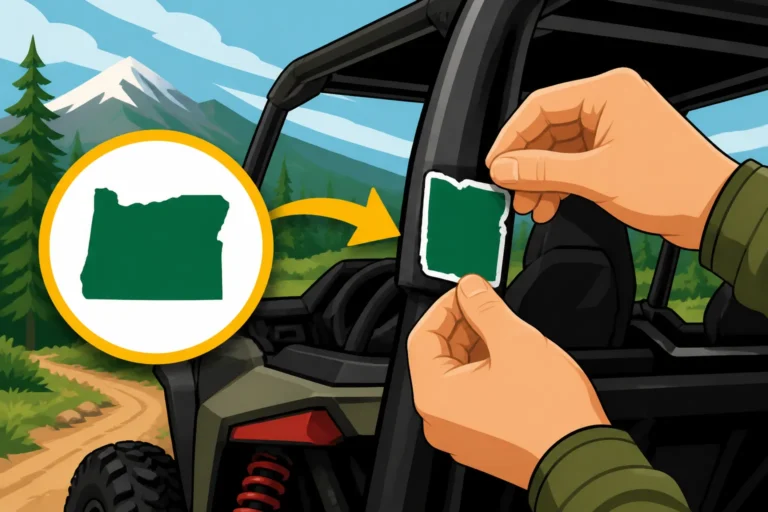
Once you have those shiny new permits, the next critical step is ensuring the decals are correctly placed on each machine in your fleet. This isn't just an aesthetic choice; it’s about compliance and ease of identification for rangers. Each [Oregon Permit Decals and Where They Go] comes with specific instructions, and following them precisely prevents any misunderstandings or potential citations during a roadside or trailside check. The general rule of thumb is that the decal must be clearly visible on the right side of the machine, but this can vary slightly depending on the ATV's class and configuration.
For a traditional quad (Class I ATV), the decal typically goes on the right-hand side, often on the right front fender or an equivalent visible surface, as specified in [Decal Placement on a Quad's Right Side]. For a larger side-by-side (Class IV UTV), which often has more bodywork, the decal placement instructions for a [Decal Placement on a Class IV Machine] might indicate a different spot, such as the right side of the vehicle's frame or roll bar, as long as it's easily visible from the right side of the machine. The key is that it must be affixed directly to the machine itself, not on a removable part like a cooler or a spare tire. Improper placement, or a decal that's obscured, damaged, or peeling off, can still result in a ranger questioning its validity. Taking a few moments to apply these decals correctly, in a clean, visible spot, will save you and your guides from potential delays or issues when out on a tour.
Special Considerations for Guide Services
Operating a guide service introduces layers of complexity beyond what a private rider typically faces. You're not just responsible for your own safety and compliance; you're responsible for your clients, your employees, and the overall reputation of your business. This means thinking about more than just machine permits; it's about the people operating them, the financial protections in place, and the administrative processes that keep everything running like a well-oiled machine.
Safety Cards for Operators and Guides
While your machines need permits, the people driving them need something else: an [Oregon's ATV Safety Education Card]. This isn't just for teenagers; in Oregon, virtually anyone who operates an ATV or UTV on public land, regardless of age, needs this card. This absolutely includes all of your guides and any employees who will be operating the machines as part of their job. The only common exception is for individuals holding a valid driver's license operating a Class IV machine (side-by-side) who are 16 years or older. Otherwise, the card is mandatory.
The good news is that getting an [Oregon ATV Safety Card Cost] is nothing; the online course itself is free, making it accessible for all your staff. However, they do need to pass the exam and complete any hands-on training requirements if applicable (especially for those under 16 or those taking the 180-day instructional permit route). Having all your guides properly certified not only ensures compliance but also enhances the safety and professionalism of your operation. It shows your clients that you prioritize their well-being by employing knowledgeable and certified operators. Encourage new hires to complete the online course early, perhaps even before their first day on the job, to ensure they're ready to hit the trails legally.
Insurance and Liability for a Commercial Fleet
This is where the rubber meets the road for a commercial operation: insurance and liability. An ATV operating permit covers the machine's right to be on public land and contributes to trail maintenance, but it does not cover liability for accidents, injuries, or property damage. For a guide service, robust commercial liability insurance is non-negotiable. If you're running [Oregon's Class II Under ORS 801.193] machines (like some street-legal UTVs or specialty vehicles) that might cross or operate on designated roads, mandatory insurance requirements may also apply to those specific vehicles for road use.
Beyond basic insurance, you also need to consider client waivers. Before anyone steps foot in one of your machines, they should sign a comprehensive liability waiver. This document clearly outlines the inherent risks of ATV/UTV riding and ensures clients understand they are participating at their own risk. Drafting such a legal document requires careful attention to detail. Services like LawDepot offer customizable legal forms and templates, including liability waivers, which can be a valuable resource for guide services looking to create legally sound documents that protect their business. Always consult with a legal professional to ensure your waivers and insurance coverage are appropriate for your specific business model and state laws.
Maintaining Records and Renewals
With a fleet of machines, tracking individual permit expiration dates can quickly become a logistical challenge. Oregon's ATV permits are valid for [Why Oregon's Permit Lasts Two Years], which gives you some breathing room, but it also means permits will expire on different dates depending on when each machine was purchased or first permitted. It's not uncommon for a busy guide service to suddenly realize a few machines are operating on lapsed permits, especially if they weren't all purchased and permitted at the same time.
Establishing a clear, centralized system for tracking all your permits is crucial. A digital calendar with reminders set well in advance of each expiration date can be a lifesaver. You'll want to know exactly when it's time for [Renewing an Oregon ATV Permit] for each vehicle. Keep a physical or digital folder containing copies of all permits, safety cards for your employees, and any associated documentation like bills of sale. This level of organization simplifies audits, insurance claims, and general fleet management. Furthermore, for a business, having a centralized place for all legal documents, from employee contracts to equipment purchase agreements, is smart. Online legal resource providers like LawDepot can be beneficial for small businesses to keep track of and generate various legal forms and records, ensuring everything from employee agreements to equipment purchase forms are organized and up-to-date alongside your permit information.
Common Pitfalls and Best Practices
Running a guide service is already demanding, balancing client satisfaction with operational logistics. The last thing you need is a preventable issue related to permits or compliance. By understanding common pitfalls and adopting best practices, you can save your business from unnecessary fines, operational disruptions, and reputational damage. It's all about proactive management and diligent oversight.
Avoiding Fines and Closures
The penalties for operating an unpermitted ATV or UTV in Oregon are not insignificant. Beyond the immediate disruption to your tour, getting caught without a permit can result in [Oregon Fines for Riding Without a Permit]. These are often classified as a [Oregon's Class C Traffic Violation for No Permit], and while they might seem minor for a single machine, imagine receiving several of these for multiple machines in your fleet during a single check. That can quickly add up to a substantial financial hit, not to mention the embarrassment and loss of customer trust.
Beyond permits, guide services must stay acutely aware of riding area closures and restrictions. Oregon's riding areas are dynamic, with closures due to fire season, weather events, or environmental protections like [Snowy Plover Season on the Oregon Coast]. Operating in a closed area, even inadvertently, can lead to severe fines and a potential ban from public lands. This is why it’s a best practice to check the OPRD website and local land manager sites (Forest Service, BLM) daily, or at least before every tour, for any updates specific to your planned riding location. Ignorance of a closure is rarely an acceptable defense for a commercial operator.
Proving Ownership and Titling
In Oregon, [Titling an ATV in Oregon Is Optional] for machines used exclusively off-road. For a private individual, this might seem like a convenient way to avoid some paperwork. However, for a guide service managing valuable assets, opting out of titling can create administrative headaches down the road. A title provides clear, irrefutable proof of ownership, which is incredibly important for business assets. It simplifies insurance claims, resale, and any potential legal disputes over ownership.
Even if you choose not to title every machine, maintaining meticulous records of purchase and ownership is paramount. Every machine in your fleet should have a proper [Oregon Bill of Sale for an ATV] from its original purchase, especially if you're buying used machines. This document, alongside a well-organized fleet inventory, can serve as proof of ownership if a title isn't available. When buying used ATVs for your fleet, always check the VIN and ensure the seller can provide a clear chain of ownership. If you ever need to sell a machine, having a complete record, or better yet, a clear title, will make the process much smoother and protect your business from potential liabilities. Using readily available, professional templates for bills of sale, such as those provided by LawDepot, can ensure that all the necessary information is captured for each transaction, creating a verifiable record for your business.
| Requirement | Description | Who Needs It |
|---|---|---|
| ATV Operating Permit | Required for every OHV on public land. Valid for two years from purchase. | Each machine in the guide fleet |
| Safety Education Card | Required for every operator (driver) of an OHV on public land. | All guides and employees |
| Proper Decal Placement | Decals must be visible and correctly affixed to each permitted machine. | Each permitted machine |
| Commercial Insurance | Essential for liability protection, separate from permit coverage. | The guide service business |
| Record Keeping | Tracking permit dates, safety cards, maintenance, and ownership documents. | The guide service management |
Disclaimer
This article is for general informational purposes only and does not constitute professional advice. Laws, prices and regulations vary by location and change over time. Consult a qualified professional for guidance on your specific situation.