Where Oregon ATV Permit Money Goes
It's a familiar feeling, isn't it? You dutifully shell out money for that [Oregon's ATV Operating Permit] decal, stick it proudly on your machine, and head out to the dunes or trails. But as the dust settles, a question often lingers: "Where exactly does all that permit money go?" It’s a fair question, and one many riders grapple with, wondering if their hard-earned cash is truly making a difference. This guide will pull back the curtain on Oregon's OHV funding, revealing precisely how your permit dollars are put to work maintaining, expanding, and protecting the very places we love to ride.
The Oregon OHV Grant Program: The Primary Destination for Your Dollars
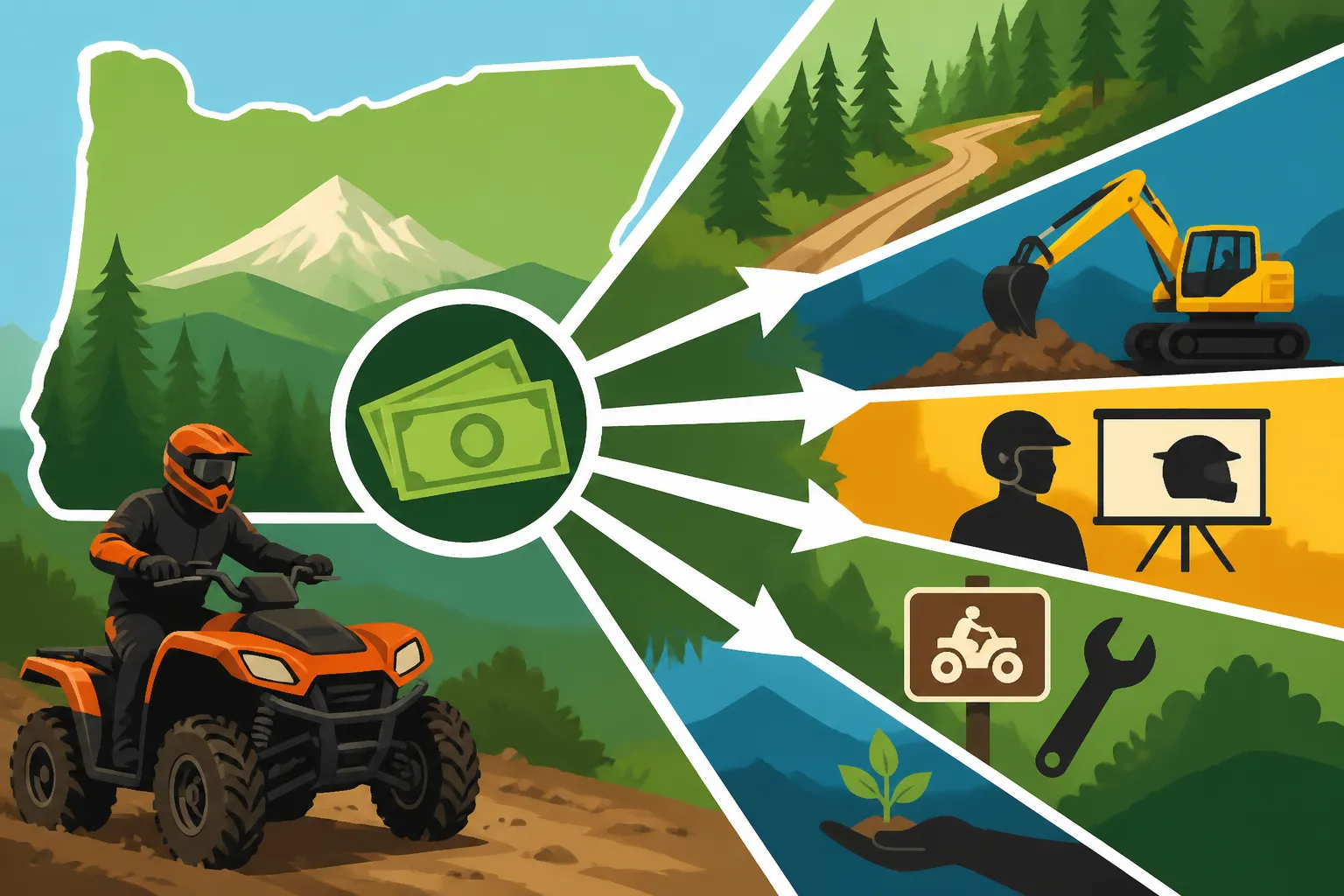
When you purchase an [Oregon ATV Permit Cost], whether it's for your roaring quad or your family's side-by-side, the vast majority of that fee doesn't just disappear into a general state fund. Instead, it's channeled directly into the Oregon OHV (Off-Highway Vehicle) Grant Program. Think of this program as the heart of Oregon's OHV ecosystem, pumping vital resources into the trails, staging areas, and educational initiatives that make our riding experiences so fantastic. This isn't just some vague government pot; it's a dedicated fund designed to ensure the longevity and quality of Oregon's expansive OHV network.
The frustration of paying fees and not seeing a direct benefit is real. We've all been there, wondering if our contributions are just a drop in the bucket. But with Oregon's system, there's a clear, accountable pathway for these funds, heavily focused on the actual physical infrastructure and operational needs of OHV recreation. This transparency is a cornerstone of the program, driven by the desire to keep riders informed and invested in the future of their sport.
Funding Trails and Infrastructure
Imagine pulling into a staging area that's recently had fresh gravel laid, or riding a trail that's been meticulously cleared of fallen logs after a winter storm. These aren't acts of magic; they're the direct result of the permit money flowing into the OHV Grant Program. This fund is primarily dedicated to the tangible elements of our riding experience, ensuring that when you head out, you're greeted with well-maintained, safe, and enjoyable areas.
Trail maintenance is a continuous, often labor-intensive effort. From clearing brush and repairing erosion damage to replacing worn-out bridges or installing new culverts, these projects keep our trails rideable and sustainable. Without this funding, many of our favorite routes would quickly become overgrown, dangerous, or environmentally unsound. Consider the sheer mileage of trails across the state, from the dense forests of the Tillamook State Forest to the sprawling sand of the Oregon Dunes. Each mile requires attention, and your permit fee helps provide the resources for those boots on the ground, or rather, those machines on the trails, doing the necessary work.
Beyond the trails themselves, the program also invests heavily in infrastructure at staging areas. This can include anything from paving parking lots to installing new vault toilets, building kiosks with maps and information, or even constructing wash stations to help prevent the spread of invasive species. Think about the improvements you might have seen at popular spots like Spinreel or Browns Camp over the years. These aren't coincidences; they are strategic investments made possible by the collective contributions of riders like you. A freshly graveled parking lot might seem minor, but it makes a huge difference when you're loading up a heavy trailer, especially after a long, muddy ride. This infrastructure supports not just the riding, but the entire experience, from arrival to departure.
Safety and Education Initiatives
While visible trail improvements are certainly impactful, a significant portion of the OHV Grant Program also goes toward something less tangible but equally vital: safety and education. Oregon is deeply committed to ensuring that riders of all ages and experience levels can enjoy OHV recreation safely. This commitment translates into funding for programs that teach safe riding practices, environmental stewardship, and general trail etiquette.
One of the most impactful initiatives supported by these funds is the provision of safety courses. Did you know that [Oregon's ATV Safety Education Card] is actually free to obtain? This is because the costs associated with developing, hosting, and maintaining the online course, as well as supporting hands-on training providers, are subsidized by the OHV Grant Program. This means every rider, from a teenager just starting out on a youth quad to a seasoned adult getting a new side-by-side, has access to essential safety information without financial barrier. These courses cover everything from proper helmet use to navigating different terrains and understanding potential hazards.
Furthermore, permit money supports outreach programs that go into schools and communities, spreading the word about responsible OHV use. This includes creating educational materials, participating in events, and fostering a culture of safety among riders. Imagine a local 4-H group receiving a grant to host an ATV safety day, providing young riders with practical skills and knowledge under the guidance of certified instructors. These are the kinds of vital programs that your permit dollars help bring to life, ensuring that the next generation of riders is just as safe, if not safer, than the last. These educational efforts are critical for preventing accidents and ensuring that everyone shares the trails responsibly.
Where the Gas Tax Plays a Role
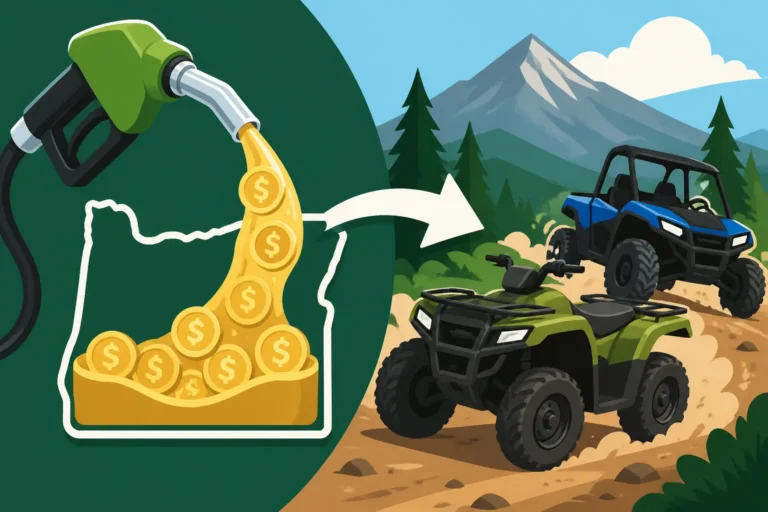
It's easy to overlook, but every time you fill up your fuel tank, even for a machine that primarily sees dirt, you're contributing to a broader fund that benefits OHV recreation. This isn't just about the permit fee; it's about the bigger picture of how various revenue streams come together to support our passion. Understanding this helps paint a more complete picture of the financial ecosystem that sustains Oregon's extensive OHV opportunities.
The thought of paying taxes on gas for an off-road vehicle can sometimes be a head-scratcher. After all, if your machine isn't street-legal, why are you paying road taxes? The good news is that Oregon has a system in place to redirect a portion of those fuel taxes back to where they belong: supporting the infrastructure and management of off-highway vehicle areas. This thoughtful allocation ensures that riders aren't contributing to road maintenance they don't use, but rather to the trails they do use.
Fuel Tax Contributions to OHV Areas
Even though most ATVs and UTVs in Oregon aren't street legal and don't contribute to highway wear and tear, their fuel consumption still generates tax revenue at the pump. Oregon recognizes this unique situation and has established mechanisms to ensure that a portion of these fuel taxes is specifically earmarked for OHV-related expenses. It's a system designed to be fair to off-road enthusiasts, acknowledging their economic contribution to the state's recreational landscape.
Think about how much fuel you might burn on a full day of riding the dunes at Florence or exploring the trails in the Tillamook State Forest. Multiply that by thousands of riders across the state, and you can see that the collective fuel tax contribution adds up significantly. This isn't just a token amount; it's a substantial, ongoing stream of funding that complements the permit fees. While the permit fee is a direct contribution to the [What the Oregon ATV Grant Program Funds], the fuel tax is a behind-the-scenes player, silently bolstering the overall financial health of the state's OHV system.
This redirection of fuel tax ensures that the burden of maintaining OHV areas isn't solely placed on permit fees. It provides a more robust and diverse funding base, making the entire program more resilient. So, next time you're topping off your tank before a big ride, you can rest assured knowing that a portion of what you pay is destined to come back and benefit the very trails you're about to enjoy. It’s a subtle but powerful way that the state acknowledges and supports the OHV community.
The OHV Fund and Its Reach
Both the permit fees you pay and the portion of the gas tax allocated for OHV use flow into a larger entity known as the Oregon OHV Fund. This central fund is meticulously managed by the [The Oregon Parks and Recreation Department's Role] (OPRD), the state agency tasked with overseeing all aspects of OHV recreation. The OPRD acts as the steward of these funds, ensuring they are distributed strategically and effectively across the state to meet the diverse needs of the OHV community.
The existence of a dedicated OHV Fund, rather than dispersing funds into a general government account, is crucial. It guarantees that the money generated by OHV activities is reinvested directly back into the sport. This fund supports a wide array of activities beyond just physical trail work. It can cover administrative costs, research, planning, and even the coordination of volunteer efforts. For instance, if OPRD needs to conduct a comprehensive survey of trail conditions in a particular region, or develop a new long-term management plan for a popular riding area, the OHV Fund is there to provide the necessary resources.
The reach of the OHV Fund is extensive, touching every corner of Oregon where OHV recreation takes place. From the high desert trails near Bend to the coastal dunes, and from the dense forest singletrack to gravel county roads, the fund supports the infrastructure and management vital for these areas. This holistic approach means that whether you're riding a Class I quad, a Class III dirt bike, or a Class IV side-by-side, your contributions through permits and fuel tax are collectively working to enhance your experience and preserve access for generations to come. [Gas Tax Money in Oregon's ATV Fund] highlights this dedicated funding stream.
Supporting Law Enforcement and Resource Management
While much of the permit money goes into visible improvements, a crucial portion is also dedicated to the less glamorous but equally vital areas of law enforcement and resource management. This ensures that our riding areas are not only fun but also safe, well-regulated, and protected for future generations. It’s the behind-the-scenes work that keeps everything running smoothly and prevents our cherished natural spaces from being degraded by misuse.
The frustration often stems from seeing rules broken or areas damaged, and wondering if anyone is enforcing the regulations. Your permit fees are directly linked to addressing these concerns. By funding enforcement and management, the program helps maintain the delicate balance between offering fantastic recreational opportunities and preserving the natural beauty and ecological integrity of Oregon's diverse landscapes. Without these efforts, the freedoms we enjoy might quickly erode due to unchecked impacts.
Patrol and Enforcement on the Trails
Have you ever been at a staging area like Browns Camp or Millican Valley and seen a ranger or a sheriff's deputy driving through, perhaps chatting with riders or checking permits? Those patrols are not just for show; they are an essential part of maintaining safety and order in OHV areas, and they are directly supported by your permit money. Law enforcement presence ensures that everyone is adhering to the rules, from speed limits in staging areas to proper trail etiquette and permit display.
These patrols serve multiple critical functions. First and foremost, they enhance rider safety. By monitoring activity and responding to incidents, law enforcement helps to prevent accidents and provides assistance when needed. Imagine a scenario where a rider has mechanical trouble deep on a remote trail. The presence of patrols means help is more likely to arrive efficiently. Secondly, they ensure compliance with permit requirements, meaning that those who benefit from the trails are also contributing to their upkeep. [Decal Checks at Browns Camp] are a common sight, ensuring everyone has paid their fair share. This helps prevent free-riders from diminishing the resources for everyone else.
Beyond permits, law enforcement also plays a vital role in protecting the environment. They monitor for illegal riding in closed areas, enforce sound limits, and ensure that riders are not damaging sensitive habitats or resources. For example, patrolling critical wildlife areas to prevent encroachment during nesting seasons. This constant vigilance helps to preserve the natural beauty and ecological health of our riding environments, ensuring they remain vibrant for years to come. It’s a thankless job sometimes, but without it, our riding areas would quickly degrade.
Environmental Protection and Restoration
Oregon's commitment to environmental stewardship is deeply ingrained in its outdoor recreation philosophy, and OHV activities are no exception. A portion of your permit fees goes directly towards environmental protection and restoration projects within OHV areas. This isn't just about preventing damage; it's about actively repairing and enhancing habitats, ensuring that recreation and conservation can coexist.
Consider the delicate ecosystems of the Oregon Dunes, home to species like the western snowy plover and the [The Coastal Marten and Oregon's Closures]. Funds are allocated to monitor these sensitive areas, implement protective measures like fencing off nesting sites, and conduct research to understand the impact of OHV use. This proactive approach helps to mitigate the footprint of recreation, allowing both humans and wildlife to thrive. It can be frustrating to see areas closed, but understanding that your permit fees contribute to protecting these vulnerable species helps explain why these closures are necessary for long-term sustainability.
Restoration projects are another key area of investment. This might involve planting native vegetation in areas affected by erosion, stabilizing sensitive slopes, or cleaning up abandoned campsites. For instance, after years of heavy use, some sections of trails might experience significant soil erosion. Funds can be used to implement erosion control measures, such as installing water bars or revegetating disturbed areas. These efforts not only improve the environmental health of the area but also enhance the riding experience by making trails more stable and scenic. This commitment ensures that while we enjoy the thrill of the ride, we are also responsible custodians of the land.
Administration and Operational Costs
While we often focus on the tangible benefits of permit money, such as new trails or cleaner staging areas, a portion of the funds is also essential for the crucial administrative and operational costs that keep the entire OHV program running smoothly. This includes everything from the day-to-day management of the permit system to the long-term planning that shapes the future of OHV recreation in Oregon. Without these foundational elements, the whole structure would quickly crumble.
It’s easy to think of these as "overhead" and perhaps feel a twinge of frustration that your money isn’t going directly to dirt. However, like any large and complex system, the Oregon OHV program requires dedicated staff, technology, and strategic planning to function effectively. These administrative costs are the oil in the machine, ensuring that the wheels of progress keep turning and that rider needs are consistently met.
Managing the Permit Program
Think about the process of buying an Oregon ATV permit. Whether you purchase it online or walk into one of the [Oregon Permit Agents You Can Walk Into] across the state, there's a significant logistical operation behind that simple transaction. Permit money helps to cover these operational costs, ensuring that the system is efficient, accessible, and reliable for all riders.
This includes the costs associated with maintaining the online permit sales portal, which allows riders to conveniently purchase their permits from home. It involves the development and printing of the actual [Oregon Permit Decals and Where They Go], ensuring they are durable and easy to display. Furthermore, there are costs related to managing the database of permit holders, processing transactions, and providing customer support for questions about permits, renewals, or lost decals. All of these behind-the-scenes tasks are critical to the smooth functioning of the program, and they require ongoing financial support.
Consider the network of independent agents, like powersports dealers or even small general stores, that sell permits. While these agents receive a small fee for each permit sold, the broader system that supports them – training, supplies, and technical support – is also funded through the program's administrative budget. This widespread availability of permits is a huge convenience for riders, especially those traveling to a riding area from out of town, and it's something we often take for granted.
Planning and Advisory Committees
The future of OHV recreation in Oregon isn't decided by a single person; it's a collaborative effort involving state agencies, land managers, and most importantly, riders themselves. A portion of the OHV funds supports the work of various planning groups and advisory committees, which play a critical role in shaping policies, identifying needs, and guiding investments for the entire OHV system.
These committees, such as the [Inside Oregon's ATV Highway Access Routes Advisory Committee], bring together diverse stakeholders, including representatives from OHV clubs, environmental groups, land management agencies, and local communities. Their work involves reviewing proposed projects, discussing new regulations, and prioritizing funding for various initiatives. This ensures that decisions are well-informed, consider multiple perspectives, and genuinely serve the best interests of the OHV community and the environment.
The funds cover expenses associated with holding meetings, conducting studies, developing plans, and disseminating information to the public. For instance, when a new trail system is being considered, or a major infrastructure project is planned, there's a considerable amount of research, environmental assessment, and public outreach involved. These administrative functions ensure that growth is strategic, sustainable, and responsive to rider needs. Groups involved in this work, or local clubs looking to formalize their operations to better advocate for riders, might even utilize resources like LawDepot for creating their organizational bylaws or formal meeting minutes, ensuring their contributions to these committees are professional and impactful.
Reciprocity and Out-of-State Riders
Oregon's OHV areas are a draw for riders from across the Pacific Northwest and beyond. While many might assume that out-of-state visitors somehow bypass the fee structure, the reality is that they also contribute significantly to the OHV Fund, especially for longer stays. This ensures that the financial burden of maintaining Oregon's world-class riding areas is shared by everyone who enjoys them, regardless of their home state.
It can sometimes feel unfair if you're a long-time Oregon resident consistently paying your permit fees, while a visitor seems to get a free pass. However, Oregon has a very clear system for non-residents. While there's a reciprocity period, after a certain point, out-of-state riders are expected to purchase an Oregon permit, directly contributing to the same fund that benefits local riders. This ensures equity in contributions and supports the notion that if you ride here, you help maintain here.
How Visitor Permits Contribute
Oregon offers a limited period of reciprocity for out-of-state OHV permits or registrations. This means if you're visiting from a state that has a reciprocal agreement with Oregon, you might not need an Oregon permit for a short duration. However, this generosity isn't endless. After a certain number of consecutive days – currently 60 days – an out-of-state rider is required to purchase an Oregon ATV Operating Permit. [Do Visitors Need an Oregon ATV Permit?] clarifies these rules.
When visitors do purchase an Oregon permit, those funds flow into the exact same OHV Grant Program as those purchased by Oregon residents. This means that a rider from California enjoying the Oregon Dunes, or a Washington resident exploring the Tillamook trails for an extended trip, is directly contributing to the maintenance of those very areas. This ensures that the increased wear and tear from higher visitor traffic is at least partially offset by their financial contributions, promoting a fairer system for all.
This influx of out-of-state permit money is vital, especially for popular destinations like the Oregon Dunes National Recreation Area, which attracts riders from far and wide. Without these contributions, the maintenance burden would fall disproportionately on local riders, potentially straining resources. So, when you see a fellow rider with an out-of-state license plate, remember that if they're there for an extended period, they're likely contributing to the same fund that keeps our trails in top shape.
The Oregon OHV Fund's Broader Impact
The collective contributions from both in-state and out-of-state riders create a robust and stable Oregon OHV Fund. This stability is critical for long-term planning and ensures that OPRD can consistently invest in projects that benefit the entire state's OHV system. It's not just about patching up potholes; it's about strategic growth and ensuring a sustainable future for the sport.
The fund's broad impact means that money collected from permits in, say, the coastal region can be used to fund a project in Eastern Oregon, or vice-versa, based on where the need is greatest or where a significant opportunity arises. This flexibility allows OPRD to address critical issues or pursue promising new developments that enhance OHV recreation across diverse landscapes. It also means that a sudden surge in popularity in one area won't necessarily deplete its local resources, as the statewide fund can reallocate as needed.
Ultimately, the goal is to provide a premier OHV experience throughout Oregon, for every rider. The sustained health of the OHV Fund, fueled by these diverse income streams, is what makes that possible. It supports everything from minor trail repairs to major infrastructure projects, guaranteeing that [What the Oregon ATV Grant Program Funds] is a comprehensive list of improvements and opportunities. This broad reach ensures that whether you're a casual weekend warrior or a dedicated off-road adventurer, your permit dollars are part of a larger, well-managed effort to preserve and enhance your passion.
The Long-Term Vision for Oregon's OHV Future
When you pay for your [Oregon ATV Permit Expiration Date] is two years from the month you buy it, and that two-year cycle isn't arbitrary. It’s part of a broader, long-term vision for Oregon’s OHV future. This isn't just about maintaining what we have; it's about growing, adapting, and innovating to ensure that Oregon remains a premier destination for off-highway vehicle enthusiasts for decades to come. Your permit money is an investment in this future, allowing for strategic planning and significant projects that take years to come to fruition.
It’s often hard to see beyond the immediate ride, but the leadership at OPRD is always looking ahead. They’re thinking about population growth, changing rider preferences, and emerging technologies in OHV machines. This forward-thinking approach means that your contributions are helping to secure access for future generations, not just maintaining current facilities. This commitment to the long game is what sets Oregon's OHV program apart.
Investing in Future Riding Opportunities
One of the most exciting aspects of the OHV Grant Program is its capacity to fund investments in new riding opportunities. This isn't always about building new trails from scratch, though that can happen. It might involve acquiring land for expanded staging areas, negotiating access agreements with private timber companies for seasonal riding, or even developing entirely new OHV parks in underserved regions of the state. These are often complex, multi-year endeavors that require substantial funding and careful planning.
Imagine a situation where a rapidly growing community identifies a need for more local riding areas to reduce travel times and encourage safe, designated recreation. The OHV Fund can be tapped to conduct feasibility studies, acquire necessary permits, and eventually, develop a new park complete with trails, parking, and amenities. These projects don't just spring up overnight; they are the result of years of planning, negotiation, and significant financial investment – all made possible by the cumulative contributions of permit holders.
Furthermore, these investments extend to adapting existing areas to meet evolving needs. For example, as side-by-sides become increasingly popular and wider, funds might be used to widen trails or expand parking at staging areas that were originally designed for narrower quads. This proactive adaptation ensures that Oregon's OHV system remains relevant and accessible to the full spectrum of machines and riders, cementing its reputation as a forward-thinking destination for off-road recreation.
Data Collection and Rider Surveys
To make informed decisions about where to invest funds and how to manage OHV areas, OPRD relies heavily on data. A portion of the permit money is allocated to support data collection, research, and rider surveys. This isn't just academic exercise; it's a vital tool that helps shape the future of OHV recreation in a way that is responsive to the needs and preferences of the riding community.
These initiatives might involve conducting comprehensive rider surveys to understand demographics, preferred riding styles, satisfaction levels, and pain points. For example, gathering feedback on which specific trails need the most attention, or whether there's a demand for more family-friendly riding zones versus challenging singletrack. This direct feedback from the riding community is invaluable in guiding resource allocation and ensuring that investments align with actual user needs. Such surveys can be meticulously crafted, and organizations involved in data collection might use legal forms from LawDepot to ensure proper consent and data privacy.
Additionally, funds can support environmental monitoring and research projects that help OPRD understand the ecological impacts of OHV use and develop best practices for mitigation. This scientific approach ensures that management decisions are grounded in evidence, promoting sustainable recreation. All of this data, from rider feedback to environmental science, helps OPRD refine its strategies, allocate resources effectively, and ultimately, build a stronger, more sustainable future for OHV recreation in Oregon. It’s about making smart choices today for better riding tomorrow.
Transparency and Accountability
It's natural to want to know that your hard-earned money is being used wisely and effectively. Transparency and accountability are fundamental to the Oregon OHV Grant Program. The system is designed to provide clear insights into where permit money goes, allowing riders to understand the impact of their contributions and even get involved in the decision-making process. This commitment to openness builds trust within the OHV community and ensures the program remains responsive to rider needs.
The feeling of not knowing how your money is spent can be quite frustrating, almost like dropping cash into a black hole. Oregon’s approach aims to counteract that feeling by making information accessible and by creating avenues for rider input. This isn’t just a bureaucratic obligation; it’s a genuine effort to foster a partnership between the state and the OHV community, ensuring shared ownership of our recreational resources.
Public Access to Financial Reporting
The Oregon Parks and Recreation Department takes its role as steward of the OHV Fund very seriously, and that includes making financial information publicly accessible. You don't have to wonder in the dark about how your permit money is being spent. OPRD typically publishes annual reports and detailed financial statements that outline the allocation of OHV funds, detailing which projects received grants, how much was spent on administration, and where the money from permit sales and fuel taxes was directed.
These reports offer a granular look at the budget, breaking down expenditures across categories like trail maintenance, safety education, law enforcement, and infrastructure development. For example, you might be able to see exactly how much was allocated to a specific staging area improvement project at Sand Lake, or the total amount invested in youth safety training statewide. This level of detail empowers riders to truly understand the tangible outcomes of their permit purchases.
Accessing these reports is usually straightforward, typically available on the OPRD website. For those who want to dive deep into the numbers or understand the grant application process, these documents are invaluable. Local OHV clubs, in particular, often review these reports to inform their advocacy efforts or when preparing their own grant applications, sometimes using organizational templates from LawDepot to streamline their internal governance and financial record-keeping to ensure compliance and clarity.
Advocacy and Rider Involvement
The transparency of the OHV program isn't just about reading reports; it's about actively engaging. Your permit money is working for you, but it works even better when you lend your voice and energy to the process. OHV clubs and organizations across Oregon play a pivotal role in advocating for rider interests, identifying pressing needs, and even applying for grants from the very fund your permit dollars contribute to.
Joining a local OHV club is one of the most effective ways to get involved. These clubs often have direct lines of communication with OPRD and land managers, participating in advisory committees and providing crucial feedback on trail conditions, project priorities, and regulatory changes. They are the boots on the ground, representing the collective voice of riders in their specific areas. Many of these clubs, when formally establishing themselves or applying for grants, rely on structured documents for bylaws or meeting minutes, with resources like LawDepot offering templates to ensure their legal and operational integrity.
Furthermore, OHV clubs can apply for grants from the [What the Oregon ATV Grant Program Funds]. This is where your permit money truly comes full circle: a club identifies a need (e.g., a new bridge, a specific trail re-route, an educational event), applies for funding, and if approved, uses those funds to execute the project, directly benefiting the riding community. This grassroots involvement ensures that the money is not only spent wisely but also on projects that genuinely matter to local riders, making the permit fee feel less like a tax and more like a direct investment in your passion.
Disclaimer
This article is for general informational purposes only and does not constitute professional advice. Laws, prices and regulations vary by location and change over time. Consult a qualified professional for guidance on your specific situation.