Oregon ATV Permit for a Rented Machine
You’re heading to the Oregon Coast, maybe Florence or Winchester Bay, excited to rent an ATV or side-by-side for a thrilling day on the dunes. But then a nagging thought creeps in: do you need to worry about an Oregon ATV operating permit for a machine you don't even own? This guide will clear up all the confusion around renting an ATV or UTV in Oregon and navigating the permit requirements, making sure your adventure starts without a hitch.
Do You Need an Oregon ATV Permit for a Rental?
This is one of the most common questions we hear, and it’s a great one to ask before you hit the sand or trails. You see, the state of Oregon has specific requirements for any off-highway vehicle (OHV) used on public lands, regardless of whether you own it, borrowed it, or rented it from a local shop. This includes ATVs, UTVs (side-by-sides), off-road motorcycles, and even sand rails and dune buggies. The permit isn't about who is riding, but rather about the machine itself.
So, to answer directly: yes, the rented machine absolutely needs an Oregon ATV operating permit. However, this is almost always handled by the rental company themselves, which is a huge relief for you, the rider. Imagine the headache if every tourist had to figure out how to permit a machine for a single day's rental! The system is designed to be user-friendly, pushing the responsibility onto the businesses that make their living renting these exciting machines. You should still be aware of what to look for and what questions to ask to ensure your rental is legitimate and compliant.
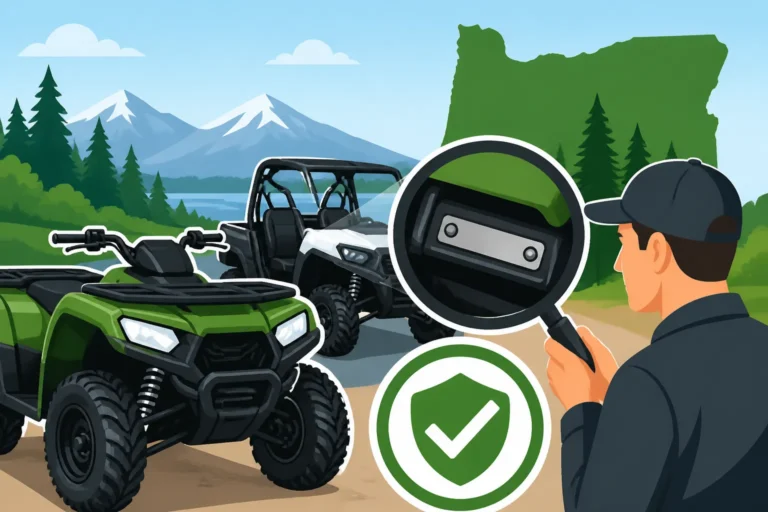
When you show up at a reputable rental establishment, whether it's one of the big names down in Florence like Sand Dunes Frontier or a smaller shop near Hauser, their fleet of machines should already be properly permitted. This means they’ve paid the necessary fees and affixed the official [Oregon Permit Decals and Where They Go] to each vehicle. It’s part of their operational cost and a legal obligation to keep their business running smoothly and safely for everyone. Your job is primarily to confirm that the decal is there, not to purchase one yourself.
The Rental Agency's Role in Permitting
When you rent an ATV or UTV in Oregon, the rental agency is legally obligated to ensure that every machine in their fleet that will be used on public lands has a current and valid Oregon ATV operating permit. This isn't just a suggestion; it's a critical part of doing business in the OHV recreation industry in our state. These permits contribute directly to the maintenance and improvement of the very trails and dunes you'll be enjoying, making them essential for sustainable riding.
Think about it from their perspective: a rental company operates dozens, sometimes hundreds, of machines. If even a handful of those machines were unpermitted, they would face significant fines and potential disruption to their business operations. It’s simply not worth the risk for them to send out unpermitted machines. They factor the cost of these permits into their rental fees, ensuring compliance while still offering competitive rates. This means that when you pay for your rental, you're implicitly covering the cost associated with that machine's permit, even if it's not itemized as a separate line on your receipt. It’s rolled into the overall experience.
As part of their due diligence, most rental companies will also ensure their machines meet other state requirements, such as having a U.S. Forest Service-approved spark arrester and meeting noise emission standards. These details might seem small, but they all add up to a legal and enjoyable ride. So, while you might be focused on picking out the coolest side-by-side or the fastest quad, rest assured that the background work of getting it ready for the trail or dune includes proper permitting. [Oregon Rules for a Rented Machine] often covers these aspects in detail.
What Happens if a Rental Isn't Permitted?
Alright, let’s talk about the less-than-ideal scenario: what if, by some oversight, a rental machine doesn't have its required permit decal? While highly unlikely from a reputable, established rental company, mistakes can happen, or you might encounter a less scrupulous operation. If you, as the rider, are operating an unpermitted ATV or UTV on public lands in Oregon, you could potentially be stopped by an Oregon Parks and Recreation Department (OPRD) ranger, a county sheriff, or even a Forest Service officer.
The primary legal responsibility for the permit lies with the owner of the machine—in this case, the rental company. They are the ones who would face the [Oregon Fines for Riding Without a Permit] directly. However, being stopped and having your ride cut short because of an unpermitted machine would still be a major inconvenience for you. You might be asked to return the machine, and your day of fun could be over before it truly began. Imagine getting all the way to a staging area like Spinreel or Hauser, gearing up, and then being told you can’t ride. That would be a huge bummer.
This is why it's always a good practice to quickly check for the permit decal when you pick up your rental. The decal is typically an adhesive sticker, usually orange or white, and it should be clearly visible on the machine. For a quad or ATV, you'll often find it on the right side of the machine. For side-by-sides (Class IV machines), it might be on a fender, the frame, or even a roll bar. If you don't see one, or if it looks expired, don't hesitate to politely ask the rental staff about it. A good rental company will be able to immediately show you where it is or explain their permitting process. It’s a simple check that can save you a lot of potential hassle and ensure you’re riding legally.
Understanding the Oregon ATV Operating Permit
To truly appreciate why rental companies go through the trouble of permitting their fleet, it helps to understand what the [Oregon ATV Operating Permit] actually is and why it exists. This isn't just some arbitrary fee; it's a cornerstone of Oregon's comprehensive program to manage and maintain its vast network of off-highway vehicle recreation areas. Essentially, it's your ticket to legally access and enjoy the amazing public lands, from the famous Oregon Dunes to the dense forest trails of the Tillamook State Forest.
The permit system is managed by the Oregon Parks and Recreation Department (OPRD), which oversees all OHV recreation in the state. Unlike vehicle registration that goes through the DMV for street-legal cars, the ATV operating permit is distinct and specifically for off-highway use. This is because ATVs and UTVs are generally not street-legal in Oregon, with very few exceptions for certain Class II machines on designated routes. So, the permit ensures that those who use these recreational resources are contributing to their upkeep and future.
Without this permit system, many of the trails, staging areas, and facilities we all enjoy wouldn’t exist or would fall into disrepair. The fees collected from these permits are vital for funding everything from trail grading and signage to educational programs and law enforcement patrols that keep everyone safe. When you see that decal on your rental, know that it represents a small but important contribution to the continued health and accessibility of Oregon’s incredible OHV opportunities.
Why Oregon Requires Permits for Off-Highway Use
Oregon is truly a gem for outdoor enthusiasts, and that includes a massive community of ATV and UTV riders. But maintaining hundreds of miles of trails, dozens of staging areas, and all the associated infrastructure for off-highway vehicles takes serious resources. That's precisely why Oregon requires an ATV operating permit for machines used on public lands. It's a user-pays, user-benefits system, ensuring that the people who enjoy these resources are the ones who help fund their preservation and development.
The money collected from these permits, along with a portion of state gas tax revenues from off-highway fuel consumption, goes directly into the Oregon Off-Highway Vehicle (OHV) Grant Program. This fund supports everything from trail construction and maintenance in areas like Millican Valley and Prospect OHV to vital safety education initiatives. It pays for things you might not even think about, like installing vault toilets at remote staging areas, printing trail maps, or repairing damage after winter storms. It’s a dedicated fund, meaning the money isn't siphoned off for other state programs; it goes right back into the OHV community. You can read more about [Where Oregon ATV Permit Money Goes] for a deeper dive.
So, when you're roaring across the sand at the Oregon Dunes or navigating a muddy trail in the Coast Range, remember that your permit (or the rental company's permit) is directly contributing to that experience. It's about responsible recreation and ensuring that these amazing riding opportunities are available for generations to come. Without this funding mechanism, many areas would likely be closed due to lack of maintenance or safety concerns, diminishing the overall riding landscape we all cherish.
The Two-Year Validity of the Permit
One of the helpful aspects of the Oregon ATV operating permit system is that these permits are valid for a full two years from the month of purchase. This isn't an annual sticker; it's designed to last, which means less frequent renewals for owners and a more stable system for rental companies. For a rental fleet, this two-year cycle is incredibly efficient, as it reduces the administrative burden of constantly renewing permits on dozens or hundreds of machines.
When a rental company purchases a permit for one of their ATVs or UTVs, that permit decal is good for twenty-four months. This means that if you rent a machine in April, the decal on it might be valid until March two years down the road. You don't have to worry about the permit expiring mid-ride, or whether the rental company is getting a new one every month. This long validity period makes it much easier for them to manage their fleet's compliance and ensures a consistent experience for renters.
You'll often see the expiration month and year clearly printed on the decal itself, so you can easily verify its validity with a quick glance. This extended validity is a distinct feature of the Oregon ATV Permit for a Rented Machine and benefits everyone involved. It simplifies the process for the rental agencies, provides peace of mind for riders, and ensures a continuous funding stream for the state's OHV program. No matter when you rent, you can be reasonably confident that a well-managed rental fleet will have up-to-date permits for all their machines.
Getting Your Machine Ready: Safety and Other Requirements
While the ATV operating permit covers the machine’s legal right to be on public lands, your ride isn't just about the permit. It's also about your safety and knowing what you, as the operator, need to bring to the table. Oregon has clear rules for riders, especially concerning safety education and personal protective equipment. These requirements are just as important as the machine's permit for ensuring a safe and enjoyable outing, whether you’re on a rental or your own rig.
Rental companies often go above and beyond to educate their customers, providing safety briefings and ensuring you have the right gear. They understand that a safe customer is a happy customer, and minimizing incidents is good for their business. However, ultimate responsibility for your own safety and compliance with rider-specific laws rests with you. It’s crucial to pay attention during any safety orientation provided by the rental agency and to ask questions if anything is unclear.
Think of it this way: the machine needs its permit, and you need your safety credentials and gear. Both elements are necessary for a legitimate and fun day out on Oregon’s incredible trails and dunes. Neglecting either can lead to serious consequences, from fines to injuries.
The Oregon ATV Safety Education Card and Rentals
Beyond the machine's permit, Oregon also has a separate requirement for riders: the Oregon ATV Safety Education Card. This card signifies that you've completed an approved safety course and understand the fundamentals of safe OHV operation. It’s like a driver’s license for off-road vehicles. [Oregon ATV Safety Card Requirements] mandate this for all riders of Class I, III, and IV ATVs and UTVs, regardless of age. Yes, even adults need it! The only exception is if you hold a valid driver's license and are operating a Class IV ATV (a side-by-side) where a steering wheel and seat belts are present.
For most rental situations, especially with quads (Class I) or off-road motorcycles (Class III), you will need to possess a valid Oregon ATV Safety Education Card. Many rental agencies, particularly those catering to tourists, understand this and have mechanisms in place. Some might offer a temporary, 30-day safety checklist or instruction card that you can complete on-site, allowing you to ride legally for the duration of your rental. This is a huge convenience for visitors who don't have a permanent card. However, this temporary solution usually comes with certain restrictions, such as needing to ride under direct supervision of someone who does have a permanent card. Always clarify the specifics with your rental provider.
It's important to remember that if you're bringing children or teenagers along, [Oregon Rules for Riders Under 16] are particularly stringent. They almost always require a full safety education card and often adult supervision. Before you even book your rental, check with the company about their policies regarding youth riders and safety cards to avoid any last-minute disappointments. The core takeaway here is that while the machine is permitted, you as the operator also have a responsibility to be educated and certified.
Essential Safety Gear for Your Rental Ride
Once the permit for the machine and your safety education card are sorted, the next crucial step is ensuring you have the right safety gear. This isn't optional; it's absolutely mandatory for your protection and often a legal requirement in Oregon. The most critical piece of gear is a DOT-compliant helmet. Oregon law requires all ATV and UTV riders to wear a helmet when operating on public lands. This isn’t a suggestion; it's enforced for a reason, as head injuries are among the most serious risks in OHV accidents.
Reputable rental shops understand this implicitly and will almost always include a helmet as part of your rental package. They'll have a range of sizes to ensure a proper, snug fit. Don't be afraid to try on a few different helmets to find one that feels right; a poorly fitting helmet offers minimal protection. Beyond the helmet, eye protection (like goggles or a full face shield) is also crucial, especially on dusty trails or sandy dunes where flying debris is common. Many helmets come with a visor, but separate goggles often offer better protection and are highly recommended.
While not always legally mandated by the state, rental companies will often strongly recommend or even provide additional gear like gloves, long-sleeved shirts, and long pants. These items help protect against scrapes, branches, and sun exposure. When riding a side-by-side (Class IV), while a roof and roll cage offer some protection, helmets and seat belts are still paramount. The rental staff will brief you on all the necessary gear and usually have it available for you. Always defer to their expertise and prioritize your safety above all else. [Oregon Helmet Law for ATV Riders] outlines these specific requirements, and adhering to them is non-negotiable for a safe and legal ride.
| Requirement | Rental Company's Responsibility | Your Responsibility (as the Rider) |
|---|---|---|
| ATV Operating Permit | Ensure all rental machines have a current, visible decal. | Verify the decal is present and current on your rental machine. |
| Safety Education | Provide temporary safety checklist/card or verify your existing card. | Possess a valid Oregon ATV Safety Education Card (or temporary equivalent). |
| Safety Gear | Offer DOT-compliant helmets (and often goggles) with rental. | Wear appropriate safety gear, especially a helmet and eye protection. |
| Machine Maintenance | Keep machines in safe working order, including spark arresters. | Conduct a quick pre-ride inspection; report any issues immediately. |
| Rules & Regulations | Provide a safety briefing and inform you of local rules. | Understand and follow all Oregon OHV laws and local area rules. |
Disclaimer
This article is for general informational purposes only and does not constitute professional advice. Laws, prices and regulations vary by location and change over time. Consult a qualified professional for guidance on your specific situation.