What Puts a Buggy or Jeep in Class II
It can be incredibly confusing trying to figure out where your off-road vehicle fits into Oregon's classification system. You've got your traditional quads, dirt bikes, and side-by-sides, but then you throw in something like a dune buggy, a custom sand rail, or even a modified Jeep, and suddenly it feels like you're trying to fit a square peg in a round hole. Many owners of these unique machines wonder if they're considered an ATV, and if so, which specific class applies. This guide is here to untangle that knot, specifically focusing on the criteria that land a buggy or Jeep squarely in Oregon's Class II category.
Oregon's Class II: More Than Just the Odd One Out
When we talk about off-highway vehicles (OHVs) in Oregon, most people immediately think of four-wheelers, dirt bikes, or the popular side-by-sides. But the state's classification system, outlined by the Oregon Parks and Recreation Department (OPRD), has a specific niche for those less conventional, often custom-built, machines that don't quite fit the mold of other categories. That niche is Class II. These aren't your typical factory-produced ATVs or UTVs in the way many imagine them, and understanding their distinct characteristics is key to staying compliant and enjoying Oregon's fantastic riding opportunities.
Beyond the Typical Off-Road Vehicle
The beauty of Class II is that it often encompasses vehicles that blur the lines between an off-road toy and something that could potentially see limited road use. Think about those sleek sand rails you see tearing across the dunes, or the rugged, open-frame buggies designed for serious rock crawling. These machines are purpose-built for going off pavement, but their construction often differs significantly from a standard quad or side-by-side. They usually feature a full frame, a steering wheel, and seating arrangements that feel more like a traditional car than a saddle. This makes them stand apart, and Oregon's regulations acknowledge this difference with a unique classification. For a deeper dive into the legal definition, you can check out [Oregon's Class II Under ORS 801.193].
Why Classification Matters for Your Ride
You might be thinking, "What's the big deal? It's an off-road vehicle, so I just need a permit, right?" While an [Oregon's ATV Operating Permit] is indeed required for nearly all OHVs used on public lands, the specific class of your machine dictates much more than just that. Classification impacts everything from required safety equipment and passenger rules to whether your vehicle can ever be considered street-legal for certain limited uses. If you own a buggy or a modified Jeep, misclassifying it could lead to fines or issues with insurance, which is definitely something you want to avoid when you're out having fun. Knowing exactly where your machine stands ensures you're equipped, insured, and operating within the bounds of Oregon law.
Defining Features: What Makes a Buggy or Jeep a Class II?
Oregon's classification system relies on a few key physical attributes to sort off-highway vehicles into their respective categories. For buggies and Jeeps, the features that most commonly push them into Class II are distinct and often revolve around their design for comfort, control, and passenger safety. It's not just about what the vehicle can do off-road, but how it's designed to do it.
Steering Wheel and Non-Straddle Seats: The Big Giveaways
This is perhaps the most defining characteristic for a Class II vehicle in Oregon. Unlike Class I ATVs (quads) or Class III off-road motorcycles (dirt bikes) which are designed for an operator to straddle the seat and use handlebars, Class II machines feature a steering wheel and non-straddle seating. This means you sit in the vehicle, much like a car or truck, rather than on it. The seats are typically bucket seats or bench seats, providing a more secure and enclosed feeling.
Think about it this way: if you're holding a steering wheel and sitting in a seat where your legs aren't wrapped around the engine or frame, you're likely looking at a Class II machine. This crucial distinction helps Oregon differentiate these vehicles from lighter, more agile quads and dirt bikes. If you're curious about this specific aspect, you might find more details in [Straddle Seat Versus Bench Seat in Oregon's ATV Classes] and [Handlebars Versus a Steering Wheel].
Weight and Width: Where Class II Breaks the Mold
While Class II vehicles don't have the same strict width and weight limits as, say, Class I (under 50 inches wide) or Class IV (side-by-sides typically under 75 inches wide), they are still defined in part by being "motor vehicles" that often exceed the narrower limits of other classes. Essentially, they are not Class I, III, or IV.
Oregon defines a Class II vehicle as "any motor vehicle operated off-highway" that is not otherwise defined as a Class I, III, or IV all-terrain vehicle. This 'catch-all' definition for non-traditional OHVs means that their inherent design, often larger and heavier than typical quads, naturally places them outside other categories. For example, a custom-built dune buggy or a highly modified Jeep designed for off-road use will almost certainly exceed the 50-inch width limit of a Class I ATV, and might not fit the specific characteristics of a Class IV UTV (which typically has a manufacturer's dry weight limit and specific passenger seating arrangements for factory-produced models). So, while Class II doesn't have a rigid upper limit for width or weight like other classes, the fact that these vehicles typically exceed those limits for other classifications is what helps slot them into Class II.
Understanding the "Street Legal" Potential
One of the most appealing aspects of a Class II designation for many owners is its potential for limited street-legal use in Oregon. Unlike Class I or Class IV ATVs, which generally cannot be registered for highway use – [Why Oregon Will Not Plate a Quad] explains why – certain Class II machines can be registered and plated for operation on public roads, provided they meet specific equipment and insurance requirements.
This means that a dune buggy or a Jeep that qualifies as Class II could potentially be used to drive to a trailhead, cross a paved highway, or even navigate specific designated routes in towns like Lakeside or Sumpter. This capability significantly expands where and how you can enjoy your machine. However, it's a big "if," and meeting all the requirements for street legality, including lights, turn signals, mirrors, and, crucially, mandatory insurance, is a considerable undertaking. It's important to remember that even if street-legal, their use is often restricted to specific types of roads and under specific conditions, not as a primary road vehicle.
Common Class II Buggies and Jeeps in Action
Seeing these vehicles in action really helps cement their Class II identity. You'll encounter them across Oregon's diverse riding areas, from the sandy expanses of the coast to the rocky trails of the high desert. Their unique design and capabilities make them favorites for specific types of off-road adventures, and it's here that their Class II status becomes most apparent.
Dune Buggies and Sand Rails: Classic Class II Examples
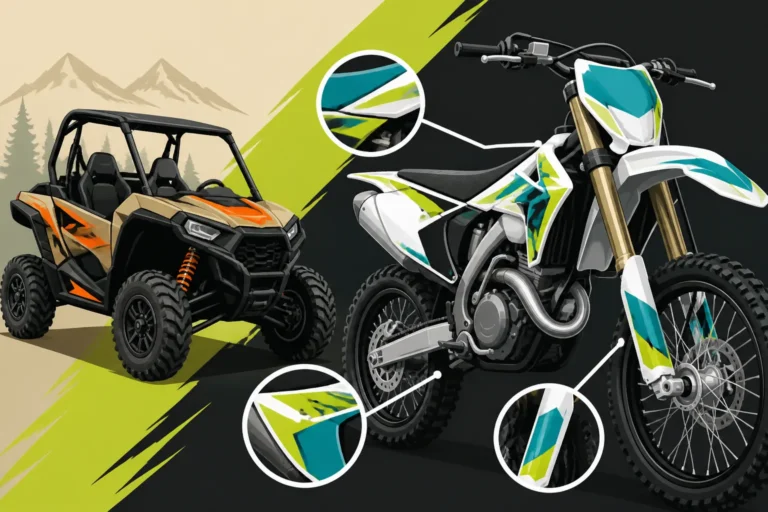
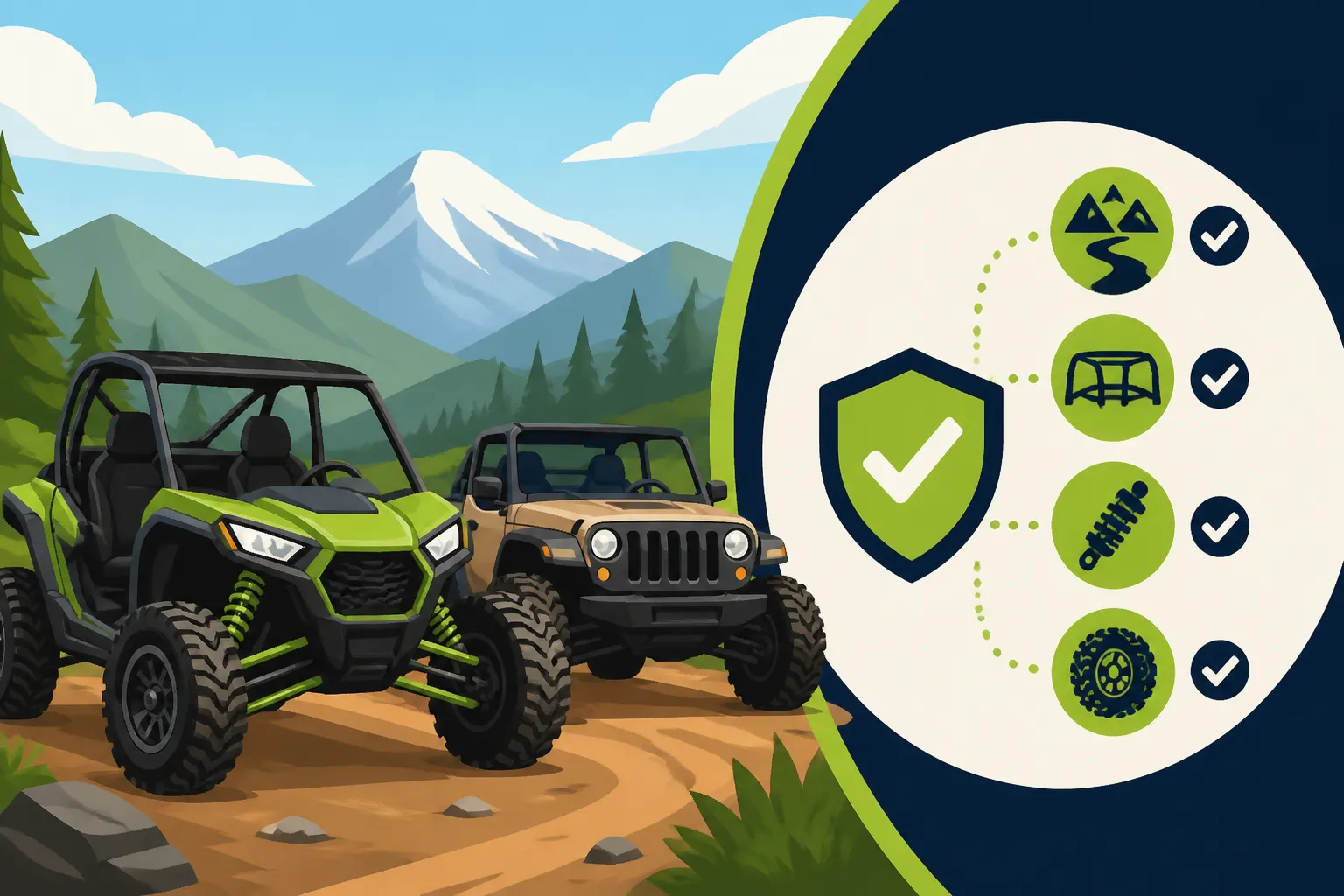
When you picture a Class II vehicle, custom dune buggies and sand rails are often the first things that come to mind. These open-frame, often high-performance machines are built for speed and agility on sand, or for tackling rugged terrain. They almost universally feature steering wheels and bucket or bench seating, immediately setting them apart from ATVs and UTVs.
Imagine a custom-built sand rail at the Oregon Dunes, its exposed engine humming as it crests a massive dune. The driver is gripping a steering wheel, secured in a racing seat, with a passenger beside them. This machine is clearly not a quad (Class I) that you straddle, nor is it a factory-produced side-by-side (Class IV) with typical UTV features. It's a purpose-built, often owner-assembled, off-road motor vehicle. For specific information on where these fit, check out [Where a Sand Rail Fits in the Class System]. These vehicles, due to their construction and controls, are classic examples of what Oregon designates as Class II.
Modified Jeeps and Custom-Built Rigs
It's not just the dedicated sand machines that fall into Class II. Highly modified Jeeps, especially those stripped down and enhanced purely for off-road performance, can also fit this category. We're talking about rigs where the street-legal comforts have been removed, massive tires added, roll cages integrated, and the vehicle's primary purpose is tearing up trails or conquering rock gardens.
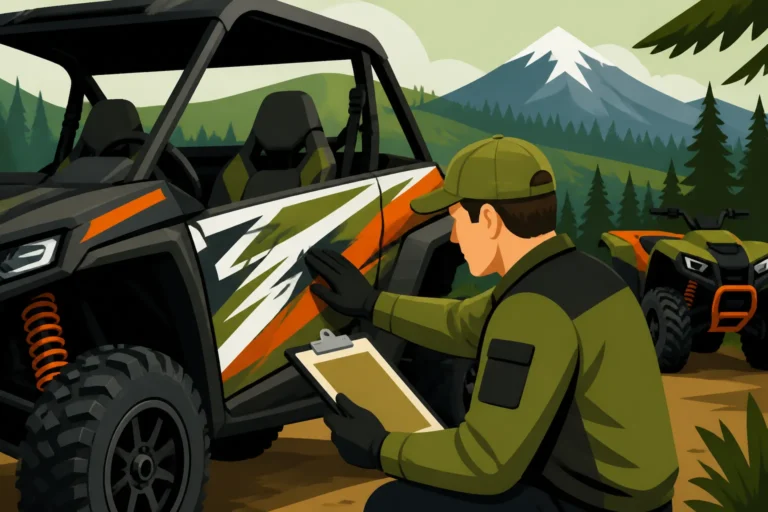
Consider a vintage Jeep CJ or an early Wrangler that has been so heavily customized for trail use that it's no longer practical (or even legal) for regular highway driving. It might have a fully exposed frame, no doors, a custom steering system, and specialized seating. If this Jeep is used exclusively or primarily off-highway and doesn't fit the definition of a Class I, III, or IV ATV, it defaults to Class II. The key here is its primary intended use and its physical characteristics, especially the steering wheel and seating. For more on this, [Where a Jeep Fits in the Class System] provides additional context. When buying or selling such unique, custom-built machines, ensuring you have clear documentation, perhaps through a platform like LawDepot for a robust bill of sale or ownership agreement, can be incredibly helpful in solidifying its identity and protecting your investment.
Essential Steps for Your Class II Buggy or Jeep
So, you've got a fantastic buggy or a custom Jeep that proudly wears the Class II badge. What next? Just like any other off-highway vehicle in Oregon, there are crucial administrative and legal steps you need to take to ensure you're riding legally and safely. Ignoring these details can lead to unnecessary hassle or even fines, which is the last thing you want when all you're trying to do is hit the trails.
Getting Your Oregon ATV Operating Permit
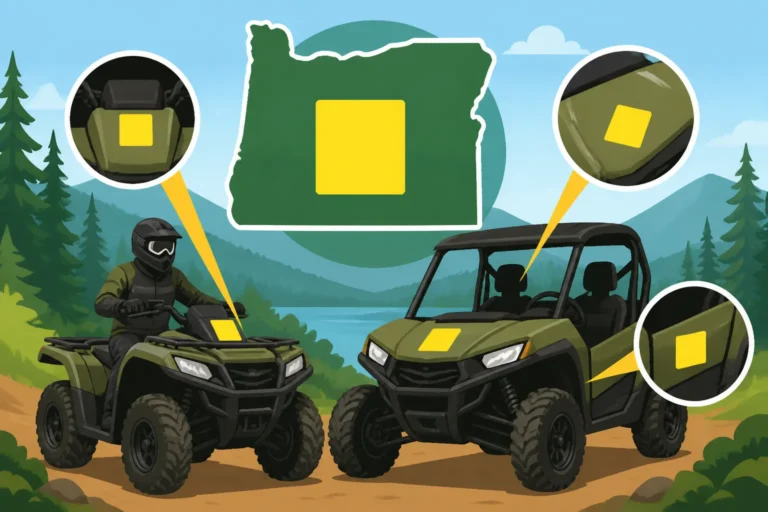
Regardless of whether your Class II machine is strictly for off-road use or has potential for limited street legality, the fundamental requirement for operating on designated public OHV areas in Oregon is an [Oregon's ATV Operating Permit]. This permit is essentially a registration sticker that tells authorities your vehicle is legally allowed on public lands. It's a two-year permit that's relatively inexpensive and helps fund the maintenance and improvement of Oregon's fantastic trail systems.
You can purchase these permits from numerous vendors across the state, including some OHV dealerships, state park offices, and even online. Make sure the decal is properly affixed to your vehicle, typically on the right side where it's easily visible. Even if you're just taking your custom Jeep to a specific off-road park, that permit is non-negotiable for public land access.
Navigating Titling and Registration for Road Use
This is where Class II truly stands out. While titling an ATV in Oregon is generally optional for machines used exclusively off-road – [Titling an ATV in Oregon Is Optional] covers this – for Class II vehicles that you intend to use on public roads, even sparingly, registration becomes a different ballgame. If your Class II buggy or Jeep meets all the equipment requirements to be considered "street legal" (think headlights, taillights, turn signals, brake lights, mirrors, horn, and DOT-approved tires), you can apply for a title and registration through the Oregon Department of Transportation (ODOT) Driver and Motor Vehicle Services (DMV).
The process for [Registering a Street-Legal Class II in Oregon] involves more rigorous inspection and paperwork to ensure your vehicle is safe for road use. It's a significant step beyond just an OHV permit. For custom builds or machines without a standard Vehicle Identification Number (VIN) from a manufacturer, you might need to go through an inspection to verify its components and create an assigned VIN. This is also where good documentation comes into play. If you're building a custom rig, keeping meticulous records of parts and construction, and potentially using legal templates from services like LawDepot for component sourcing or build agreements, can smooth the titling process considerably.
Mandatory Insurance for Class II Machines
Here's another critical differentiator for Class II vehicles, particularly those capable of street legality. While insurance is generally recommended for all OHVs, it becomes mandatory for any Class II machine that is registered and operated on public roads. This isn't just a suggestion; it's a legal requirement.
If you've gone through the effort to make your buggy or Jeep street-legal, you absolutely must carry proof of liability insurance that meets Oregon's minimum requirements. This protects you and others in case of an accident. Even for purely off-road Class II vehicles, securing comprehensive insurance is a very smart move to protect your investment from theft, damage, or liability if an incident occurs. Failing to carry the required insurance for a street-legal Class II machine can lead to severe penalties, including fines and suspension of your driving privileges. [Insurance and Oregon Class II Machines] provides more details on what you need to know about this crucial requirement.
| Feature / Class | Class I (Quad) | Class II (Buggies/Jeeps/Sand Rails) | Class IV (Side-by-Side) |
|---|---|---|---|
| Seating Type | Straddle Seat | Non-Straddle (Bucket/Bench) | Non-Straddle (Bench/Bucket) |
| Steering | Handlebars | Steering Wheel | Steering Wheel |
| Typical Width | Under 50" | Varies (often wider than 50") | Under 75" |
| Dry Weight | Under 1,200 lbs | Varies (no specific upper limit) | Under 3,500 lbs |
| Road Legal? | No | Yes (if registered/equipped) | No |
| Insurance | Recommended | Mandatory for Road Use | Recommended |
| Permit | Yes | Yes | Yes |
Disclaimer
This article is for general informational purposes only and does not constitute professional advice. Laws, prices and regulations vary by location and change over time. Consult a qualified professional for guidance on your specific situation.