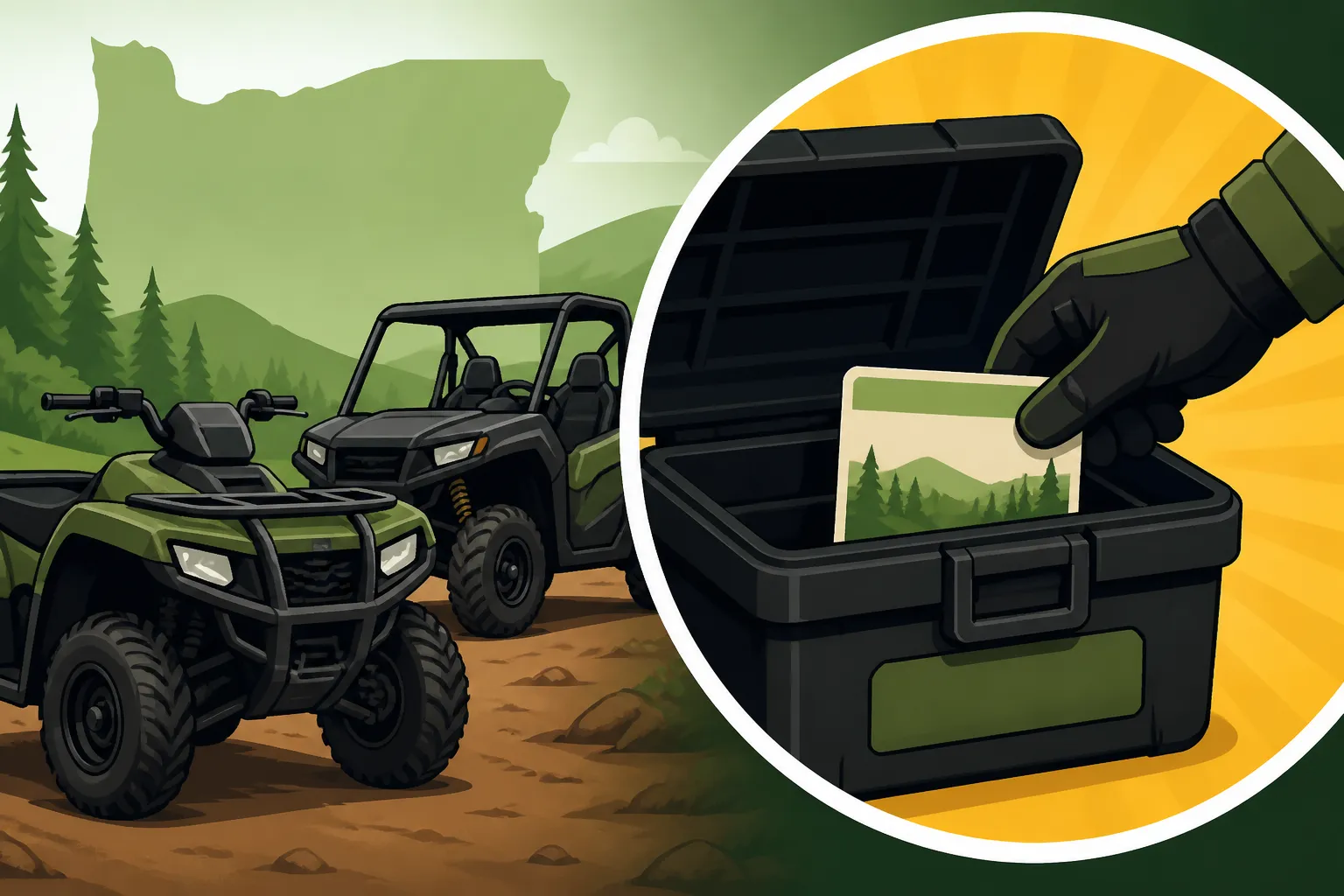
Storing a Permit Card in a Toolbox
There’s nothing quite as frustrating as pulling up to a trailhead after a long drive, ready for an epic day of riding, only to realize your vital [Oregon's ATV Operating Permit] is a soggy, crumpled mess in your back pocket, or worse, completely missing. We’ve all been there, and it’s a quick way to sour an otherwise perfect adventure. This guide is all about giving you practical, real-world strategies for keeping your permit card safe, dry, and accessible, focusing specifically on why and how to best store it in your ATV or UTV’s toolbox.
The Challenge of Keeping Paperwork Safe on the Trail
Riding an ATV or UTV in Oregon is an incredible experience, from the sandy dunes of the coast to the rugged forest trails of the Cascades. But with that freedom comes responsibility, and part of that is ensuring you have the proper documentation. Paperwork and the elements, however, are often at odds, especially when you’re out kicking up dust, splashing through puddles, or navigating a misty coastal morning.
Why Your Oregon ATV Permit Card Matters So Much
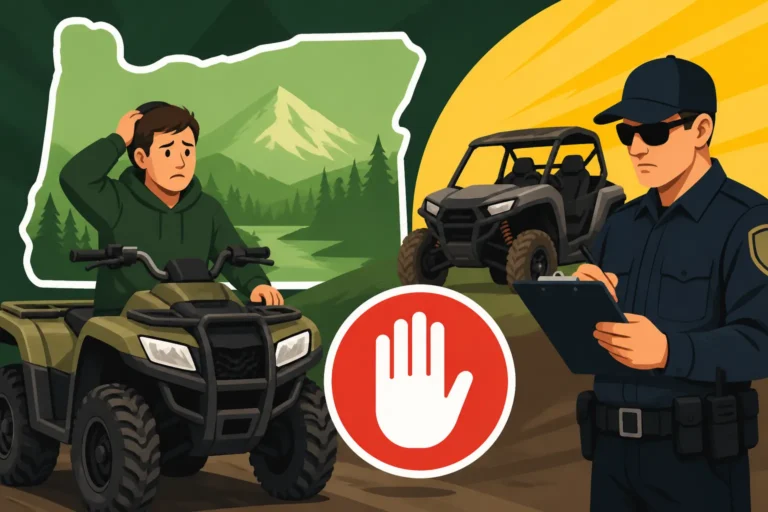
Your Oregon ATV operating permit card isn't just a suggestion; it's a legal requirement for most machines riding on public lands. This small, often laminated card is your proof that you’ve paid the necessary fee to use Oregon’s amazing trail systems and off-highway vehicle (OHV) areas. Without it, you could face fines and an early end to your ride. Imagine a ranger at a staging area like Spinreel or Browns Camp asking for your permit. They’re not just being nosy; they're verifying compliance with state regulations. If you can’t produce a valid, readable permit, you could be cited for a Class C traffic violation, which is certainly not how you want to remember your day out.
This little card also acts as an identifier for your specific machine, confirming that it's registered with the state for off-highway use. It’s separate from any street-legal registration you might have for a Class II machine, and it’s distinct from a title. The permit proves your machine is allowed on the trails. It's crucial for quick verification during a routine check. You definitely don’t want to be fumbling around, trying to explain to an Oregon State Trooper or a Forest Service ranger why your permit is unreadable or non-existent.
Common Pitfalls of Trailside Storage
Over the years, I've seen — and personally experienced — just about every possible mistake when it comes to storing vital documents on an ATV. The most common culprit? Pockets. We naturally reach for our pockets, whether it's the back pocket of our riding pants or a jacket pocket. But pockets are notorious for losing things. A bumpy trail, a quick dismount, or even just reaching for your phone can send that permit card flying. And let's not even talk about the sheer volume of sweat, mud, and water that pockets can collect.
I've had permit cards turn into pulpy paper mush after an unexpected river crossing, or simply fade into illegibility after a few too many sun-baked rides. Wallets, while seemingly more secure, aren't immune either. They can get soaked, crushed, or even fall out if not properly secured in a zippered pocket. The reality is, paper is fragile, and the rugged environment of off-road riding is its natural enemy. Relying on casual storage often leads to a lost, damaged, or unreadable permit when you need it most, turning a fun day into a hassle.
Why a Toolbox Is a Smart Choice for Permit Storage
Given the challenges, finding a dedicated, protected spot for your permit card becomes paramount. This is where a sturdy toolbox on your ATV or UTV truly shines. It's not just for wrenches and spare parts; it's an ideal haven for your important documents.
Protection from the Elements and Wear
A well-chosen toolbox offers a robust defense against the relentless forces of nature. Unlike a flimsy plastic baggie or a jacket pocket, a proper ATV toolbox, often made from durable plastic or metal, provides a rigid shell that protects your permit card from physical damage. Think about those unexpected rollovers or the sheer vibration from hours on rough trails – a card in a toolbox is far less likely to be bent, torn, or crushed than one rattling around unprotected.
Furthermore, many toolboxes designed for off-road use are built with weather sealing, boasting gaskets and latches that keep moisture out. This means that even if you're splashing through every puddle on a muddy day in the Tillamook State Forest or getting caught in a sudden downpour near the coast, your permit card can remain perfectly dry. It also shields against dust, sand, and mud, which can easily abrade or obscure important information on the card over time. When you finally reach your destination and need to present your card, it will be in pristine condition, ready for inspection, exactly as if you’d just bought your [Oregon ATV Permit Cost] online.
Accessibility and Security Considerations
Beyond protection, a toolbox offers a fantastic balance of accessibility and security. When you need to quickly show your permit, you know exactly where it is – not buried under a pile of gear in your backpack or trying to remember which pocket you last put it in. Many riders dedicate a specific compartment or a small, easily reachable section of their toolbox for documentation. This means no more frantic searching while a ranger waits.
For those who are concerned about theft, many ATV and UTV toolboxes come with locking mechanisms, or you can add a padlock. While it's not foolproof, it adds a layer of security that a wallet or a pocket simply can't match. This peace of mind is invaluable, knowing that your essential documents are not only protected from the elements but also from casual opportunists. It keeps your permit safe and secure while you're parked at a trailhead grabbing lunch, or when your machine is left at a campsite overnight.
Practical Tips for Storing Your Permit Card in an ATV Toolbox
Simply tossing your permit card into a toolbox isn't enough. To truly leverage the benefits, a little preparation and organization go a long way.
Prepping Your Permit for Toolbox Life
The very first step is to reinforce the permit itself. While many Oregon ATV permits are printed on a somewhat durable cardstock or are already lightly laminated, adding an extra layer of protection is always a good idea. Consider investing in a simple laminating pouch and a small laminator, or visit a local office supply store to have it professionally laminated. This creates a waterproof, tear-resistant barrier that will stand up to years of abuse. If lamination isn’t an option, a heavy-duty, zip-top waterproof pouch or a small, rigid plastic cardholder is an excellent alternative. Think of the kind of pouch people use for fishing licenses or ID badges.
Another smart move is to take a clear photograph of both sides of your permit card with your smartphone. Store this photo in a dedicated album on your phone or in a cloud service. While most rangers will prefer to see the physical card, having a digital backup can be a lifesaver if your physical card somehow gets lost or damaged despite your best efforts. Just remember that a digital copy is not a substitute for the physical card in many situations, but it's a great secondary measure. Also, if you’ve recently moved or updated your contact info, remember to check into processes like [Oregon ATV Permit Address Change] and ensure your physical card is up to date, if possible, or carry any supplemental documentation.
Optimal Toolbox Placement and Organization
When it comes to the toolbox itself, think strategically. If you have a front rack box, a rear cargo box, or even an under-seat storage compartment, designate a specific spot for your permit. It should be easily accessible but also secure. Avoid placing it directly next to oily rags, sharp tools, or anything that could potentially damage it. A small, separate, truly waterproof container inside your main toolbox is ideal. This inner container could be a small Pelican-style case, a heavy-duty food storage container, or even a robust dry bag.
Ensure that this inner container is clearly labeled "Documents" or "Permits" so you can quickly grab it. If your toolbox has multiple compartments, dedicate one exclusively to paperwork. For example, if you have a large rear cargo box on your side-by-side, consider a small, tough case that attaches to the lid or nestles securely in a corner, keeping it upright and away from shifting heavy gear. This prevents your permit from getting buried or crushed by a spare tire or a cooler, making it easily retrievable during a routine check by a ranger who might ask, "What [What a Ranger Checks at an Oregon Staging Area]?"
Beyond the Permit Card: What Else to Stash
While your Oregon ATV permit card is a priority, your toolbox can become a central hub for other crucial documents and small essentials. This is your go-to "survival kit" for paperwork and minor emergencies.
Here’s a small table of what else you might consider stashing with your permit:
| Item | Why It's Important | Storage Tip |
|---|---|---|
| Oregon ATV Safety Card | Required for all riders in Oregon, often asked for with the permit. | Laminate and keep with permit. |
| Proof of Ownership | Bill of sale ([Oregon Bill of Sale for an ATV]) or title (if you have one). | Photocopied or original, sealed for protection. |
| Insurance Card | Mandatory for Class II machines on certain roads, good for all machines. | Waterproof pouch, easy access. |
| Emergency Contacts | Essential for unforeseen incidents, especially when riding solo. | Laminated card with names, numbers, medical info. |
| Small Repair Kit | Basic tools, tire repair kit, zip ties, duct tape for minor trail fixes. | Separate compartment or smaller bag within toolbox. |
| Trail Map | A physical map can be a lifesaver where GPS signals are weak or batteries die. | Laminated or in a clear waterproof map case. |
| First-Aid Kit | Minor injuries can happen anywhere; be prepared. | Dedicated, easily accessible spot in the toolbox. |
By consolidating these items, you create a comprehensive and readily accessible resource. For example, if you’re riding near Bend in the Millican Valley and need to prove ownership or show your [Oregon's ATV Safety Education Card], everything is in one secure spot. This approach not only protects your documents but also ensures you're prepared for more than just a permit check. Companies like LawDepot offer templates for essential documents like bills of sale, making it easier to have proper proof of ownership even if you bought your machine privately.
Alternatives to Toolbox Storage (and Their Trade-offs)
While a toolbox is often the superior choice for document storage on an ATV or UTV, it’s worth acknowledging other methods that riders sometimes use. However, these alternatives typically come with their own set of compromises.
Backpacks, Dry Bags, and Waist Packs
Many riders opt to carry their permit card in a backpack, a dedicated dry bag, or even a small waist pack. The appeal here is often personal accessibility – the item is always on you, rather than on the machine. This can be great for quick access if you're frequently dismounting or moving away from your vehicle. A quality dry bag will certainly protect against water, and a sturdy backpack offers some physical cushioning.
However, these methods have significant drawbacks. Backpacks can get heavy, uncomfortable, and are prone to being left behind at camp or a staging area. How many times have you been so eager to hit the trail that you forgot to grab that last item from your tow rig? And while dry bags protect against water, they don't offer much in the way of rigid protection against crushing or bending. A waist pack is better for keeping things close, but it's still susceptible to mud, sweat, and falling off during an aggressive ride. Plus, if you need to access it while riding, it can be a distraction. The core problem remains: these personal carry items are often less secure against loss and less physically robust than a dedicated, mounted toolbox. For critical items like your permit, it's about minimizing risk. For instance, [Documents in a Dry Bag on the Coast] can work for a short term, but long-term durability is a concern.
Digital Solutions and Their Limitations
In our increasingly digital world, the idea of simply carrying a photo of your permit on your phone might seem appealing. It’s convenient, lightweight, and you probably have your phone with you anyway. And as mentioned, having a digital backup is a smart move.
But relying solely on a digital image for your official [Oregon's ATV Operating Permit] is a gamble. First, phone batteries die, especially after a long day of navigating or taking photos. Second, cellular service can be non-existent in many of Oregon’s remote riding areas. Imagine trying to pull up a permit image for a ranger at a far-flung Forest Service checkpoint when your phone is dead or has no signal. Third, while many agencies are becoming more tech-friendly, some officials still prefer or even require a physical document for verification. They might be skeptical of a phone screen or simply unable to clearly read it in bright sunlight or bad weather. So, while a digital copy is a fantastic backup, it should not be your primary, sole method of carrying your permit card. Always have the physical card, secured and protected, as your first line of defense. Remember to also check if your out-of-state paperwork is valid for [Oregon Rules for an Out-of-State Machine].
Comparing Storage Methods
To help illustrate the pros and cons, here's a quick comparison of popular storage methods for your Oregon ATV permit card:
| Storage Method | Pros | Cons | Best Use Case |
|---|---|---|---|
| ATV/UTV Toolbox | Excellent protection (weather, physical), secure, dedicated spot, good accessibility | Can be less accessible if frequently dismounting | Primary, long-term storage for all rides |
| Backpack/Dry Bag | Personal carry, often waterproof (dry bag) | Prone to being left behind, less physical protection, can shift | Supplemental, for quick access to other items |
| Jacket/Pant Pocket | Highly accessible, always on you | Very low protection (water, physical), high risk of loss | Short-term, temporary holding (not recommended) |
| Wallet | Modest physical protection, familiar | Susceptible to water, can fall out, less durable | Short-term, if no better option, inside a waterproof bag |
| Digital (Phone) | Convenient, lightweight, always with you | Battery life, signal issues, not always accepted | Backup only, not a primary method |
Ultimately, the goal is to ensure your [Oregon's ATV Operating Permit] is always ready, readable, and right where you need it. By choosing a robust, secure, and organized method like a dedicated toolbox, you'll spend less time worrying about paperwork and more time enjoying the incredible trails Oregon has to offer. Just remember that even companies like LawDepot, which offer document templates, emphasize the importance of keeping physical copies of legal papers safe and sound. Before you hit the trail, always make sure your permit is where you expect it to be, whether you obtained it [Buying an Oregon Permit Online] or from one of the [Oregon Permit Agents You Can Walk Into].
Disclaimer
This article is for general informational purposes only and does not constitute professional advice. Laws, prices and regulations vary by location and change over time. Consult a qualified professional for guidance on your specific situation.