Oregon Rules for Riding With a Dog
Oh, the sheer joy of hitting an Oregon trail or back road with your ATV or UTV – that feeling of freedom, the wind in your face, the incredible scenery! But what if your best furry friend is looking at you with those sad, puppy dog eyes from the porch? It's a common dilemma for so many riders: you want to share the adventure with your dog, but figuring out the actual rules and, more importantly, the safe practices for bringing them along can feel like navigating a maze. This guide is here to untangle the confusion, helping you understand the specifics of riding with your dog on Oregon's diverse terrain, from bustling OHV parks to quiet county roads.
Understanding the Basic Landscape: Pets and Public Land in Oregon
It’s easy to assume that if you're out in the wilds of Oregon, the rules are looser. While that might feel true when you're far from the city, the truth is, even in remote areas, there are expectations and regulations around pet behavior, especially when it comes to shared public lands and designated roads. Thinking about taking your dog along means thinking about both their safety and the impact on other users and the environment.
General Pet Etiquette and Leash Laws
First and foremost, whether you're at a trailhead, on a gravel road, or even just pulling over for a quick break, basic pet etiquette and leash laws are your starting point. Most developed recreation sites, including many staging areas for OHVs, will have signs indicating leash requirements. These aren't just suggestions; they're often legal requirements to prevent conflicts between animals, protect wildlife, and ensure everyone has a safe and enjoyable experience. Always assume a leash is required unless explicitly stated otherwise. Keeping your dog under voice command is great, but a leash provides absolute control, especially when unexpected things happen, like another rider approaching or wildlife crossing your path.
Beyond leashing, waste management is critical. No one wants to roll up to a scenic overlook only to find dog waste. Always pack out what your dog packs in – every single time. It's not only respectful to other users and the environment, but leaving waste can also contribute to water pollution and spread diseases to wildlife. So, bring plenty of bags and be prepared to carry them until you find an appropriate disposal spot. Think of it like packing out your trash; it's part of being a responsible steward of our beautiful state. When you're riding through areas like [Tillamook Forest Road Access] or [Forest Service Roads Open to Oregon ATVs], these principles become even more vital.
Specific Rules for OHV Areas Versus Designated Roads
The rules for riding with your dog can subtly shift depending on where you are riding. An OHV park, for instance, might have very specific regulations posted at its entrance or on its website regarding pets. These rules are usually in place due to high visitor traffic, sensitive wildlife habitats, or specific recreational designations. Some OHV parks might have designated pet areas, while others might restrict pets from certain trails or even prohibit them entirely from certain zones, especially during sensitive breeding seasons for local wildlife. Always check the specific rules for the OHV area you plan to visit, whether it's the [Oregon Dunes National Recreation Area] or [Millican Valley Outside Bend, Oregon].
When it comes to riding on designated roads, such as county gravel roads or Forest Service roads, the rules tend to align more with general animal control ordinances. While there might not be explicit "no dog" signs on a remote logging road, general leash laws and nuisance animal provisions still apply. If your dog is running loose on a public road and creates a hazard for other vehicles or people, you could face consequences. The key takeaway is consistency: maintain control of your dog, clean up after them, and be aware of any posted signs, regardless of whether you're on a trail or a thoroughfare. Remember, just because a road is open to ATVs doesn't mean it's a free-for-all for unleashed pets. Consider whether you're on a [Gravel County Roads and Oregon Riders] or a [Forest Service Roads Open to Oregon ATVs] – the expectations might subtly differ.
Safety First: Ensuring Your Dog's Well-being on the Trail or Road
Bringing your dog along on an ATV or UTV adventure is wonderful, but their safety has to be your absolute top priority. These machines are loud, move quickly, and operate in environments that can be tough on paws and bodies. A little foresight and proper preparation can make all the difference between a fantastic outing and a stressful, potentially dangerous one.
Equipment for Safe Transport
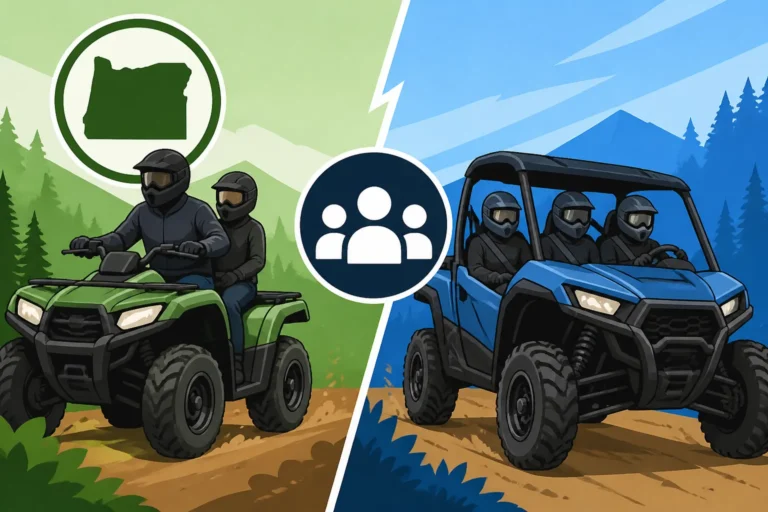
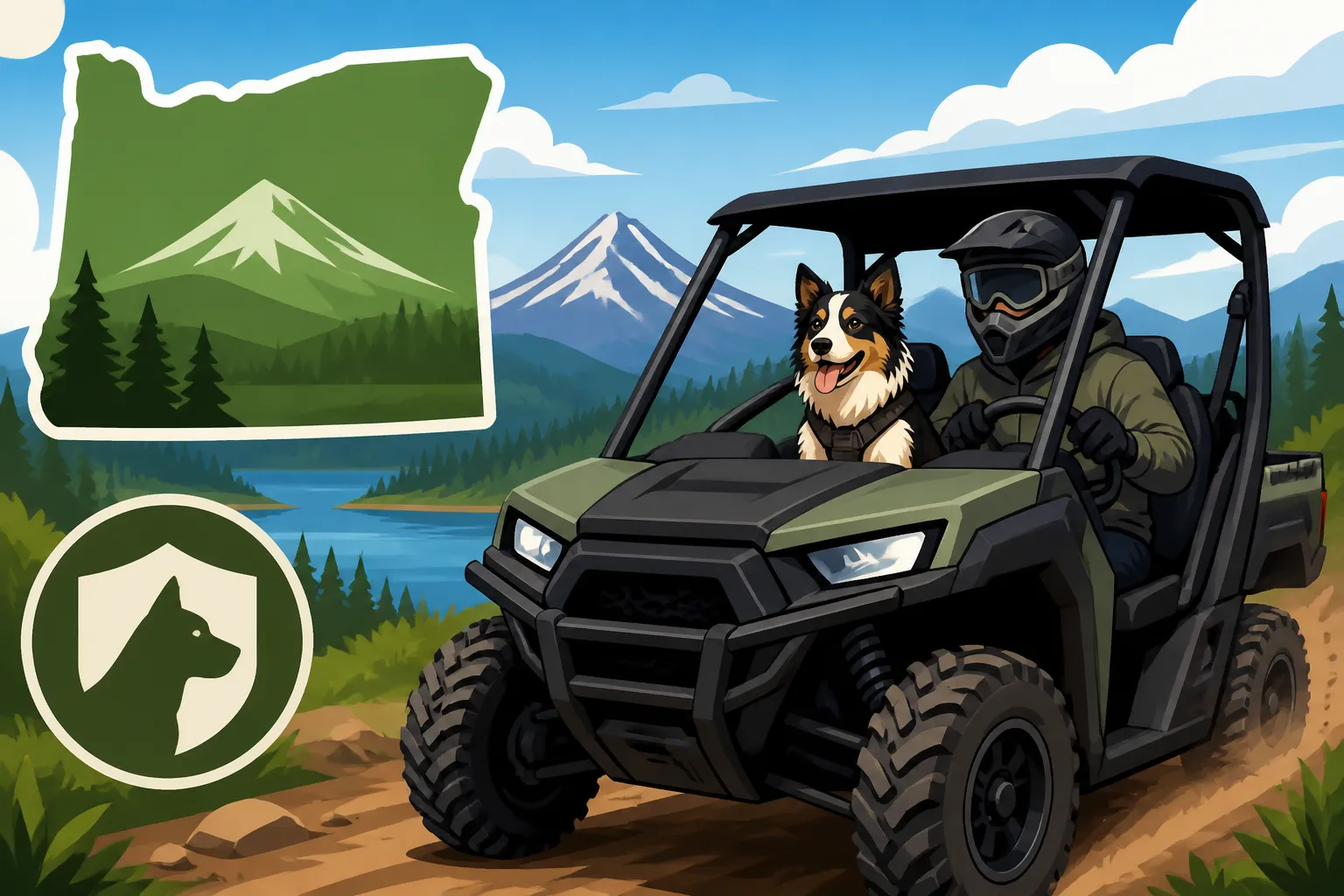
The way you transport your dog is paramount. For UTVs, a secure crate or a high-quality harness with a seatbelt restraint system is highly recommended. Just letting your dog roam free in the bed or on the seat of a side-by-side, even if they seem calm, is incredibly risky. A sudden bump, a sharp turn, or an emergency stop can throw them out of the vehicle or cause serious injury. Look for crates that can be securely strapped down to the UTV's cargo area or a durable harness designed for vehicle travel. Brands like SuperATV offer various accessories, from cargo boxes to specialized nets, that might integrate well with a secure pet setup. You might even find custom dog seats or padded platforms designed to keep them comfortable and stable.
For ATVs, bringing a dog along is generally much more challenging and often not advisable unless you have a very small dog in a specialized, secure carrier mounted to a rack, or a very large utility ATV with a secure, enclosed cargo box. Remember, ATVs are inherently less stable than UTVs, and an unbalancing dog can create a dangerous situation for both of you. Never allow a dog to sit on the tank or your lap on an ATV; their movements could interfere with your control, and in the event of a rollover, they are at extreme risk. If you are considering an ATV, research specific carriers designed for such use and ensure they do not compromise the stability or handling of your machine.
Protecting Your Pet from the Elements and Terrain
Just like you wouldn't head out unprepared, your dog needs protection too. Oregon's weather can be unpredictable, from scorching high desert summers to chilly, damp coastal winters.
- Heat: Dogs can overheat much faster than humans, especially those with thick coats or brachycephalic (short-nosed) breeds. Always provide plenty of fresh water and frequent breaks in the shade. Consider a cooling vest for warmer days. Never leave your dog unattended in a parked vehicle or UTV, even with windows down, as temperatures can rise rapidly.
- Cold/Rain: For colder or wet conditions, a waterproof and insulated dog coat can be a lifesaver. Hypothermia is a real risk.
- Dust and Debris: Riding creates a lot of dust. Your dog's eyes, nose, and lungs are vulnerable. Dog-specific goggles (yes, they exist!) can protect their eyes, and ensuring good ventilation in a UTV can help with dust inhalation.
- Sharp Objects/Rough Terrain: Paws are tough, but they're not invincible. Sharp rocks, thorns, or hot surfaces can cause injuries. Dog booties can provide excellent protection, especially on rocky trails or hot asphalt sections if you're riding on a [Oregon ATV Highway Access Route Map]. Always carry a basic pet first-aid kit with bandages, antiseptic wipes, and paw balm.
- Sun Protection: Dogs, especially those with short or light-colored fur, can get sunburned. Pet-safe sunscreen can be applied to sensitive areas like noses and ear tips.
Training and Temperament Considerations
Not every dog is cut out for ATV/UTV adventures, and that's okay. Some dogs are naturally anxious around loud noises, fast movements, or unfamiliar environments. Before embarking on a long trip, gauge your dog's temperament with short, controlled exposures to the machine. Let them get used to the engine noise while stationary, then briefly while idling, and eventually for very short rides. Reward calm behavior generously.
Your dog should be comfortable with being handled, crated, and leashed. They should also have a solid recall if you ever need to take them off-leash in an appropriate area (which, remember, is rare on public roads). If your dog is prone to barking excessively, chasing wildlife, or showing aggression towards other dogs or people, the OHV environment might be too stressful for them and disruptive to others. It's crucial to be realistic about your dog's capabilities and comfort level. A stressed dog is not a happy dog, and their anxiety can quickly detract from your enjoyment. Consider how they react to new people and other dogs, as you're likely to encounter both at staging areas or on popular routes.
Legalities and Local Ordinances: Where Can Fido Ride?
While the Oregon Parks and Recreation Department and the Oregon Department of Transportation have plenty of rules about the machines themselves – from [Oregon's ATV Operating Permit] to [Oregon Lighting Requirements for Road Use] – specific statewide laws regarding carrying pets on ATVs or UTVs are less direct. This means you often have to interpret general animal control laws and local ordinances, which can be frustratingly inconsistent.
State-Level Road Rules and General Interpretations
Oregon's motor vehicle laws, including those for off-highway vehicles, primarily focus on operator conduct, vehicle registration, and safety equipment like helmets. There isn't a specific state law that says, "You cannot have a dog in your UTV." However, general animal control laws, which exist at the state and often county level, are still applicable. These laws typically cover things like preventing animals from running at large, causing a public nuisance, or posing a hazard to traffic.
This means that while no specific "dog on UTV" law might exist, if your dog is unrestrained in your UTV and jumps out, or if they are loose and interfere with another vehicle or pedestrian, you could be cited under a general animal control ordinance. The expectation, therefore, is that your dog should be safely contained and under your control at all times while riding on any public road, whether it's a paved section to cross a highway or a remote gravel forest road. This general interpretation emphasizes responsible pet ownership within the context of vehicle operation.
County and Forest Service Specific Regulations
This is where things can get a little tricky, as rules often vary significantly by jurisdiction.
- County Roads: Each of Oregon's 36 counties can have its own animal control ordinances. While many are similar, some might have stricter leash laws or specific rules about animals in vehicle beds. If you're planning to ride county roads, such as those you'd encounter in [Riding a County Road in Grant County, Oregon] or when traveling to an OHV area, it's a good idea to quickly check the county's official website for their animal control section. It might be tedious, but it can save you a headache.
- National Forests and BLM Land: Federal lands, managed by the U.S. Forest Service (USFS) or the Bureau of Land Management (BLM), often have their own specific regulations regarding pets. Many popular recreation sites, campgrounds, and wilderness areas on these lands require dogs to be on a leash, typically no longer than six feet, and strictly prohibit leaving them unattended. Some sensitive wildlife areas may have seasonal or permanent dog restrictions. Always check the website for the specific National Forest (e.g., Siuslaw National Forest for the Oregon Dunes, Deschutes National Forest for Millican Valley) or BLM field office that manages the land you'll be riding on. These rules are usually clearly posted at trailheads and staging areas. For example, when exploring areas like [Oregon Rules for Riding a Forest Road], pay close attention to signs.
- Oregon State Parks and Forests: Oregon State Parks and Oregon Department of Forestry (ODF) lands also have their own rules. Generally, pets are allowed in most developed areas and on many trails within State Parks and Forests, but almost always on a leash. Specific OHV parks managed by OPRD, like [Browns Camp and Oregon's 2026 Reservations] in the Tillamook State Forest, will outline their pet policies clearly.
The key is diligence. A quick search for " [County Name] animal control ordinance" or " [National Forest Name] pet policy" before you head out can clarify any local nuances. It's much better to know upfront than to face a fine or, worse, put your pet or others at risk.
What About Private Land and Permitted Rides?
If you're riding on private timber company land that allows public access, or participating in an organized event or tour, the rules for pets can be different again.
- Private Timberland: Some timber companies in Oregon allow public access for recreation, but they often have very strict rules, including those about pets. They might require pets to be leashed at all times, or even prohibit them entirely to protect wildlife, livestock, or industrial operations. Always respect posted signs and any permits or access requirements. For instance, [Oregon Rules for Riding a Timber Company Road] will often come with its own set of expectations.
- Organized Rides/Events: ATV/UTV clubs and event organizers hosting rides on public or private land will typically have their own pet policies. Some might welcome well-behaved, leashed dogs, while others might prohibit them due to safety concerns (e.g., a race event) or insurance liabilities. If you're joining an organized ride, always confirm their pet policy beforehand. Don't just show up with Fido and assume he's welcome.
In all these scenarios, when in doubt, call ahead. A quick phone call to the land manager (Forest Service office, county sheriff's non-emergency line, private landowner) can clarify specific rules and ensure you and your dog have a smooth, legal, and enjoyable ride.
Practical Tips for a Harmonious Ride with Your Canine Companion
You've done your research, you've got the gear, and your dog seems ready for adventure. Now, let's talk about the practicalities of making your ride together a truly harmonious experience for everyone involved. It's more than just following rules; it's about being prepared and thoughtful.
Preparing for Your Adventure
Before you even load up the machine, a little preparation goes a long way. Think about what your dog needs for a day out, just like you'd pack for yourself.
- Packing Essentials: Always, always, always bring more water than you think your dog will need. Oregon's climate can dehydrate quickly, and finding potable water on trails or roads isn't a guarantee. Pack a collapsible water bowl. Bring their regular food and some high-value treats for positive reinforcement. Don't forget those waste bags – and a small, sealable container to store full ones until you can properly dispose of them.
- Leash and Collar/Harness: Even if your dog is well-behaved off-leash, a sturdy leash and a comfortable, well-fitting collar or harness (preferably one they can't slip out of) are essential for any stops, breaks, or encounters with other people or animals.
- First-Aid Kit: A dedicated pet first-aid kit is a must. Include items like antiseptic wipes, gauze, vet wrap, paw protection cream, tweezers (for splinters/ticks), and any specific medications your dog might need. It's also smart to have a contact number for a local emergency vet clinic, especially if you're exploring areas far from your home base.
- Identification: Ensure your dog is wearing current ID tags with your phone number. Microchipping is also a great backup. If you're traveling a long distance, consider adding a temporary tag with your camp address or local contact if applicable.
- Comfort Items: A favorite blanket or toy can help anxious dogs feel more secure in their crate or designated riding spot.
On-the-Go Management
Once you're out there, actively manage your dog's experience. This isn't just about keeping them safe in the vehicle; it's about making sure they're enjoying the trip and not causing issues for others.
- Frequent Breaks: Just like you need to stretch your legs, your dog needs potty breaks, water breaks, and opportunities to sniff around (on leash, of course). Schedule these frequently, especially on longer rides. Look for safe, off-the-road spots where you can pull over without obstructing traffic or trails.
- Managing Encounters: You will encounter other riders, hikers, cyclists, and potentially horses or wildlife. Keep your dog leashed and close during these interactions. Not everyone is a dog lover, and even well-meaning dogs can startle others or disrupt wildlife. Respect other trail users and give them space. This is especially true on shared trails or when crossing a [Oregon Rules for Crossing a State Highway].
- Recognizing Stress: Pay attention to your dog's body language. Excessive panting, drooling, yawning, lip-licking, or trying to hide could be signs of stress or overheating. If your dog seems overly anxious or uncomfortable, it might be time to cut the ride short and head back to camp.
- Securing the Machine: Whenever you park your ATV or UTV, even for a quick photo op, engage the parking brake. If your dog is prone to jumping out, consider turning off the engine. The last thing you want is for them to accidentally knock the machine into gear or fall out while you're distracted. SuperATV also makes various safety accessories like winch brakes and parking brakes that can add an extra layer of security.
Cleaning Up and Leaving No Trace
This goes hand-in-hand with basic etiquette but deserves specific mention. The "Leave No Trace" principles apply just as much to your pets as they do to you.
- Pack It Out: Every piece of dog waste, every discarded chew toy, every bit of kibble that spills – it all needs to be packed out. Do not bury dog waste or leave it off the side of the trail or road. It harms the environment and is a major source of frustration for other users.
- Respect Wildlife: Keep your dog leashed and under control to prevent them from harassing or injuring wildlife. Even a playful chase can be stressful or harmful to local animal populations, especially during nesting or birthing seasons.
- Minimize Impact: Stick to designated trails and roads. Don't let your dog trample sensitive vegetation off-trail.
- Clean Your Machine: After your adventure, especially if you've been to dusty areas like [Christmas Valley's Inland Dunes] or muddy ones in the [Oregon's Tillamook State Forest Trails], give your UTV or ATV a good cleaning. This not only maintains your machine but also helps prevent the spread of invasive species that might hitch a ride in mud or debris.
By following these practical tips, you can ensure that bringing your dog along on your Oregon ATV/UTV adventures is a safe, enjoyable, and responsible experience for everyone involved.
| Aspect of Riding with a Dog | General County Road | USFS/BLM Forest Road | Designated OHV Park/Trail |
|---|---|---|---|
| Leash Requirements | Generally required | Always required (6ft max) | Always required; some areas may restrict |
| Waste Management | Always pack out | Always pack out | Always pack out |
| Vehicle Restraint | Highly recommended | Highly recommended | Highly recommended |
| Water & Food | Carry ample supply | Carry ample supply | Carry ample supply |
| First-Aid Kit | Essential | Essential | Essential |
| Checking Local Rules | County ordinances | Forest/BLM specific rules | Park/Management website |
| Wildlife Interaction | Avoid at all costs | Avoid at all costs | Avoid at all costs |
| Dust/Elements Protection | Recommended | Highly recommended | Highly recommended |
| Noise Acclimation | Recommended | Recommended | Recommended |
| Temperament Check | Critical | Critical | Critical |
Disclaimer
This article is for general informational purposes only and does not constitute professional advice. Laws, prices and regulations vary by location and change over time. Consult a qualified professional for guidance on your specific situation.