Oregon Rules for Riding a Forest Road
Navigating Oregon's vast network of forest roads with your ATV or UTV can feel like deciphering a secret code sometimes, especially when you just want to get out and enjoy the wilderness. It's frustrating to plan a perfect day only to encounter a locked gate, a confusing sign, or worse, realize you're on a road you shouldn't be. This guide will cut through the confusion, helping you understand the specific rules for riding your machine on Oregon's diverse forest roads, so you can ride confidently and legally.
Understanding Oregon's Diverse Forest Road Systems
Oregon is blessed with an incredible amount of public and private forest land, all crisscrossed by thousands of miles of roads. The challenge, of course, is that not all these roads are created equal when it comes to riding your ATV or UTV. You're going to encounter roads managed by different entities, each with its own set of guidelines, and understanding these distinctions is the first step to a hassle-free ride. It's not just "a forest road"; it's a Forest Service road, a BLM road, a State Forest road, a County road, or even a private timber company road.
Federal Forest Service and BLM Roads
These are often the roads most riders think of when they imagine forest riding. Managed by the U.S. Forest Service (USFS) or the Bureau of Land Management (BLM), these roads are typically well-mapped and are often part of larger trail systems. The good news is that many of them are open to ATVs and UTVs, making them prime territory for exploration. However, it's never a given. You'll frequently see these roads identified by numbers, like "Forest Road 1000" or "BLM Road 34-8-12." These designations are critical because maps, whether paper or digital, will use these numbers to indicate access and status.
While many federal forest roads are open, you must always keep an eye out for signage. Roads can be seasonally closed for wildlife protection, logging operations, or due to weather conditions like snow or excessive rain that makes them impassable or too damaging. You might also find roads designated for specific uses only, such as administrative access, or those with weight or width restrictions. It's your responsibility to know before you go, and that includes checking the specific Forest Service or BLM district websites for current conditions and closures. Remember, even if a road looks perfectly rideable, if a sign says it's closed, it's closed. Riding past a closure sign can lead to hefty fines and damage your reputation as a responsible rider. Sometimes, even the presence of a gate you did not notice can indicate a closure, so always be vigilant. [Reading a Forest Service Road Number] is a skill worth learning for accurate navigation.
State Forest, County, and Private Timber Roads
Beyond the federal lands, Oregon has extensive State Forests, managed by the Oregon Department of Forestry (ODF), as well as numerous county roads that cut through forested areas, and vast tracts of private timberland owned by companies. Each of these has its own nuances. State Forest roads, particularly in places like the Tillamook State Forest, are often part of designated OHV trail networks and are generally quite welcoming to riders. However, they also have active logging operations, so sharing the road with heavy equipment is a common occurrence. Always assume a log truck is around the next blind corner.
County roads in forested areas can be a mixed bag. Some counties have explicitly opened certain gravel roads to OHV use, especially if they connect to trailheads or designated riding areas. [Oregon Rules for Riding a County Gravel Road] covers this in more detail. Others may have stricter rules. It’s important to understand that even if a county road looks like a forest road, it might fall under different jurisdiction and rules. The most complex, and often restricted, are roads on private timber company land. These are often closed to public access, or open only under very specific conditions, such as during hunting season or with a special permit. [Oregon Rules for Riding a Timber Company Road] delves into this. Always respect private property signs; trespassing is a serious offense and can jeopardize access for all riders.
Essential Permits and Gear for Forest Road Riding
Before you even think about putting tires to dirt on an Oregon forest road, you need to make sure your machine and yourself are properly equipped and permitted. It's not just about avoiding a ticket; it's about safety and ensuring that the funds from your permits go back into maintaining these amazing riding areas. There are a few non-negotiables that every rider needs to understand.
Your Oregon ATV Operating Permit
This is your golden ticket for riding on any designated OHV trail or most open forest roads in Oregon. Your ATV, UTV, or off-road motorcycle must have an Oregon ATV Operating Permit. It's not just a sticker; it's proof that you've contributed to the state's OHV program, which funds trail maintenance, land acquisitions, and educational programs. The permit lasts for two years from the month of purchase, and you must display the decal correctly on your machine. Without it, you're riding illegally, and trust me, rangers and law enforcement officers are out there checking. [Oregon ATV Permits Explained] is a great resource if you need more details on how to get yours.
You might be wondering about the cost; while it's important to check the Oregon Parks and Recreation Department (OPRD) website for current figures, rest assured that the fee is a small investment for two years of access. It’s also the same price for every class of machine, so whether you're on a small youth quad or a massive side-by-side, the permit cost is consistent. [Oregon ATV Permit Cost] will give you the full breakdown.
Spark Arresters, Sound Limits, and Safety Education
Beyond the permit, Oregon takes environmental protection seriously, and that includes requirements for your machine. A U.S. Forest Service-approved spark arrester is mandatory on all OHVs operated on public lands in Oregon. This device prevents sparks from escaping your exhaust, which is a crucial fire prevention measure, especially during our dry summers. It's a simple, inexpensive piece of equipment that can prevent devastating wildfires, so don't skip it. [Oregon Spark Arrester Requirement] goes into all the specifics.
Sound limits are another key factor. Excessive noise disrupts wildlife, bothers other forest users, and damages the reputation of the OHV community. Oregon enforces specific sound limits, generally measured at 99 decibels for machines manufactured after a certain date. If your machine is older, or if you've installed an aftermarket exhaust, make sure it's compliant. A loud exhaust can easily get you stopped and cited.
Finally, while not directly attached to your machine, your Oregon ATV Safety Education Card is absolutely essential. Almost every rider in Oregon needs one, regardless of age. This card proves you've taken a course to understand safe riding practices and the rules of the trail. It's free, can be taken online, and is an investment in your safety and the safety of others. [Oregon ATV Safety Education Card] explains who needs it and how to get one. Don't let the thought of taking a course deter you; it's usually quick, informative, and can even teach seasoned riders a thing or two.
Navigating Closures and Seasonal Restrictions
One of the biggest frustrations for any off-road enthusiast is pulling up to a trailhead or a favorite forest road only to find it closed. It happens, and it's almost always for a good reason, even if it feels inconvenient at the moment. Understanding why closures occur and how to check for them in advance can save you a lot of wasted time and gas.
Common Reasons for Road Closures
Forest roads close for a variety of reasons, and they aren't always permanent. Seasonal closures are very common, especially in higher elevations where snow makes roads impassable and damages the surface. These roads often reopen in spring or early summer once conditions improve. [Roads Closed Seasonally by the Forest Service] can provide more context here.
Fire season is another major culprit. During hot, dry periods, the risk of wildfire skyrockets, and land managers often issue closures to prevent human-caused ignitions. These can be area-specific or even cover entire forests. Active timber harvesting is a huge one; log trucks and other heavy equipment need exclusive use of roads for safety reasons. You absolutely do not want to encounter a fully loaded log truck on a narrow, blind corner. Wildlife protection, particularly during critical breeding or nesting seasons, also leads to temporary closures. Sometimes, damage from storms, washouts, or landslides can render a road unsafe or impassable, requiring emergency closures for repairs.
Checking for Current Conditions and Maps
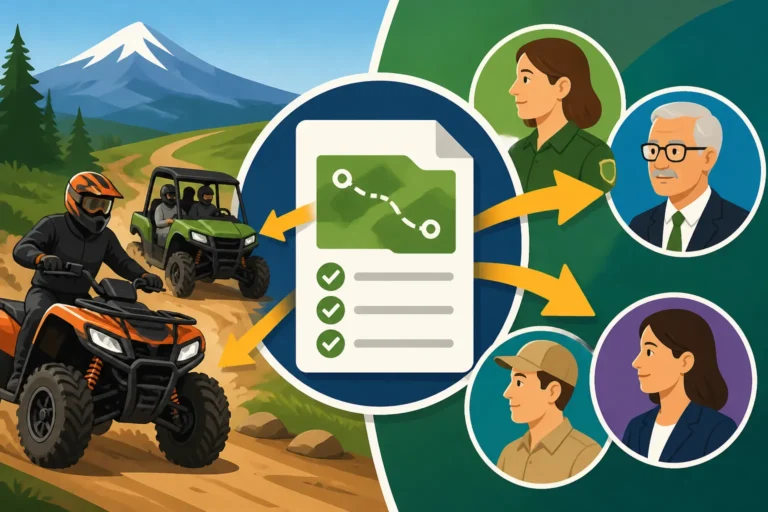
The best way to avoid a disappointing trip is to do your homework before you leave home. For Forest Service and BLM roads, always check the websites of the specific national forest or BLM district you plan to visit. They typically have dedicated pages for road and trail conditions, closure orders, and fire restrictions. Look for their Motorized Vehicle Use Maps (MVUMs), which are the definitive legal documents showing where you can and cannot ride. These maps are updated regularly and are crucial for planning.
For State Forest lands, the Oregon Department of Forestry website is your go-to. They'll have information on their specific OHV areas, including conditions and any active logging operations that might impact access. For county roads, check the individual county's public works or sheriff's office websites.
It's also a good idea to supplement official sources with other tools. Many GPS apps and devices now include layers for public lands and OHV trails, which can be invaluable. Even calling a local ranger station can provide real-time, on-the-ground information that might not be immediately available online. While planning, consider the possibility of encountering unexpected closures, and have a backup plan or an alternative route in mind.
| Road Management Entity | Typical Access Rules for OHVs | How to Check for Status/Maps | Key Considerations |
|---|---|---|---|
| U.S. Forest Service | Many open, some restricted/closed | District Websites, MVUMs, Ranger Stations | Seasonal closures, fire restrictions, timber ops, wildlife zones |
| Bureau of Land Mgmt. | Many open, some restricted/closed | District Websites, MVUMs, Field Offices | Environmental protections, recreational use conflicts |
| Oregon State Forests | Generally OHV-friendly in designated areas | ODF Website, Local Forest Offices | Active logging, trail specific rules |
| County Roads | Varies by county, some open if gravel | County Public Works/Sheriff Websites | May require street-legal status in some areas, local ordinances |
| Private Timber Land | Mostly closed, some access with permit/seasonal | Posted signs, Company Websites, ODF Advisories | Strict trespassing laws, active logging dangers |
Etiquette and Safety on Oregon's Forest Roads
Riding forest roads isn't just about knowing the rules; it's about being a responsible and respectful user of shared public lands. You'll encounter a diverse group of people out there – hikers, mountain bikers, hunters, equestrians, and even logging trucks. Sharing the space safely and courteously ensures a positive experience for everyone and helps maintain access for OHVs in the long run.
Sharing the Road with Other Users
The single most important rule when sharing forest roads is to expect the unexpected. Dust can obscure oncoming vehicles, blind corners hide hikers, and log trucks demand a wide berth. When you encounter other users, slow down, be prepared to stop, and offer a friendly wave. Give hikers and equestrians the right-of-way, and always pass at a slow speed, giving them as much space as possible. If you're coming up on a horse, shut off your engine and wait for the rider to signal it's safe to pass slowly, as sudden noises can spook horses. [Sharing a Gravel Road With Log Trucks] is critical reading, as these behemoths are often the undisputed kings of forest roads, and you need to yield to them completely.
Dust is a major issue on dry forest roads. When following other vehicles, keep a safe distance to avoid their dust cloud, which can severely limit your visibility. If you're leading a group, be mindful of the dust you're kicking up for those behind you. A quick tap of the brakes can sometimes help signal your presence without being overly aggressive. Always be visible: a brightly colored machine and helmet can make a difference. Consider adding aftermarket lighting from a brand like SuperATV for enhanced visibility, especially if you find yourself on roads with heavy canopy cover or riding near dusk.
Staying Safe and Prepared
Even on a seemingly easy forest road, things can go wrong. Being prepared is key. Always ride with a buddy or let someone know your route and estimated return time. Carry essential tools for basic repairs, a first-aid kit, and enough food and water for longer than you anticipate being out. A reliable GPS device or a good old-fashioned paper map (and the knowledge to read it!) is invaluable, as cell service can be spotty or non-existent deep in the woods.
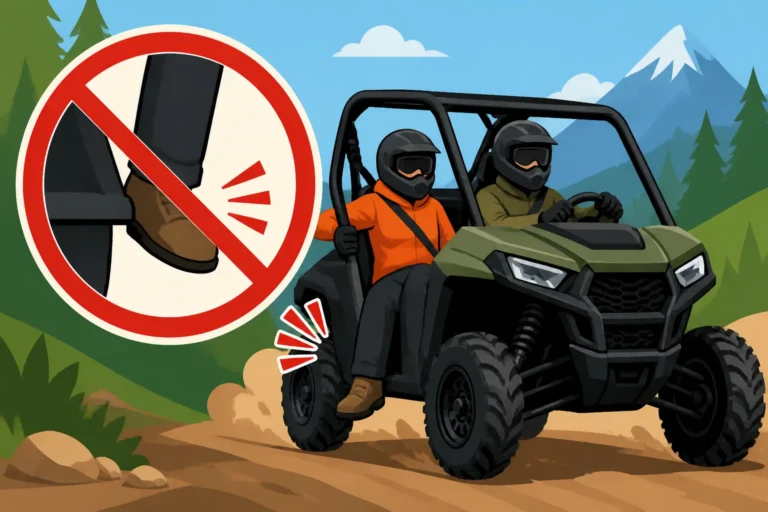
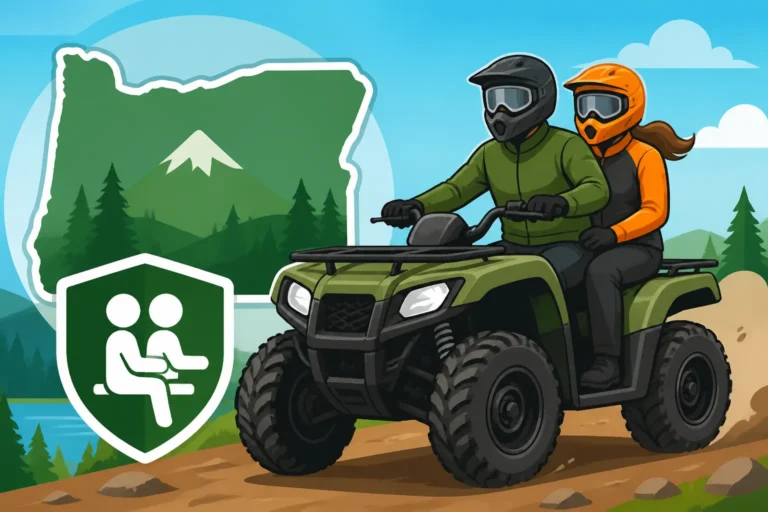
Oregon's helmet law requires all ATV and off-road motorcycle riders, and passengers, to wear a DOT or Snell-approved helmet with the chin strap fastened. For Class IV machines (side-by-sides), riders and passengers under 16 must wear a helmet. While adults in Class IV machines might be exempt if the machine has a roof and roll bar, it's always safest to wear one regardless. [Oregon Helmet Law for ATV Riders] outlines the rules in detail. For side-by-sides, ensure all passengers are properly seated with foot pegs and seatbelts fastened. [Oregon Rules for Passengers on a Quad] reminds us that carrying a passenger on a quad built for one is illegal and dangerous.
Finally, think about your machine's capabilities. While many forest roads are graded gravel, some can be rough, rocky, or muddy. Ensure your tires are in good condition and at the proper pressure for off-road use. If you anticipate rougher terrain, consider upgrading components like A-arms or axles with heavy-duty options from SuperATV to prevent breakdowns far from help. Carrying a small shovel or a recovery strap can be a lifesaver if you get stuck in soft shoulders or mud. Remember, responsible riding means being ready for anything the forest throws your way.
Disclaimer
This article is for general informational purposes only and does not constitute professional advice. Laws, prices and regulations vary by location and change over time. Consult a qualified professional for guidance on your specific situation.