Oregon DUI Rules for ATV Riders
There's nothing quite like the freedom of exploring Oregon's vast landscapes on an ATV or UTV, whether you're tackling the coastal dunes or navigating the high desert trails. But as much as we love our outdoor adventures, it's crucial to remember that fun and responsibility go hand-in-hand, especially when it comes to alcohol. This guide dives deep into Oregon's DUI rules for ATV riders, helping you understand the laws, validate the concerns about losing your vehicle or license, and keep your rides safe and legal.
What Constitutes an ATV DUI in Oregon?
Many riders mistakenly believe that DUI laws only apply to cars on paved roads. This couldn't be further from the truth, and it's a frustration many discover too late. In Oregon, operating an ATV or UTV while impaired is just as serious as operating a passenger car under the influence, carrying equally hefty penalties. The state views ATVs as motor vehicles, and the same rules of the road – or, in this case, the trail – apply, even if you're far from a paved highway.
The Legal Definition and BAC Limits
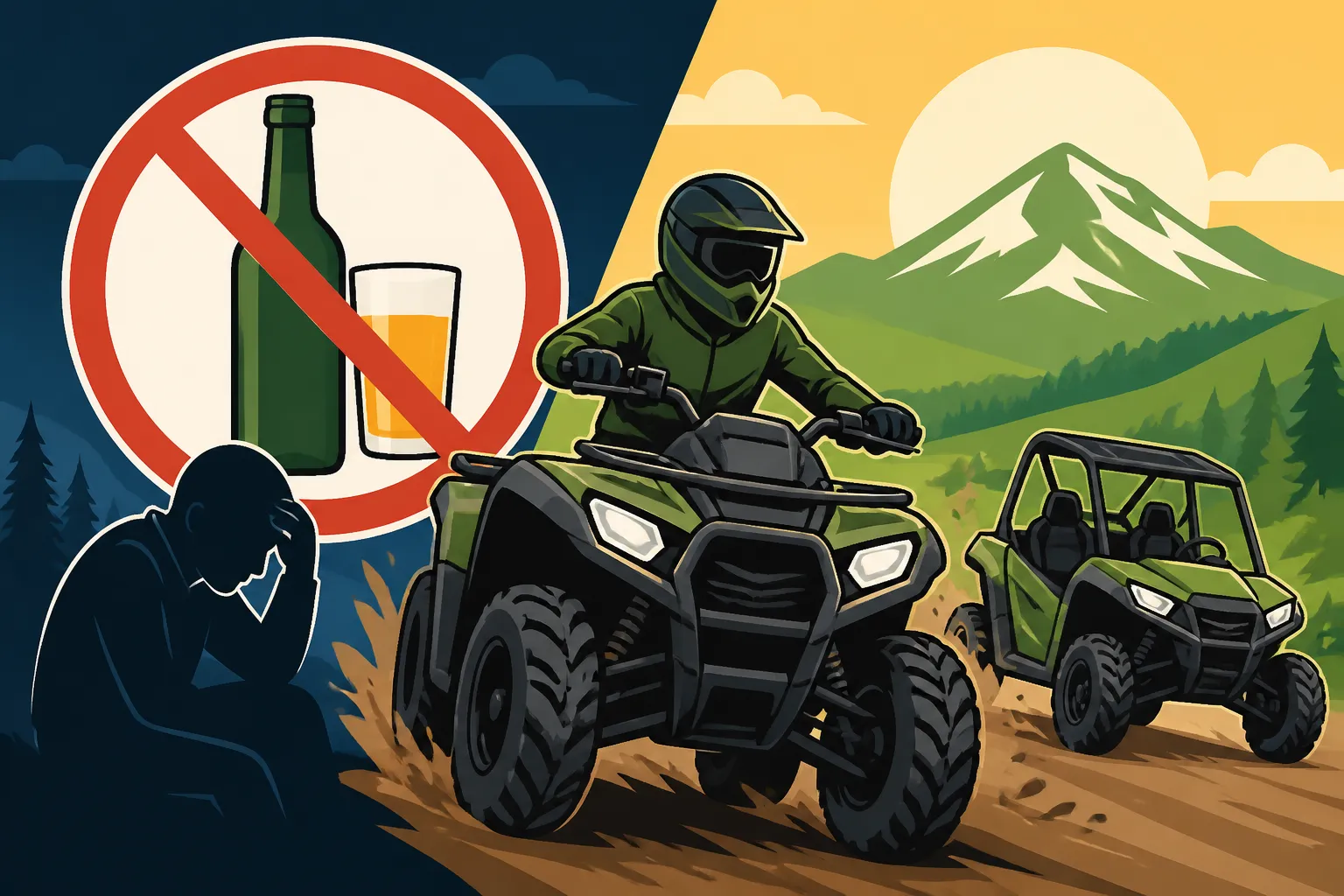
In Oregon, driving under the influence of intoxicants (DUII) means operating a vehicle while your blood alcohol content (BAC) is 0.08% or higher. However, you can also be charged if you're simply impaired to a noticeable degree by alcohol, cannabis, or any other controlled substance, even if your BAC is below 0.08%. The law doesn't care if you feel "fine" or if you've only had "a couple" – what matters is your ability to safely operate your machine. This can be a tough pill to swallow for folks who just want to unwind, but the law's intent is clear: safety for everyone on shared trails.
Think about it: navigating uneven terrain, dodging unexpected obstacles, and reacting to other riders or wildlife requires quick reflexes and clear judgment. Even a slight impairment can drastically reduce your reaction time and increase your risk of an accident. This isn't just about avoiding a ticket; it's about preventing serious injury to yourself, your passengers, and other trail users. Whether you're cruising on a powerful side-by-side that you've kitted out with SuperATV accessories or a smaller quad, the expectations for responsible operation remain the same.
Implied Consent and Roadside Tests
Just like with a car, if you're operating an ATV on public land in Oregon, you automatically give "implied consent" to sobriety tests if a law enforcement officer has reasonable grounds to believe you're impaired. This means if an officer stops you and suspects you're under the influence, they can ask you to perform field sobriety tests (like walking a straight line or standing on one leg) or request a breathalyzer test. Refusing these tests can actually carry its own set of consequences, including an automatic suspension of your driver's license, even before a conviction for DUI.
Many riders are surprised to learn that a DUI on an ATV can affect their regular driver's license. It's not just about losing your riding privileges; it can mean losing your ability to drive your car to work, pick up groceries, or take your kids to school. This is a common source of anxiety and frustration when people realize the broader implications of an off-road DUI. Law enforcement officers, including county sheriffs, state troopers, and even Forest Service rangers, have the authority to enforce these laws across various public riding areas.
"Operating" an ATV: More Than Just Moving
You might think that if your ATV isn't actually moving, you're in the clear. Unfortunately, the definition of "operating" a vehicle in Oregon is quite broad. You don't have to be actively driving down a trail to be considered in operation. If you're sitting on your ATV with the keys in the ignition, or if the engine is running, even if you're parked at a staging area or pulled off to the side of a [Oregon Rules for Riding a Forest Road], you could still be deemed "operating" the machine. This means you can get a DUI even if you're just waiting for your friends to catch up, or if you've simply pulled over for a break.
This broad interpretation is designed to prevent impaired individuals from being in a position where they could quickly drive off. It’s a point that often catches people off guard, as they might feel safe having just stopped for a moment. This is why it’s so important to adhere to [Oregon Open Container Rules on an ATV] and ensure that if alcohol is being consumed, it’s done by passengers or by operators who are not planning to ride again.
The Steep Consequences of an ATV DUI in Oregon
The impact of an ATV DUI in Oregon extends far beyond the immediate moment of being stopped. It can lead to severe legal, financial, and personal repercussions that can linger for years. For many, the sting of these consequences is compounded by the feeling that they were "just having fun" out in the wilderness, unaware of how seriously the state views impaired operation of an off-road vehicle.
Fines, Jail Time, and License Suspension
A first-time ATV DUI conviction in Oregon typically involves significant fines, which can quickly add up to thousands of dollars once court costs, evaluation fees, and victim impact panel costs are included. Beyond the financial hit, you could face mandatory jail time, ranging from a couple of days to weeks, even for a first offense. On top of that, your standard driver's license will be suspended for a period of time, usually at least one year. This means your ability to drive any vehicle – car, truck, or ATV – is taken away. This can be incredibly disruptive to daily life, making it hard to get to work, run errands, or maintain personal independence.
Subsequent DUI convictions within a certain timeframe carry even harsher penalties, including longer jail sentences, higher fines, and extended license suspensions. The state takes repeat offenses very seriously, reflecting a zero-tolerance approach to impaired driving, regardless of the vehicle type. These consequences are far more severe than, say, [Oregon Fines for Riding Without a Permit], underscoring the gravity of a DUI.
Long-Term Repercussions
The immediate legal penalties are just the beginning. A DUI conviction creates a criminal record that can follow you for years, impacting various aspects of your life. This record can affect your employment opportunities, as many employers conduct background checks and may be hesitant to hire someone with a DUI. It can also complicate international travel, as some countries deny entry to individuals with criminal convictions.
Furthermore, your vehicle insurance rates are almost guaranteed to skyrocket. Insurers view DUI convictions as a major risk factor, leading to significantly higher premiums, if you can even find a company willing to insure you. This financial burden can last for several years, long after you've paid your fines and served any other penalties. The frustration of dealing with these long-term consequences is something many wish they had considered before taking that first drink before a ride.
Vehicle Impoundment and Recovery
Another immediate and inconvenient consequence of an ATV DUI is the impoundment of your machine. When you're stopped and charged, your ATV or UTV will likely be towed and stored at an impound lot. Recovering your vehicle isn't free; you'll face towing fees, daily storage fees, and potentially administrative fees from the law enforcement agency involved. These costs can quickly accumulate, adding another layer of financial strain and logistical hassle to an already difficult situation.
Imagine being out on a fantastic trail in the Tillamook State Forest or enjoying the open areas of Millican Valley, only to have your day cut short and your machine towed away. It's a sobering thought that highlights the importance of making responsible choices. Keeping your machine in top shape with quality parts from SuperATV is great for performance, but it won't help you avoid impoundment if you're operating it under the influence.
| Offense | Driver's License Suspension (Minimum) | Fines (Typical Range) | Jail Time (Mandatory Minimum) | Vehicle Impoundment |
|---|---|---|---|---|
| 1st DUI | 1 year | $1,000 – $6,250 | 48 hours | Yes |
| 2nd DUI | 3 years | $2,000 – $6,250 | 48 hours (or 80 hours community service) | Yes |
| 3rd DUI | Permanent | $2,000 – $6,250 | 90 days | Yes |
Note: Fines and jail times are ranges and subject to judicial discretion, prior offenses, and specific circumstances. These are minimums and typical ranges; actual costs can be significantly higher due to additional fees and assessments.
Where Do Oregon's ATV DUI Laws Apply?
Understanding where these DUI laws are enforced is just as important as knowing the laws themselves. It's a common misconception that if you're "off-road," you're somehow exempt from standard regulations. But in Oregon, the reach of DUI laws for ATVs is extensive, covering a wide array of environments where people love to ride.
Public Lands and Designated Trails
Anywhere the public has access to ride ATVs or UTVs, Oregon's DUI laws apply. This includes the vast network of trails within National Forests and BLM (Bureau of Land Management) lands, popular riding spots like the Oregon Dunes National Recreation Area, and state park OHV areas. Whether you're navigating the challenging terrain of the Tillamook State Forest or enjoying the wide-open spaces of Christmas Valley, if it's public land, you're subject to the law.
These areas are patrolled by various law enforcement agencies, including local sheriff's deputies, Oregon State Police, and federal rangers. They are specifically trained to enforce OHV regulations and traffic laws, including DUI. Many riders are caught off guard when a ranger, who they might associate more with hiking permits, pulls them over for impaired driving. It's a stark reminder that these are legitimate law enforcement officers with full authority.
County and Forest Roads
Oregon allows ATVs on certain county and forest roads, often those not maintained for passenger cars, under specific conditions. While this opens up fantastic riding opportunities, it also means that these roads are unequivocally considered public ways where DUI laws are strictly enforced. Even if a road is gravel, remote, or feels like a private track, if it's open to public travel, you need to be sober to operate your ATV on it. Riders often find themselves ticketed on these less-traveled routes, having assumed the rules were looser because the environment felt less formal than a city street. [Oregon Rules for Riding a County Gravel Road] and [Oregon Rules for Riding a Forest Road] outline specific regulations for these areas, and DUI is always a factor.
It’s easy to think that because you’re "way out there," the rules don't apply as strictly. But a remote logging road or a quiet gravel path through the national forest is still a place where accidents can happen, and where law enforcement has jurisdiction. It's critical to be just as vigilant about your sobriety on these routes as you would be on a paved highway. Your [Oregon ATV Permit for a Side-by-Side] allows you access to these roads, but it doesn't grant an exemption from DUI laws.
The Murky Waters of Private Property
This is where things can get a little complex and often confusing for riders. Generally, DUI laws are enforced on public roads and lands. However, there are instances where you could still face a DUI charge on private property. If your private land is open to public access, or if you had to cross public land or roads to get to your private riding area, the DUI laws can still apply. For example, if you're riding a short distance on a public road to get to your private field, and an officer observes you showing signs of impairment, you could be stopped and charged.
Even if you're entirely on private property that is not open to the public, if local law enforcement has reason to believe you're a danger to yourself or others, or if an accident occurs, you could still face legal repercussions. It's a tricky area, but the safest rule of thumb is this: if you're going to consume alcohol, ensure your ATV is parked, the keys are out of the ignition, and you have no intention of operating it.
Staying Safe and Legal: Prevention is Key
The best way to deal with Oregon's strict ATV DUI rules is to avoid them entirely. This means making responsible choices before you even think about swinging a leg over your machine after consuming alcohol. It's not about spoiling your fun; it's about preserving your freedom, protecting your future, and ensuring everyone enjoys the trails safely.
Designate a Sober Operator
This is the simplest and most effective strategy. If your group plans to have alcoholic beverages, designate at least one person who will remain completely sober and operate the ATVs for the entire day or duration of the outing. This person should avoid alcohol from the night before and throughout the riding session. Just as with a car trip, a designated driver is a lifesaver, and a designated ATV operator is no different.
You can take turns being the sober operator on different days or trips, spreading the responsibility around. This approach not only keeps everyone safe and compliant with the law but also allows the whole group to relax and enjoy themselves without the constant worry of a potential DUI. Ensuring everyone has a valid [Oregon ATV Safety Education Card] is another step towards overall safe riding practices.
Planning Ahead: No Alcohol on Rides
Another straightforward approach is to simply separate your ATV riding from your alcohol consumption. If you're heading out for a day of serious trail riding or dune carving, make it an alcohol-free activity. Enjoy your drinks after you've returned from your ride, your machines are parked and secured, and you have no intention of getting back on them. This eliminates any ambiguity and significantly reduces the risk of making an impaired decision.
Remember, even small amounts of alcohol can affect your balance, coordination, and judgment – all critical for safe ATV operation. Consider how challenging it is to control a powerful machine on dynamic terrain; adding alcohol to the mix is a recipe for disaster. Packing non-alcoholic beverages like water, sports drinks, or sparkling cider can keep you hydrated and refreshed without any legal risks. Always be aware of the [Oregon Open Container Rules on an ATV] even if you are not operating.
Essential Gear and Preparedness
Beyond avoiding alcohol, equipping yourself and your machine with the right safety gear and being prepared for any eventuality is paramount. This includes wearing a DOT or Snell-approved helmet, eye protection, gloves, long pants, and sturdy boots, all of which are part of responsible riding, especially considering [Oregon Helmet Law for ATV Riders]. A well-maintained machine with proper tires, brakes, and lighting is also crucial.
Carrying a basic first-aid kit, a tool kit, and spare parts can turn a minor issue into a quick fix rather than a stranded situation, particularly if you're far from help. Companies like SuperATV offer a wide range of aftermarket parts and accessories that can enhance both the safety and performance of your UTV or ATV, from improved suspension to robust protection. Preparing for your ride thoughtfully ensures you're ready for anything the trail throws at you, except for a DUI, which you can prevent entirely with responsible choices. Remember, being prepared extends to understanding all local regulations, including [Oregon Sound Limits for ATVs] and even more niche rules like [Oregon Rules for Carrying a Firearm on an ATV].
Disclaimer
This article is for general informational purposes only and does not constitute professional advice. Laws, prices and regulations vary by location and change over time. Consult a qualified professional for guidance on your specific situation.