Oregon’s Only Two Designated ATV Routes: Lakeside and Sumpter
It’s incredibly frustrating when you just want to get from your campsite to the trailhead, or even pop into town for a quick snack, only to realize that most of Oregon’s roads are a no-go zone for your ATV or UTV. The dream of smoothly cruising down a paved road on your off-highway vehicle often crashes head-first into a wall of regulations. This guide is here to cut through the confusion and explain the unique situations in Lakeside and Sumpter, Oregon – the only two communities in the entire state that offer designated road access for your off-highway vehicle.
Oregon's Strict Stance on OHV Road Use
Let's be real: Oregon is particular about where off-highway vehicles can and cannot operate. For the vast majority of our state, the rule is pretty simple – if it's a public road, especially a paved one, your ATV, UTV, or dirt bike probably doesn't belong there. This can be a huge headache for riders who are used to more permissive rules in other states or for those who simply want to link up trails without loading their machines back onto a trailer. You might wonder, [Are ATVs Street Legal in Oregon?] The short answer, for most machines, is a resounding "no."
The reasons for this strict stance are varied, often revolving around safety for both OHV operators and other motorists, the wear and tear on road infrastructure, and the simple fact that most off-highway vehicles aren't designed or equipped for safe integration into street traffic. Think about it: many ATVs and UTVs lack turn signals, proper headlights and tail lights for road speeds, or even the braking capabilities necessary for quick stops on asphalt. This is why the state generally designates them for off-highway use only. It’s a common point of contention and a source of confusion for many riders, especially those new to Oregon's OHV scene.
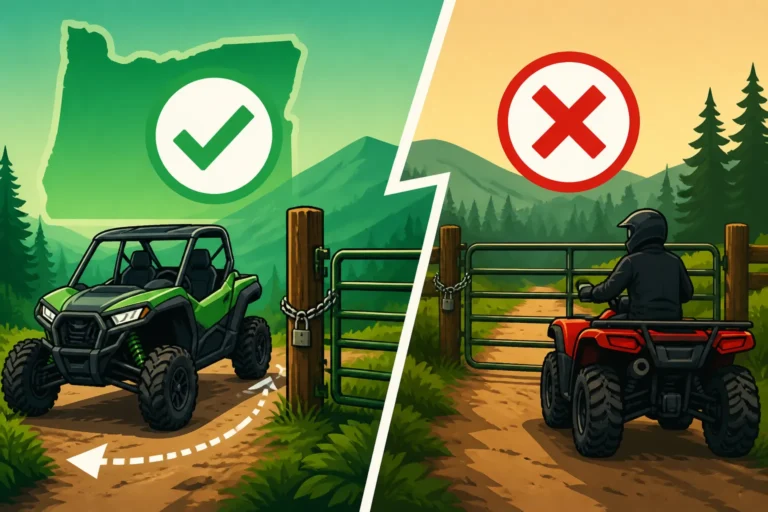
The rules don't just apply to paved highways, either. Many county and Forest Service roads, while unpaved, still have restrictions. Unless explicitly marked as open for OHV use or falling under specific agricultural exemptions, these roads are typically off-limits as well. This creates a challenging puzzle for planning your rides, often requiring extensive trailering or careful route planning to avoid unintended rule violations. It's a system designed for clear separation, but it often feels like it separates riders from their desired destinations.
Lakeside: A Coastal Gateway to Dune Adventures
Imagine cruising out of your campground, directly onto a public road, and within minutes, you're on the sand dunes. In Lakeside, Oregon, that dream is a reality. Located on the beautiful Oregon Coast, just a stone's throw from the Oregon Dunes National Recreation Area, Lakeside stands out as one of the only two communities in the state to offer designated road access for off-highway vehicles. It's a unique setup that directly addresses the common frustration of needing to trailer your machine just to get to the staging area.
The decision to establish an ATV highway access route in Lakeside wasn't made lightly. It was born out of a clear need from the riding community and local businesses who understood the economic benefits of making the dunes more accessible. For years, riders visiting the Lakeside area had to contend with the hassle of trailering their machines even for short distances to reach the dune access points. This created congestion, inconvenience, and often led to riders attempting to bypass regulations in ways that weren't safe or legal. The town recognized that by providing a legal and clearly marked route, they could enhance rider experience and support the local economy.
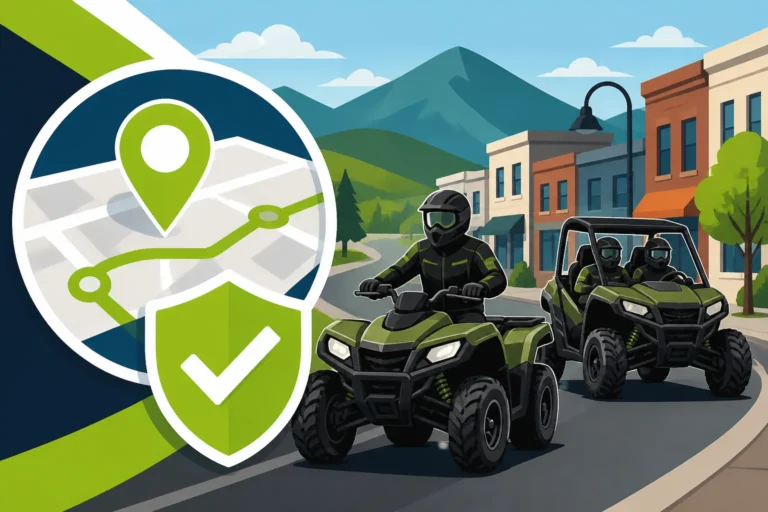
What does "designated route" mean in Lakeside? It means specific, marked roads within the town and its immediate vicinity have been officially opened for OHV use. This allows riders to travel legally from nearby accommodations, fuel stations, or stores directly to the designated staging areas for the dunes. You'll see signs clearly indicating where OHVs are permitted, guiding you safely through the town. This kind of access is particularly beneficial for those with larger Class IV machines, like side-by-sides, which can be a pain to load and unload repeatedly. If you're planning on [Riding an ATV Through Lakeside], you'll find that this designated route greatly simplifies your logistics, making it easier to enjoy the vast expanse of the Oregon Dunes.
Sumpter: A Historic Town Opening Its Roads to OHVs
Venture deep into Eastern Oregon's scenic mountains, near Baker City, and you'll discover Sumpter, a historic gold mining town that offers the other incredibly rare opportunity for designated OHV road access. Unlike Lakeside's coastal, dune-focused access, Sumpter's designated routes connect riders to a sprawling network of mountain trails, logging roads, and forest paths. It's a completely different riding experience but shares the same fundamental benefit: the ability to legally ride your machine on certain public roads within the community.
Sumpter's designation as an OHV access route is rooted in its historical context and the prevalence of off-road recreation in the region. For generations, people in this area have used various types of machines, from horses to dirt bikes, to navigate the rugged terrain and access remote areas. The community, understanding the deep connection locals and visitors have to outdoor recreation, saw the value in formalizing road access. It helps to integrate OHV use safely and responsibly into the town's fabric, offering convenience to riders while still maintaining order. [Riding an ATV Through Sumpter] allows you to immerse yourself in the natural beauty of the surrounding Elkhorn Mountains without the constant need to load your rig onto a trailer.
When you're in Sumpter, the designated routes primarily serve to connect riders from their lodging or parking areas to the extensive trail systems in the Wallowa-Whitman National Forest and surrounding BLM lands. You can ride your Class I quad, your Class IV side-by-side, or even a vehicle like a highly modified sand rail – the kind you might outfit with performance parts from a brand like SuperATV – right through the town to reach those trails. These routes are clearly marked, and it's essential to stay on them. The designation here means you can ride from the general store to the gas pump, or from your rental cabin straight to the edge of the wilderness, rather than having to haul your machine every few miles. Union County, where Sumpter is located, is one of [The Six Oregon Counties That Opened Their Roads] to this specific type of limited OHV use.
The Nitty-Gritty: Rules and Considerations for Designated Routes
Just because Lakeside and Sumpter offer designated OHV access doesn't mean it's a free-for-all. There are still crucial rules and considerations you need to be aware of to ensure a safe and legal ride. These aren't just suggestions; they're legal requirements that can lead to citations if ignored.
Required Permits and Safety Gear
First and foremost, your off-highway vehicle still needs an Oregon ATV Operating Permit decal, which you can purchase online or from an authorized vendor. This decal proves your machine is registered for off-highway use in the state. Don't think that road access negates this requirement; it’s still fundamental. Beyond the machine itself, you, the rider, likely need an Oregon ATV Safety Education Card. This card is mandatory for anyone operating an OHV on public lands, including these designated routes, and it covers everyone regardless of age for Class I and Class III machines. While there are exceptions, like those with a valid driver's license for Class IV machines, it’s always best to have the card or know if you're exempt. [Oregon ATV Permits Explained] and [Oregon's ATV Safety Education Card] are critical components of legal riding in our state. For [Oregon Rules for Riders Under 16], helmets are always mandatory, and highly recommended for all riders, even if not legally required in a caged vehicle.
Safety gear is another non-negotiable. While a Class II street-legal machine might have different requirements, for off-highway vehicles on these designated routes, standard OHV safety protocols apply. This means wearing a DOT-compliant helmet if you're under 18, and it's strongly encouraged for adults too, especially on a quad. Eye protection, gloves, and sturdy footwear are also highly recommended. Remember, even though you're on a "road," you're still operating an off-highway vehicle, and the risks associated with them haven't disappeared. You'll be sharing these routes with passenger vehicles, so visibility and protection are paramount.
Vehicle Requirements and Modifications
Even on a designated route, your OHV must meet specific state requirements. This includes having a properly functioning spark arrester to prevent wildfires, especially crucial in Oregon's dry summers. Your machine also needs to adhere to Oregon's sound limits. An excessively loud exhaust system, while perhaps sounding powerful off-road, can attract unwanted attention from law enforcement when you're on a public road. [Oregon Spark Arrester Requirement] and [Oregon Sound Limits for ATVs] are strictly enforced.
Proper lighting is also a must, particularly if you're riding in low light conditions or at night. Your ATV or UTV should have working headlights, taillights, and brake lights. While most modern machines come equipped with these for off-road visibility, ensure they are functional and bright enough for road use. Some riders might opt for additional accessories, perhaps from a brand like SuperATV, such as a windshield or side mirrors, which aren't always strictly required for OHV operation but can significantly enhance safety and comfort when sharing the road with other vehicles. Think about how much easier it is to see cars behind you with proper mirrors, or how a windshield protects you from road debris.
Remember, the goal is to safely integrate into traffic flow on these specific routes, not to turn your off-highway vehicle into a street-legal car for general use. These routes are special exceptions to allow access to riding areas, not a blanket permit for road use. [Oregon Lighting Requirements for Road Use] outlines what you'll need.
Understanding Local Ordinances and Signage
One of the most critical aspects of riding these designated routes is paying close attention to local ordinances and signage. While the state permits the designation, the specifics of which roads are open and under what conditions are often managed at the local level. This means rules can vary, sometimes subtly, between Lakeside and Sumpter, and even within different sections of the same designated route. Don't assume that because one road is open, all adjacent roads are as well.
Look for clear signage marking the start and end of OHV-permitted routes. These signs are your authoritative guide. Veering off a designated path onto an unmarked road can quickly lead to trespassing charges or [Oregon Fines for Riding an Unopened Road]. It's not uncommon for new riders to mistakenly believe that a general road opening applies to everything, only to find themselves in violation. Maps provided by local visitor centers or the Oregon Parks and Recreation Department often highlight these routes. Always check for current maps and pay attention to temporary closures or restrictions, which can be put in place for events, maintenance, or environmental reasons. [Riding a Road the Map Shows as Open] is a good start, but always cross-reference with actual signage on the ground.
Applying for a New Route: The Process and Challenges
It might seem simple to just open up a few more roads to OHVs, especially given the success of the routes in Lakeside and Sumpter. However, the designation of these ATV highway access routes is a complex and lengthy process, which is precisely why there are only two of them in the entire state. These routes didn't just appear overnight; they were the result of significant effort, collaboration, and navigating a detailed approval process.
The journey to establish a designated route involves several key players and a lot of bureaucratic legwork. It typically starts with a local community, often spearheaded by OHV clubs or local businesses, petitioning the Oregon Transportation Commission. This isn't a casual request; it requires a formal application that outlines the proposed route, justifies the need for OHV access, and demonstrates a clear understanding of the potential impacts. The Oregon Parks and Recreation Department plays a significant [Oregon Parks and Recreation Department's Role] in reviewing these applications, particularly concerning safety, environmental impact, and connectivity to existing OHV areas.
A critical part of the process involves the [Inside Oregon's ATV Highway Access Routes Advisory Committee]. This committee is composed of diverse stakeholders, including representatives from various state agencies, OHV groups, local government, and environmental organizations. Their role is to review applications, assess feasibility, and make recommendations to the Transportation Commission. They look at factors like traffic volumes, road conditions, existing infrastructure, potential conflicts with other road users, and environmental considerations. It's a comprehensive evaluation, often requiring traffic studies, public hearings, and detailed impact assessments.
The challenges in getting a new route designated are substantial. Safety is always a primary concern. How will OHVs interact with cars, bicycles, and pedestrians? What are the sightline issues on certain turns? Environmental impact is another major hurdle, especially in sensitive areas. Will allowing OHVs on roads lead to increased unauthorized off-road activity or impact local wildlife? Funding for signage, enforcement, and maintenance also needs to be secured. These rigorous requirements, while ensuring responsible planning, also explain [Why Most Oregon Towns Have No Route]. It's a testament to the dedication of the communities in Lakeside and Sumpter that they were able to successfully navigate this complex process to achieve their unique status. [Applying to Designate a New Oregon Route] is a marathon, not a sprint.
A Comparative Look at Oregon's Designated OHV Routes
To help you visualize the differences and similarities between Oregon's two unique OHV access routes, here's a quick comparison:
| Feature | Lakeside Designated OHV Route | Sumpter Designated OHV Route |
|---|---|---|
| Location | Coastal Oregon, Coos County | Eastern Oregon, Union County |
| Primary Connection | Oregon Dunes National Recreation Area | Wallowa-Whitman National Forest Trails |
| Landscape | Coastal town, sand dunes, evergreen forests | Historic mining town, mountains, high desert |
| Purpose | Access to dunes from town amenities | Access to extensive forest and county trails |
| Common Machine Types | Class I quads, Class IV side-by-sides, sand rails | Class I quads, Class III dirt bikes, Class IV UTVs |
| Local Authority | Coos County, City of Lakeside | Union County, City of Sumpter |
| Riding Experience | Beach and dune access, close to services | Mountain trail riding, historical exploration |
Both of these routes represent a rare opportunity for OHV enthusiasts in Oregon. They stand as exceptions to the state's otherwise strict rules, providing convenient and legal access that significantly enhances the riding experience in their respective regions.
Conclusion
Navigating Oregon's rules for riding ATVs and UTVs on public roads can feel like a maze, full of dead ends and frustrating detours. But for those in the know, the communities of Lakeside and Sumpter offer a truly unique and welcome reprieve. These aren't just random towns; they are the result of dedicated efforts to create specific, designated routes where off-highway vehicles can legally traverse public roads to access some of Oregon's most incredible riding destinations, be it the sweeping Oregon Dunes or the rugged mountain trails of Eastern Oregon.
Remember, even on these designated routes, vigilance and adherence to all state and local regulations are paramount. Your Oregon ATV Operating Permit, safety education card, and properly equipped machine are still essential. By understanding and respecting these specific access points, you can make the most of your Oregon OHV adventures, enjoying the convenience and thrill of riding directly to your destination rather than wrestling with a trailer every step of the way. So, plan your trip to [Oregon's Only Two Designated ATV Routes: Lakeside and Sumpter] and experience a side of Oregon OHV riding that's truly one-of-a-kind.
Disclaimer
This article is for general informational purposes only and does not constitute professional advice. Laws, prices and regulations vary by location and change over time. Consult a qualified professional for guidance on your specific situation.