Riding a Road When Your Quad Is Too Slow
It's a familiar scenario for many of us who love hitting the trails: you've got your trusty quad, maybe it's not the newest or fastest machine on the market, but it gets you where you need to go in the dirt. Then you look at a map, or you're trying to get from your campsite to a staging area, or even just cross a paved road to reach another section of trails, and you think, "Can I actually take this thing on the road?" The fear isn't just about legality; it's about being a rolling roadblock, an obstacle for faster traffic, and frankly, feeling a bit vulnerable out there. This guide is all about navigating those concerns, understanding the nuances of Oregon's rules, and equipping you with the knowledge to safely and legally ride your slower quad on roads where it's permitted.
Understanding Oregon's ATV Road Rules for Slower Machines
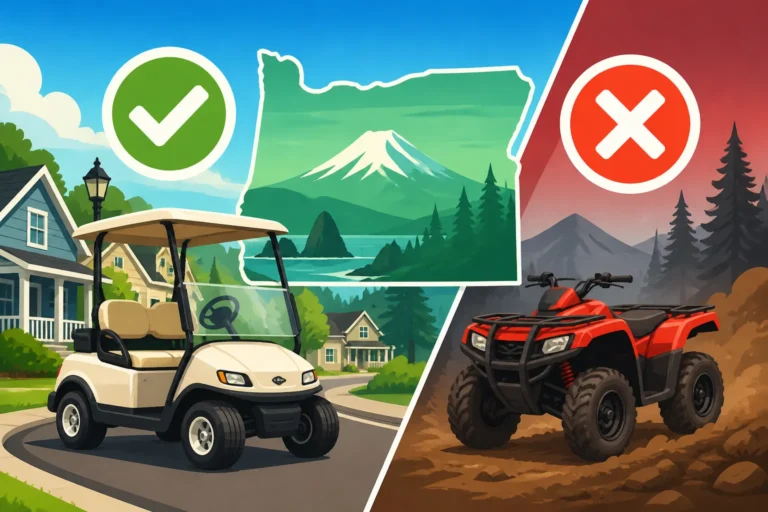
Oregon's approach to ATVs on public roads is… let's just say it's unique, and it definitely favors off-road use. It's not like you can just slap a license plate on most quads and cruise down Highway 101. For those of us with machines that aren't built for speed, this reality can be a bit disheartening when you just want to connect the dots between trails or access a gas station.
The Legal Framework: What Oregon Says About ATVs on Roads
First off, it's crucial to understand that in Oregon, most ATVs are considered Off-Highway Vehicles (OHVs). This means they're primarily designed and intended for off-road use. The Oregon Revised Statutes (ORS) lay out very specific conditions under which these machines can even touch a paved or maintained public road. For the vast majority of highways and state roads, ATVs are simply not allowed, regardless of how fast they can go.
However, there are exceptions. Oregon has explicitly designated a couple of very specific areas where ATVs can use public roads to connect riding areas or access town amenities. These are [Oregon's Only Two Designated ATV Routes: Lakeside and Sumpter]. These routes are the exception, not the rule, and they exist in very particular geographical contexts where the local community has actively pursued and been granted this designation. Outside of these areas, you won't find general ATV road access on major thoroughfares. You'll often see these referred to as [Oregon's ATV Highway Access Routes], but the key word is "access," not "general use." It's about getting to a trail, not touring on the pavement.
This means if your quad struggles to hit even 30 MPH, and you're dreaming of riding it across the state on backroads, you're likely out of luck unless you stick to very specific, designated corridors or unmaintained forest roads. The law isn't just about speed; it's about classification and designated use.
Speed Limits and Your Machine's Capabilities
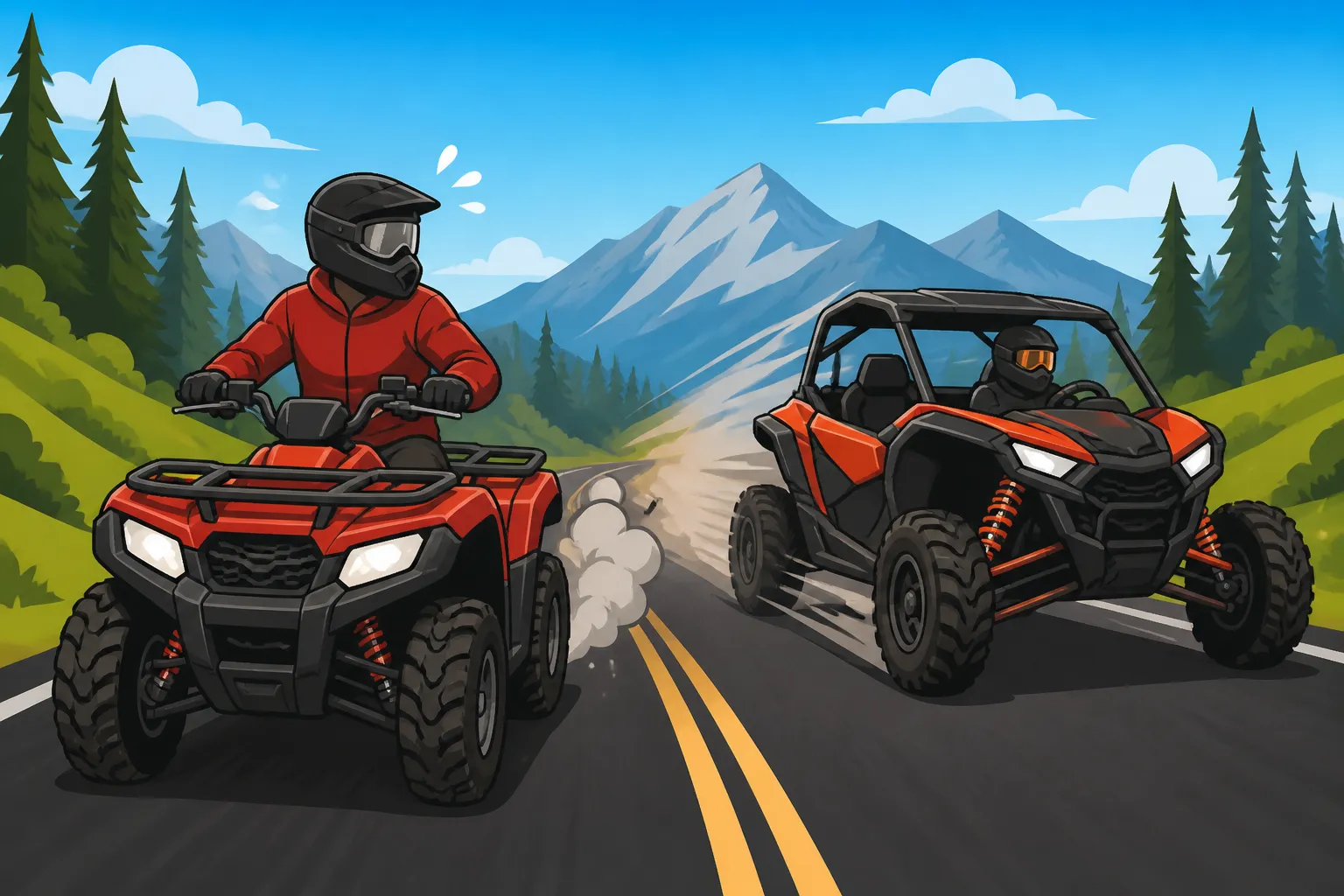
Now, let's talk about the elephant in the room: speed. Even on the rare roads where ATVs are permitted, the posted speed limits apply to all vehicles. If the speed limit is 45 MPH and your quad tops out at 25 MPH, you're creating a hazardous situation, plain and simple. Imagine driving your car on a freeway where everyone else is doing 65, and you're stuck at 30. It’s incredibly dangerous, frustrating for other drivers, and significantly increases your risk of an accident.
This isn't just about being a nuisance; it's about safety. Other drivers simply aren't expecting a slow-moving vehicle like a quad on a road designed for higher speeds. They might not see you, might misjudge your speed, or might become impatient and attempt risky overtakes. Most Class I (quads) and Class IV (side-by-sides) machines, especially older or utility-focused models, are simply not engineered for sustained road speeds. Their gearing, suspension, and tire choices are optimized for off-road terrain, not smooth pavement. Trying to push a slow machine on a fast road is asking for trouble, both legally and physically. Law enforcement can, and often will, cite you for impeding traffic if your speed is significantly below the flow, even if you're technically on a road where ATVs are allowed.
The Critical Distinction: Forest Roads, County Roads, and Highways
This is perhaps the most confusing part for many riders, and it's where your "slower quad" might actually find its niche. The rules for ATVs on roads vary wildly depending on who owns and maintains that road.
- State and U.S. Highways: Generally, these are a no-go for ATVs in Oregon, with the very limited exceptions of the designated access routes we just discussed. They are built for high-speed, high-volume traffic.
- Maintained County Roads: These roads are typically paved or well-graveled and are maintained by individual counties. Some counties, like Union County, have specific ordinances that allow ATVs on certain county roads. [Union County Ordinance 2019-01] is a good example of a local jurisdiction taking the initiative. However, this is not universal. Most county roads in Oregon remain closed to ATVs. If you're considering riding on one, you must check with the specific county's sheriff's office or public works department. Again, if the speed limit is high and your machine is slow, you run into the same hazard issues.
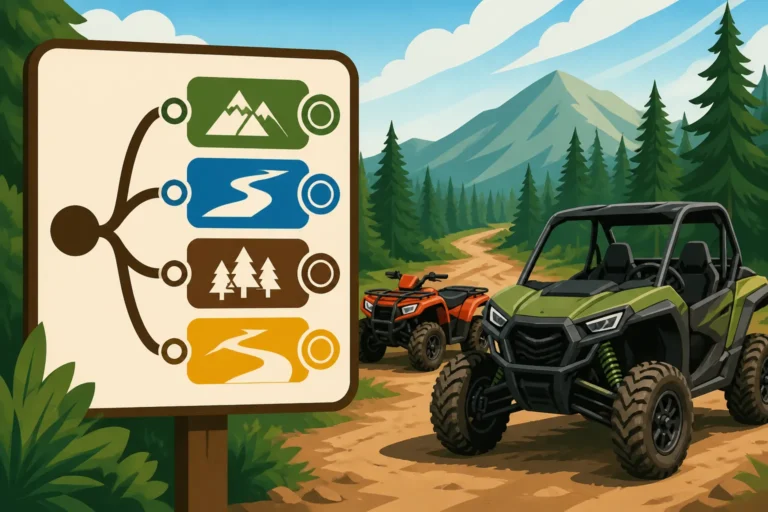
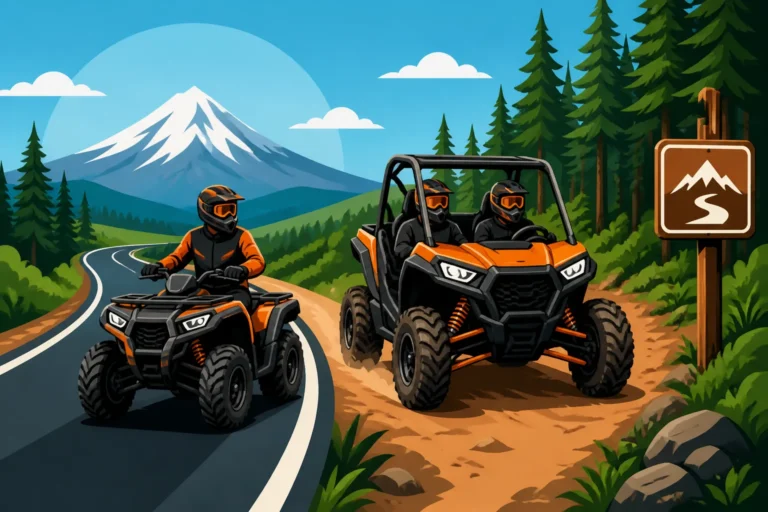
- Forest Service Roads (and other public land management agency roads like BLM): This is where slower quads often shine! Many, many miles of gravel and dirt roads winding through National Forests and Bureau of Land Management (BLM) lands are open to OHVs. These are often unmaintained, low-speed roads, sometimes even single-lane, and frequently connect directly to ATV trails. You'll find extensive opportunities for [Riding Forest and County Roads in Oregon] in these areas. Speed limits on these roads are generally much lower, often 15-25 MPH, making them much more suitable for your slower machine. Always look for signage, as some forest roads are explicitly closed to OHVs, or have seasonal closures.
The key takeaway here is to target unmaintained or lightly maintained dirt and gravel roads on public lands. These roads are often designed for lower speeds, shared with other recreational users (like campers, hikers, mountain bikers), and provide a much safer environment for a quad that isn't built for highway cruising.
Practical Considerations for Taking a Slower ATV on Oregon Roads
So, you've identified a legal road – likely a forest road – that your slower quad can handle. Great! Now, let's talk about how to make that experience as safe and enjoyable as possible. It's not just about what's legal; it's about what's smart.
Safety First: Visibility and Other Gear
When you're sharing any road, even a low-speed gravel one, with other vehicles, being seen is paramount. This is especially true when your machine is smaller and potentially slower than typical road traffic.
- Bright Colors and Reflective Gear: Think high-visibility. Bright orange, lime green, or yellow clothing, helmets, and even accent pieces on your quad can make a huge difference. Consider adding reflective tape to your machine and helmet.
- Whips and Flags: While often associated with dune riding, a tall, brightly colored whip flag can significantly increase your visibility, especially over hills or around blind corners on winding forest roads.
- Lighting: Even during the day, your lights should be on. If you're out near dawn or dusk, or in foggy or overcast conditions common in Oregon's coast range, you need adequate lighting. Oregon has specific [Oregon Lighting Requirements for Road Use] for any vehicle operating on a road, including headlights, taillights, and often turn signals and brake lights. If your quad isn't originally equipped with these, you might need to install an aftermarket kit. Companies like SuperATV offer universal turn signal kits and light bars that can really boost your visibility and legal compliance.
- Mirrors: You absolutely need a rearview mirror, or even two, to be aware of traffic behind you. Off-road machines often come without these, so adding some aftermarket mirrors is a critical safety upgrade.
- Helmets: This is non-negotiable. Oregon's [Oregon Helmet Law for ATV Riders] is clear: if you're riding an ATV, you're wearing a helmet. Always choose a DOT-approved helmet that fits properly.
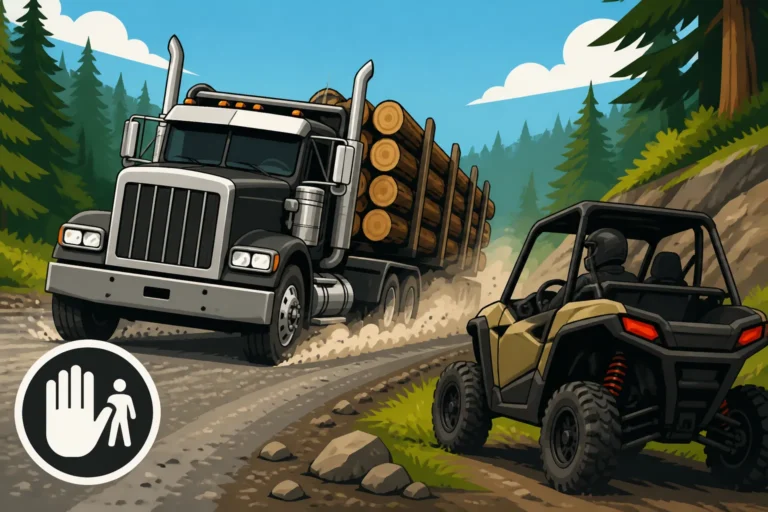
Even on a slow forest road, you're sharing the space with potentially fast-moving vehicles like logging trucks, campers pulling trailers, or other recreationalists. The more visible you are, the safer everyone will be.
Route Planning to Avoid High-Speed Traffic
This is where your map-reading skills come into play. Don't just follow your nose; plan your route meticulously to avoid unexpected high-speed sections or roads where ATVs are prohibited.
- Detailed Maps are Your Friend: Use Forest Service maps, BLM maps, or even specialized OHV riding area maps. These often show road classifications, closures, and designated ATV trails. Look for roads explicitly marked as "OHV routes" or "unmaintained" or "gravel."
- Avoid Main Thoroughfares: Even if a county road could technically be open to ATVs, if it's a main artery between towns or a popular commuter route, it's best to avoid it. Seek out the less-traveled paths.
- Use Designated Access Points: If you're trying to reach a major riding area, stick to the designated staging areas and access roads. Don't try to short-cut across private property or through residential areas on prohibited roads.
- Check for Seasonal and Temporary Closures: Oregon's weather can impact road access significantly. Fire season can shut down vast areas, and heavy winter rains can wash out forest roads. Always check the relevant land management agency's website (Forest Service, BLM, ODF) for current conditions and closures before heading out.
A little planning goes a long way. Knowing exactly where you're going and what types of roads you'll encounter will prevent you from accidentally ending up on a highway with your slow quad.
Mechanical Readiness for Road Use
Just because your quad is slow doesn't mean it doesn't need to be in top shape for road use. Pavement riding puts different stresses on a machine than dirt or sand.
- Tires: Knobby off-road tires wear down incredibly fast on pavement, reducing their lifespan and potentially compromising handling. If you're doing a significant amount of road riding, consider tires that offer a more balanced on/off-road performance, or at least be prepared for accelerated wear. Ensure your tire pressure is appropriate for the terrain you'll be riding – usually higher for pavement, lower for dirt.
- Brakes and Suspension: Ensure your brakes are in excellent working order, as stopping on pavement is different from stopping in dirt. Your suspension should be properly maintained and adjusted. While a slower speed reduces impact, hitting potholes on gravel roads can still be jarring.
- Spark Arrestor and Sound Limits: These are critical. Oregon has strict [Oregon Spark Arrester Requirement] and [Oregon Sound Limits for ATVs] for all OHVs, especially on public lands. Even if you're just on a forest road, you must comply. A loud exhaust can draw unwanted attention from law enforcement and is often the first thing they'll check. Make sure your exhaust system meets state regulations.
- Fuel and Fluids: Check all fluid levels (oil, coolant, brake fluid) before you head out. Riding on roads, even at lower speeds, can put more consistent strain on your engine than stop-and-go trail riding. Make sure you have enough fuel for your planned route, especially in remote forest areas where gas stations are few and far between.
A well-maintained machine is a safer machine, regardless of its top speed. Don't overlook these checks just because you're "only going slow."
Legal Requirements and Avoiding Citations
Beyond just being safe, you absolutely need to be legal. Ignoring Oregon's ATV regulations can lead to costly fines and put a damper on your entire outing. These rules apply to all ATVs operating on any public land, whether it's a designated trail or an open forest road.
Operating Permits and Safety Cards
This is foundational. Every ATV (Class I, II, III, or IV) operating on public land in Oregon needs an [Oregon's ATV Operating Permit]. This permit is essentially your registration for off-highway use and comes with a decal that must be displayed on your machine. Without it, you're looking at a citation. Even if you're just connecting two trails via a gravel road, that permit is mandatory.
In addition to the permit, virtually every rider in Oregon needs an [Oregon's ATV Safety Education Card]. There are age-specific rules, but generally, all riders regardless of age are required to carry proof of having passed an approved safety course. This card shows you understand the rules of the trail and the road when operating an OHV. You can take the course online, and it's free. Don't skip this step; a ranger or state police officer will ask for both your permit and your safety card if you're stopped.
Understanding Local Ordinances and Closures
We touched on this earlier, but it bears repeating: local rules can vary. While state law might permit ATVs on certain types of roads, a specific county or municipality might have an ordinance that prohibits them. Always look for signage and check local regulations. It's often easier to assume a road is closed to ATVs unless you explicitly know it's open. Don't just follow another rider, because they might be misinformed or intentionally breaking the rules. Getting caught out because you didn't do your homework is a frustrating way to end a ride.
Similarly, be vigilant about closures. [Oregon Fines for Riding a Closed Road] can be significant, and closures are implemented for various reasons: timber operations, fire danger, habitat protection, or simply road maintenance. A "Road Closed" sign means exactly that – for all vehicles, including your ATV.
The Consequences of Breaking the Rules
Getting caught without the proper paperwork or riding on a prohibited road can quickly turn a fun day into an expensive one.
Consider this hypothetical: You're riding your utility quad, which isn't very fast, on what you think is a public forest road to get to a fishing spot. A ranger pulls you over. First, they'll ask for your [Oregon's ATV Operating Permit] and your [Oregon's ATV Safety Education Card]. If you don't have either, you're immediately looking at fines. [Oregon Fines for Riding Without a Permit] are not insignificant. Then, if that road turns out to be closed or a private timber road where you're trespassing, you're facing additional, potentially much higher, penalties.
Law enforcement, including Oregon State Police and local sheriffs, actively patrol popular OHV areas and surrounding roads. Forest Service and BLM rangers also have enforcement authority. They're not just looking for reckless riders; they're ensuring compliance with all regulations to protect resources and ensure safety for all users. The cost of a citation far outweighs the minimal cost and effort of getting your permit and safety card.
| Requirement | Applies To | Key Action | Legal Basis (General) |
|---|---|---|---|
| ATV Operating Permit | All OHVs on Public Land | Purchase, display decal | ORS 821.080 |
| ATV Safety Card | Most OHV Riders (all ages) | Complete online course, carry card | OAR 736-004-0085 |
| Proper Lighting | OHVs on Roads/Trails (dawn/dusk/night) | Ensure working headlights, taillights, brake lights | ORS 816.040, ORS 816.320 |
| Spark Arrestor | All OHVs on Public Land | Install USFS-approved device | OAR 736-004-0070 |
| Sound Limit | All OHVs on Public Land | Ensure exhaust meets decibel limits | OAR 736-004-0075 |
| Helmet | All OHV Riders | Wear DOT-approved helmet | ORS 821.190 |
| Road Closures | All OHVs on Affected Roads | Heed signs, check local agencies | Various local ordinances/agency rules |
| Impeding Traffic | All OHVs on Roads | Maintain reasonable speed for conditions | ORS 811.415 |
When you have a slower quad and you're contemplating road use, the best approach is to be overly cautious, meticulously planned, and fully compliant with all regulations. Your slower machine can absolutely be part of a fantastic Oregon outdoor adventure, but it requires respecting the rules of the road and the land. By focusing on appropriate routes, maximizing your visibility, keeping your machine in prime condition, and ensuring all your paperwork is in order, you can enjoy those connections between trails without worry.
Disclaimer
This article is for general informational purposes only and does not constitute professional advice. Laws, prices and regulations vary by location and change over time. Consult a qualified professional for guidance on your specific situation.