Why Insurance Is Compulsory for Class II Only
For anyone venturing into the world of Oregon ATV and UTV riding, the sheer volume of rules and regulations can feel like trying to navigate the dunes in a sandstorm without a map. One of the most common head-scratchers, and frankly, a point of real frustration for many riders, is understanding why personal injury and property damage liability insurance is a non-negotiable requirement only for Class II machines when they're operating on public roads. This guide aims to clear up that confusion, diving deep into Oregon's distinct classification system and the unique status of Class II machines that makes insurance compulsory.
Oregon's ATV Class System: A Quick Overview
Before we get to the "why," it’s crucial to understand how Oregon categorizes its off-highway vehicles (OHVs). It’s not just about quads and side-by-sides; the state has a very specific system that dictates everything from where you can ride to what safety gear you need. Understanding these categories is the first step to making sense of the insurance puzzle.
Oregon defines four distinct classes of ATVs, and they're all based on things like width, weight, and the type of seating or steering.
- Class I ATVs: These are your traditional quads, designed for a single rider or a single rider and one passenger if factory-designed for it. They're characterized by handlebars for steering and a straddle seat. The critical distinction for Class I is a dry weight of 1,200 pounds or less and a width of 50 inches or less. They are typically used for recreational off-road riding in places like the Oregon Dunes or the Tillamook State Forest.
- Class III Off-Road Motorcycles: This class covers dirt bikes. They have two wheels and are built for off-road use, featuring handlebars and a straddle seat.
- Class IV Side-by-Sides: These are your modern UTVs, designed to carry two or more people side-by-side on a bench or bucket seat, with a steering wheel and foot pedals, much like a car. They have a dry weight of 3,500 pounds or less and a width of 75 inches or less. These are incredibly popular for group rides and offer more comfort and cargo capacity.
You might be wondering where Class II fits in, given it's the focus of our insurance discussion. Well, Class II is where things get interesting, and it's the linchpin for mandatory insurance.
The Unique Nature of Oregon's Class II ATVs
Oregon's Class II category is distinct because it's defined less by what the vehicle is and more by what it can do. According to [Oregon's Class II Under ORS 801.193], a Class II all-terrain vehicle is essentially any motor vehicle that is not a Class I, III, or IV ATV, is not a dune buggy, and is not a highway vehicle, but can be registered for highway use. This is a bit of a mouthful, but the key phrase here is "can be registered for highway use."
Think of vehicles like sand rails, certain types of custom-built dune buggies, or even some modified military vehicles that, while capable of serious off-road prowess, also meet the requirements for street-legal operation. These aren't your typical factory-made side-by-sides or quads that rarely touch asphalt. Because these machines have the potential to share public roadways with cars, trucks, and motorcycles, they fall under a different set of rules, specifically when they are taken onto those roads.
The state recognizes that if a vehicle is designed or modified to legally drive on city streets, county roads, or state highways, it must adhere to the same basic responsibilities as any other road-going vehicle. This fundamental difference is what truly sets Class II apart from the other categories. For instance, you generally won't find a stock Class I quad or Class IV side-by-side being registered for road use, even if you add a horn or turn signals. [Why a Class I Cannot Get Oregon Plates] and [Why a Class IV Cannot Get Oregon Plates] explain why these common OHVs usually can't be plated for the street.
The Road to Street Legality: Why Class II Requires Insurance
The core reason Class II ATVs require insurance when operating on public roads boils down to liability and risk management. When any vehicle operates on public roads, it immediately introduces a higher level of risk to other drivers, pedestrians, and public infrastructure.
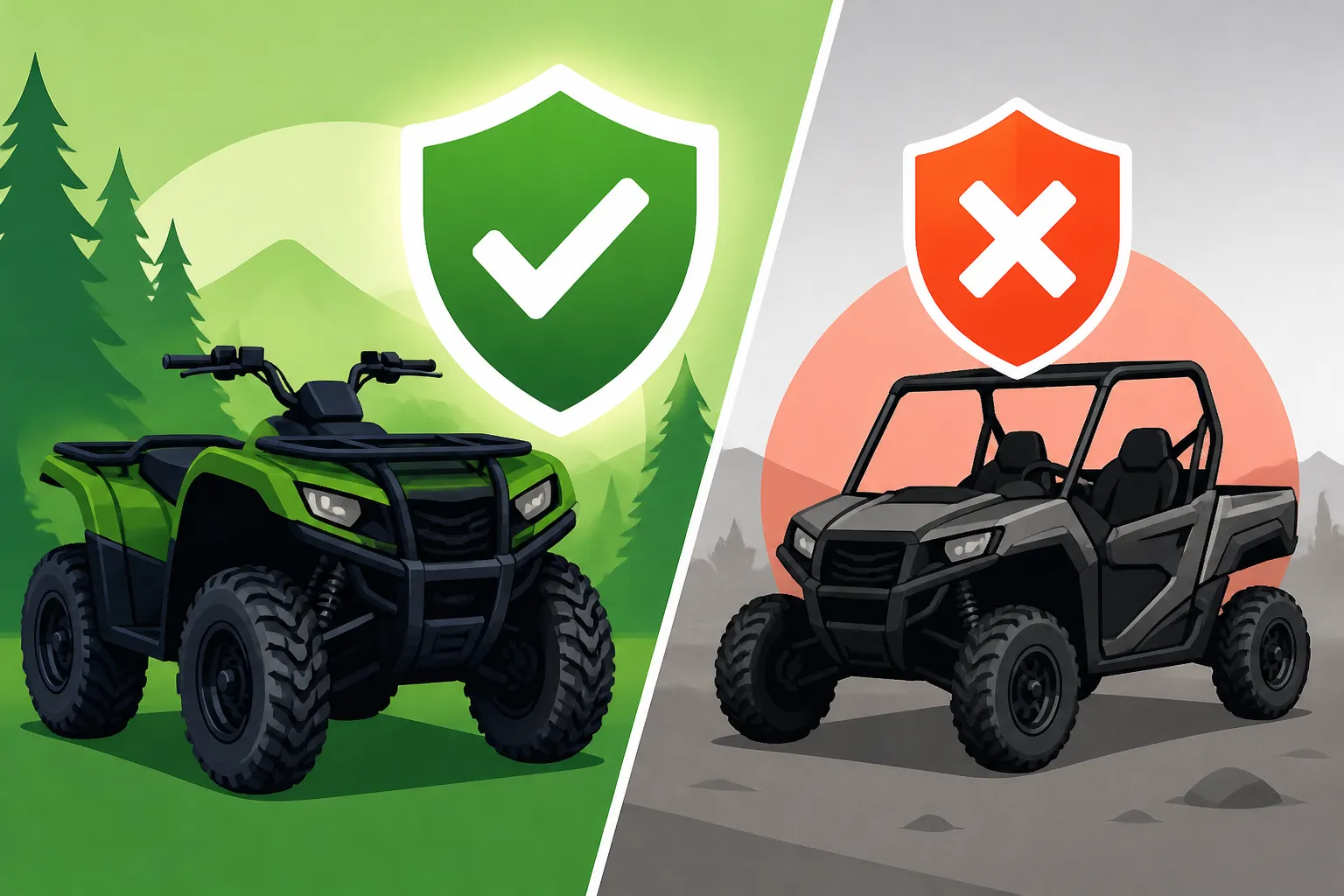
Unlike Class I, III, and IV ATVs, which are primarily designed and legally restricted to off-road trails, designated OHV parks, or specific [Oregon's ATV Highway Access Routes] like those found in Lakeside or Sumpter, Class II machines are capable of full street legality. This means they can intermingle with regular traffic, where speeds are higher, rules are stricter, and the potential for severe accidents increases exponentially.
Consider the implications:
- Interacting with Traffic: A street-legal Class II machine, be it a sand rail or a custom buggy, will be sharing lanes, stopping at lights, and merging with vehicles that often weigh significantly more and travel at faster speeds. An accident in this environment, even a minor one, can lead to substantial property damage and, more critically, serious bodily injury.
- Public Safety: The state has a vested interest in ensuring public safety. Mandating liability insurance provides a financial safety net. If a Class II vehicle causes an accident on a public road, the injured parties or damaged property owners have a mechanism to recover their losses, preventing them from being solely responsible for the financial burden. This protects both the individual involved and the broader public.
- Legal Framework: Oregon's vehicle code is designed to protect its citizens. When a vehicle transitions from an exclusively off-road machine to one capable of street operation, it crosses a legal threshold. At this point, it must comply with vehicle registration, titling, and insurance laws typically reserved for highway vehicles. [Registering a Street-Legal Class II in Oregon] involves specific steps to ensure compliance, including proof of insurance.
Essentially, the ability to operate on public roads means a Class II machine is no longer just an "ATV" in the recreational sense; it's a "motor vehicle" in the legal, road-going sense, subject to the same protections and responsibilities as any other car on the street. This is why [Mandatory Insurance on Every Oregon Class II] is an absolute requirement when it leaves the dirt for the pavement.
What Mandatory Insurance Typically Covers for Class II
When Oregon mandates personal injury and property damage liability insurance for Class II ATVs on public roads, it's primarily concerned with financial protection for third parties. This type of insurance isn't about covering damage to your own machine or your medical bills; it's about covering the costs if you cause an accident that harms someone else or damages their property.
Here's a breakdown of what these core coverages entail:
- Bodily Injury Liability: This coverage pays for medical expenses, lost wages, and pain and suffering for anyone you injure in an accident you cause. If you're driving your street-legal sand rail down a county road, and you swerve and hit another car, causing injuries to the occupants, your bodily injury liability would kick in to cover their costs, up to your policy limits. Without it, you'd be personally responsible for those potentially massive expenses.
- Property Damage Liability: This covers the cost of repairing or replacing property you damage in an accident you cause. Using the same example, if you damage the other car, a fence, or even a mailbox, your property damage liability would cover those repair or replacement costs. This also applies to public property like guardrails or signs.
These coverages are the bedrock of responsible driving on public roads. They ensure that if an unfortunate incident occurs, the financial fallout doesn't fall squarely on the innocent party. When you're [Insuring a Street-Legal Rail] or any other Class II machine, these are the minimums you'll be looking for.
| ATV Class | Primary Use | Road Legal? | Mandatory Insurance for Road Use? | Example Vehicles |
|---|---|---|---|---|
| Class I | Off-Road | No | No | Traditional Quads |
| Class II | Off-Road & Road-Legal | Yes | Yes | Sand Rails, Custom Buggies |
| Class III | Off-Road | No | No | Dirt Bikes |
| Class IV | Off-Road | No | No | Side-by-Sides, UTVs |
Note: While Class II machines require mandatory insurance for road use, all classes benefit from general liability insurance for off-road use, though it is not state-mandated for solely off-road operation.
Consequences of Operating a Class II Without Insurance
Riding any street-legal vehicle on public roads in Oregon without the mandatory liability insurance is a serious offense, and Class II machines are no exception. The consequences can be significant and far-reaching, extending beyond just a simple ticket.
- Fines and Penalties: If you're pulled over or involved in an accident on a public road with your street-legal Class II machine and cannot provide proof of insurance, you're likely facing substantial fines. These can be quite steep, and repeated offenses can lead to even harsher penalties. It's a Class C traffic violation that can hit your wallet hard.
- License Suspension: In addition to fines, the state can suspend your driving privileges. This means not only will you be unable to legally operate your Class II machine, but you might also lose the ability to drive your car or truck. This can severely impact your daily life, especially if you rely on driving for work or essential errands.
- Vehicle Impoundment: In some cases, law enforcement might impound your uninsured Class II vehicle. Getting it back will involve paying impound fees, storage fees, and potentially proving you now have valid insurance, all of which add up quickly.
- Personal Financial Ruin: This is perhaps the most devastating consequence. If you cause an accident on a public road without liability insurance, you are personally financially responsible for all damages and injuries. This could mean paying out-of-pocket for someone's medical bills, property repairs, lost wages, and potentially even legal fees if they sue you. We're talking tens or even hundreds of thousands of dollars, which could lead to bankruptcy. Imagine hitting a luxury vehicle or causing a severe injury to another person—the costs are astronomical.
It's a huge risk to take, and frankly, it's just not worth it. The peace of mind that comes with knowing you're covered for potential mishaps on the road is invaluable. Always ensure your [Oregon Insurance Requirements for Class II] are met before you roll out onto any public thoroughfare.
Finding the Right Insurance for Your Class II Machine
Once you understand why insurance is mandatory for your street-legal Class II machine, the next step is actually securing it. This isn't always as straightforward as insuring your everyday car, as not all insurance providers are familiar with the nuances of off-highway vehicles, especially those that also navigate public roads.
Here are some tips for finding the right coverage:
- Start with Your Current Provider: Often, the easiest place to begin is with the company that insures your car or home. They might be able to add your Class II machine to an existing policy or offer a separate policy. Bundling policies can sometimes lead to discounts.
- Seek OHV-Specific Insurers: Many insurance companies specialize in recreational vehicles, including ATVs, UTVs, and even custom builds like sand rails. These providers are more likely to understand the unique risks and requirements of a Class II machine. Look for companies that have experience with [Plating a Class II Sand Rail for the Road] or similar conversions.
- Be Transparent About Modifications: If you've modified your Class II machine for street legality—adding turn signals, mirrors, a horn, or DOT-approved tires—make sure your insurance agent knows about these changes. Accessories from companies like SuperATV, for instance, are popular for enhancing both performance and road-worthiness. Be clear about any aftermarket parts, especially if they affect performance or value. This ensures you get accurate coverage and avoid potential issues during a claim.
- Understand Coverage Limits: Don't just settle for the minimum liability coverage. While Oregon mandates a certain threshold, consider increasing your limits if you have significant assets to protect. The higher your coverage limits, the more protection you have against substantial financial loss in the event of a serious accident.
- Inquire About Additional Coverage: While liability is mandatory for road use, you might also want to consider additional coverages, such as:
- Collision Coverage: Covers damage to your own Class II machine if you hit another vehicle or object.
- Comprehensive Coverage: Protects against damage from non-collision events, like theft, vandalism, fire, or natural disasters.
- Uninsured/Underinsured Motorist Coverage: Protects you if you're hit by a driver who doesn't have insurance or doesn't have enough to cover your damages.
- Accessory Coverage: If you've invested heavily in aftermarket parts (like those from SuperATV that enhance your machine's capabilities or aesthetics), ensure these are covered, as standard policies might not fully account for their value.
- Shop Around: Get quotes from several different providers. Prices and coverage options can vary significantly. Don't be afraid to compare policies and ask detailed questions about what's included and excluded, especially concerning road versus off-road operation.
Navigating [Oregon Rules for Riding a County Gravel Road] or even just crossing a paved highway in your Class II machine means you're operating under a different legal umbrella than when you're strictly on trails. Taking the time to secure proper insurance isn't just about avoiding a ticket; it's about safeguarding your financial future and ensuring you're a responsible participant on Oregon's diverse roadways.
Disclaimer
This article is for general informational purposes only and does not constitute professional advice. Laws, prices and regulations vary by location and change over time. Consult a qualified professional for guidance on your specific situation.