Oregon’s Coastal Riding Versus High Desert
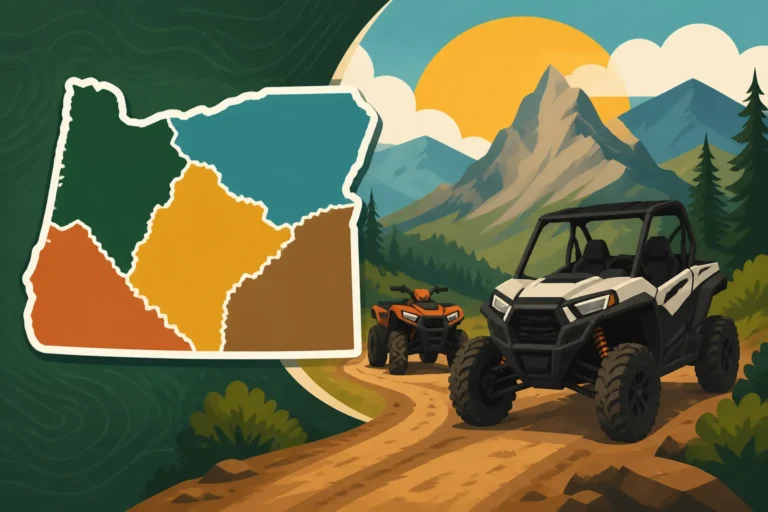
The Oregon coast and high desert offer very different ATV and UTV days: one puts you on shifting sand near the ocean, the other across open country where dust, rock, and long distances shape the ride. Choosing between them affects your machine setup, clothing, navigation, and plans for the day. This guide explains what to expect and how to prepare for either landscape.
The biggest differences between Oregon’s coast and high desert
Terrain and the kind of riding you will do
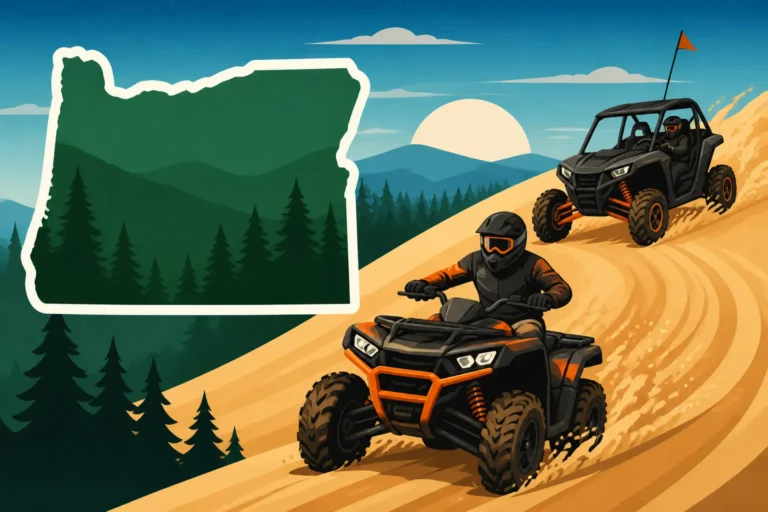
Coastal riding is most closely associated with broad dune fields, soft sand, and routes that can change with wind and weather. At the Oregon Dunes National Recreation Area, riding areas stretch along the coast near communities such as Florence and Winchester Bay. You may spend much of a ride climbing and descending sandy slopes, crossing bowls, or following established routes between staging areas. The landscape can look open and simple from a distance, but a dune crest may hide a steep drop, another rider, or a route that bends out of view.
High-desert riding is more varied than the phrase “desert trails” might suggest. Around Millican Valley east of Bend, riders encounter open, dry country and designated play areas, while Christmas Valley has inland dunes with a different feel from the coast. Depending on the riding area and route, you might travel over volcanic rock, hard-packed dirt, gravel, sand, or uneven trails with scattered brush. The surface may be firmer than coastal dune sand, but that does not automatically make it easy: loose gravel, embedded rocks, ruts, and long stretches without shade can all demand attention.
The practical difference is how each landscape asks you to manage momentum and visibility. On sand, a machine may need steady throttle to keep moving, while abrupt turns or stopping on a slope can be awkward. In high-desert country, you may be able to ride on firmer ground but need to slow for rocks, washouts, and blind corners. Before choosing a destination, consider whether your group prefers open dune play, a mix of trail surfaces, or a more remote feeling. For a regional overview, start with [Oregon Dune Riding Areas Compared].
Weather, exposure, and comfort
The coast is often cooler and more changeable than visitors expect. Fog can reduce visibility, coastal wind can make an exposed staging area feel chilly, and damp air may linger even when the sky looks bright. Conditions can shift over the course of a day, so a light morning jacket that stays in the truck may become a regret after hours of riding. Sand also finds its way into clothing, goggles, zippers, and gear bags; it is part of the setting, not a sign that you packed badly.
High-desert days can bring stronger sun, drier air, and bigger temperature swings between daytime and evening. A sunny ride near Bend or Christmas Valley can feel hot and exposed, while a morning start or a return after sunset may feel much cooler. Dust can become an issue when several machines travel the same route, particularly when the ground is dry. Water, sun protection, and a way to shield your eyes and face matter even on a ride that feels short from the staging lot.
These contrasts make weather planning more than a matter of comfort. Fog and blowing sand can affect sightlines on the coast; heat, dust, and limited shade can affect how long a high-desert outing feels safe and enjoyable. Check the forecast for the riding area itself rather than relying only on conditions in a nearby town. The coast and inland valleys can have very different weather on the same day. [Oregon Riding Seasons by Area] offers a useful way to think about seasonal differences across the state.
Where to ride in each landscape
Coastal riding areas and what they offer
The Oregon coast has several distinct places to plan around, and they are not interchangeable. The Oregon Dunes near Florence include multiple access and staging points, while Winchester Bay provides access to dune riding areas farther south. Sand Lake, north of Pacific City, is another coastal destination with its own access points and surrounding recreation facilities. Each area has different routes, nearby services, camping possibilities, and land-management details, so “going to the dunes” still requires choosing a specific destination.
At the coast, staging areas help define where you begin and how you enter the riding area. Before loading the trailer, identify the intended access point, confirm that your machine is appropriate for the terrain, and find out whether the day requires a separate site or parking fee. An Oregon ATV operating permit and a recreation-site fee are not necessarily the same thing. A permit for the machine does not automatically pay for every parking or day-use requirement, and the details can differ by location.
For a deeper look at the largest coastal dune landscape, see [The Oregon Dunes National Recreation Area]. If you are deciding between several coastal destinations, compare distance from your lodging, available staging, nearby services, and whether your group wants dune riding or a broader coastal outing. It can also be helpful to learn the names of the staging areas in advance. That makes directions, closure notices, and plans to meet up with another vehicle much easier to follow.
High-desert destinations and their character
Millican Valley, east of Bend, is a well-known high-desert option for riders looking for open country and designated OHV areas. The landscape feels very different from the coast: you are away from the ocean’s fog and salt air, with dry ground, broad views, and sun exposure that can be intense. The area includes multiple staging and riding zones, so it is worth planning around the specific place you intend to use rather than treating the whole region as one uniform trail network. Read more in [Millican Valley Outside Bend, Oregon].
Christmas Valley offers another inland experience, including dunes that give the high desert a surprising sandy element. These dunes are not simply a copy of the coast: the setting, surrounding terrain, access, and local conditions are different. A ride may include exposed open ground and a sense of distance from town services. If you are considering an overnight trip, plan fuel, water, recovery gear, and communications with that remoteness in mind. [Christmas Valley's Inland Dunes] is a helpful next read when comparing the area with the coast.
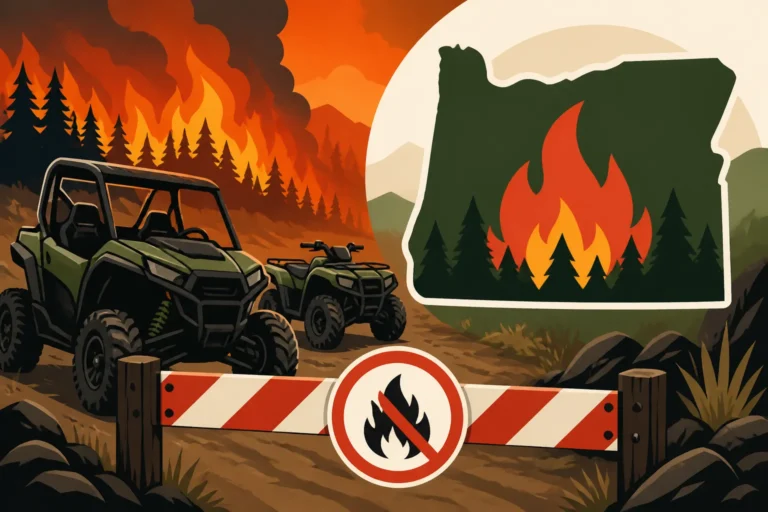
High-desert routes can also be affected by seasonal closures, land-management boundaries, fire restrictions, and changing trail conditions. A line that looks open on a screen does not always mean that it is currently legal to ride, and a route may cross land managed under different rules. Before traveling, check information for the agency responsible for the riding area, then use maps to understand the route and surrounding roads. A platform such as onX Offroad can help riders visualize routes and terrain, but treat mapping tools as planning aids rather than permission to ignore signs, closures, or official guidance.
Choose the right destination for your group
Match the ride to your experience and comfort
For a first-time rider, dunes can look inviting because they offer a wide-open landscape, but open terrain does not mean there are no hazards. Sand can hide changes in slope and make it harder to judge the far side of a crest. A new rider may be more comfortable starting in a controlled area, learning the machine’s response on gentle terrain, and riding with an experienced companion who can explain safe spacing and visibility. A beginner-focused route or riding area may be a better fit than following a faster group into unfamiliar dunes.
High-desert riding can be a better match for riders who prefer trail-following and a firmer surface, but it still requires good judgment. Rocks, loose gravel, uneven ground, and changing route conditions can catch out someone who is used to pavement or smooth roads. Riders should choose routes that suit the least experienced person in the group, not just the most confident driver. A short, manageable loop can be a better first outing than a long route that leaves little flexibility if someone is tired or uncomfortable.
For families or mixed-experience groups, agree on the pace and regrouping plan before leaving the staging area. Decide who will lead, who will ride at the back, and what the group should do if someone loses sight of the others. Keep the plan simple: stop at an agreed location, avoid splitting up to search, and make sure each person knows how to use any communication equipment. The right destination is not only the one with the most dramatic terrain; it is the one where everyone can ride within their abilities and return without feeling pressured.
Think about machine type and setup
A machine that works well on one surface may feel less comfortable on another. On coastal sand, tire condition and suitable pressure can affect how a machine floats and turns. Riders should follow the manufacturer’s guidance and avoid making changes they do not understand. If you are new to sand, learn how your machine behaves at low speed in a safe area before tackling steeper slopes or busy routes. [Soft Sand and Tire Pressure on the Coast] covers one of the practical setup questions that often comes up before a dune trip.
In the high desert, ground clearance, tire condition, and a careful inspection can matter more than sand-specific setup. Check for loose or damaged components before leaving, and consider whether your machine has the range and carrying capacity for the route you have chosen. A wide side-by-side may be comfortable for passengers and gear, but width can affect which routes are suitable. Confirm that the route and riding area allow your machine before setting out; do not assume that every trail is open to every vehicle class.
Regardless of the landscape, prepare the machine for the full outing rather than just the first hour. Bring the tools and basic supplies that match your vehicle, check fuel before leaving, and secure anything that could shift on rough ground. A dry coastal ride can still mean sand in moving parts, while a high-desert ride can expose a machine to dust and rocks. After returning, inspect the tires, air intake, lights, and visible components. A quick cleanup and inspection can reveal small problems before the next trip.
| Planning factor | Oregon coast | Oregon high desert |
|---|---|---|
| Common terrain | Soft sand, dunes, and changing slopes | Dirt, gravel, rock, open ground, and inland dunes |
| Typical comfort concern | Fog, wind, damp air, and blowing sand | Sun, heat, dust, and limited shade |
| Navigation challenge | Dune crests can hide routes and other riders | Long distances, route junctions, and land boundaries |
| Useful preparation | Eye protection, layers, and sand-aware machine checks | Water, sun protection, dust protection, and range planning |
| Before leaving | Confirm staging access and any site fees or closures | Confirm route access, closures, and land-management rules |
Plan for conditions, access, and navigation
Seasonal conditions can change the ride
On the coast, weather and site conditions can influence visibility and comfort even when the riding area is open. Fog may reduce your ability to see other riders, and wind can move sand across a route. Some areas also have seasonal restrictions designed to protect sensitive habitat or manage access. Do not assume that a familiar route or beach access point is open just because it was available on a previous trip. Check current local notices and posted signs before riding.
High-desert conditions change in different ways. Dry periods can make dust more noticeable, while storms or heavy rain can affect the condition of unpaved routes. Fire restrictions and closures may alter access, and seasonal management can affect which sections are available. Before traveling, look for notices from the responsible land manager and be prepared to change the route if conditions are unsuitable. [Oregon Trail Closures to Check First] is a useful reminder to make closures part of planning, not a last-minute detail.
Seasonality also affects how much time you want to spend outside. A hot, exposed day may call for a shorter high-desert ride with more frequent water breaks. A windy or foggy coast day may call for slower riding and more conservative route choices. If your group includes children, older adults, or anyone who is new to OHV riding, build in more flexibility than you think you need. A plan that allows you to turn around early is often better than one that depends on perfect weather and everyone feeling energetic for hours.
Use maps without assuming every line is open
Maps help you understand the shape of a riding area, find access points, and estimate how far you may be from a staging area. They are especially useful when a group is unfamiliar with the terrain or when multiple roads and trails meet. Carry a map or a reliable digital option, and make sure you know how to use it before you lose cell service. [Oregon Trail Maps Worth Carrying] can help you think through what to bring and why a backup matters.
Digital mapping tools, including onX Offroad, can make it easier to preview terrain and keep track of a planned route. But a mapped line is not the same as a legal route, and data may not reflect a new sign, temporary closure, private boundary, or local restriction. Check the land manager’s information and obey on-site signs. If an app and a posted closure disagree, do not ride through the closure on the assumption that the map is more authoritative.
Before leaving the staging area, identify a few practical landmarks and agree on a regrouping point. Make sure each driver knows the destination and has enough information to return if separated. In an open dune field, it can be surprisingly easy to lose sight of another machine behind a ridge. In high-desert country, a long straight route can make junctions look similar, especially after dust or changing light affects visibility. A little route discussion at the start can prevent a stressful search later.
Prepare for safety and responsible riding
Gear, water, and basic ride planning
Wear protective gear that fits the machine and the type of riding. A properly fitted helmet is a basic part of responsible OHV riding, and eye protection is particularly important when sand or dust is in the air. Gloves, sturdy footwear, and clothing that covers exposed skin can make the day more comfortable and help protect you from debris. At the coast, bring layers that can handle damp wind; inland, consider sun protection and clothing suitable for heat and dust.
Carry enough water for the expected duration, and bring more than the bare minimum if the route is remote or the weather is warm. Do not wait until someone feels unwell to take a break. Plan food and rest stops, and be realistic about how much riding your group can comfortably manage. A ride that looks short on a map may take longer when you include route-finding, stops, congestion, or a slower rider.
Tell someone outside the group where you plan to ride and when you expect to return, especially for a remote outing. Carry a charged phone, but do not assume you will have service everywhere. A first-aid kit, basic tools, a tire repair option suited to your machine, and a way to recover or signal for help can be useful depending on the route. Think through the likely problems before the ride: a flat tire on a dune, a machine that will not start in an exposed area, or a missed turn far from the staging lot.
Give other riders and the land room
Ride at a speed that allows you to react to the ground, signs, and other people. Dune crests deserve particular caution because you may not see who is approaching from the other side. Avoid stopping where another rider could come over a rise without enough time to respond. On trails and shared roads, expect other machines, hikers, vehicles, and changing surface conditions. Courtesy is not just about being polite; it helps keep a busy riding area predictable.
Stay on routes and in areas where riding is permitted. Do not cut across signed closures, sensitive habitat, private property, or areas that are not designated for OHV use. At the coast, habitat protections can shape where and when access is allowed. In the high desert, boundaries between public and private or differently managed land may not be obvious on the ground. When you are uncertain, stop and verify rather than treating a gap in a fence or a faint track as permission.
Pack out everything you bring in, including food wrappers, broken straps, and damaged parts. Keep noise and dust in mind around other visitors and nearby communities, and avoid unnecessary wheelspin or aggressive riding in congested areas. Before leaving, check the machine and the area around your parking spot for loose gear or leaks. Responsible habits help preserve access and make the experience better for the next group, whether you are riding the coast’s sand or an inland trail.
Make the trip fit the destination
Build a coast-focused itinerary
A coastal trip works best when the ride is only one part of the plan. Decide which access point you will use, where you will park, and whether your group needs to arrange camping or lodging nearby. Florence, Winchester Bay, and Pacific City can each serve as a base for different coastal riding plans, but the distance between towns and access points matters. Do not assume that arriving at one dune area gives you easy access to another; check the route and local rules before planning to ride between sites.
Set realistic expectations for how long you will spend on the sand. Loading machines, checking gear, waiting for other riders, and moving through a busy staging area all take time. On a windy or foggy day, you may want to keep the route closer to familiar landmarks. If the group is new to dune riding, plan a shorter first session and leave time for breaks, food, and a careful return to the staging area.
Coastal riding is also a good place to think about cleanup and storage. Keep a separate bag for sandy gear, protect electronics and snacks, and have a plan for rinsing or cleaning equipment after the ride. Salt air and sand can be hard on exposed gear and machine surfaces, so inspect and clean your equipment appropriately when you get home. That small routine makes it less likely you will discover gritty controls or a clogged filter right before the next outing.
Build a high-desert-focused itinerary
For an inland ride, begin with distance and services. Work out how far the staging area is from fuel, food, and a place to get help. Carry enough water and supplies to avoid relying on a quick stop that may not be available nearby. If you are towing, check your route to the staging area as well as your ride route, and consider whether your trailer and tow vehicle are suited to the roads you will use.
Plan the ride around exposure and energy. Start earlier when conditions are expected to be hot, take deliberate breaks, and avoid stretching the route simply because the terrain looks open. A clear view across a valley can make a destination seem close when the actual ride takes much longer. If the group is unfamiliar with the area, begin with a shorter route and use that outing to learn the terrain before planning a full day farther from the staging point.
High-desert trips can be easier to adapt when you identify alternatives in advance. Pick a shorter loop, a sheltered rest point if available, and a clear route back to the staging area. Keep track of fuel use and avoid assuming that a machine with a full tank can cover every route you see on the map. As with the coast, check closures and local requirements before travel, and use mapping tools such as onX Offroad alongside official information rather than in place of it.
Decide which landscape suits your next ride
Choose the coast when sand and ocean-country scenery appeal
The coast may be the right fit if your group wants dune terrain, a dramatic open landscape, and a destination that can be paired with coastal towns and camping. It is a memorable setting, but it rewards preparation: check access and closures, be ready for wind and fog, use eye protection, and keep a careful lookout around dune crests. The sand can be physically demanding for both riders and machines, so a conservative first route is a sensible choice.
It may be a less comfortable option if your group strongly dislikes sand, variable visibility, or coastal weather. Riders who expect to move quickly across firm trails may find soft sand tiring or unpredictable. If children or first-time riders are coming along, prioritize a manageable area and a pace that allows everyone to learn without pressure. A calm, shorter ride is often more satisfying than trying to cover as much ground as possible.
The coast can also require extra attention to site logistics. Confirm where you are permitted to ride, how to access the staging area, and whether separate day-use or parking requirements apply. Check for posted restrictions that may change with season or habitat protections. Then give yourself time to enjoy the broader trip rather than rushing from the tow vehicle to the dunes and back.
Choose the high desert when open country and variety appeal
The high desert may suit riders who want inland landscapes, dry conditions, and a broader mix of surfaces. Areas such as Millican Valley and Christmas Valley offer different kinds of riding, so it is worth matching the destination to the route style your group wants. The setting can feel spacious and quiet, but that also means you should plan for distance, exposure, and the possibility of limited services.
It may be a poor match for a group that is unprepared for sun, dust, or rocky and uneven ground. A ride can feel easy for the first stretch and become tiring after hours in exposed conditions. Choose a route based on the least experienced rider, bring water and navigation, and be willing to turn back if the weather or group energy changes. No destination is worth pushing beyond your comfort or equipment.
Whichever landscape you choose, the best ride is the one you have prepared for honestly. Think about the surface, weather, distance, access, and experience level of everyone going. Confirm the route with authoritative local information, carry the essentials, and leave room in the plan for conditions to change. The Oregon coast and high desert are both rewarding, but they ask for different habits—and knowing that before you unload makes the day smoother for everyone.
Disclaimer
This article is for general informational purposes only and does not constitute professional advice. Laws, prices and regulations vary by location and change over time. Consult a qualified professional for guidance on your specific situation.